Hear from Our Customers
Your air conditioning doesn’t quit during July humidity. Your furnace doesn’t fail the night temperatures drop below freezing. You’re not adjusting the thermostat every hour because one room’s an icebox while another’s a sauna.
That’s what proper installation and maintenance gets you. Not just equipment that runs, but systems designed for how you actually live in your home.
St. James summers hit hard with humidity that makes 85 feel like 95. Winters aren’t forgiving either. Your HVAC system isn’t background equipment—it’s what makes your house livable six months of the year. When it’s sized right, installed correctly, and maintained by people who know what they’re doing, you stop thinking about it. It just works.
Lower energy bills are a side effect of efficiency, not a marketing line. When your system isn’t fighting itself or compensating for poor installation, it uses less power. That shows up every month.
We spent 40 years handling marine HVAC and commercial refrigeration—the kind of work where there’s no room for error and no second chances. Airports, restaurants, catering halls, marine vessels. Systems that can’t go down.
That background matters when we’re working on your home. The technical knowledge from commercial and marine applications translates directly to residential work. We’re not learning on your furnace.
We’re expanding into residential services in St. James because homeowners here deserve the same level of expertise that our commercial clients have relied on for decades. You get technicians who’ve seen thousands of systems, not dozens. People who can diagnose problems accurately the first time and explain what’s actually wrong without the upsell routine.
You call or contact us. We schedule a time that actually works for your schedule—not a four-hour window where you’re stuck waiting. If it’s an emergency, we’re available 24/7, because your heating doesn’t care that it’s 2 AM on a Sunday.
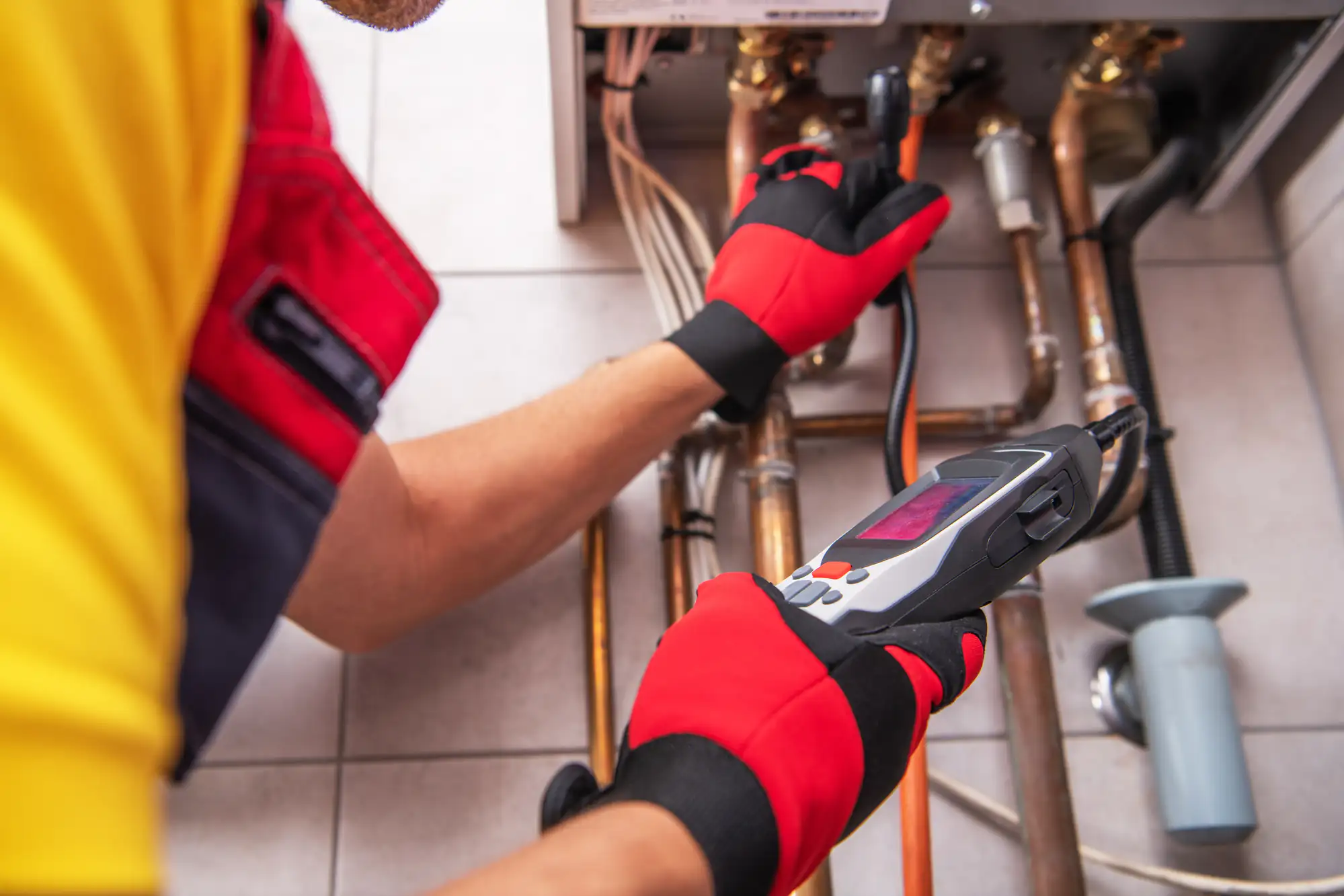
A technician shows up and evaluates your system. Not a salesperson—an actual technician who knows how HVAC systems work. They’ll tell you what’s wrong, what it’ll cost to fix, and whether repair makes sense or if you’re better off replacing. That’s a free consultation, and the estimate is free too.
If it’s a repair, we fix it. If it’s an installation, we walk through your options based on your home’s size, layout, and how you use your space. Single-zone or multi-zone. Traditional HVAC or ductless mini-splits for better efficiency. Heat pumps if you want to take advantage of the federal tax credits available through 2025.
We handle the installation in-house. No subcontractors. Our team does the work, and we’re accountable for how it performs. After installation, we test everything, show you how it operates, and set you up with maintenance options if you want them.
Ready to get started?
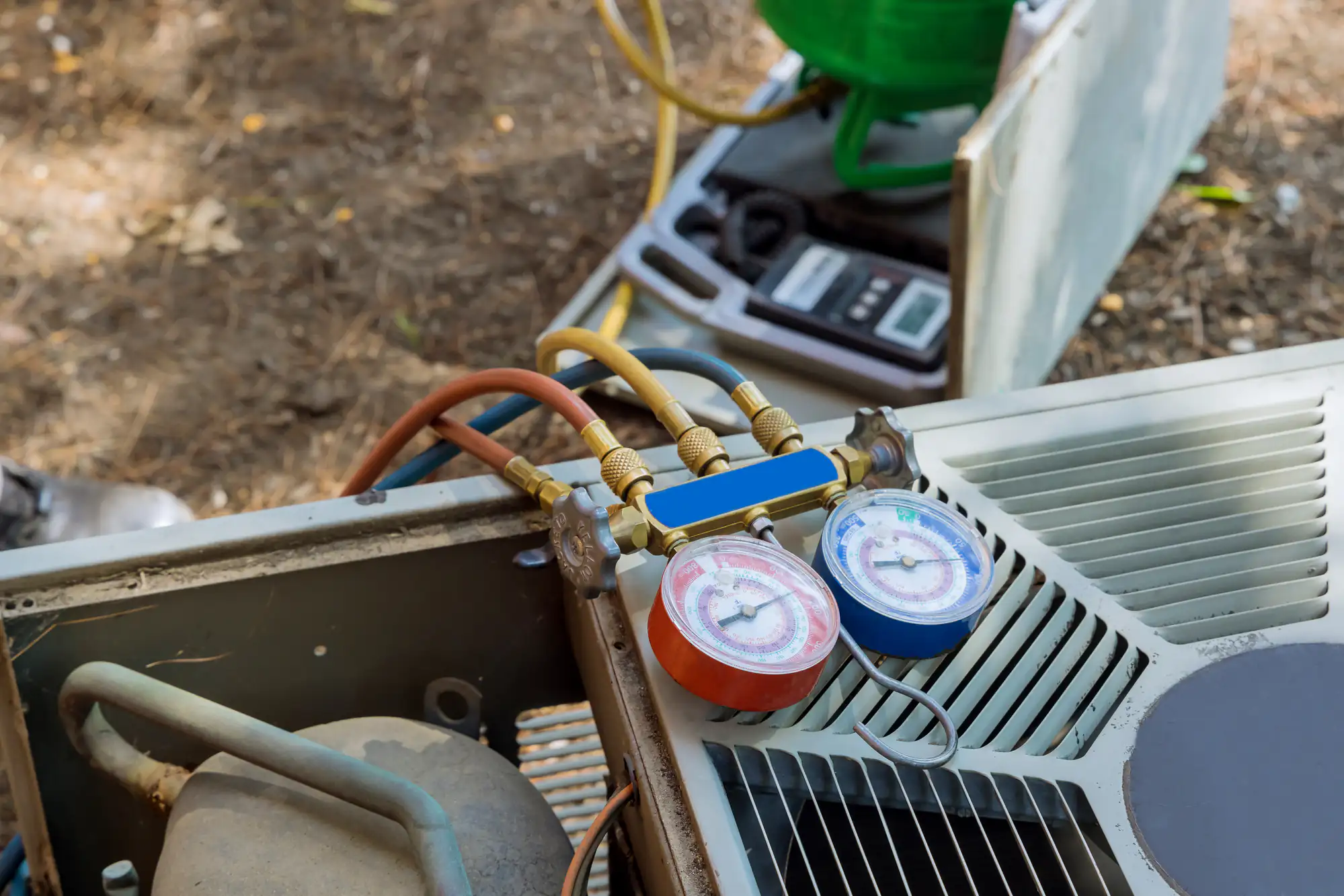
Air conditioning repair when your system stops cooling or starts making sounds it shouldn’t. Furnace installation for replacements or upgrades, sized correctly for your square footage and insulation. Heating system maintenance to catch problems before they become expensive emergencies in January.
HVAC replacement when your unit’s past the point where repairs make financial sense—usually around 12 to 15 years, or when repair costs hit 50% of replacement value. Indoor air quality improvements like HEPA filtration, UV-C treatment, humidity control, and ventilation systems that actually cycle fresh air through your home.
Ductless mini-split systems for true zone control. Heat or cool specific rooms when you want, not the whole house when you don’t. That cuts utility costs significantly, especially in larger homes where you’re not using every room all the time.
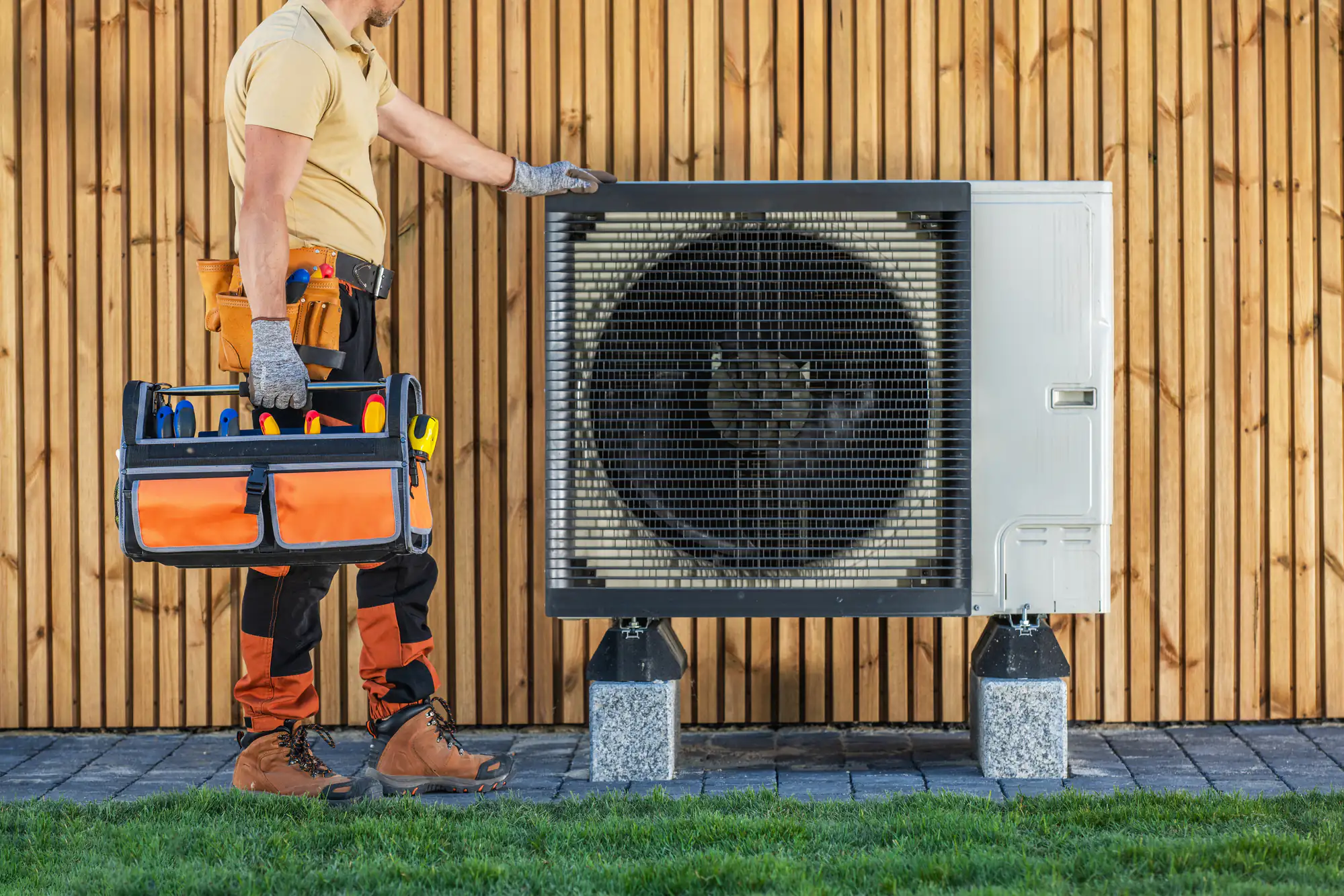
Heat pump installations are particularly relevant right now in St. James. New York’s All-Electric Buildings Act is pushing heat pumps as the standard for new construction, and the federal government is offering 30% tax credits up to $2,000 through 2025. If you’ve been considering an upgrade, the timing’s better than it’ll be in a few years.
Energy-efficient systems aren’t just about saving the planet—they save you money every month. With 61% of homebuyers now prioritizing energy efficiency, it also protects your home’s resale value.
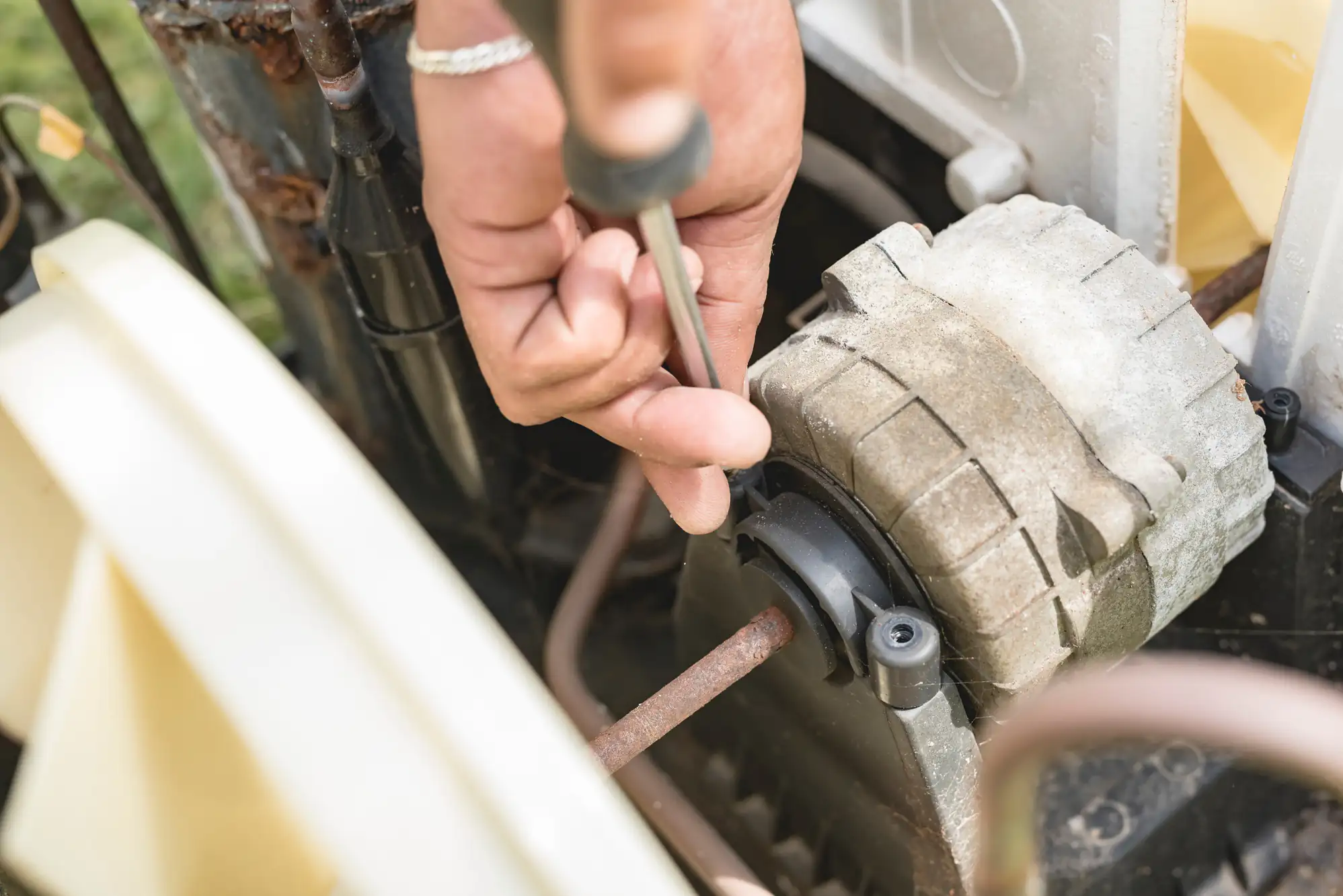
Age and repair cost are your two main factors. If your system is over 12 years old and the repair estimate is more than 50% of what a new system costs, replacement usually makes more sense financially.
Frequent repairs are another signal. If you’re calling for service twice a year or more, you’re spending money on a system that’s failing incrementally. At that point, you’re paying for repairs and still dealing with an inefficient unit that’s driving up your energy bills.
Uneven heating or cooling that maintenance doesn’t fix often means your system is undersized or wearing out. If upstairs is always hot and downstairs is freezing, or certain rooms never get comfortable, that’s not something a repair will solve long-term. Sometimes it’s ductwork, sometimes it’s equipment capacity, but either way it needs a real evaluation—not just a refrigerant top-off and a prayer.
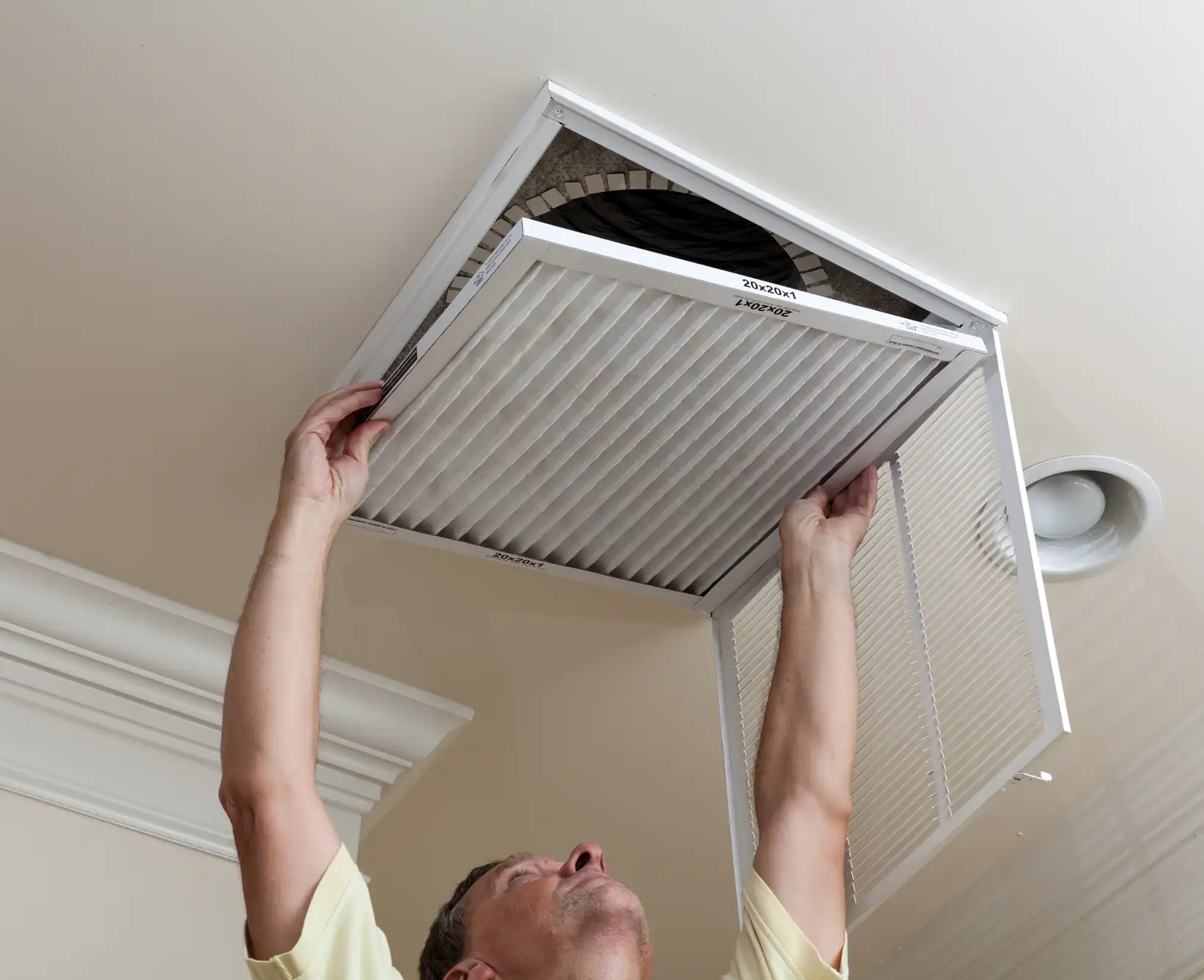
Maintenance catches small problems before they become expensive ones. A clogged filter or dirty coil makes your system work harder, which increases energy costs and accelerates wear on components. Catching that during a scheduled visit costs a fraction of what you’d pay for an emergency compressor replacement.
Efficiency drops over time without maintenance. Even a well-installed system loses performance as parts get dirty, connections loosen, and refrigerant levels drift. Annual maintenance keeps your system running at the efficiency level you paid for, which directly affects your monthly utility bills.
Longevity matters too. Systems that get regular maintenance last years longer than ones that don’t. You’re protecting a significant investment in your home. Most manufacturers also require proof of regular maintenance to honor warranties, so skipping it can void your coverage right when you’d need it most.
For zone control and efficiency, yes. If you have rooms you don’t use regularly, or areas of your home that are always too hot or too cold, ductless systems let you heat or cool specific spaces without conditioning the entire house. That flexibility cuts energy waste significantly.
They’re particularly useful for home additions, finished basements, or older St. James homes where adding ductwork would be invasive and expensive. Installation is cleaner and faster than traditional HVAC, and you get precise temperature control in each zone.
The upfront cost is higher than window units but lower than adding ductwork for central air. Operating costs are lower than both because you’re not heating or cooling spaces you’re not using. For Long Island’s climate—hot, humid summers and cold winters—ductless mini-splits handle both seasons efficiently without the energy waste of oversized central systems.
We offer 24/7 emergency service because HVAC failures don’t wait for business hours. When you call with an emergency—no heat in winter, no cooling during a heat wave—we prioritize getting someone to you as quickly as possible, typically within a few hours depending on current call volume.
Emergency response time matters most when weather is extreme. We keep common replacement parts in stock specifically so we’re not waiting on orders while you’re sweating through a July night or freezing in January. That preparation is part of having 40 years in the business—we know what fails and when.
For non-emergency service calls, we schedule appointments that work for you, not vague four-hour windows. If it’s not an emergency but still urgent—like your AC is running but barely cooling—we’ll get you on the schedule within a day or two, not next week.
Furnace installation costs vary based on your home’s size, the unit’s efficiency rating, and whether we’re replacing an existing system or installing new ductwork. A straightforward replacement for an average-sized St. James home typically runs between $3,500 and $6,500, including equipment and labor.
High-efficiency models cost more upfront but save money monthly through lower energy bills. If you’re replacing a 15-year-old furnace with a modern high-efficiency unit, you’ll see the difference in your heating costs every winter. Over the system’s lifespan, that efficiency gap adds up to thousands of dollars.
We provide free estimates that break down exactly what you’re paying for—equipment, labor, materials, permits if needed. No hidden fees or surprise charges after the work’s done. If your current furnace needs ductwork modifications or if you’re upgrading to a heat pump system to take advantage of federal tax credits, we’ll explain those costs upfront so you can make an informed decision.
Indoor air quality systems address what your HVAC system circulates but doesn’t filter well—allergens, dust, mold spores, bacteria, and volatile organic compounds. Standard furnace filters catch large particles but miss the microscopic stuff that affects breathing and overall comfort.
HEPA-grade filtration captures particles down to 0.3 microns. UV-C coil treatment kills mold and bacteria before they circulate through your home. Humidity control prevents the dry air in winter that cracks skin and wood, and reduces the summer humidity that makes your home feel muggy even when the AC is running.
Fresh-air ventilation systems cycle outdoor air in and stale indoor air out without losing your heating or cooling efficiency. That’s particularly important in newer, well-sealed homes where air doesn’t exchange naturally. You’re not just moving the same air around—you’re actually improving what you’re breathing. For families with allergies, asthma, or just general sensitivity to air quality, the difference is noticeable within days.
Other Services we provide in St. James