Hear from Our Customers
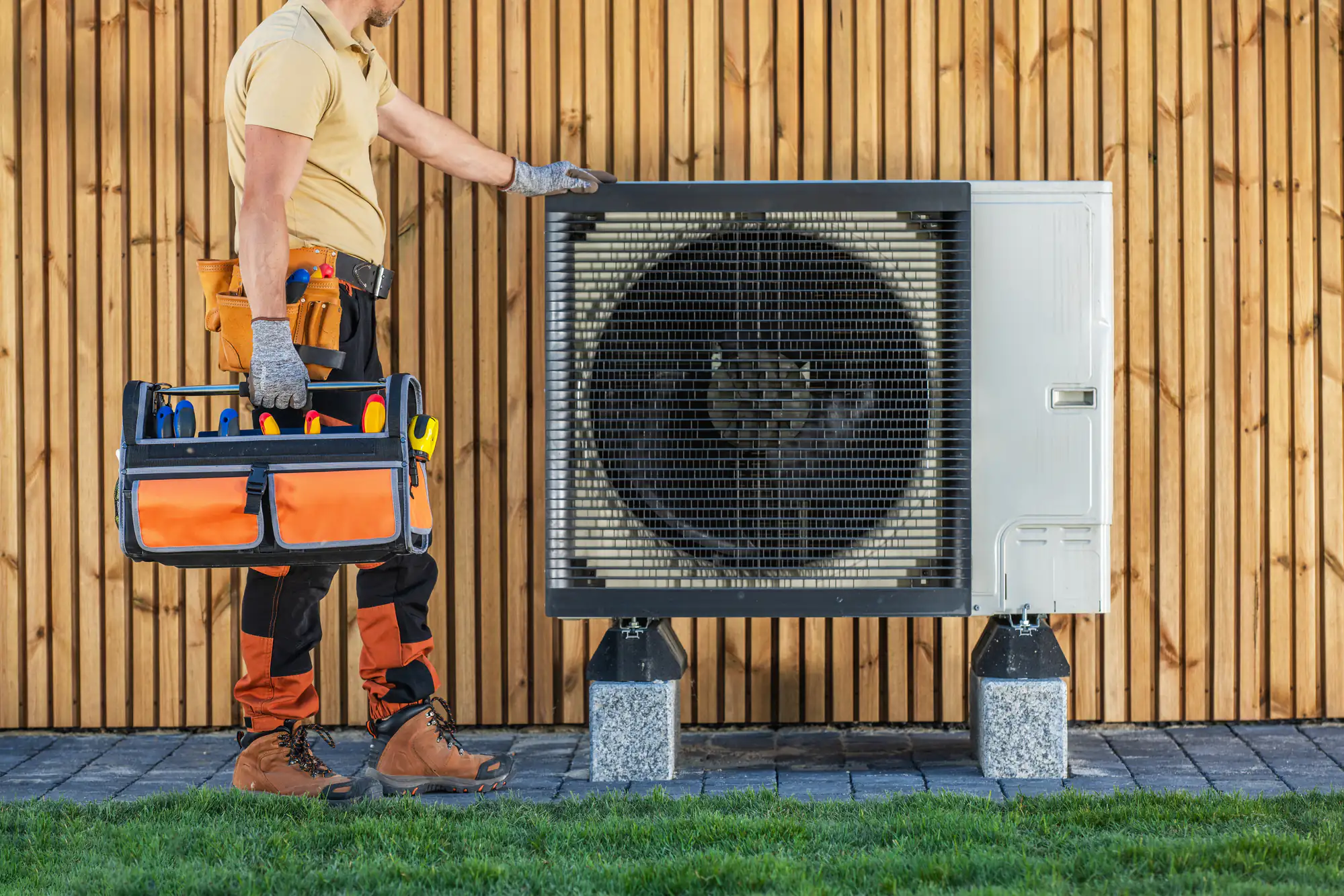
Your home stays comfortable when the temperature outside doesn’t. That’s the baseline.
But here’s what matters more: you’re not wondering if your furnace will make it through winter. You’re not dealing with an air conditioning system that quits during a July heatwave. You’re not watching your energy bills climb because a 15-year-old system is burning through 40% more power than it should.
When your HVAC system works the way it’s supposed to, you get predictable comfort and predictable costs. No emergency calls at 9 PM. No scrambling to find someone who’ll actually show up. No wondering if the repair you just paid for will last six months or six weeks.
That’s what proper heating and cooling maintenance, timely repairs, and smart replacement decisions give you. And in Uniondale, where salt air eats through equipment faster than most places and homes built in the 1950s are still running original ductwork, that reliability doesn’t happen by accident.
We’ve been handling commercial refrigeration and marine HVAC across Long Island since the 1980s. We’ve worked on systems in airports, restaurants, catering halls, and boats—places where failure isn’t an option and downtime costs real money.
Now we’re bringing that same level of expertise to residential HVAC services in Uniondale. Same standards. Same response times. Same commitment to getting it right.
We know what Long Island’s coastal climate does to HVAC equipment. We’ve seen the corrosion patterns, the humidity issues, the freeze-thaw damage that happens when systems aren’t built or maintained for this environment. And we know how to account for all of it when we’re installing, repairing, or maintaining your home’s heating and cooling system.
You call or contact us, and an actual person answers. Not a voicemail. Not a call center three states away. Someone who can help you figure out if this is an emergency or something that can wait until morning.
If it’s urgent, we’re there within two hours in most cases. If it’s scheduled work, we show up when we say we will with everything we need already in the truck. No “I’ll have to come back tomorrow with the part.”
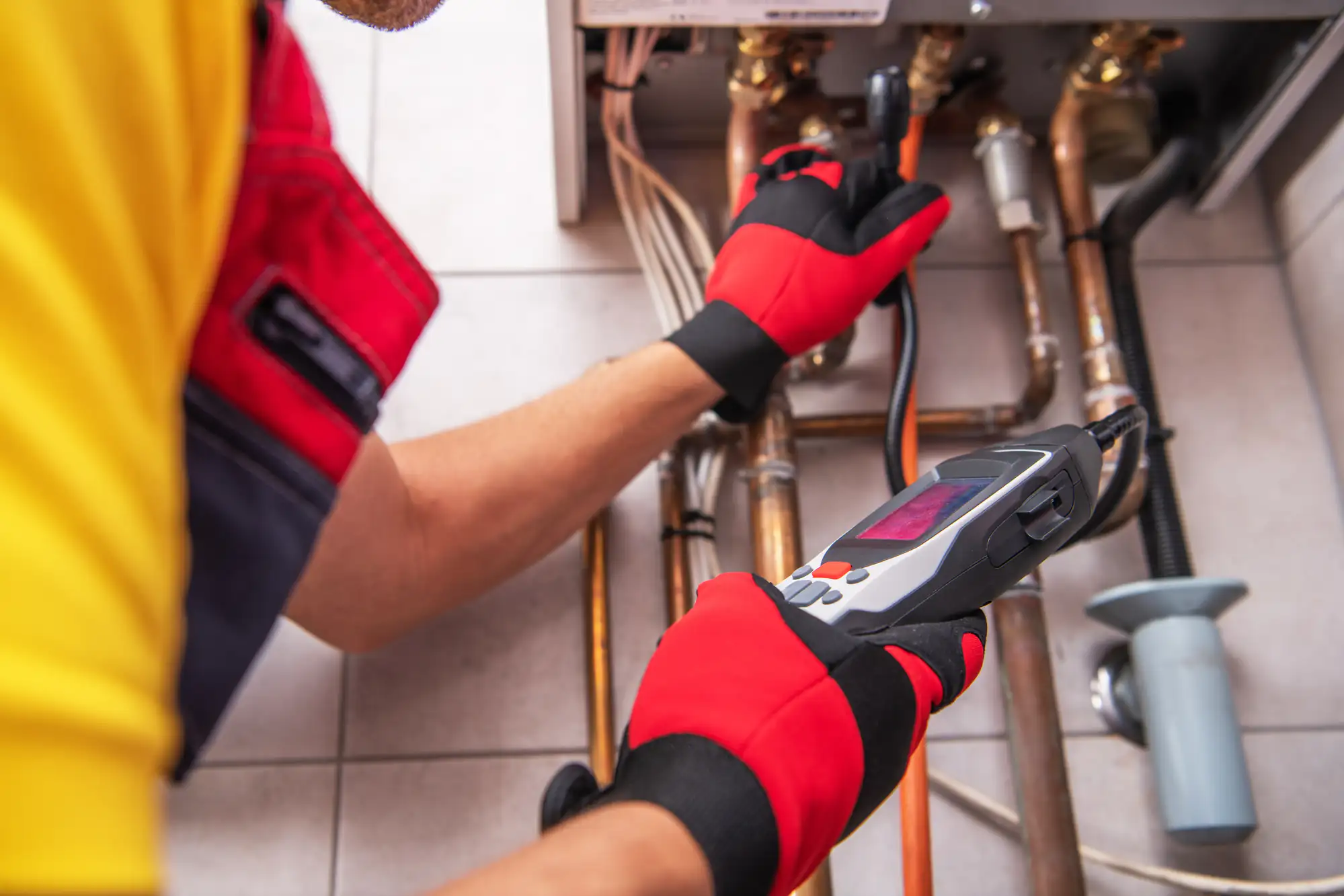
Once we’re on site, we diagnose the problem and explain what’s happening in plain terms. If it’s a repair, we tell you what it costs before we do the work. If it’s a replacement situation, we walk through your options—what makes sense for your home, your budget, and how long you’re planning to stay there.
Then we do the work. We handle permits if they’re needed. We clean up when we’re done. And if something doesn’t perform the way it should after we leave, we come back and make it right.
That’s the process. No runaround. No surprises on the invoice.
Ready to get started?
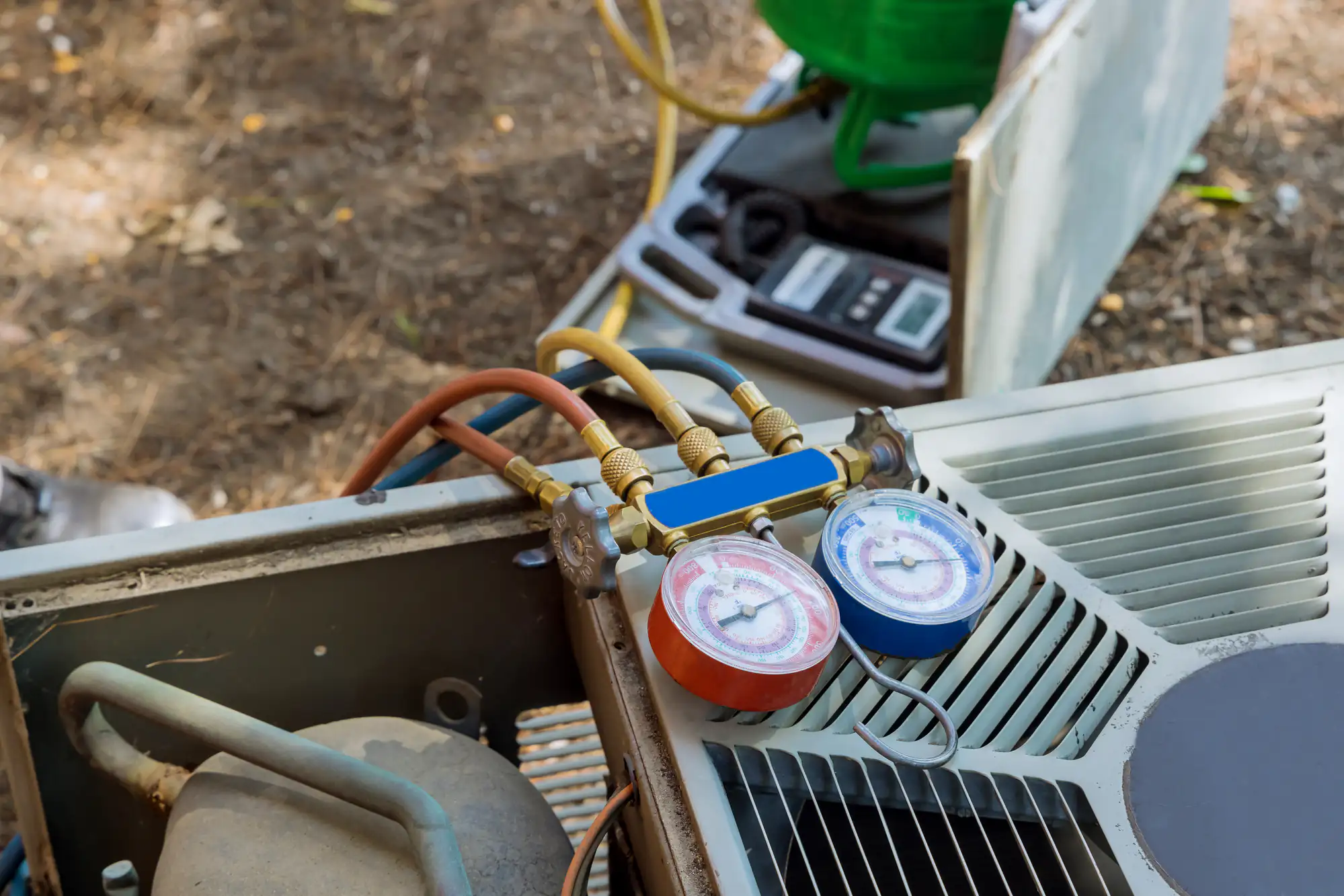
We cover the full range of residential HVAC services. Air conditioning repair when your system stops cooling or starts making sounds it shouldn’t. Furnace installation when your heating system is past the point where another repair makes financial sense. Heating system maintenance to catch small problems before they become expensive ones.
We also handle HVAC replacement for systems that are 15+ years old and costing you more in energy waste than a new system would cost in monthly payments. And we address indoor air quality issues—filtration, humidity control, ventilation—for homes where allergies, asthma, or just stale air are ongoing problems.
In Uniondale specifically, we’re dealing with a housing stock where many homes were built in the mid-1950s. That means ductwork that may not be sized correctly for modern systems. Insulation that’s degraded. Ventilation that doesn’t meet current standards. And HVAC equipment that’s often well past its useful life.
We account for all of that when we’re working on your system. We’re not just swapping parts or installing equipment. We’re making sure the entire system works together the way it should for your specific home in this specific location.
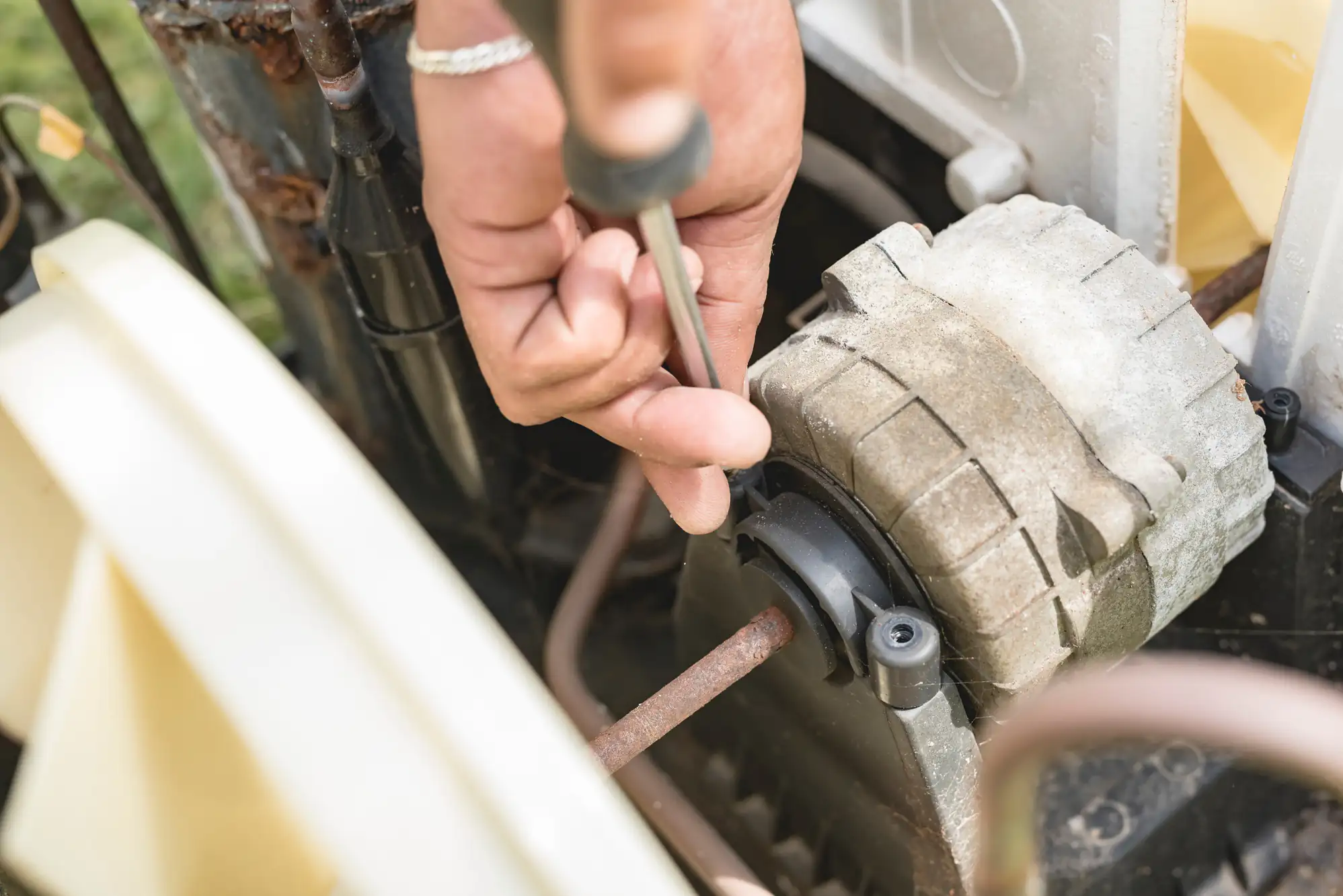
If your system is under 10 years old and the repair costs less than half of what a new system would cost, repair usually makes sense. If it’s over 15 years old, you’re looking at a judgment call.
Here’s the math that matters: older systems waste energy. A 15-year-old furnace or air conditioner might be running at 60% efficiency, which means 40 cents of every dollar you spend on heating and cooling is just gone. A modern system can cut that energy use by 30-50%, which means lower monthly bills that offset the cost of replacement over time.
Also consider frequency. If you’re calling for repairs twice a year, that’s a pattern. The system is telling you it’s done. One major repair might buy you another season. But if you’re planning to stay in the home for more than a few years, replacement is usually the smarter financial move.
Salt air. Uniondale is close enough to the coast that corrosion is a real factor. HVAC systems here deteriorate faster than they do inland, especially on exterior components, venting, and anything exposed to the elements.
We also see more humidity-related issues because of the coastal location. That affects indoor air quality, puts extra strain on cooling systems in summer, and can lead to mold or moisture problems if your system isn’t handling dehumidification properly.
And then there’s the age of the housing stock. A lot of homes in Uniondale were built in the 1950s, which means you’re often working with ductwork, insulation, and ventilation that wasn’t designed for modern HVAC equipment. We account for all of that when we’re diagnosing problems or recommending solutions. It’s not just about the equipment—it’s about how that equipment works in your specific home in this specific environment.
We’re available 24/7, and for genuine emergencies—no heat in winter, no cooling during a heatwave, system failures that affect safety—we’re typically on site within two hours.
Here’s what counts as an emergency: anything that leaves you without heating when it’s below freezing, or without air conditioning when temperatures are dangerous for kids or elderly family members. Also any situation where you’re smelling gas, seeing smoke, or dealing with electrical issues related to your HVAC system.
For non-emergency repairs, we can usually get someone out the same day or next day depending on our schedule. About 70% of our service calls get completed the same day because our trucks carry the most common parts and our techs have seen these problems enough times to diagnose them quickly. We’re not making multiple trips or ordering parts that take a week to arrive unless it’s something truly unusual.
That depends on the size of your home, the type of system you’re installing, and what condition your existing ductwork is in. But here’s a realistic range: for a typical single-family home in Uniondale, you’re looking at somewhere between $5,000 and $15,000 for a complete system replacement.
Lower end of that range is a basic, properly-sized system for a smaller home with ductwork that doesn’t need major work. Higher end is a larger home, higher-efficiency equipment, or situations where we’re also addressing ductwork, insulation, or ventilation issues.
We give you a free estimate before any work starts, and we break down exactly what you’re paying for. Equipment costs, labor, permits, any additional work that needs to happen to make sure the system performs the way it should. No surprises. And we’ll walk you through different options so you can make a decision based on your budget and how long you’re planning to stay in the home. Sometimes the mid-range system makes more sense than the top-of-the-line model. We’ll tell you why.
Twice a year is the standard recommendation. Once before cooling season starts, once before heating season starts. That’s spring and fall for most people.
Here’s why that matters: small problems turn into expensive problems when they’re ignored. A dirty filter reduces airflow, which makes your system work harder, which increases wear on the blower motor, which eventually leads to a failure that could have been prevented. A refrigerant leak that goes unnoticed for six months can damage your compressor, turning a $200 repair into a $2,000 replacement.
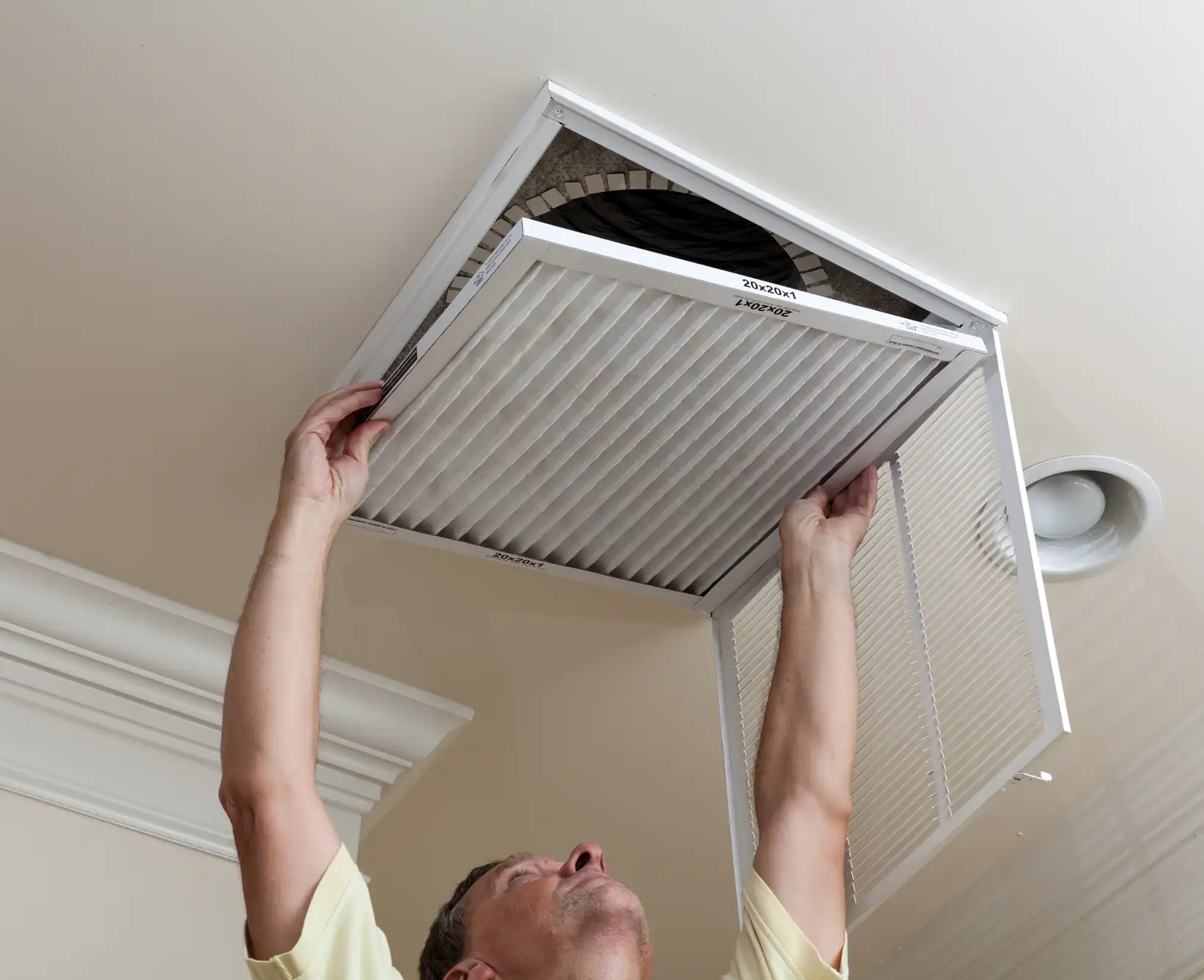
Maintenance catches those issues early. We’re checking refrigerant levels, cleaning coils, inspecting electrical connections, testing safety controls, and making sure everything is running the way it should. Most of the time, we find something small that needs attention. Fix it now, and you avoid a service call in the middle of summer or winter when you actually need the system to work.
For homes in Uniondale specifically, where salt air accelerates corrosion, that twice-a-year schedule isn’t optional. It’s how you get 15 years out of a system instead of 10.
Yes. Indoor air quality is part of what your HVAC system controls, and it’s something we address when it’s causing problems.
That includes filtration upgrades for homes where allergies or asthma are an issue. Humidity control for homes that are too dry in winter or too humid in summer. Ventilation improvements for homes that feel stuffy or where cooking smells and bathroom moisture aren’t clearing out the way they should.
A lot of indoor air quality problems come down to how your HVAC system is moving air through your home. If your ductwork is leaking, you’re pulling in air from your attic or crawlspace that you don’t want to breathe. If your system isn’t sized correctly, you’re getting uneven temperatures and humidity levels from room to room. If your filtration isn’t adequate, you’re recirculating dust, pollen, and whatever else is floating around.
We assess all of that when we’re working on your system. Sometimes the fix is simple—a better filter, a dehumidifier, a minor ductwork adjustment. Sometimes it’s more involved. But we’ll tell you what’s actually causing the problem and what it takes to fix it, not just sell you equipment you don’t need.