Hear from Our Customers
You’re not calling because everything’s fine. Something’s broken, making noise, or costing too much to run. Maybe your second floor feels like a sauna in July while your basement stays freezing. Or your energy bill jumped $200 last month and you can’t figure out why.
Here’s what changes when your system actually works: your thermostat does what you set it to do. Your utility bills stop climbing every season. You’re not wondering if your furnace will make it through January or if you’ll wake up to a 50-degree house.
That’s what proper heating system maintenance and the right equipment gets you. Not perfection—just reliability. The kind where you set it in April and don’t think about it again until November. Where your air conditioning repair needs drop to near zero because the system was installed correctly and serviced on schedule.
Most homes in Westhampton are worth close to a million dollars. The HVAC system protecting that investment shouldn’t be the thing keeping you up at night.
We’ve been handling commercial refrigeration and marine HVAC across the Greater New York area since the early ’80s. Airports, restaurants, catering halls, boats—systems that can’t afford to fail. That’s where we built our reputation.
Now we’re bringing that same approach to residential HVAC services in Westhampton. Same 24/7 availability. Same free estimates and transparent pricing. Same team that doesn’t leave until it’s done right.
Westhampton’s coastal climate isn’t easy on HVAC equipment. Salt air corrodes outdoor units faster than inland systems. Humidity in summer and wet snow in winter put extra strain on compressors and motors. We’ve seen it all, and we know what holds up here and what doesn’t.
First, we show up when we say we will. You get a call when we’re on the way, and if it’s an emergency, we’re available around the clock.
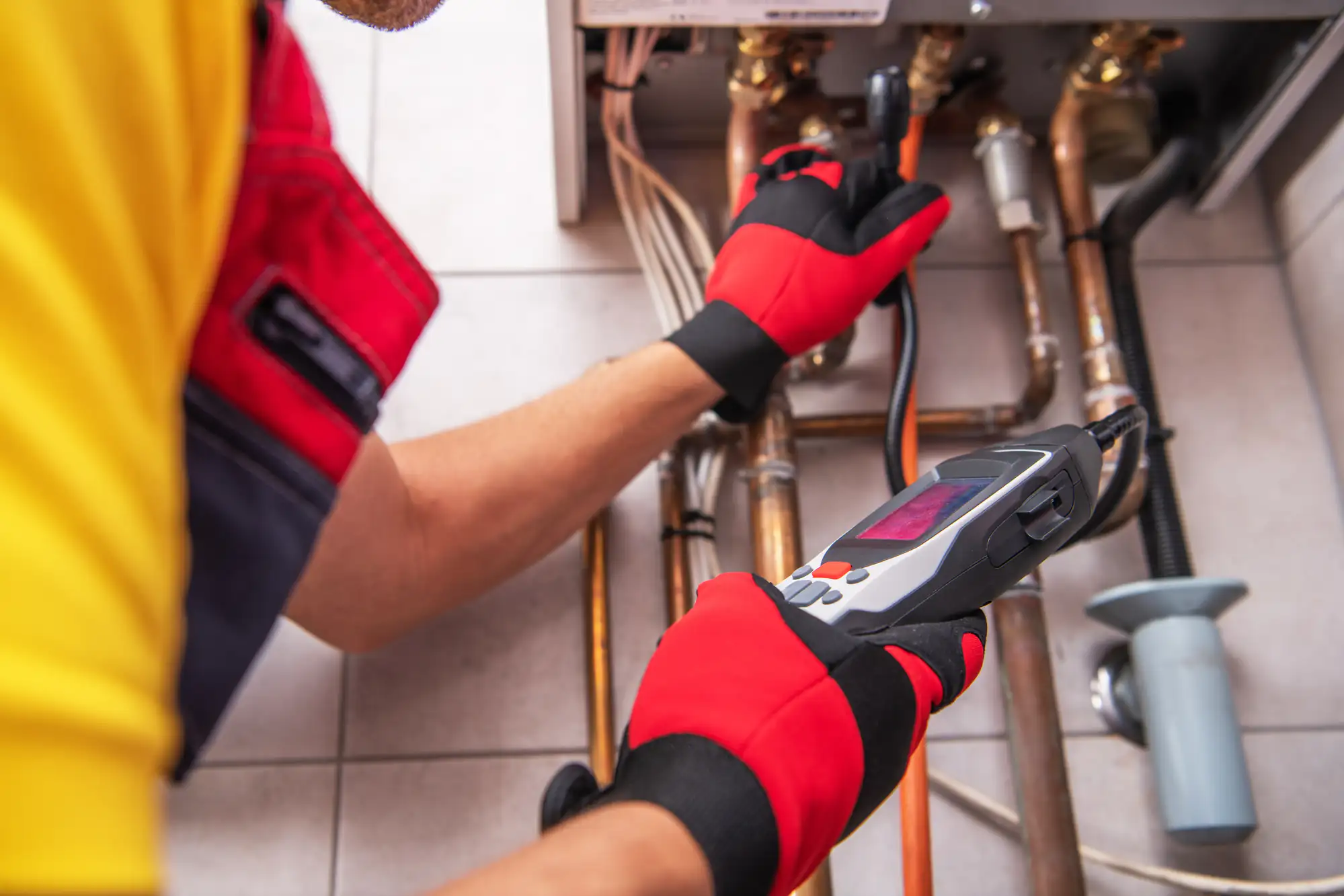
Once we’re there, we diagnose the actual problem—not the most expensive fix, the actual problem. You get a clear explanation of what’s wrong, what it costs to fix, and how long it’ll last once we do. If it’s a furnace installation or full HVAC replacement, we walk through your options: what fits your home, your budget, and your long-term goals.
Then we do the work. If it’s a repair, we carry most parts on the truck. If it’s an installation, we handle everything from permits to cleanup. You’re not coordinating between three different companies or waiting weeks for someone to show up.
After we’re done, the system works. We test it, show you how to use it, and make sure you’re comfortable before we leave. Then we follow up to make sure it’s still running the way it should.
That’s it. No runaround, no upselling, no surprises on the invoice.
Ready to get started?
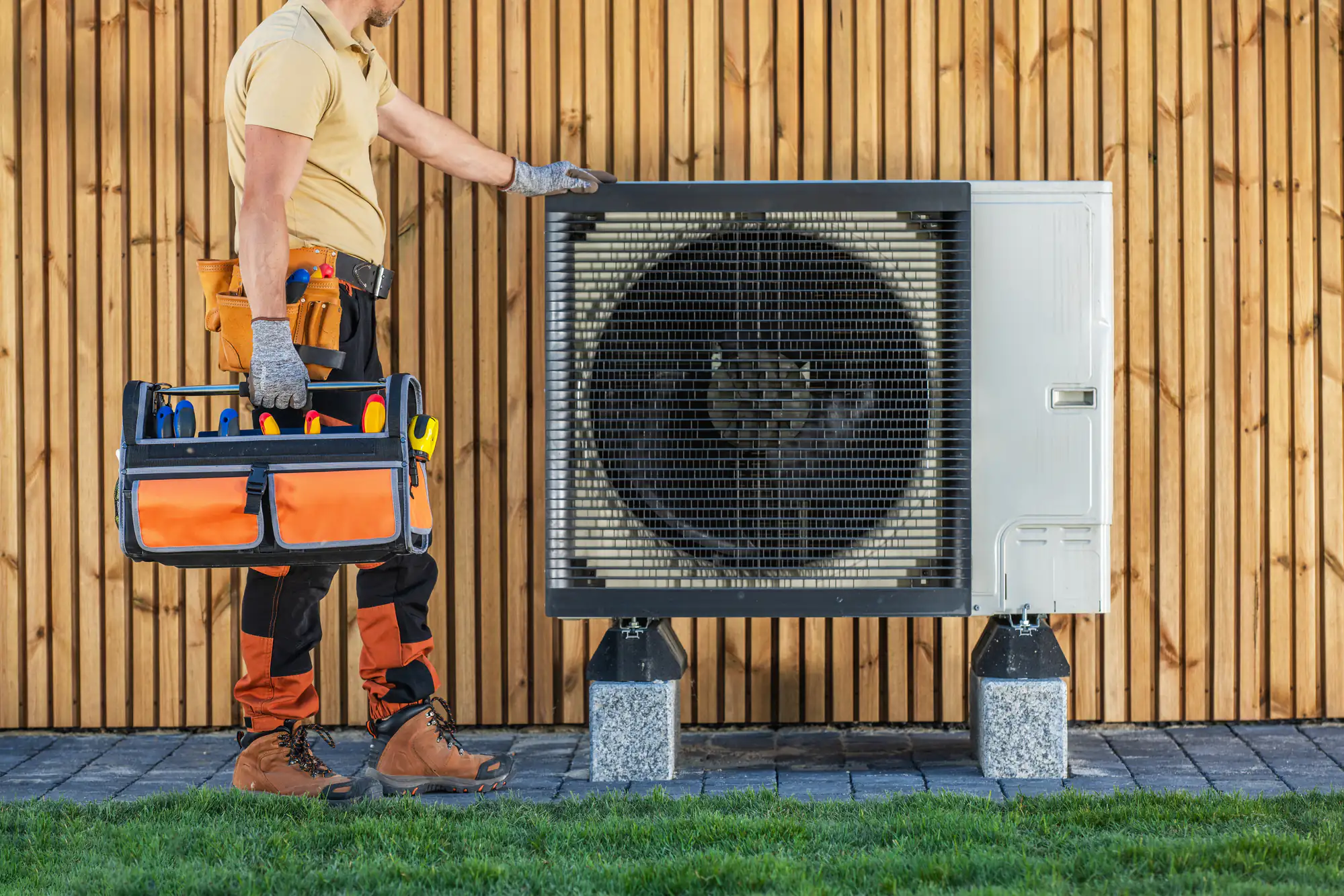
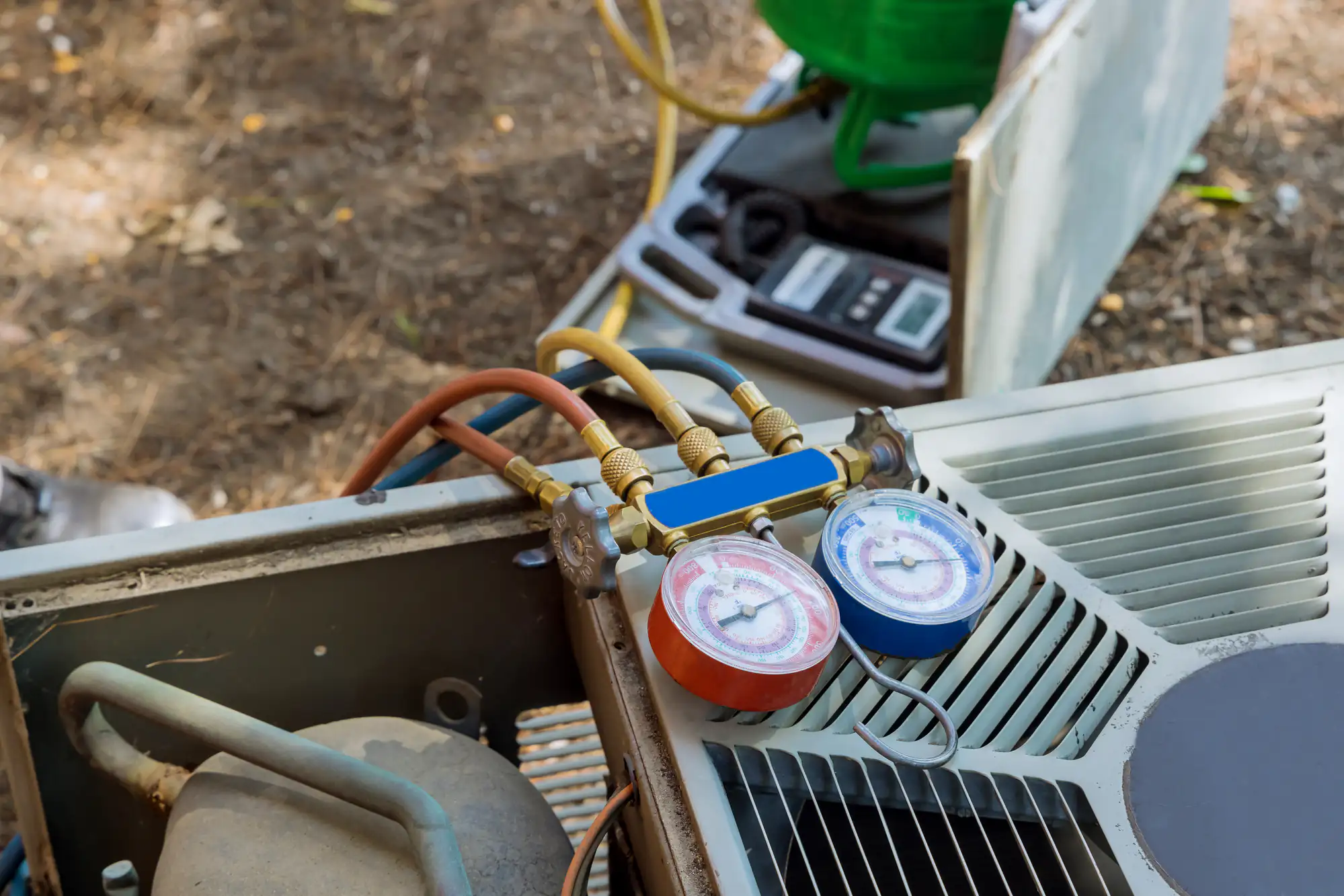
Air conditioning repair when your compressor fails in August. Furnace installation before the next polar vortex hits. Ductless mini-splits for additions or rooms that never get comfortable. Indoor air quality solutions if allergies are worse inside than outside.
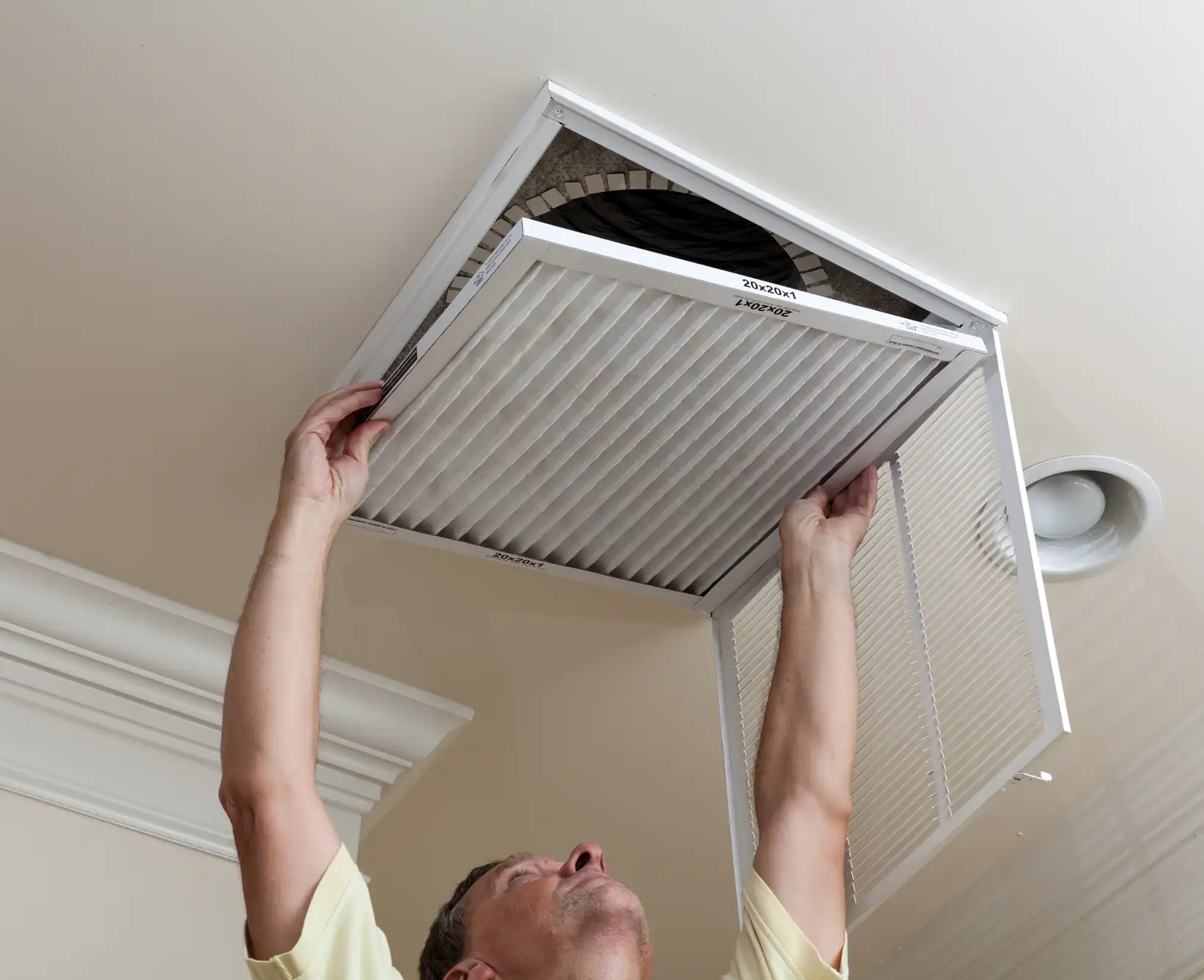
We also handle the maintenance most people skip until something breaks. Seasonal tune-ups catch the small problems before they become expensive ones. Filters, coils, refrigerant levels, electrical connections—we check it all. Most systems last 15 to 20 years, but only if they’re maintained. Skip the service, and you’re looking at replacement in half that time.
Westhampton homeowners are also dealing with rising energy costs. National Grid rates went up again this year, and older systems waste 40% of what they use. Upgrading to a high-efficiency heat pump or ENERGY STAR-rated system can cut your annual costs by $300 to $900. Add in the federal tax credits—up to $2,000 for qualifying heat pumps—and the math starts to make sense.
We work with Trane, Goodman, and Lennox because they back their equipment with real warranties and we’ve seen them hold up in coastal conditions. If your current system is past its prime or costing more to fix than replace, we’ll tell you straight.
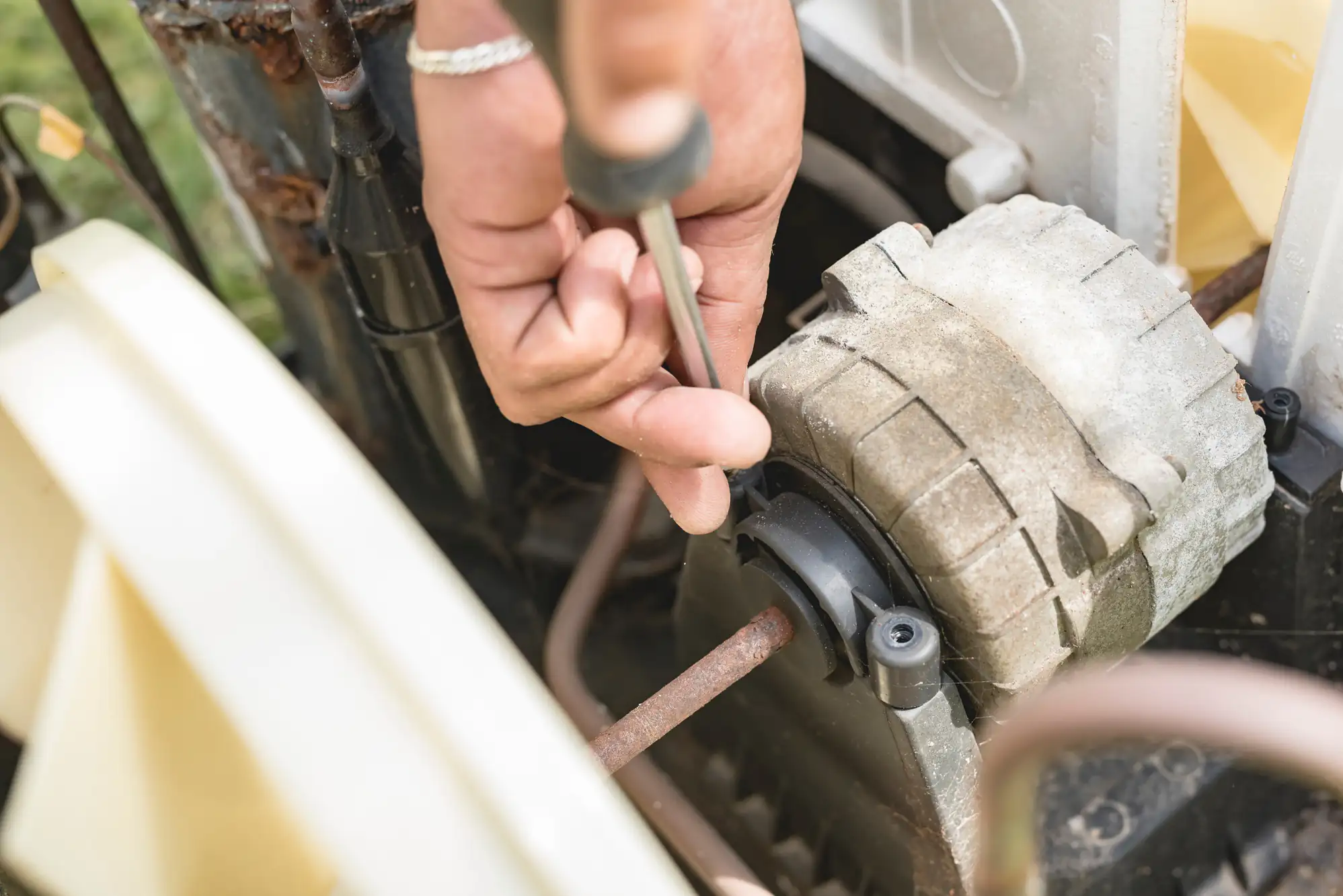
If your system is under 10 years old and the repair costs less than half the price of a new unit, fixing it usually makes sense. If it’s older than 15 years, breaking down multiple times a season, or the repair estimate is creeping toward $2,000 or more, replacement is the smarter move.
Here’s the other thing: efficiency standards have changed. A system installed in 2008 uses significantly more energy than what’s available today. So even if the repair is affordable, you might be throwing money at a system that’s costing you $500+ extra per year just to run.
We’ll give you both options with real numbers. What it costs to fix, how long that fix will likely last, and what replacement would run you with estimated savings. Then you decide what makes sense for your situation.
A proper tune-up includes cleaning or replacing filters, checking and tightening electrical connections, testing thermostat accuracy, inspecting the heat exchanger for cracks, lubricating moving parts, and measuring airflow and combustion efficiency. For AC, we also check refrigerant levels and clean the condenser coils.
Is it necessary? If you want your system to last its full lifespan, yes. Skipping annual maintenance is the fastest way to turn a 20-year furnace into a 10-year furnace. Dirt buildup alone can reduce efficiency by 15%. A loose electrical connection can cause a compressor to fail. A small crack in the heat exchanger can become a carbon monoxide risk.
Most manufacturers also require proof of annual maintenance to honor warranties. So if your compressor fails in year eight and you haven’t had it serviced, you might be paying out of pocket for a repair that should’ve been covered.
Simple fixes—replacing a capacitor, cleaning a clogged drain line, or recharging refrigerant—usually run $150 to $500. Mid-range repairs like replacing a blower motor or fixing a refrigerant leak cost $500 to $1,200. Major component failures—compressor, evaporator coil, or condenser—can hit $1,500 to $3,000 depending on the system.
The real cost depends on what’s broken, how old the unit is, and whether parts are still available. Older systems sometimes require custom parts or workarounds that add to the price. If your system uses R-22 refrigerant (phased out in 2020), even a simple recharge can cost $100+ per pound because supply is limited.
We give you the price before we start the work. If the repair doesn’t make financial sense compared to replacement, we’ll tell you that too. No point fixing a 17-year-old system for $2,500 when a new one costs $4,000 and comes with a 10-year warranty.
Size isn’t about square footage alone—it’s about heat loss, insulation, window quality, ceiling height, and how your home is oriented to the sun. A 2,000-square-foot ranch with good insulation needs a different system than a 2,000-square-foot colonial with original single-pane windows.
Oversized systems are just as bad as undersized ones. Too big, and the unit short-cycles—turning on and off constantly without properly dehumidifying the air. Too small, and it runs nonstop trying to keep up, wearing out faster and never quite hitting the temperature you want.
We do a proper load calculation before recommending equipment. That means measuring your space, checking insulation levels, accounting for ductwork, and factoring in Westhampton’s coastal humidity. Then we match you with a system that fits your home’s actual needs, not just a generic estimate based on square footage.
If your current system is more than 12 years old, yes—significantly. Older units often run at 10 to 12 SEER (Seasonal Energy Efficiency Ratio). Modern high-efficiency systems hit 16 to 20+ SEER. That difference translates to 30% to 50% lower cooling costs depending on usage.
On the heating side, switching from an old furnace or oil system to a high-efficiency heat pump can cut heating costs even more. Heat pumps are now viable year-round in New York’s climate, and they qualify for federal tax credits up to $2,000. Add in potential utility rebates, and the payback period is shorter than most people expect.
We’ve seen Westhampton homeowners drop their summer electric bills by $100 to $200 per month after upgrading from a 15-year-old system to a modern variable-speed unit. Over the 15-to-20-year lifespan of the new equipment, that’s $20,000 to $40,000 in savings. The upfront cost matters, but so does what you’re spending every month to keep the old system running.
Yes. Emergency service means we’re available 24/7, including weekends and holidays. If your heat goes out at 11 p.m. on a Saturday in January, we answer the phone and get someone to your home—not next week, that night.
Emergency calls do cost more than scheduled service because we’re pulling a technician off-hours and prioritizing your job over everything else. But if it’s the middle of winter and your house is dropping into the 40s, waiting until Monday isn’t an option.
We also try to help you avoid emergencies in the first place. That’s what maintenance plans are for—catching problems during a scheduled visit instead of at the worst possible time. But when something does fail unexpectedly, we’re not the company that tells you to wait three days. We show up, diagnose the problem, and get your system running again.