Hear from Our Customers
You know the drill. It’s 95 degrees outside, your walk-in cooler starts making that clicking sound, and suddenly you’re staring at thousands of dollars in spoiled inventory. Or your yacht’s air conditioning dies during the hottest weekend of summer, turning your vessel into a floating sauna.
That’s where we come in. For over four decades, we’ve been the company Long Island businesses call when their commercial HVAC and refrigeration systems decide to quit at the worst possible moment. We don’t just fix problems – we prevent the disasters that cost you money, customers, and sleep.
When your systems work properly, your business runs smoothly. Food stays fresh, customers stay comfortable, and you stay profitable. That’s not just our job – it’s our specialty.
We’ve been fixing air conditioners and refrigeration systems across Suffolk County since before most of our competitors were even in business. We started right here in the Greater New York area when our biggest challenge was beating traffic on Sunrise Highway to reach job sites.
What sets us apart isn’t just experience – it’s specialization. While other HVAC companies dabble in commercial work, we live it. From airports and catering halls to restaurants and yacht clubs, we understand the unique demands each business faces. We know that a busy restaurant in Islip needs different cooling capacity than a retail store, even if they’re the same square footage.
The marine side of our business makes us truly unique on Long Island. Salt air, tight spaces, and seawater cooling systems present challenges that land-based technicians simply don’t understand. We do, and we’ve earned the trust of yacht clubs and boat owners throughout the region because of it.
First, we listen. You tell us what’s broken, what’s not working right, or what you need installed. We ask the right questions because proper diagnosis saves time and money. No guessing, no unnecessary work.
Next, we assess your specific situation. Every business is different. A deli dealing with constant door openings during lunch rush has different needs than a catering hall preparing for weekend events. We measure peak usage, account for door openings, factor in ambient temperature, and design systems that handle your busiest days without overworking the equipment.
Then we fix it right the first time. Our trucks stay stocked with common parts for major brands – compressors, thermostats, door seals, fan motors. About seventy percent of our emergency calls get resolved on the spot. The rest get temporary solutions to keep you running while we order specialized parts.
Installation includes everything – electrical connections, permits, health department compliance, staff training, and maintenance scheduling. You get one point of contact and one company responsible for the entire project from start to finish.
Ready to get started?
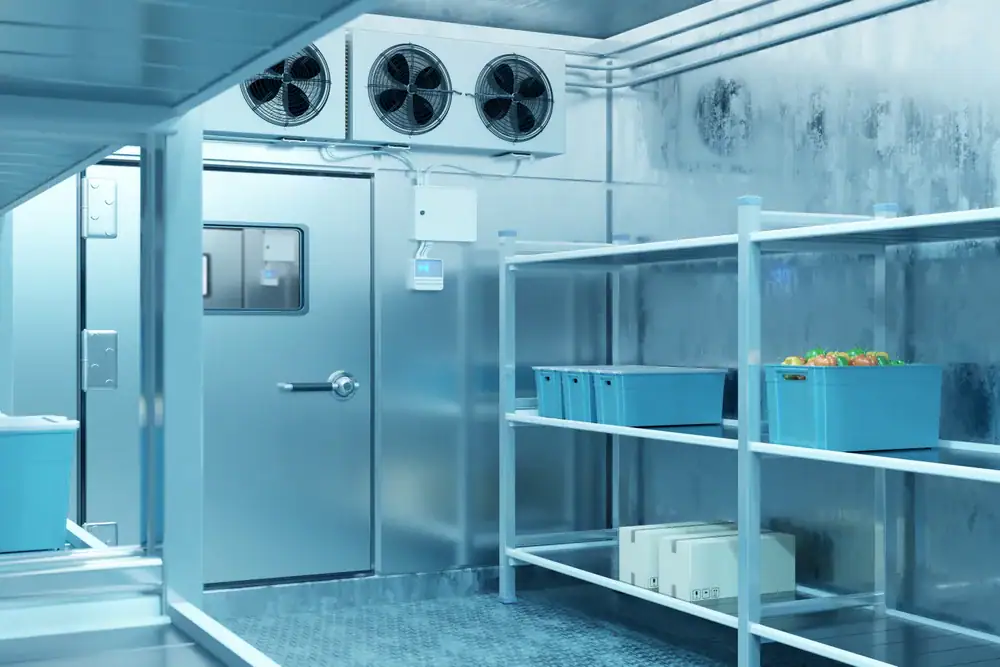
Our service covers the full spectrum of commercial HVAC and refrigeration needs. Walk-in coolers and freezers, reach-in refrigerators, ice machines, display cases, and complete HVAC systems for any size commercial space. We handle installations, emergency repairs, preventive maintenance, and system upgrades.
The marine side includes everything from small cabin refrigerators to large yacht galley systems. Chilled water systems, self-contained units, and the specialized components that make marine HVAC different from land-based systems. We understand seawater cooling, space constraints, and the corrosion challenges that come with marine environments.
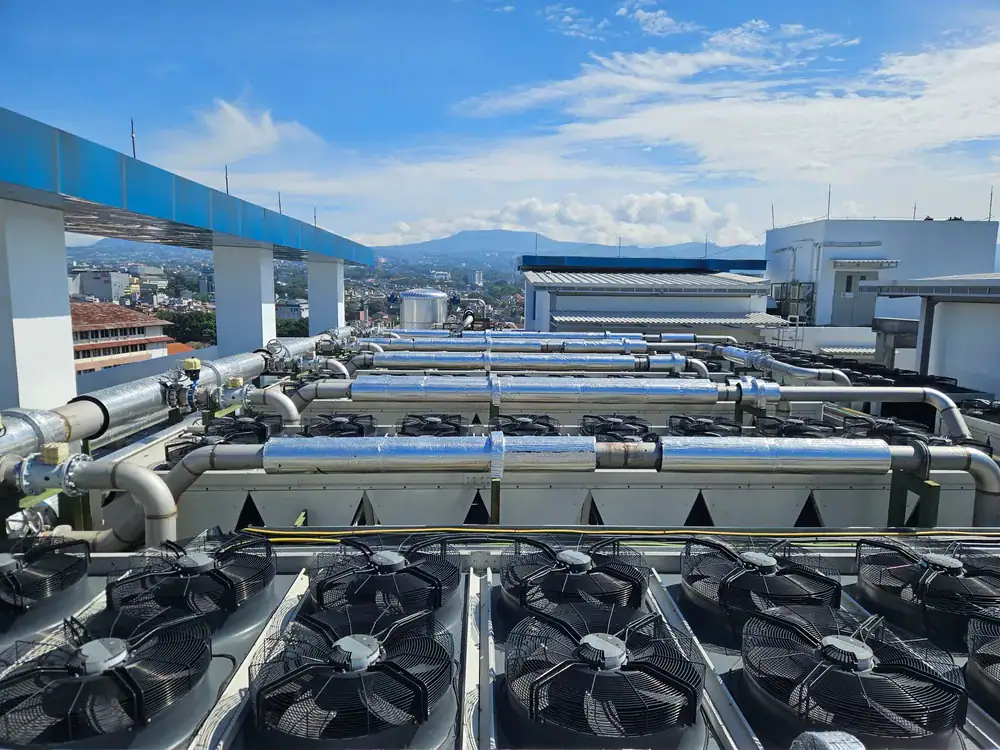
For Islip businesses, this means comprehensive service from one trusted company. Whether you’re running a restaurant on Main Street, managing a marina, or operating a catering facility, we have the expertise and equipment to keep your systems running efficiently. Long Island’s climate is tough on refrigeration equipment – our humid summers make condensers work overtime, and proximity to the ocean means salt air constantly attacks outdoor components. We factor these local conditions into every installation and maintenance plan.
Emergency response is what separates us from companies that treat commercial work as a side business. We maintain 24/7 emergency service throughout Suffolk County because refrigeration and HVAC problems don’t wait for convenient business hours.
When you call our emergency line, you talk directly to a technician who can walk you through immediate steps while we’re driving to your location. Our trucks stay stocked with the most common repair parts, which means about seventy percent of emergency calls get resolved the same day. For the remaining thirty percent, we provide temporary solutions to keep you operational while ordering specialized components.
Response times vary based on location and current call volume, but we prioritize calls based on business impact. A walk-in cooler failure during Saturday dinner service gets immediate response because every hour costs you money and potentially customers.
Marine systems are actually more complex than land-based commercial refrigeration because of space constraints, power limitations, and saltwater corrosion. Unlike regular HVAC systems that use air cooling, marine systems are seawater cooled, which means proper seawater flow is absolutely critical for operation.
The installation challenges are significant. Systems often get installed in hard-to-reach areas, making routine maintenance difficult. Components must be marine-grade to handle the corrosive saltwater environment. Electrical work requires tinned wire and proper marine-grade connections – standard hardware store materials will fail quickly in marine applications.
We also handle the specialized requirements like seacocks, through-hull fittings, and sea strainers that must be inspected and maintained regularly. Most marine systems include dehumidification and reverse cycle heating capabilities that require proper setup and calibration. This isn’t work for general HVAC technicians – it requires specialized knowledge and experience with marine applications.
Professional maintenance should happen at least twice per year for most commercial refrigeration equipment. Businesses with high-volume usage or older units benefit from quarterly inspections to prevent unexpected breakdowns that can cost thousands in lost inventory and emergency repairs.
The maintenance schedule depends on your specific situation. Restaurants along the water dealing with salt air need more frequent coil cleanings – sometimes quarterly just to survive. Delis with constant door openings during lunch rush need regular door gasket and hinge adjustments to maintain proper seals.
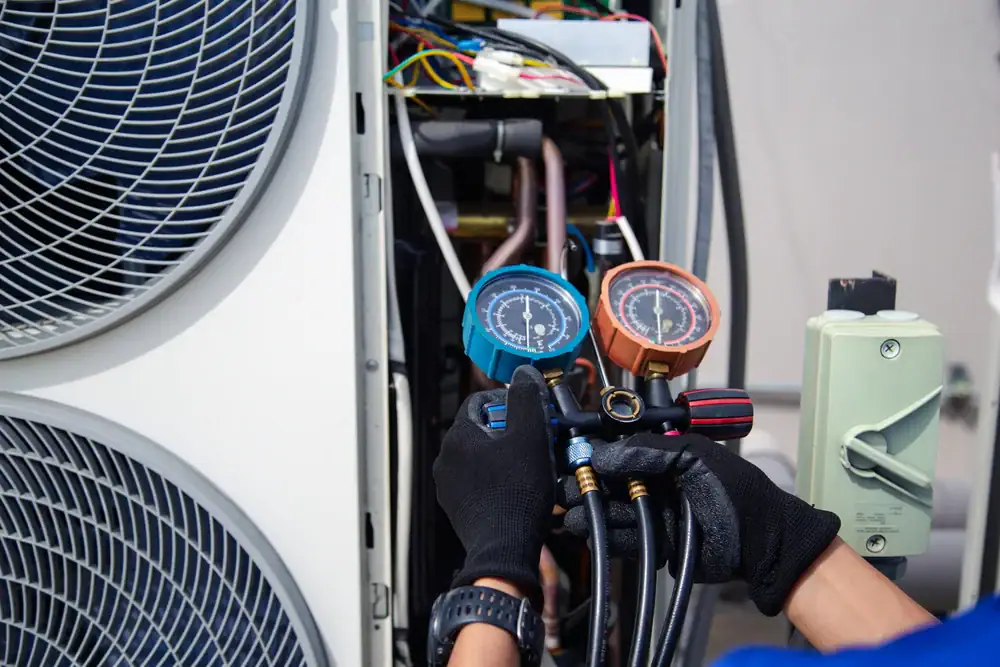
Professional maintenance includes cleaning condenser coils, checking refrigerant levels, testing thermostats, inspecting door seals, and calibrating temperature controls. Your staff should handle daily temperature monitoring, keeping interior surfaces clean, and ensuring door seals close properly. The big money-saver is keeping condenser coils clean – dirty coils make compressors work forty percent harder and fail years earlier than properly maintained equipment.
Temperature inconsistency is usually the first warning sign. If your walk-in cooler isn’t maintaining consistent temperature or your dining area feels warmer than usual, something’s developing. Don’t wait until it completely fails – early intervention saves money and prevents emergency situations.
Strange noises are another red flag. That subtle clicking sound from a reach-in cooler usually means the compressor is cycling too frequently. Unusual odors, visible oil residue around fittings, or hissing sounds all indicate developing problems that need professional attention before they become expensive emergencies.
For marine systems, watch for reduced cooling capacity, especially during hot weather when systems work hardest. If your yacht’s air conditioning struggles to keep up on days when it previously handled the load easily, the system likely needs service. Power consumption changes can also indicate developing problems – if your electrical usage increases without explanation, have the system checked.
Absolutely, and this is where working with experienced commercial specialists makes a huge difference. We handle all permit applications and coordinate with local health departments to ensure installations meet current codes and regulations. This isn’t just paperwork – it’s protecting your business from fines and closure orders.
Suffolk County health department requirements are specific about refrigeration installations, drainage systems, and temperature monitoring. We ensure proper drainage for condensate because nobody wants slip-and-fall liability issues. We calculate proper ventilation to prevent heat buildup and coordinate with electricians to ensure adequate power supply.
Part of our service includes staff training on proper system operation and basic troubleshooting. We also provide documentation and temperature logging systems that health inspectors expect to see. When inspection time comes, you’ll have everything properly documented and systems operating within required parameters. This attention to compliance details is what separates professional commercial service from companies that treat health department requirements as an afterthought.
Energy efficiency directly impacts your bottom line, especially with PSEG Long Island’s commercial rates. Modern high-efficiency equipment often pays for itself through reduced operating costs, but proper sizing and installation are critical for achieving advertised efficiency ratings.
The Department of Energy’s new 2025 conservation rules require a fifteen percent jump in equipment efficiency by 2029, which means older systems will become increasingly expensive to operate. Many businesses are proactively upgrading to avoid the rush and take advantage of current utility rebate programs while they’re still available.
For Long Island businesses, efficiency considerations include our humid climate and proximity to salt air. Systems work harder here than in drier climates, so proper maintenance becomes even more critical for maintaining efficiency. Regular coil cleaning, proper refrigerant levels, and well-sealed door gaskets can mean the difference between reasonable operating costs and budget-busting utility bills. We help businesses develop maintenance schedules that preserve efficiency and extend equipment life.