Hear from Our Customers
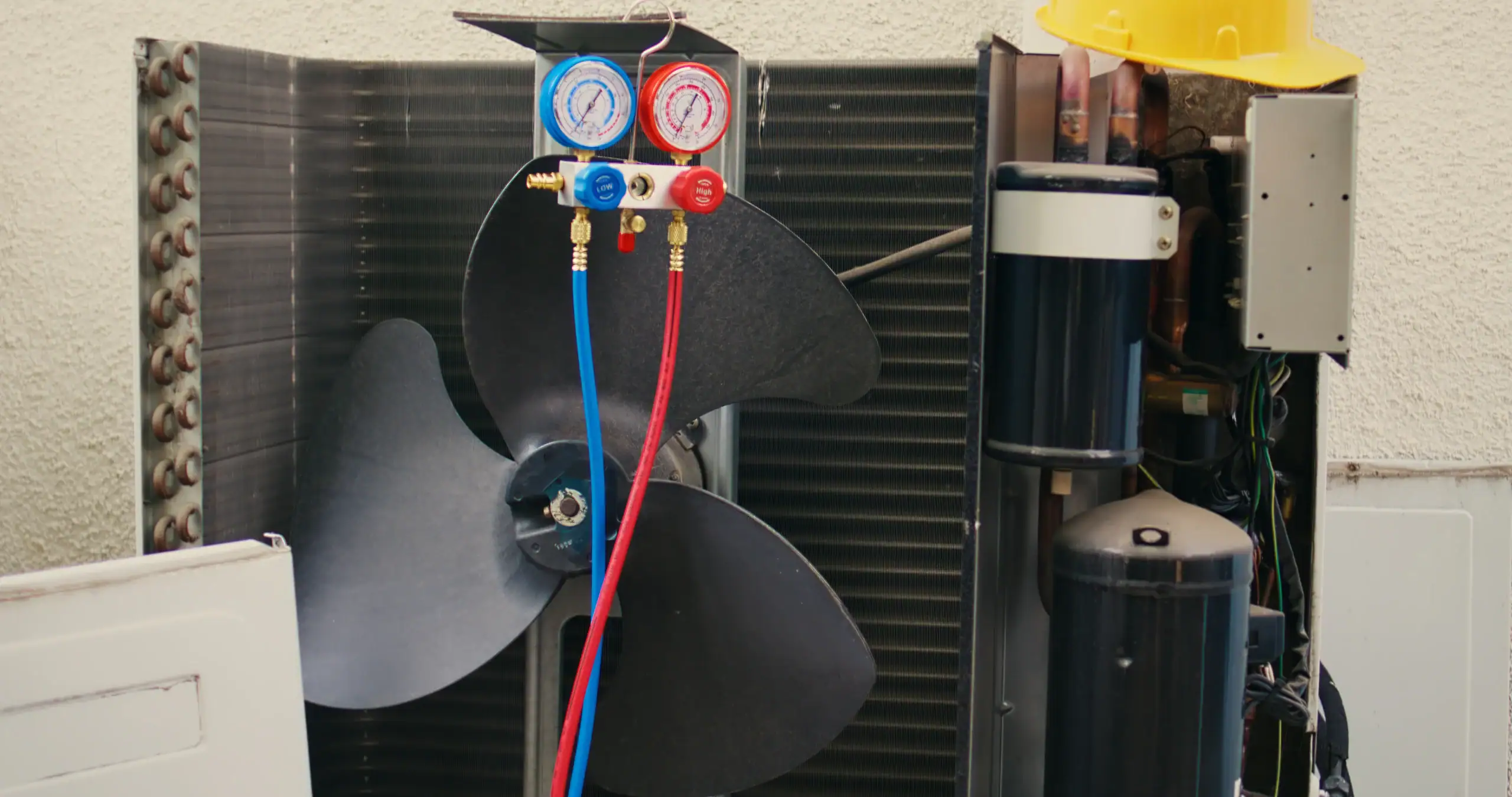
Your drinks stay cold during that weekend in Montauk. Your food doesn’t spoil when you’re anchored for three days. Your batteries aren’t drained by a system fighting itself.
That’s what happens when marine refrigeration is installed and maintained by people who understand the unique demands of saltwater environments. Unlike your home refrigerator, boat systems deal with constant motion, limited power, and the corrosive effects of salt air.
Most boat owners don’t realize their refrigeration problems stem from poor insulation, inadequate power supply, or systems not designed for marine environments. When these issues are addressed properly, you get reliable cooling without the constant worry about whether your system will work when you need it most.
We’ve been solving marine refrigeration challenges across the Greater New York area for over four decades. We specialize in both commercial refrigeration and marine HVAC systems, serving everyone from Amagansett yacht owners to airport facilities.
What sets us apart is our deep understanding of marine environments. We know that boat refrigeration isn’t just smaller home refrigeration – it requires different materials, different installation techniques, and different maintenance approaches.
The Hamptons boating community presents unique challenges. Seasonal use, saltwater exposure, and the need for reliable systems during peak summer months require expertise that goes beyond basic HVAC knowledge. We provide 24/7 consulting and emergency service because we understand that refrigeration failures don’t wait for convenient business hours.
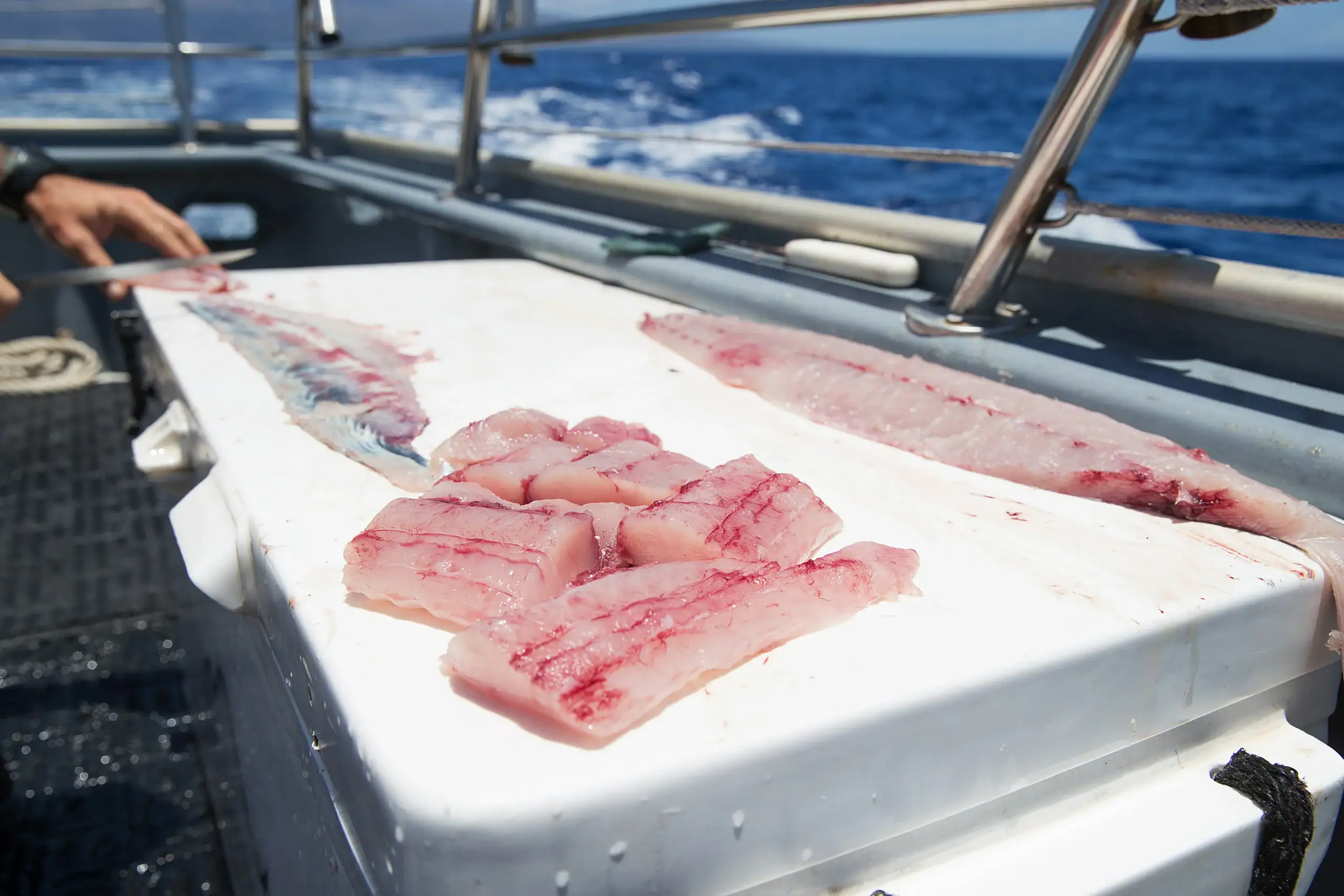
First, we assess your boat’s specific requirements – power availability, space constraints, and cooling needs. This isn’t a one-size-fits-all situation. A 30-foot cruiser has different requirements than a 60-foot yacht.
Next comes the technical work. Proper marine refrigeration requires through-hull installations, seawater pumps, adequate insulation, and electrical systems that can handle the load without draining your batteries. We use marine-grade materials designed to withstand saltwater corrosion.
Installation includes setting up proper drainage, ensuring adequate ventilation, and configuring the system for optimal efficiency. The goal is a system that keeps your food cold without consuming excessive power – critical when you’re relying on battery power for extended periods.
After installation, we test everything thoroughly and provide maintenance guidance. Marine refrigeration systems need regular attention, especially during Amagansett’s active boating season when saltwater exposure and constant use put additional stress on components.
Ready to get started?
Complete system evaluation covers electrical connections, refrigerant levels, insulation effectiveness, and component wear. In the Hamptons marine environment, saltwater corrosion and seasonal temperature fluctuations create specific maintenance needs that require specialized attention.
Regular maintenance includes cleaning condenser coils, checking door seals, inspecting electrical connections, and testing system efficiency. During Amagansett’s humid summers, marine growth becomes particularly active, requiring more frequent strainer checks and system monitoring.
Emergency repair services address common issues like refrigerant leaks, compressor failures, and power supply problems. These systems often fail at the worst possible times – during extended trips or peak summer heat. Having access to 24/7 service means you’re not stuck with spoiled food and uncomfortable conditions.
We also provide system upgrades and efficiency improvements. Many older marine refrigeration systems consume excessive power or struggle to maintain proper temperatures. Modern systems can provide better cooling while using less battery power – crucial for extended anchoring or when generator use is limited.
This usually indicates one of several issues common in marine environments. Poor door seals allow warm, humid air to enter continuously, forcing the system to work overtime. Inadequate insulation lets heat infiltrate the refrigerated space faster than the system can remove it.
Power supply problems also cause this issue. Marine refrigeration systems need consistent voltage to operate efficiently. If your batteries can’t provide adequate power, or if there’s resistance in the wiring, the compressor struggles to maintain proper cooling cycles.
Another common cause is dirty condenser coils or blocked ventilation. Salt air and marine growth can clog these critical components, preventing proper heat rejection. The system runs constantly trying to achieve temperatures it can’t reach due to poor heat exchange.
Power consumption varies significantly based on system size, efficiency, and installation quality. A properly sized and installed marine refrigeration system typically runs 8-12 hours per day in normal conditions, consuming 40-80 amp hours depending on capacity.
Poor insulation, inadequate ventilation, or oversized systems can double or triple power consumption. This is why proper sizing and installation are crucial – an inefficient system can drain your batteries quickly, especially during extended anchoring periods.
Modern marine refrigeration systems with variable-speed compressors and improved insulation use significantly less power than older units. When evaluating power consumption, consider both the system’s efficiency rating and the quality of installation, including insulation and electrical connections.
Saltwater environments require more frequent maintenance than freshwater boating. Strainers should be checked every few weeks during active boating season, as marine growth can quickly block water flow to condensers. Return air filters need monthly inspection and cleaning.
Electrical connections require regular attention due to salt air corrosion. Loose or corroded connections create resistance, forcing the system to work harder and potentially causing component failure. All connections should be cleaned and tightened regularly.
Condenser coils need periodic cleaning to remove salt buildup and marine growth. Door seals should be inspected for proper closure and cleaned to prevent mold growth. During winter storage, proper winterization prevents freeze damage and extends system life.
While some boat owners attempt DIY installation, marine refrigeration involves complex electrical work, through-hull installations, and refrigerant handling that requires specialized knowledge and tools. Improper installation can result in system failure, excessive power consumption, or even safety hazards.
Professional installation ensures proper sizing, adequate insulation, correct electrical connections, and compliance with marine standards. We understand the unique challenges of marine environments, including vibration, corrosion, and space constraints that don’t exist in residential applications.
The cost difference between professional and DIY installation often disappears when you factor in the tools needed, potential mistakes, and warranty considerations. Professional installation typically includes warranties on both equipment and labor, providing protection for your investment.
Several signs indicate replacement may be more cost-effective than continued repairs. If your system requires frequent refrigerant additions, the compressor likely has internal damage or multiple leaks that make repair impractical. Constant running without adequate cooling suggests fundamental efficiency problems.
Age is another factor. Systems over 15 years old often consume significantly more power than modern units while providing less reliable cooling. If your current system draws excessive amperage or struggles to maintain temperatures, replacement with a modern, efficient unit often pays for itself through reduced power consumption.
Consider replacement if repair costs approach 50% of a new system’s price. Modern marine refrigeration systems offer better efficiency, quieter operation, and improved reliability compared to older units, making replacement a smart long-term investment.
Proper sizing depends on multiple factors beyond just boat length. Interior volume, insulation quality, typical usage patterns, and available power all influence sizing requirements. A poorly insulated 40-foot boat may need more cooling capacity than a well-insulated 50-footer.
Climate conditions also matter. Boats used primarily in hot, humid environments like the Hamptons summers need adequate capacity to handle high ambient temperatures and humidity levels. Undersized systems run constantly and consume excessive power while struggling to maintain proper temperatures.
Professional sizing calculations consider heat load from the sun, occupants, equipment, and food storage requirements. We also factor in your boat’s electrical capacity and typical usage patterns. Proper sizing ensures efficient operation without overtaxing your electrical system or undersizing for your actual needs.