Hear from Our Customers
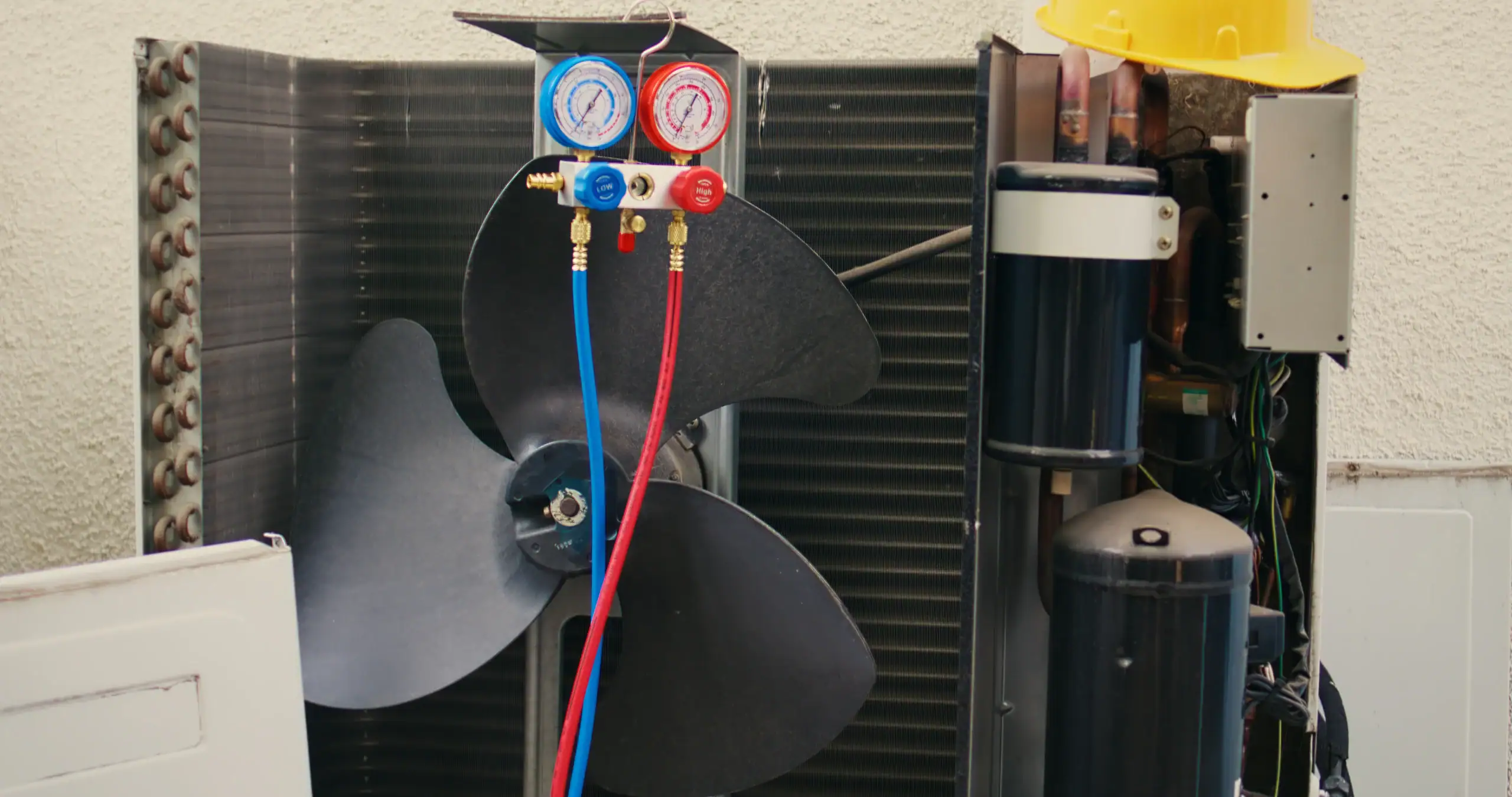
Your boat’s refrigeration just failed. Again. Or your marine AC is blowing hot air on the hottest day of summer. You’ve already lost a weekend, maybe more. And the last tech you called didn’t know the difference between a residential compressor and a marine system built to handle constant motion and corrosive salt air.
That’s the problem with most HVAC companies. They know houses, not boats.
Marine refrigeration and boat air conditioning aren’t just smaller versions of home systems. They run on DC power while you’re cruising. They fight salt buildup, vibration, and temperature swings that would kill a residential unit in weeks. And when they fail, you’re not just uncomfortable—you’re dealing with spoiled food, ruined trips, and a vessel you can’t use.
You need someone who knows how to diagnose a high-pressure fault without guessing. Someone who understands condenser coils, sea strainers, and why your system keeps tripping. Someone who shows up when they say they will and doesn’t waste your time.
We’ve been handling marine refrigeration and boat HVAC in Atlantic Beach, NY and across Long Island for over four decades. We’re not a residential company that dabbles in marine work. This is what we do.
Our team serves everyone from yacht owners at local marinas to commercial operations that can’t afford downtime—airports, restaurants, catering halls. We’ve built our reputation on being available when it counts, communicating clearly, and actually fixing the problem instead of just replacing parts and hoping.
Atlantic Beach boat owners deal with unique challenges. The salt air here accelerates corrosion. The summer heat pushes systems to their limits. And when you’re ready to take your boat out, you need it working—not sitting at the dock waiting for a tech who may or may not show up. We get that. It’s why we offer 24/7 consulting, free estimates, and mobile service that comes directly to you.
First, we listen. You tell us what’s happening—whether your boat refrigeration isn’t holding temperature, your marine AC is making strange noises, or you’re seeing error codes you don’t understand. We ask the right questions because we’ve diagnosed these systems thousands of times.
Then we come to you. No need to haul your boat anywhere or wait weeks for an appointment. We bring our tools, parts, and expertise directly to your dock or marina. We assess the system properly—checking not just the obvious stuff, but sea strainers, condenser coils, refrigerant levels, and all the marine-specific components that matter.
Once we know what’s wrong, we explain it in plain language. No technical jargon meant to confuse you. No upselling services you don’t need. Just a clear explanation of the problem, what it’ll take to fix it, and what it’ll cost. You decide if you want to move forward.
If it’s a repair, we handle it right there. If it’s a replacement or upgrade, we walk you through your options and make sure you get a system that actually fits your boat’s needs and your usage patterns. Then we test everything, make sure it’s running properly, and show you it’s working before we leave.
Ready to get started?
Marine refrigeration maintenance means more than just a quick look and a thumbs up. We’re checking refrigerant levels, inspecting for leaks that are common in marine environments, cleaning condenser coils that get hammered by seawater debris, and making sure your compressor isn’t working harder than it should.
For boat air conditioning, we’re diagnosing high-pressure faults, testing pumps, checking evaporator coils for dust and salt buildup, and ensuring your system can handle both AC power at the dock and DC power while you’re out on the water. Atlantic Beach, NY boats face constant exposure to salt air, which means corrosion isn’t a question of if—it’s when. We know where to look and how to prevent small issues from becoming expensive failures.
Installation work gets the same attention. Whether you’re upgrading an old system or adding marine HVAC to a boat that never had it, we size everything correctly, use marine-grade components that can handle the environment, and install it so it looks factory—not like an afterthought.
And because we’ve been doing this for 40+ years across both marine and commercial applications, we’ve seen just about every scenario. Custom cooling solutions, complex beer systems for commercial clients, refrigeration setups that other companies said couldn’t be done—we handle it. That experience means we solve problems faster, waste less of your time, and get it right the first time.
At minimum, twice a year. Ideally, you want a pre-season check before summer starts and another service mid-season or before winter storage. Marine refrigeration systems take a beating that home units never see—constant motion, salt air, temperature swings, and limited power availability.
If you use your boat heavily or live aboard, quarterly maintenance makes more sense. That’s when we catch small issues like minor refrigerant leaks or early signs of corrosion before they turn into complete system failures.
The goal isn’t just keeping things running. It’s avoiding that moment when your refrigeration dies on a Saturday morning and you’re stuck at the dock instead of on the water. Prevention is always cheaper than emergency repairs.
High-pressure faults are one of the most common issues we see with marine air conditioning, and they usually point to a few specific problems. First, check your water flow. If your sea strainer is clogged with debris or marine growth, your system can’t cool the refrigerant properly, which triggers the fault.
Air flow matters too. If your evaporator coils are covered in dust or salt buildup, or if your air filters are dirty, the system works harder than it should and overheats. Sometimes it’s a failing pump that isn’t moving enough water through the condenser.
And if your refrigerant is low—usually from a leak somewhere in the system—that’ll cause high-pressure issues too. The tricky part is that low refrigerant in a marine system often means broader corrosion problems. At that point, you’re usually better off replacing the unit than chasing leaks, especially if it’s more than five years old.
Technically, maybe. Should they? Probably not. Marine refrigeration and HVAC systems are fundamentally different from residential units, and a tech who doesn’t understand those differences can cause more problems than they solve.
Marine systems run on DC power while cruising and AC power at the dock. They’re built to handle constant vibration and motion. They use marine-grade components designed to resist salt air corrosion. The installation requirements are different. The troubleshooting is different. Even the brands and parts are specialized.
A residential HVAC tech might look at your boat’s system and not know where to start. They might misdiagnose the issue, use the wrong parts, or miss marine-specific problems like sea strainer clogs or through-hull fitting issues. Worse, improper work on a boat can create safety hazards that don’t exist in a house.
You want someone who’s worked on boats before, understands the marine environment, and knows the difference between a Dometic marine unit and a home refrigerator. That’s not most HVAC companies.
In ideal conditions with proper maintenance, you might get 10 to 15 years out of a quality marine refrigeration system. Realistically, most boat owners are looking at replacements closer to the 8 to 10-year mark, sometimes sooner if the boat sees heavy use or the system wasn’t maintained well.
The marine environment is brutal on these systems. Salt air accelerates corrosion. Constant motion wears on components. Temperature extremes stress the compressor. And if the boat sits unused for long periods, that creates its own set of problems.
Once a system hits that 5 to 7-year range and starts having major component failures—compressor issues, repeated refrigerant leaks, condenser problems—you’re often better off replacing it than sinking money into repairs. Newer systems are more efficient, quieter, and use less power, which matters when you’re running on batteries.
If you’re getting frequent repairs, if the system can’t hold temperature anymore, or if it’s running constantly and draining your batteries, those are signs it’s time to start thinking about replacement rather than another band-aid fix.
Self-contained units are exactly what they sound like—everything’s in one box. The compressor, evaporator, and condenser are all together in a single unit that you install in one location. They’re compact, easier to retrofit into existing spaces, and generally simpler to maintain. For boats with one to three cabins, they’re usually the right choice.
Split systems separate the components. You’ve got a compressor and condenser in one location—usually the engine room—and individual air handlers in each cabin. They’re better for larger boats with multiple zones because you get more even cooling and better control over different areas.
The trade-off is complexity. Split systems require more installation work, more through-hull fittings or seacocks, and more potential points of failure. But if you’ve got a bigger vessel and you want consistent cooling throughout, they’re worth it.
For most Atlantic Beach, NY boat owners with typical cruisers or sportfishing boats, self-contained units make more sense. They’re reliable, efficient, and you’re not dealing with refrigerant lines running all over the boat. We’ll assess your specific setup and usage and recommend what actually fits your needs—not what’s most profitable for us to install.
Yes. We offer 24/7 consulting, and we understand that marine refrigeration and AC problems don’t wait for business hours. Your system fails on a Friday evening before a long weekend, or your boat’s refrigeration dies while you’re provisioned for a week-long trip. Those situations need immediate attention.
When you call us with an emergency, we assess the situation and determine what needs to happen. Sometimes we can walk you through a temporary fix over the phone. Other times, we need to get to your boat as quickly as possible to prevent further damage or salvage your trip.
We’re mobile, which means we come to your marina or dock—you’re not trying to figure out how to transport your boat somewhere. And because we’ve been doing this for 40+ years, we keep common marine parts in stock and on our trucks, which means less waiting around for parts to arrive.
Emergency service does come with premium pricing because we’re prioritizing your situation over scheduled work. But if you’re facing spoiled provisions, a ruined vacation, or a boat you can’t use, that’s usually a worthwhile trade-off. We’ll be upfront about costs before we start any work so you can make an informed decision.