Hear from Our Customers
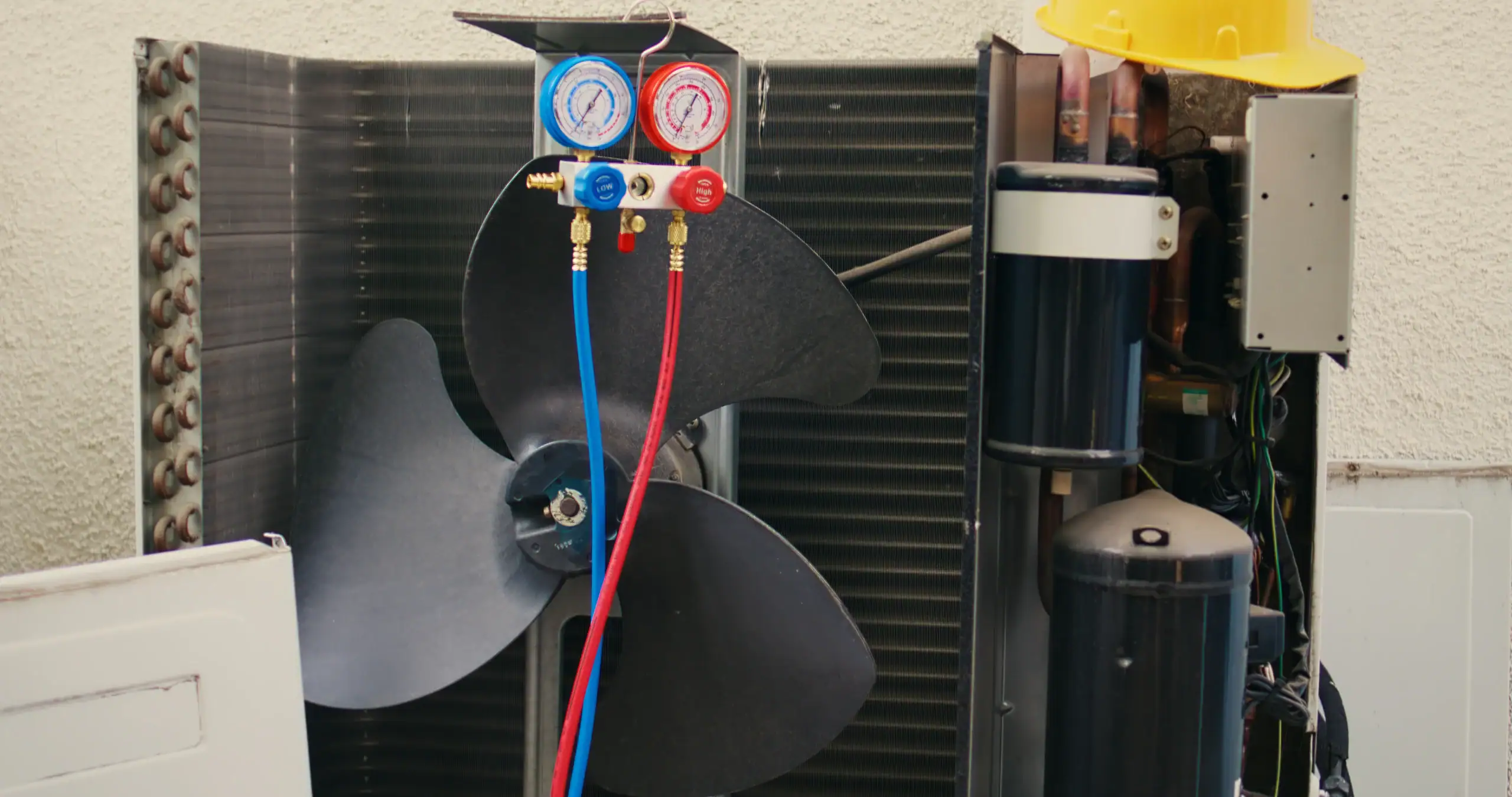
Your marine refrigeration works properly. Food stays fresh during weekend trips to Montauk. Drinks stay cold during those long summer days anchored in the Great South Bay.
No more wondering if your system will fail when you’re miles from shore. No more throwing out spoiled provisions because your boat’s cooling couldn’t handle the heat. Your refrigeration runs quietly and efficiently, drawing minimal power from your boat’s electrical system.
You get back to enjoying your time on the water instead of troubleshooting cooling problems or making emergency runs to marinas for ice.
We’ve been solving marine refrigeration challenges across Long Island for over 40 years. We’ve worked on everything from weekend fishing boats to commercial vessels, understanding exactly how marine cooling systems behave in real-world conditions.
We serve Bayport’s active boating community, where summer temperatures and extended trips demand reliable refrigeration. Our technicians know the unique challenges of Long Island waters – from the protected harbors of the Great South Bay to the open waters of the Atlantic.
Local boat owners trust us because we show up when promised, explain what’s wrong in plain terms, and fix it right the first time.
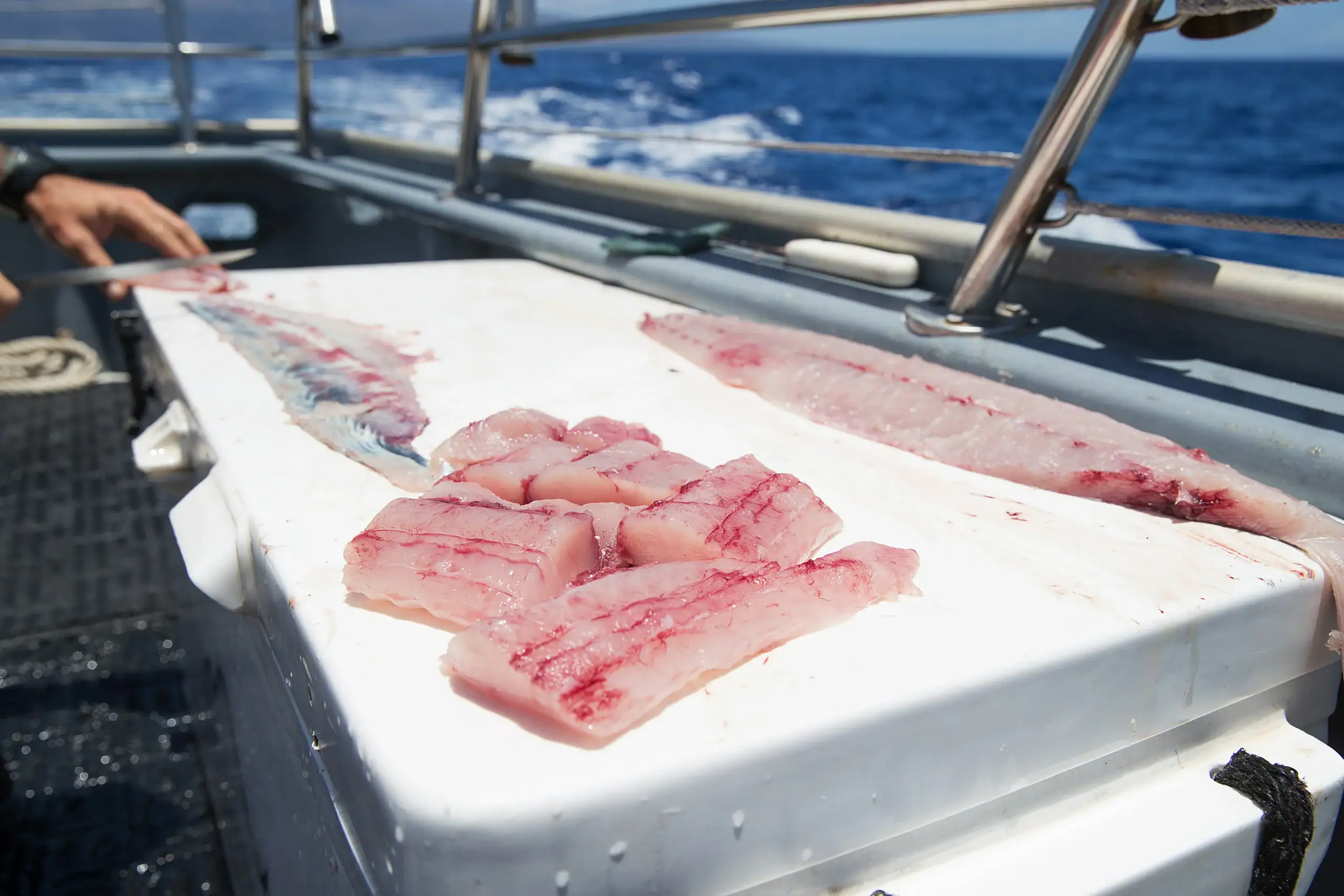
First, we assess your boat’s current setup and cooling needs. Every vessel is different – power limitations, space constraints, and usage patterns all factor into the right solution.
Next, we design a system that fits your specific requirements. This includes proper sizing, optimal placement, and integration with your boat’s electrical system. We handle all the technical details so you don’t have to become a marine refrigeration expert.
Installation happens efficiently with minimal disruption to your boating schedule. Our technicians test everything thoroughly before considering the job complete. You get a system that works reliably and instructions for basic maintenance to keep it running smoothly.
Ready to get started?
We handle all aspects of marine refrigeration and air conditioning for Bayport boat owners. This includes new installations, repairs, maintenance, and emergency service calls.
Long Island’s boating season puts serious demands on cooling systems. Summer temperatures regularly hit the 80s and 90s, while boats often sit in full sun with limited ventilation. Your marine refrigeration needs to handle these conditions while running efficiently on limited battery power.
We stock parts for major marine refrigeration brands and can source specialized components quickly. We understand the urgency when your cooling system fails during peak boating season, especially for boats that spend extended time away from shore power.
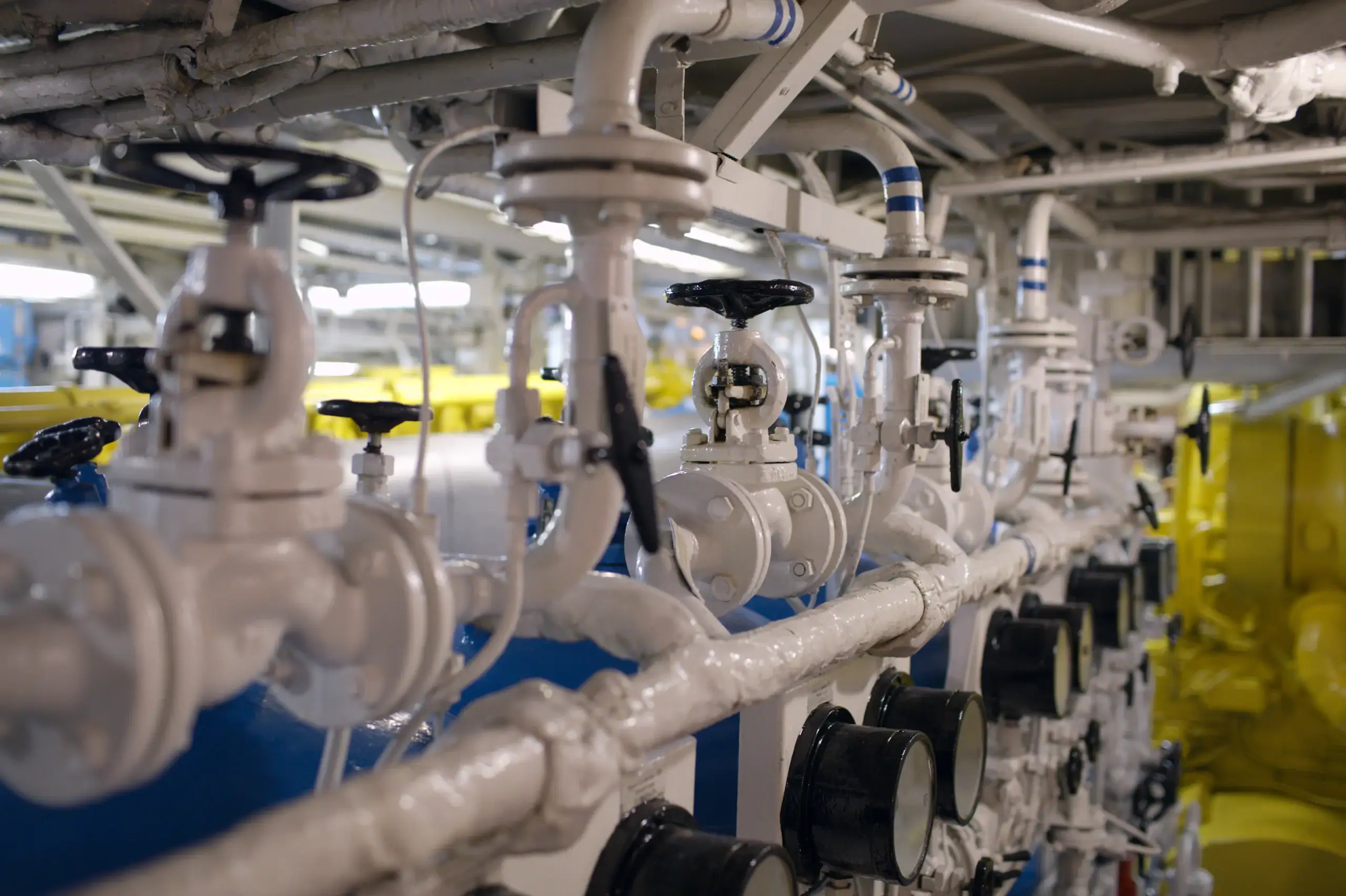
Most marine refrigeration systems benefit from annual maintenance, typically performed during spring commissioning or fall winterization. Long Island’s marine environment is particularly demanding on cooling systems due to salt air, temperature fluctuations, and extended usage during summer months.
Annual service includes cleaning condenser coils, checking refrigerant levels, inspecting electrical connections, and testing system performance. Boats that spend significant time in saltwater or operate their refrigeration heavily may need more frequent attention.
Regular maintenance prevents the majority of emergency breakdowns and extends system life significantly. It’s much less expensive than emergency repairs when your system fails during a weekend trip to Fire Island or Montauk.
High pressure faults typically result from restricted airflow or water flow through the system. In marine applications, this often happens when condenser coils become clogged with salt buildup, debris, or marine growth.
Raw water intake problems are another common cause. Seaweed, plastic bags, or other debris can block through-hull fittings, reducing water flow to the condenser. Air-cooled systems may have blocked ventilation or dirty filters preventing proper heat dissipation.
Sometimes high pressure indicates low refrigerant levels, which usually means a leak somewhere in the system. In marine environments, constant vibration and salt exposure can cause connections to fail over time. Professional diagnosis determines whether the issue is maintenance-related or requires system repair.
This depends on the age, condition, and repair cost versus replacement cost. Systems over 15 years old with major component failures often cost more to repair than replace, especially when considering improved efficiency of newer units.
If your system uses R-22 refrigerant, replacement makes sense since this refrigerant is being phased out and becoming expensive. Newer systems use more environmentally friendly refrigerants and typically draw less power – important for boats with limited battery capacity.
Multiple repairs within a few seasons usually indicate it’s time to upgrade. Modern marine refrigeration units are more reliable, quieter, and energy-efficient than older models. The peace of mind from a new system often outweighs the higher upfront cost.
Power consumption varies significantly based on system size, efficiency, and operating conditions. A typical 12V marine refrigeration system draws 4-8 amps when running, cycling on and off to maintain temperature.
Daily power consumption ranges from 50-150 amp-hours depending on ambient temperature, insulation quality, and how often you open the refrigerator. Hot summer days in Long Island waters increase power draw as the system works harder to maintain cool temperatures.
Proper sizing and installation significantly impact efficiency. An oversized system cycles frequently and wastes power, while an undersized system runs constantly and still struggles to maintain temperature. Professional assessment ensures you get a system matched to your boat’s power capabilities and cooling needs.
Yes, we can add marine refrigeration to most boats with adequate electrical capacity and space for installation. This involves selecting appropriate components, installing through-hull fittings for water-cooled systems, and integrating with your boat’s electrical system.
The process requires careful planning to ensure proper drainage, ventilation, and access for maintenance. Refrigeration units need specific clearances for airflow and service access, which affects placement options on your boat.
Power requirements must match your boat’s electrical system capacity. This includes both running power and startup surge requirements. Sometimes electrical upgrades are necessary to support refrigeration, especially on older boats with limited charging capacity.
Winterization protects your marine refrigeration system from freeze damage during Long Island’s cold months. This includes draining all water from the system, including raw water lines, heat exchangers, and any water-cooled components.
The process involves pumping non-toxic antifreeze through water lines, securing electrical connections, and protecting exposed components from moisture and corrosion. Refrigerant systems are properly shut down and sealed to prevent contamination.
Spring commissioning reverses this process, checking all systems before the boating season begins. This includes testing for leaks, verifying proper operation, and ensuring all winterization materials are completely flushed from the system. Proper winterization prevents expensive freeze damage and ensures reliable operation when you’re ready to get back on the water.