

Hear from Our Customers
Your weekend getaway shouldn’t include warm beer and spoiled food. When your boat’s refrigeration works right, you focus on what matters—enjoying time on the water instead of worrying about your cooling system.
Proper marine refrigeration means your provisions stay fresh during extended trips. Your guests stay comfortable. Your investment in quality food and beverages doesn’t go to waste because of a failing system.
You get peace of mind knowing your cooling system can handle whatever Long Island Sound throws at it. Saltwater. Rough seas. Extended runtime. That’s the difference between a system that’s actually designed for marine use and one that isn’t.
Chill Xpert Solutions has spent over 40 years solving marine refrigeration problems that other companies can’t handle. We serve boat owners throughout Bayville and the greater Long Island area with specialized knowledge that comes from decades in the marine industry.
What sets us apart is understanding the unique challenges of marine environments. Saltwater corrosion. Constant vibration. Limited space. Power constraints. These aren’t problems you solve with standard residential techniques.
We maintain dozens of five-star reviews because we show up when promised, diagnose problems accurately, and fix things right the first time. That’s what 40 years of experience looks like in practice.
First, we assess your boat’s specific cooling needs and existing electrical systems. Every vessel is different, so the solution needs to match your actual requirements—not some generic approach.
Next comes system design and component selection. Marine-grade equipment that can handle saltwater environments and constant motion. Proper sizing for your space and power limitations. Installation that follows marine electrical standards.
Finally, thorough testing and crew training. You’ll understand how to operate and maintain your system properly. Plus you get ongoing support and 24/7 emergency consultation when you need it most—because cooling problems don’t wait for business hours.
Ready to get started?
Your service includes everything from initial system assessment to ongoing maintenance and emergency repairs. Marine refrigeration isn’t just about keeping things cold—it’s about systems that work reliably in harsh marine environments.
Bayville’s coastal location means your boat faces unique challenges. Salt air accelerates corrosion. Temperature fluctuations stress components. High humidity creates condensation problems. Local expertise matters because these conditions require specific solutions.
Our service covers refrigeration system installation, marine AC repair, custom cooling solutions, preventive maintenance, and 24/7 emergency support. You get technicians who understand marine electrical systems, proper ventilation requirements, and how to prevent the common failures that strand boaters with warm refrigerators.
Marine refrigeration systems should be professionally serviced at least twice per year—once before the boating season and once at season’s end. The harsh marine environment accelerates wear compared to residential systems.
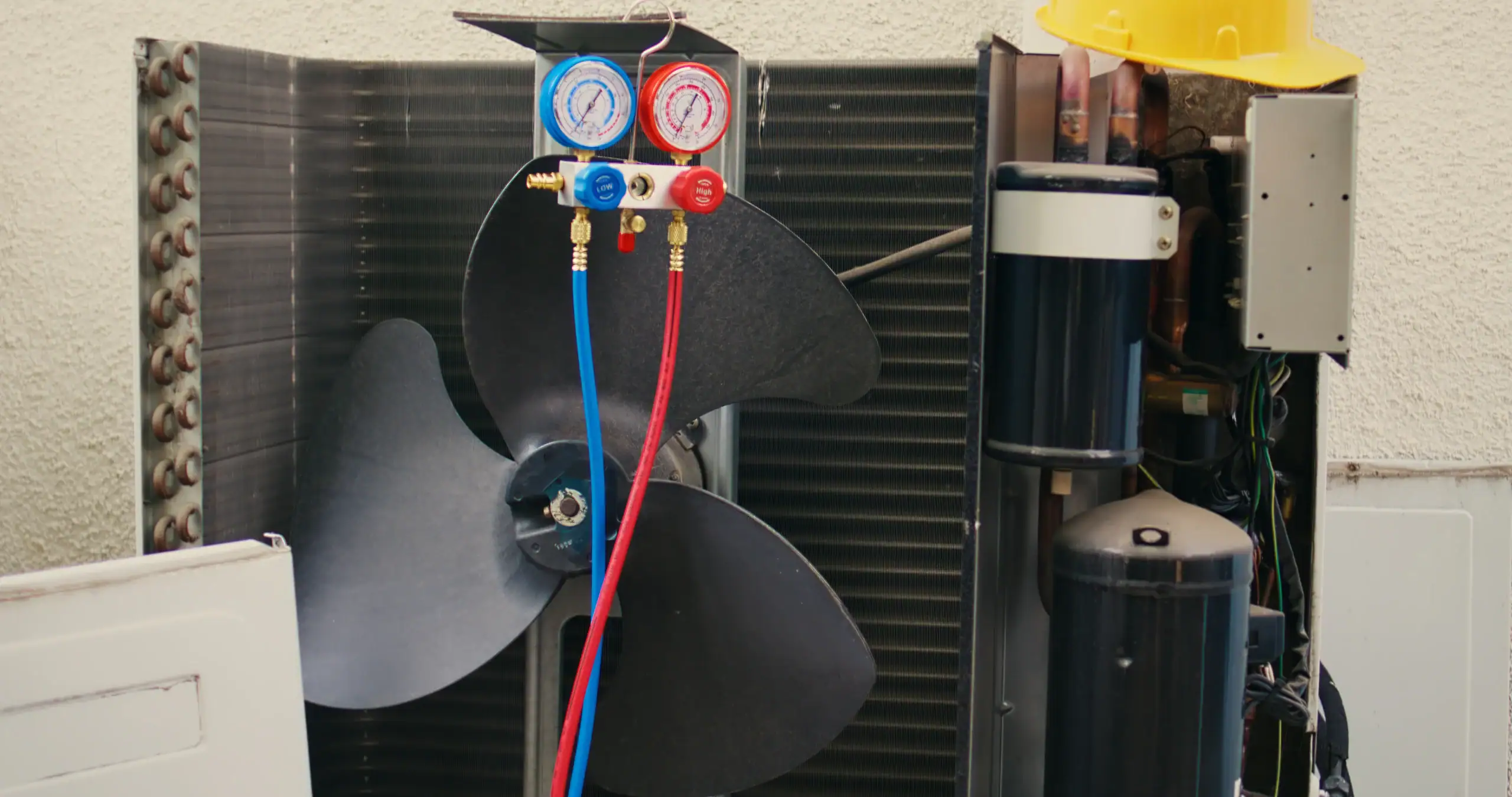
During service, technicians clean condenser coils that get clogged with salt and debris, check refrigerant levels, inspect electrical connections for corrosion, and test system performance under load. They also examine seals and gaskets that deteriorate faster in marine environments.
More frequent service may be needed for boats that operate in particularly harsh conditions or run their refrigeration systems continuously. Commercial vessels or boats used for extended cruising often benefit from quarterly inspections to catch problems before they become expensive failures.
Saltwater corrosion is the leading cause of marine refrigeration failures. Salt air corrodes electrical connections, condenser coils, and metal components much faster than in residential applications. Poor ventilation around condenser units compounds this problem.
Inadequate power supply also causes frequent issues. Many boat owners underestimate the electrical requirements of marine refrigeration, leading to voltage drops that damage compressors and reduce cooling efficiency. Improper wiring or insufficient battery capacity creates ongoing problems.
Vibration from engine operation and wave action loosens connections and damages components over time. Systems not properly secured or designed for marine use fail prematurely. Regular professional maintenance catches these issues before they cause complete system failure.
Standard household refrigerators are not designed for marine use and will fail quickly on boats. They lack the reinforcement needed to handle constant vibration and movement. Their electrical systems aren’t built for the voltage fluctuations common in marine applications.
Marine refrigeration systems use different compressor designs, specialized mounting systems, and components rated for marine environments. They’re designed to operate efficiently on 12V or 24V DC power systems rather than standard 120V AC household current.
The insulation, door seals, and internal components in marine units are specifically engineered for the humidity, temperature variations, and motion encountered on boats. While household units might seem like a cost-saving option, they’ll cost more in the long run due to frequent failures and repairs.
Marine refrigeration power consumption varies significantly based on system size, insulation quality, ambient temperature, and usage patterns. A typical 12V marine refrigerator draws 4-6 amps when the compressor runs, cycling on and off to maintain temperature.
Daily power consumption usually ranges from 40-80 amp hours for a standard boat refrigerator, depending on how often the door opens, outside temperature, and thermostat settings. Well-insulated units in shaded locations use considerably less power than poorly insulated units in hot engine rooms.
Proper system sizing and installation dramatically affect power consumption. Oversized units cycle inefficiently. Undersized units run constantly. Professional installation ensures your refrigeration system matches your boat’s power generation capacity and usage patterns for optimal efficiency.
Marine air conditioning and boat refrigeration serve different purposes but share some similar components and challenges. Marine AC systems cool cabin air for comfort, while refrigeration systems keep food and beverages cold in insulated compartments.
Both systems face saltwater corrosion, vibration, and power limitations, but AC systems typically require much more power and use different refrigerants. Marine AC units often run on shore power or generator power, while refrigeration systems usually operate on battery power for extended periods.
The installation requirements differ significantly. AC systems need large condensers, extensive ductwork, and substantial electrical service. Refrigeration systems require proper insulation, ventilation around compressors, and careful attention to door seals and interior layout. Both benefit from professional installation and regular maintenance.
Several warning signs indicate your marine refrigeration system needs professional attention. Temperature inconsistency is often the first sign—if your refrigerator isn’t maintaining set temperatures or takes longer to cool down, the system likely needs service.
Unusual noises like grinding, clicking, or excessive vibration from the compressor indicate mechanical problems. Frost buildup in unexpected areas, water leaks, or condensation where it shouldn’t appear suggest issues with seals, drainage, or refrigerant levels.
Higher than normal power consumption is another red flag. If your refrigerator suddenly draws more current or runs constantly without maintaining temperature, internal components may be failing. Any of these symptoms warrant immediate professional diagnosis to prevent complete system failure during your next trip.