
Hear from Our Customers
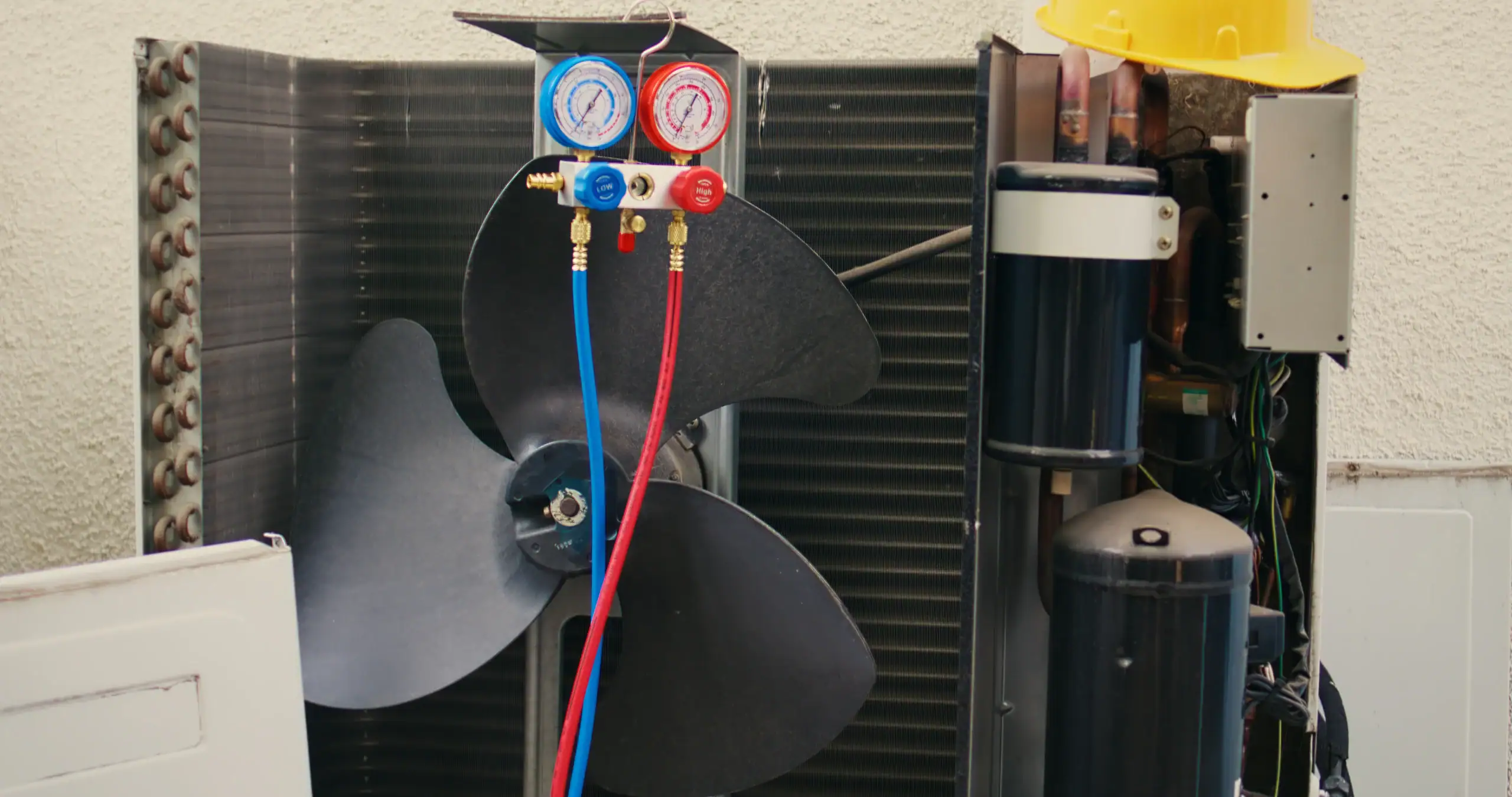
You’re not dealing with another callback or waiting three weeks for a part. Your boat refrigeration works when you need it. Your marine AC keeps the cabin comfortable, not swampy. The compressor doesn’t kick off every twenty minutes because someone actually cleaned the seawater strainer and checked the raw water pump.
That’s what happens when a marine HVAC specialist handles the job instead of someone guessing their way through saltwater cooling systems. Your system runs quieter. It lasts longer. And when something does go sideways, you’ve got a number that answers—day or night.
You’re not wondering if you should’ve replaced the whole unit. You’re not sitting dockside in July waiting for a technician who may or may not show up. You’re back on the water, and everything works the way it’s supposed to.
We bring over 40 years of marine HVAC and commercial refrigeration experience to Centerport and the wider Long Island boating community. We handle boat air conditioning, refrigeration systems, and complex installs that most contractors won’t touch—or can’t figure out.
Centerport sits on Northport Harbor, home to a serious boating community with yacht clubs, marinas, and vessel owners who expect their systems to work all season. The marine environment here is tough on equipment. Salt air accelerates corrosion. Seawater clogs strainers. Humidity breeds mold. It takes someone who understands those challenges to keep your boat’s climate control running right.
We operate with 24/7 consulting, free estimates, and a reputation built on dozens of five-star reviews. Our approach is straightforward: show up when called, diagnose correctly, communicate clearly, and fix it so it stays fixed.
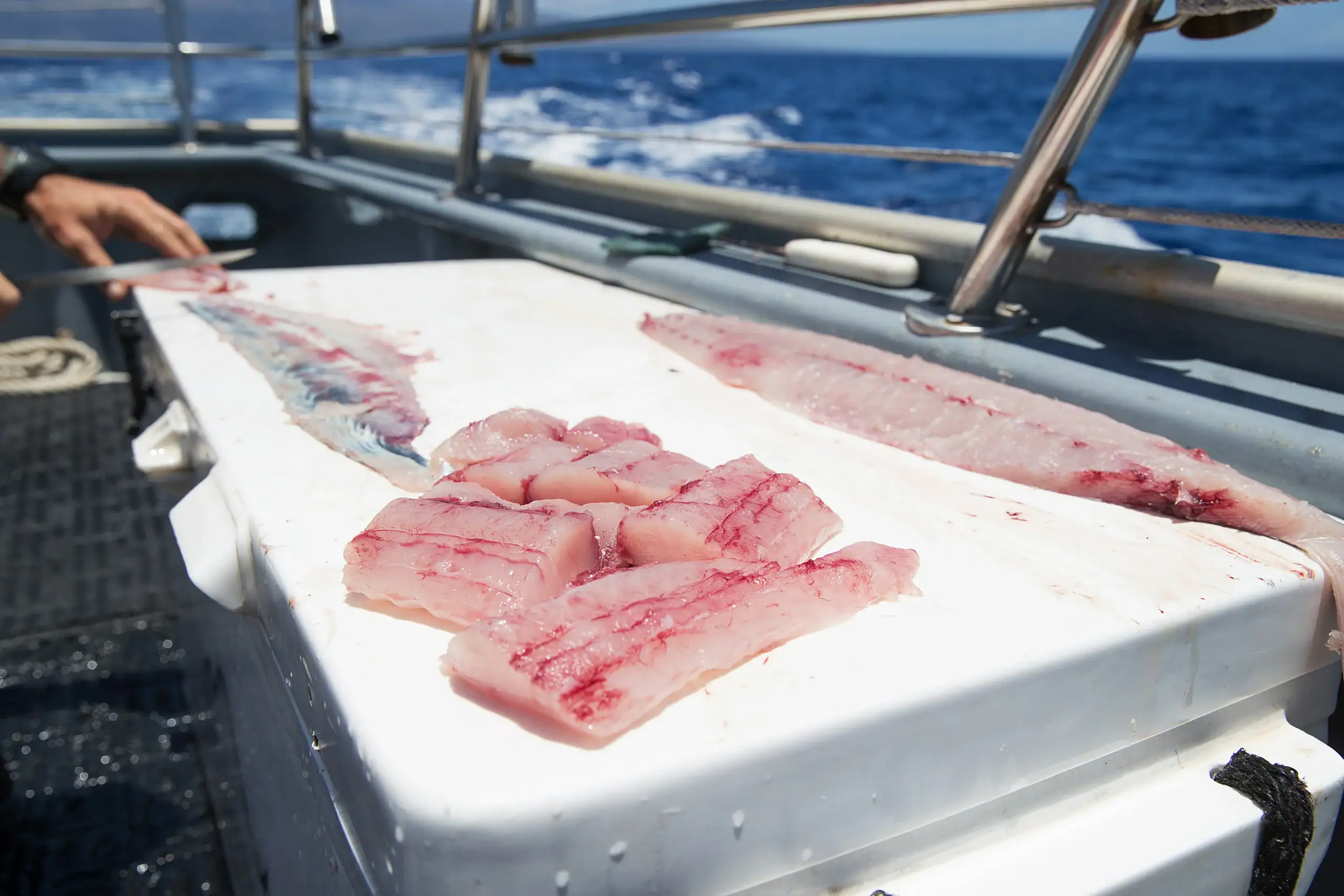
First, you call. Whether it’s an emergency or scheduled maintenance, someone answers—not a voicemail system. You explain what’s happening with your boat refrigeration or marine AC, and you get a free estimate before any work starts.
Next, a technician shows up who’s worked on marine systems for years. They assess the actual problem, not just the obvious symptom. They check seawater flow, inspect the raw water pump, test refrigerant levels, examine condenser coils for salt buildup, and look at electrical connections that corrode faster in marine environments. They explain what’s wrong in plain terms and what it’ll take to fix it.
Then comes the repair or install. If it’s a clogged strainer or failing pump, that gets handled on the spot. If you need a compressor replacement or a full system install, you’ll know the timeline and cost upfront. The work gets done right—factory-quality installation, proper sealing against moisture, correct refrigerant charge, and everything tested before the technician leaves.
After that, your boat air conditioning or refrigeration runs the way it should. And if something comes up later, you’ve got a team that’ll pick up the phone.
Ready to get started?
Marine refrigeration and boat AC repair in Centerport covers the full scope of what keeps your vessel comfortable. That includes diagnosing and fixing common failures like high-pressure faults, insufficient cooling, refrigerant leaks, compressor breakdowns, and frozen evaporators. It means cleaning seawater strainers that clog with algae and debris, replacing worn raw water pump impellers, flushing condenser coils caked with salt and marine growth, and addressing electrical issues caused by corrosion.
It also covers installations—whether you’re adding marine air conditioning to a boat that never had it, upgrading an old worn-out system, or installing refrigeration for provisions. Custom work is part of the offering, especially for complex configurations that require creative solutions.
For Centerport boat owners, this matters because the North Shore marine environment is unforgiving. Copper components corrode up to four times faster here than inland. Systems experience 30% higher degradation rates compared to land-based HVAC. Seawater cooling adds complications most regular HVAC contractors have never dealt with. And during peak boating season, wait times for qualified marine technicians can stretch for weeks—unless you’re working with someone who prioritizes marine clients and operates around the clock.
Maintenance services keep small problems from becoming expensive failures. Regular filter cleaning, strainer flushing, and system inspections extend the life of your marine HVAC and catch issues before they leave you stranded in the heat.
Most marine air conditioning systems last between five and ten years, depending on use and maintenance. If your system is older than five years and the repair cost approaches half the price of a new unit, replacement usually makes more sense.
Here’s what typically signals replacement over repair: the compressor has failed completely, refrigerant is leaking from multiple points, the condenser coils are corroded beyond cleaning, or you’re facing the second major repair in a short period. Refrigerant leaks are especially tricky in marine systems because they often indicate deeper corrosion issues that’ll just pop up somewhere else after a patch job.
On the other hand, if your boat air conditioning is relatively new and the problem is a clogged seawater strainer, worn raw water pump, dirty filter, or failed relay, those repairs are straightforward and worth doing. A qualified marine HVAC technician can assess your system’s overall condition and give you an honest recommendation based on what’ll actually save you money and headaches long-term.
When your boat’s AC runs for a few minutes then shuts down, it’s almost always triggering a safety cutoff—usually the high-pressure or low-pressure switch. Most marine air conditioning systems have built-in protection that kills the compressor when water flow drops too low or pressure goes out of range.
The most common culprit is restricted seawater flow. Check your raw water strainer first—if it’s clogged with debris, algae, or marine growth, water can’t circulate through the condenser to remove heat. The system overheats and shuts down. The raw water pump could also be failing, especially if the impeller is worn or damaged. Sometimes air gets trapped in the lines after maintenance, creating an airlock that blocks flow.
Refrigerant issues cause this too. If the charge is low due to a leak, the low-pressure cutout stops the compressor to prevent damage. If the condenser coils are fouled with salt buildup, heat can’t dissipate properly and the high-pressure switch trips. Electrical problems—corroded connections, faulty relays, or a malfunctioning thermostat—can also cause erratic cycling. A marine HVAC technician can diagnose which issue you’re dealing with and fix it so the system runs continuously like it should.
Marine refrigeration operates in a much harsher environment than residential or even most commercial systems. The biggest difference is the cooling method—most boat refrigeration and AC systems use seawater for heat exchange instead of air. That means raw water pumps, seawater strainers, and condenser coils constantly exposed to salt, which accelerates corrosion and requires completely different maintenance.
The marine environment itself is brutal on components. Salt air corrodes copper and electrical connections up to four times faster than normal conditions. Humidity promotes mold growth in ductwork and around evaporator coils. Constant motion and vibration loosen fittings and wear out bearings. Debris, algae, and marine organisms clog intake systems. These aren’t issues you’d ever see in a house or restaurant.
Marine systems also need to handle voltage fluctuations from generators and shore power, operate efficiently in confined spaces with limited ventilation, and withstand temperature extremes from engine rooms. Installation is more complex because everything has to be sealed against moisture intrusion and secured against movement. That’s why a regular HVAC contractor usually can’t handle boat refrigeration properly—they don’t understand seawater cooling systems, anti-corrosion treatments, or the unique troubleshooting required when salt and motion are constant factors.
At minimum, your marine air conditioning should get professional service once per season—ideally in spring before heavy use begins. But depending on how much you use your boat and where you keep it, more frequent attention prevents bigger problems.
Seawater strainers need cleaning every one to two weeks during active use, especially in areas with heavy algae or debris. Air filters should be cleaned or replaced monthly when the system runs regularly. Condenser coils benefit from flushing every two to five years to remove salt scale and marine buildup that reduces efficiency. Raw water pump impellers typically need inspection annually and replacement when you see signs of wear, cracking, or missing fins.
Between professional services, keep an eye on performance. If cooling drops off, airflow weakens, or you hear unusual noises, don’t wait for the next scheduled maintenance. Catching issues early—like a partially clogged strainer or a refrigerant leak—costs a lot less than dealing with a failed compressor or corroded coils. For Centerport boat owners who use their vessels heavily through summer, mid-season checkups make sense to ensure everything keeps running when you need it most.
Regular maintenance isn’t just about preventing breakdowns. It extends the life of your marine HVAC system significantly and keeps it running efficiently, which matters when you’re drawing power from a generator or limited shore power.
When your boat air conditioning runs but doesn’t cool, you’re dealing with a heat exchange problem or low refrigerant. The compressor and fan might sound normal, but something’s preventing the system from actually removing heat from the cabin air.
Low refrigerant is the most common cause. Marine AC systems are supposed to be closed loops, but vibration, corrosion, and salt exposure create leak points over time. When refrigerant level drops, the system can’t absorb and transfer heat effectively. You’ll often notice the temperature difference between supply and return air is less than the normal 12 to 20 degrees. Recharging refrigerant without finding and fixing the leak just delays the problem, so a proper repair locates the source first.
Fouled condenser coils also cause warm air. When salt, scale, or marine growth coat the coils, they can’t dissipate heat into the seawater. The refrigerant stays hot and the cooling capacity drops. Restricted seawater flow has the same effect—if the raw water pump is failing or the strainer is partially clogged, not enough water moves through the condenser to carry heat away.
Other possibilities include a malfunctioning expansion valve, poor insulation that’s letting heat back in, or a thermostat positioned too close to the evaporator discharge that’s sensing cold air and reducing output. A marine HVAC technician can test system pressures, check water flow, measure temperature differentials, and pinpoint exactly why your AC isn’t cooling.
Yes. Marine HVAC emergencies don’t wait for business hours, especially during peak boating season when a failed system can ruin a planned trip or make your boat unbearable in summer heat. We operate with 24/7 consulting availability, which means you can reach someone who can actually help when your boat refrigeration or AC goes down unexpectedly.
Emergency service matters more in the marine world than almost any other HVAC application. If your system fails on a Friday afternoon before a weekend trip, or while you’re docked away from your home marina, waiting until Monday isn’t realistic. If refrigeration goes out with provisions onboard, you’re looking at spoiled food and wasted money. If AC quits during a heat wave with family or guests aboard, the boat becomes unusable fast.
For Centerport boat owners, access to after-hours support is especially valuable during July and August when marine HVAC demand peaks and most service providers are booked solid for weeks. Having a team that answers the phone, provides real guidance, and can dispatch for genuine emergencies keeps you from being stuck. Not every situation requires an immediate onsite visit—sometimes the problem is something you can address yourself with proper direction—but knowing expert help is available when you actually need it provides real peace of mind throughout the season.