
Hear from Our Customers
You show up at the marina ready for a weekend cruise, and your refrigeration is keeping everything cold. Your AC cools the cabin fast. Your systems just work—because someone who actually knows marine HVAC installed and maintains them.
That’s what proper marine refrigeration and boat air conditioning should feel like. Not constant worry about whether your systems will hold up. Not calling around trying to find someone who even works on boats. Not dealing with the same problem three times because it wasn’t fixed right.
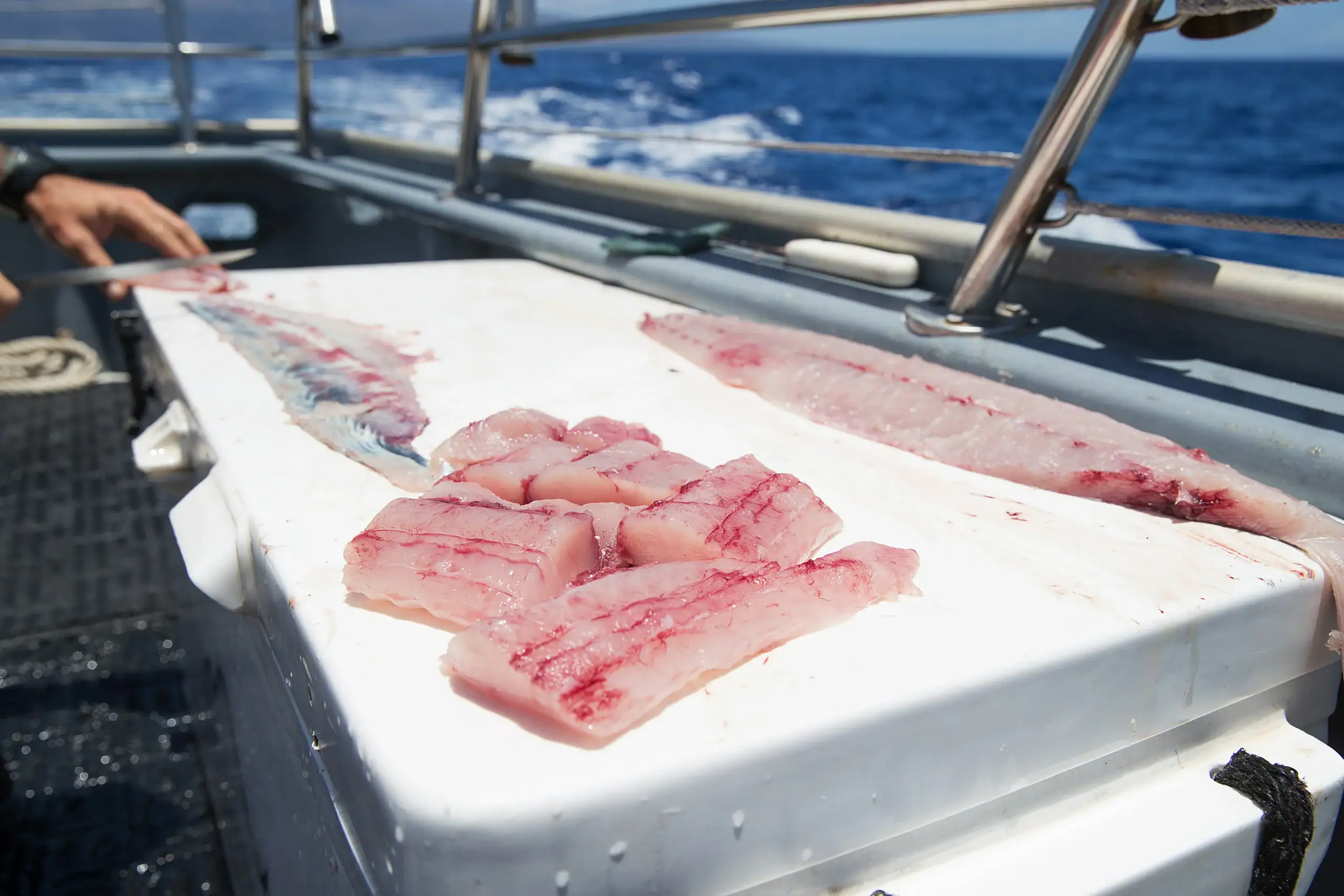
When your boat’s climate control systems are installed correctly and maintained by people who specialize in marine environments, you stop thinking about them. The refrigerator keeps your food fresh for extended trips. The AC handles the humidity that makes boats miserable in summer heat. Everything operates quietly and efficiently because it’s properly sized for your specific vessel.
We’ve spent over 40 years working on marine HVAC and refrigeration systems throughout Long Island. That’s not residential work with occasional boat jobs—it’s four decades of specialized experience with the unique challenges boat owners face in Cove Neck, NY and surrounding waterfront communities.
We serve the North Shore boating community with mobile service that comes directly to your marina or dock. Our technicians understand saltwater corrosion, limited ventilation, proper through-hull installations, and the marine-grade components that actually last in harsh conditions.
We bring 24/7 consulting availability, free estimates, and dozens of five-star reviews from boat owners who needed reliable systems. Our team handles everything from emergency boat AC repair during peak season to complete marine refrigeration installations and upgrades.
You contact us and describe what’s happening with your boat refrigeration or marine air conditioning. We’ll ask specific questions about your vessel, the symptoms, and when you need service. For new installations, we’ll discuss your boat’s size, layout, and how you use it.
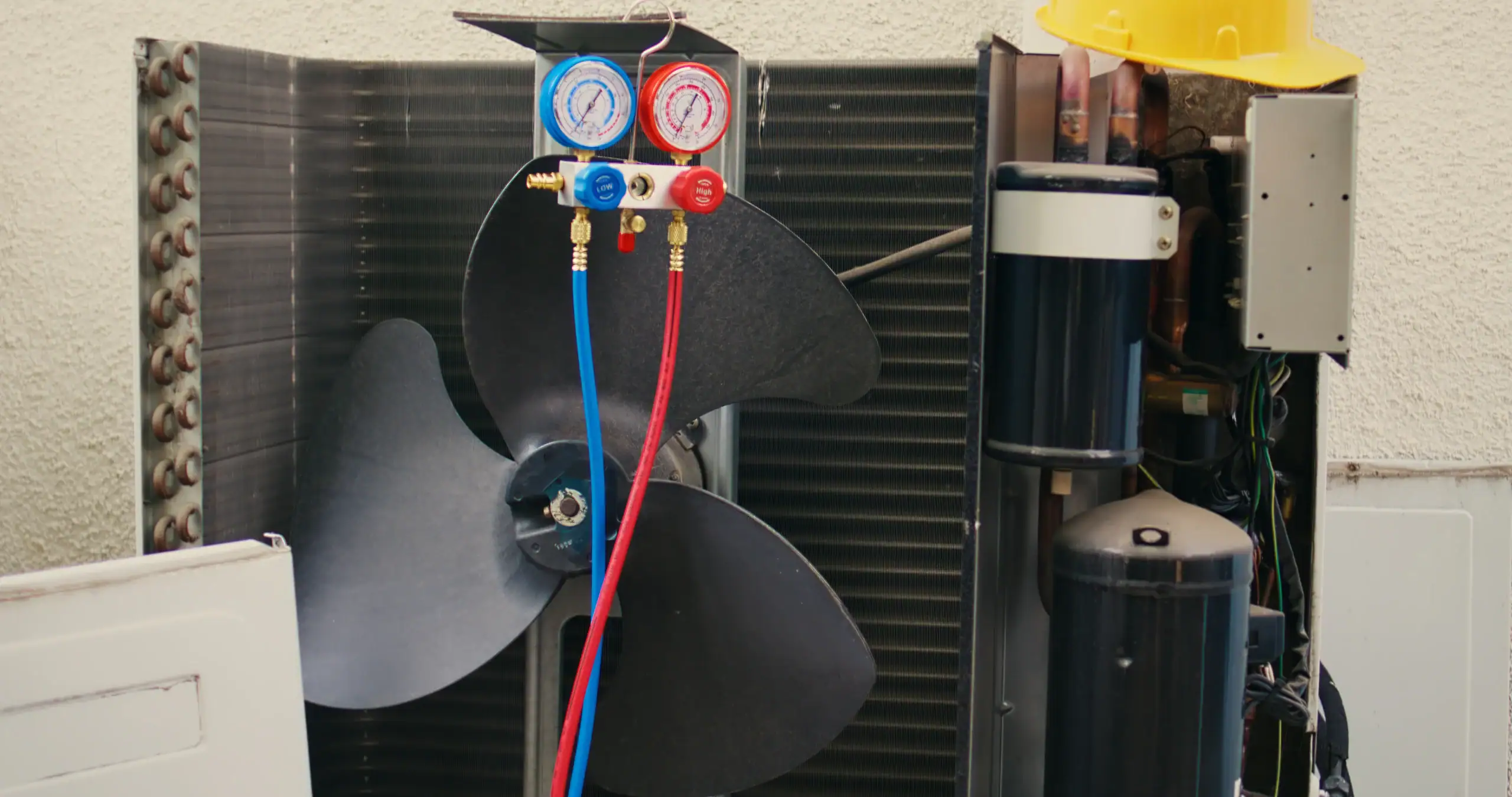
For repairs, our technician comes to your marina with a fully-stocked service vehicle. We diagnose the problem—checking refrigerant levels, electrical connections, seawater flow, compressor function, and control systems. Most issues get resolved in one visit because we carry common marine HVAC parts and have seen these problems hundreds of times.
For installations, the process starts with proper system sizing. Marine AC and refrigeration systems need to be matched to your boat’s specific requirements—not just square footage, but insulation, ventilation, electrical capacity, and usage patterns. We design the ductwork and refrigerant lines to fit your boat’s layout, then install marine-grade components built for saltwater environments.
After any service, we perform a complete system check. We verify cooling capacity, check for refrigerant leaks, test electrical connections, examine seawater intake and discharge, and make sure everything operates correctly. You get a clear explanation of what was done and what to watch for going forward.
Ready to get started?
Marine refrigeration and boat air conditioning service covers everything your vessel’s climate control systems need. That includes emergency repairs when systems fail, scheduled maintenance to prevent breakdowns, complete installations for new systems or upgrades, and custom solutions for boats with unique requirements.
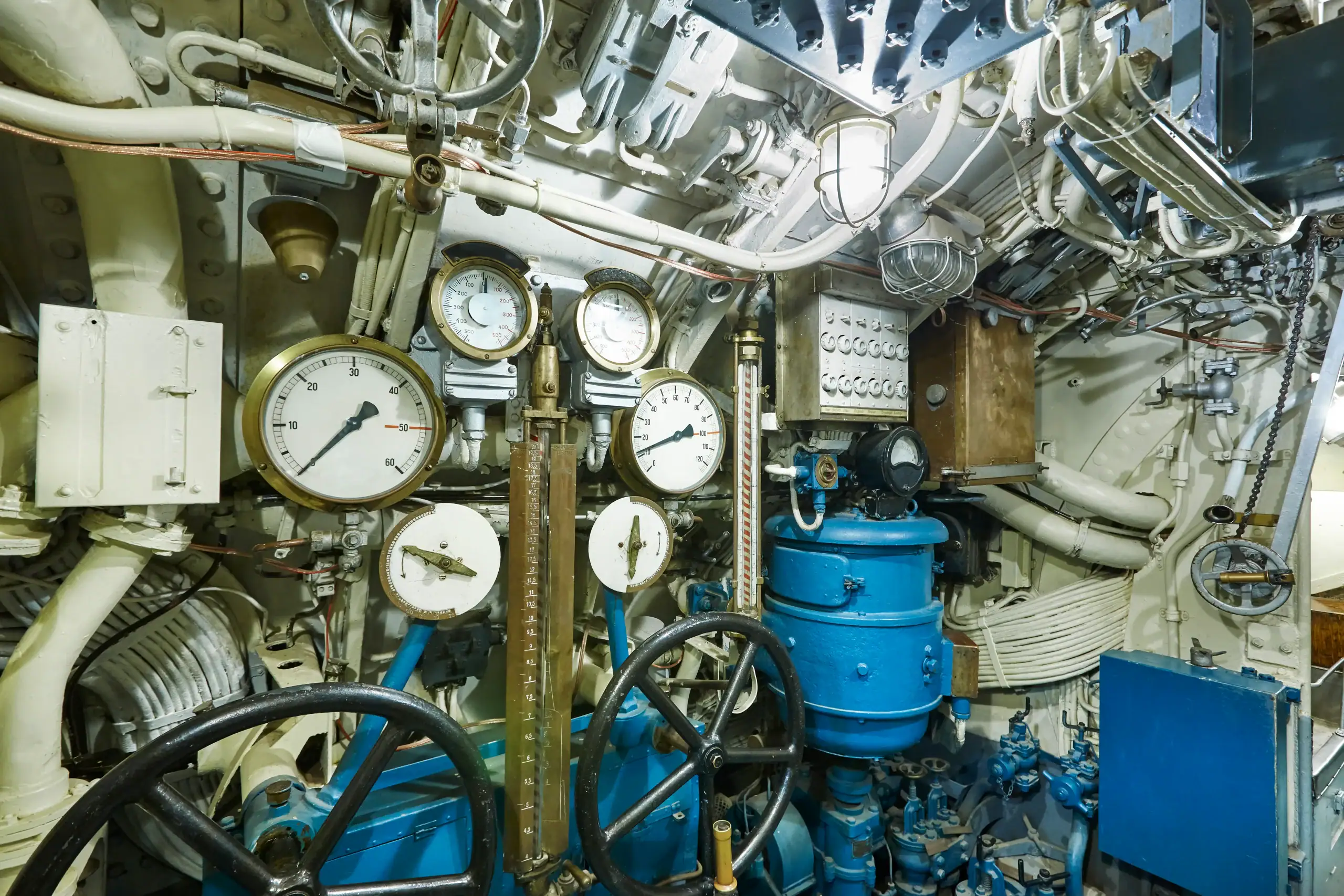
For Cove Neck, NY boat owners, the marine environment creates specific challenges. Long Island Sound’s saltwater accelerates corrosion on components that aren’t marine-grade. The humidity requires systems that dehumidify effectively, not just cool. Space constraints mean creative routing of refrigerant lines and ductwork. And boat electrical systems have different requirements than residential installations.
Proper marine refrigeration maintenance includes cleaning seawater strainers, checking refrigerant charge, inspecting electrical connections for corrosion, testing compressor function, and verifying airflow. Marine AC maintenance covers similar ground—seawater cooling system inspection, duct cleaning, filter replacement, and checking that dehumidification features work correctly. These aren’t optional if you want systems lasting more than a few seasons.
We handle the technical complexity while keeping boat owners informed. Our team works with major marine brands and understands the specific requirements of different vessel types. Whether you’re dealing with a failed compressor on a hot weekend or planning a complete HVAC upgrade, our approach stays the same—show up on time, diagnose accurately, fix it right, and make sure you understand what happened.
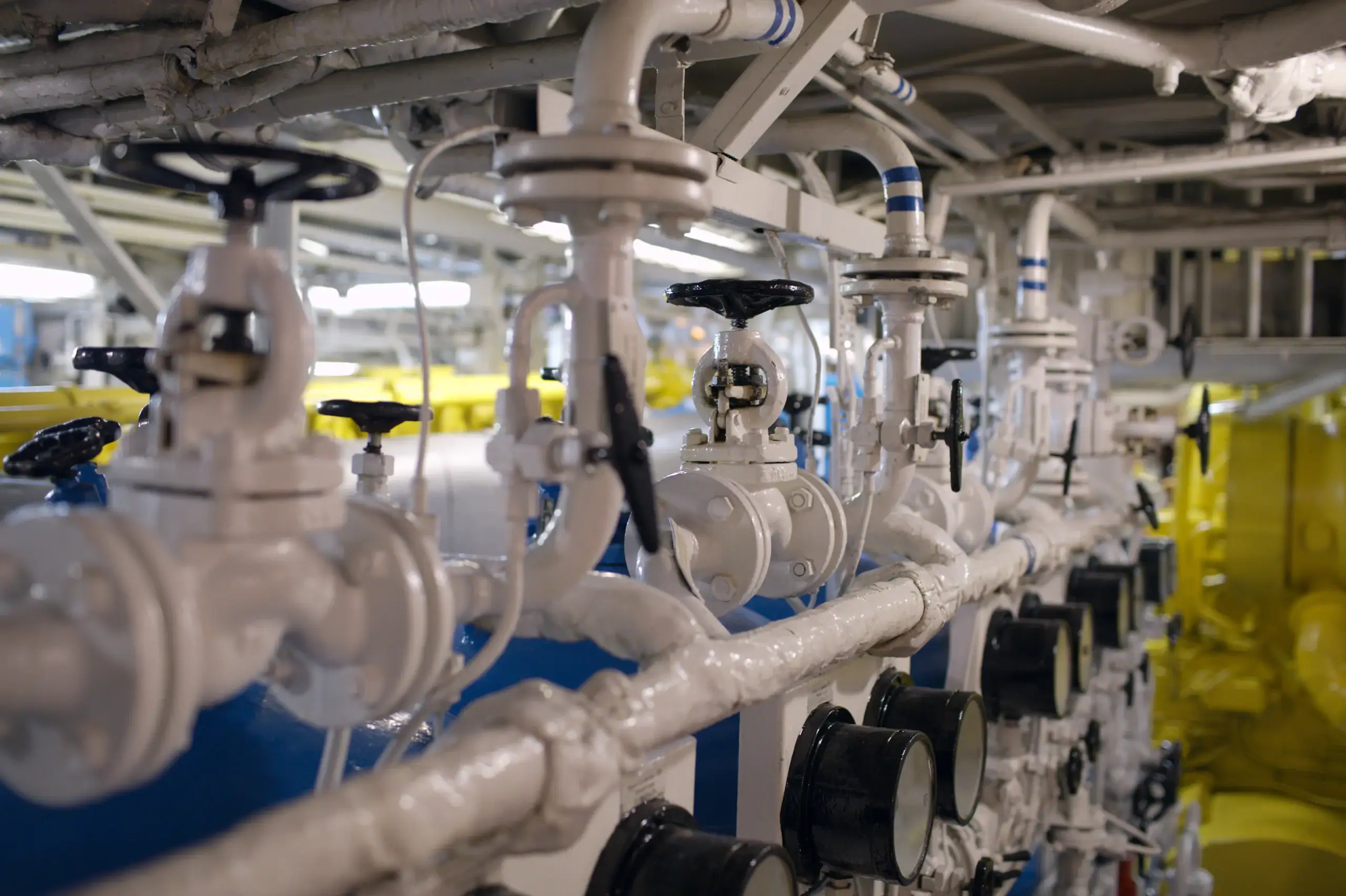
Marine refrigeration systems are built for conditions that would destroy residential equipment—constant motion, saltwater exposure, limited ventilation, and tight spaces. The components are marine-grade with corrosion-resistant materials and coatings designed to survive in saltwater environments.
The cooling approach differs too. Most marine refrigeration uses seawater for heat exchange rather than air-cooled condensers, which means through-hull fittings, seawater pumps, and strainers that need regular maintenance. The refrigerant lines and electrical connections must handle constant vibration that would destroy residential equipment quickly.
Installation is more complex because boats have limited space and unusual layouts. Refrigerant lines need routing through tight spaces without kinks. The compressor location matters for noise, heat dissipation, and service access. And boat electrical systems operate differently than household power—often DC power or limited AC capacity that affects equipment options. A technician who only works on residential refrigeration doesn’t have the training to handle these differences correctly.
The most common cause is restricted seawater flow through the cooling system. Marine AC units use seawater to remove heat, and that seawater carries marine growth, sand, and debris that clogs strainers and heat exchangers. When seawater flow drops, the system can’t reject heat effectively and cooling capacity falls. This is why regular strainer cleaning is essential.
Refrigerant leaks are another frequent problem. Constant vibration can cause refrigerant line connections to work loose over time, or corrosion can eat through lines that aren’t properly protected. Low refrigerant charge means reduced cooling capacity and eventually compressor damage if it runs too long without adequate charge.
Electrical issues cause problems too—corroded connections, failed capacitors, or control board failures from humidity and salt exposure. Sometimes the compressor itself fails, especially if the system hasn’t been maintained properly or has been running with low refrigerant or restricted airflow. A qualified marine HVAC technician can diagnose which issue you’re dealing with and fix it correctly rather than guessing and hoping something works.
Most marine HVAC systems need professional service twice per year—once before boating season starts and once mid-season or at season’s end. This bi-annual schedule catches problems before they leave you without cooling on a hot weekend and extends the life of expensive components by keeping everything clean and operating correctly.
Each service should include cleaning seawater strainers, checking refrigerant charge and looking for leaks, inspecting electrical connections for corrosion, testing compressor operation, verifying proper airflow through ducts and vents, and checking control systems and thermostats. For refrigeration systems, the service includes checking door seals, verifying proper temperature maintenance, and inspecting the evaporator for ice buildup or other issues.
Between professional services, boat owners should clean strainers regularly—some need it weekly during heavy use—and watch system performance. If cooling capacity drops, if you hear unusual noises, or if the system runs constantly without reaching temperature, don’t wait for the next scheduled service. Marine systems often give warning signs before complete failure, and addressing issues early prevents expensive repairs and ruined weekends.
Yes, marine air conditioning can be added to most boats, but it requires careful planning and proper installation. The process starts with determining if your boat has adequate electrical capacity—marine AC units draw significant power and your existing electrical system might need upgrades to handle the load safely.
Next comes sizing the system correctly for your boat’s interior volume, insulation, and usage. An undersized unit will run constantly and never cool properly on hot days. An oversized unit will cycle on and off too frequently, won’t dehumidify effectively, and will cost more to install and operate. Proper sizing requires someone who understands marine HVAC, not guesswork based on square footage.
Installation involves mounting the compressor where it has adequate ventilation and drainage, running refrigerant lines through the boat’s structure without kinks, installing through-hull fittings for seawater intake and discharge, routing ductwork to distribute cool air effectively, and connecting everything to your electrical system with proper wire sizing and overcurrent protection. This isn’t a DIY project—marine AC installation requires specialized knowledge of boat systems, marine electrical code, and proper refrigeration practices. Done correctly, you’ll have reliable cooling for years. Done poorly, you’ll have an expensive system that never works right.
First, check the basics—make sure the unit has power, the circuit breaker hasn’t tripped, and the thermostat is set correctly. If it’s a DC-powered unit, check your battery voltage because low batteries can prevent the compressor from running. Look for any error codes or warning lights the unit might be displaying.
If power isn’t the issue, check ventilation around the compressor and condenser. Marine refrigeration units need adequate airflow to reject heat, and if the compartment they’re mounted in has become blocked or if ventilation openings are covered, the system can’t cool properly. Make sure nothing is blocking airflow and that the compressor isn’t buried under gear.
For units with seawater cooling, a clogged strainer will kill cooling capacity quickly. If you know where your seawater strainer is and how to clean it safely, that’s worth checking. Beyond these basic steps, you’re into diagnosis that requires tools and expertise most boat owners don’t carry. If you’re near Cove Neck, NY or anywhere in the Long Island area, we offer 24/7 consulting and can often talk you through temporary solutions or arrange service quickly. In the meantime, move perishables to ice if possible and avoid opening the refrigerator repeatedly—the insulation will keep things cool for several hours if you’re not constantly letting cold air out.
Marine-grade components cost significantly more than residential equipment because they’re built to survive environments that would destroy standard HVAC systems quickly. Everything from the compressor housing to electrical connections needs corrosion-resistant materials and coatings. The engineering is more sophisticated to handle constant motion, vibration, and space constraints on boats.
Installation labor costs more because marine HVAC work is specialized and more complex than residential installations. The technician needs to route refrigerant lines and ductwork through tight spaces in your boat’s structure, install through-hull fittings below the waterline correctly, work with marine electrical systems that have different requirements than household wiring, and ensure everything is secured so it won’t come loose when the boat is underway. This takes more time and expertise than installing a residential AC unit.
The smaller market for marine HVAC means less competition and higher prices across the board. There are millions of homes that need HVAC service but far fewer boats, so the economies of scale that drive down residential equipment prices don’t exist in the marine market. That said, properly installed and maintained marine systems last for years and provide reliable service in conditions that would kill residential equipment in a single season. You’re paying for equipment and expertise actually designed for your boat’s environment, not trying to make residential systems work in a marine application where they’ll fail quickly.