
Hear from Our Customers
Your boat should be ready when you are. Not sitting at the dock waiting for a callback that never comes, or dealing with another band-aid fix that lasts two weeks.
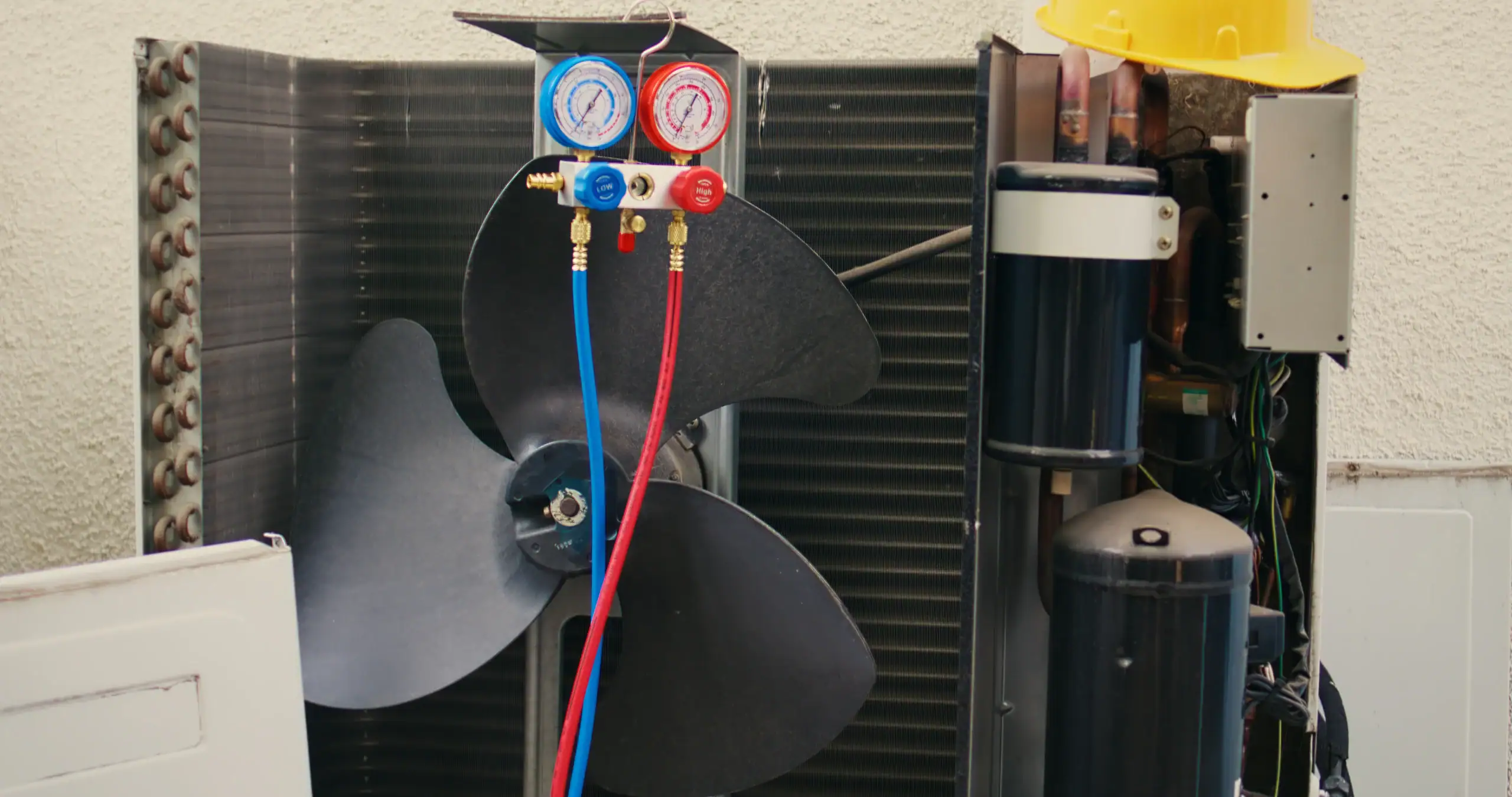
Marine refrigeration isn’t the same as residential HVAC. The saltwater, the humidity, the constant motion—it all adds up to systems that need someone who actually understands what’s happening. High-pressure faults, water flow issues, compressor problems that show up out of nowhere. These aren’t mysteries when you know what you’re looking at.
You get systems that maintain temperature reliably. Food stays cold. The cabin stays comfortable. And when something does go wrong, you’re not scrambling to find someone who can actually diagnose the problem instead of just swapping parts and hoping.
We bring over 40 years of experience to marine HVAC and refrigeration services in Farmingdale and across Long Island. That’s not just time served—it’s four decades of learning how these systems fail, what actually fixes them, and how to prevent problems before they cost you a weekend on the water.
We handle everything from straightforward boat air conditioning repairs to complex custom refrigeration installations that other shops won’t touch. We work on recreational vessels, commercial fishing boats, and everything in between. Our team knows the difference between a residential HVAC issue and a marine-specific problem, and that knowledge matters when you’re trying to get back on the water.
Farmingdale boat owners deal with the full range of Long Island marine conditions—from the Sound to the Atlantic to the bays. We understand what that environment does to marine HVAC systems and how to build solutions that actually hold up.
It starts with an actual conversation. You explain what’s happening with your boat refrigeration or marine air conditioning system. We ask the right questions because we’ve seen these problems before. You get a free estimate that tells you what you’re looking at—no vague quotes scribbled on the back of a business card.
Then comes the diagnostic work. This isn’t guessing. It’s checking water flow, testing electrical systems, examining compressor operation, looking at refrigerant levels. Marine HVAC systems have specific failure points, and experienced technicians know where to look first. High-pressure faults usually mean water flow issues or condenser problems. Weak cooling often points to clogged filters or failing compressors. The goal is finding the actual problem, not just treating symptoms.
Once we know what’s wrong, you get clear options. Sometimes it’s a repair. Sometimes replacement makes more sense than throwing money at an old system. We’ll tell you which route actually serves you better, not which one generates more billable hours. Then we do the work—properly sized components, correct wiring, marine-grade materials that handle the saltwater environment.
After the repair or installation, the system gets tested under actual operating conditions. You don’t leave the dock wondering if it’ll hold up. And if something needs adjustment or you have questions down the line, you can actually reach someone. That’s how it should work.
Ready to get started?
Marine refrigeration maintenance means staying ahead of the problems that sideline boats during prime season. Regular service includes cleaning air filters and evaporator coils, checking refrigerant levels, testing water pumps and flow rates, inspecting electrical connections, and clearing condensate drains before they cause leaks. It’s the difference between a system that runs all season and one that fails on the hottest day of July.
For Long Island boat owners, saltwater presents constant challenges. Barnacles and marine growth clog water lines. Corrosion attacks fittings and connections. Humidity creates condensation issues. A proper marine HVAC service addresses these regional realities. That means checking sea strainers, flushing water-cooled condensers, inspecting for galvanic corrosion, and ensuring door seals on refrigeration units maintain their integrity in high-humidity conditions.
Installation and replacement services go beyond just swapping units. Proper boat air conditioning installation requires correctly sizing the system for your vessel, ensuring adequate power supply without draining batteries, installing marine-grade components that resist corrosion, and configuring ductwork for efficient airflow in confined spaces. These details determine whether your new system performs reliably or becomes another frustration.
Emergency service matters when you’re dealing with a failed system before a planned trip or during peak season when every marina is booked. Having access to 24/7 consulting and rapid response means you’re not losing weekends or canceling plans. It means someone answers the phone, shows up when promised, and has the parts and knowledge to actually solve the problem.
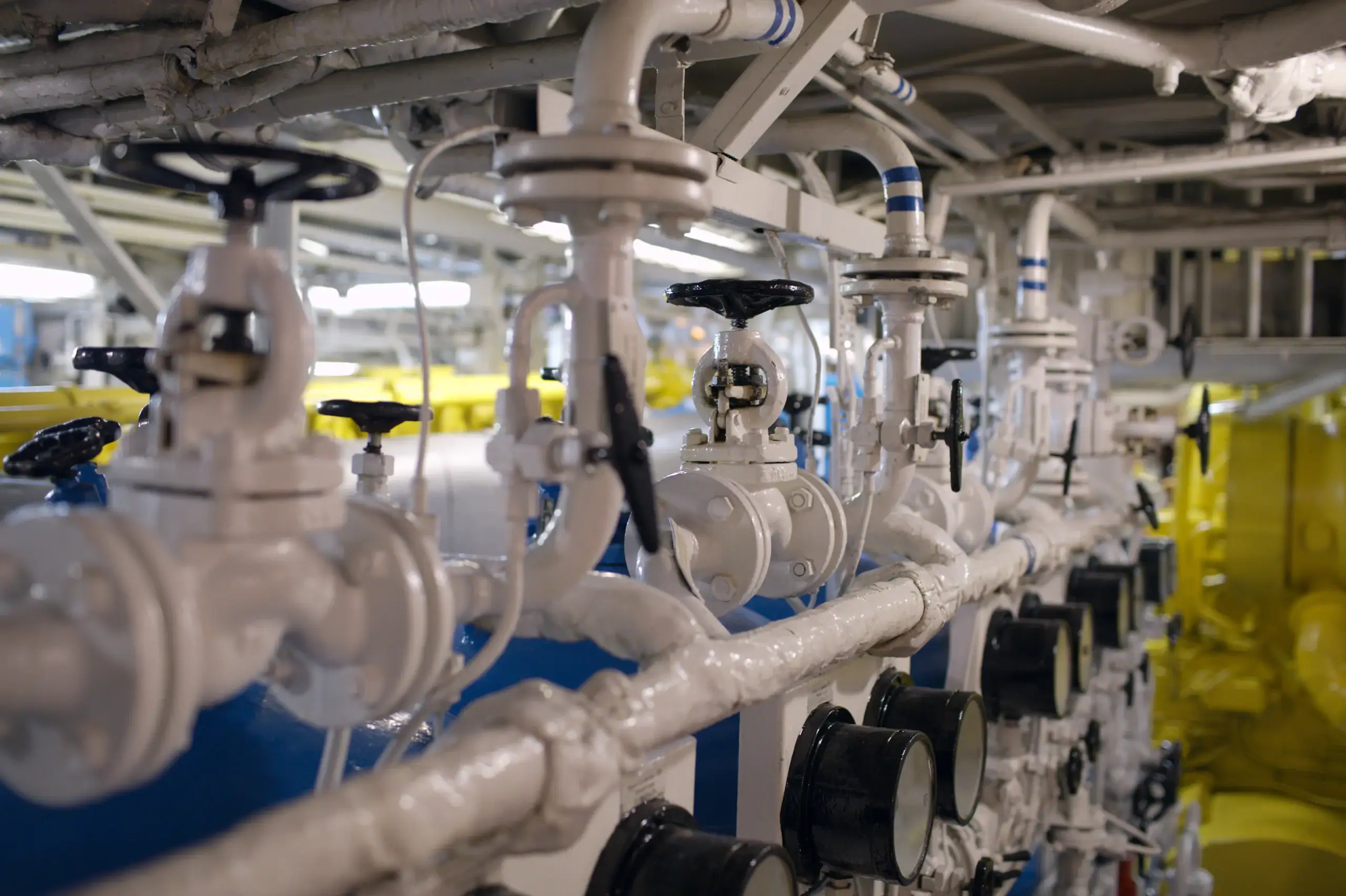
High-pressure faults are the most common complaint with marine air conditioning systems, and they usually point to water flow problems. Your AC system relies on seawater flowing through the condenser to remove heat. When that flow gets restricted, pressure builds up and the system shuts itself down to prevent damage.
Start by checking your sea strainer. Seaweed, plastic bags, or marine growth can block water intake. Next, verify your sea cock is fully open—sounds basic, but it happens. If water flow looks good but you’re still getting faults, the issue might be inside the system. Scale buildup in the condenser from minerals in seawater can restrict flow even when the pump is working. Barnacles or biofilm in the water lines create the same problem.
Sometimes the issue is the water pump itself. These pumps work hard in the marine environment, and impellers wear out or get damaged by debris. If you’re getting weak flow or hearing unusual noises from the pump, that’s likely your culprit. The other possibility is dirty air filters or evaporator coils on the air side of the system, which can also trigger high-pressure conditions. Regular maintenance—flushing the system, cleaning strainers, checking water flow—prevents most of these problems before they cost you a day on the water.
For boats used regularly during the season, plan on service twice a year at minimum—once before the season starts and once mid-season. If you’re living aboard or using your boat year-round, quarterly service makes more sense. The marine environment is hard on refrigeration systems, and small problems turn into expensive failures fast.
Pre-season service catches issues before they ruin your first weekend out. That includes cleaning or replacing air filters, checking refrigerant levels, testing the compressor, inspecting door seals, clearing condensate drains, and verifying water pump operation. Mid-season service addresses wear that develops during heavy use—filters that get dirty faster in humid conditions, connections that work loose from vibration, and early signs of component stress.
Between professional service, you should check a few things yourself. Clean accessible filters monthly during active use. Check water flow from the discharge port when you run the system. Listen for unusual noises that might indicate bearing wear or loose components. Make sure door seals on your refrigerator are actually sealing—a gap lets warm, humid air in constantly, forcing the system to work much harder. Keep the area around compressors and condensers clear for proper ventilation. These simple checks extend the life of your system and help you catch problems before they leave you without refrigeration in the middle of a trip.
You can, but it’s usually not the best move. Marine HVAC systems face challenges that residential and commercial systems never encounter. A technician who’s great with home AC might not recognize marine-specific problems or know how to properly address them.
Marine systems deal with saltwater corrosion, constant vibration, high humidity, limited power supply, and space constraints that require different solutions. Water-cooled condensers, raw water pumps, through-hull fittings, marine-grade components, proper wire sizing for DC systems—these aren’t part of standard HVAC training. An experienced marine technician knows that high-pressure faults usually mean water flow issues, understands how to prevent galvanic corrosion in saltwater environments, and recognizes when a system is undersized for the vessel’s needs.
The installation differences matter too. Marine systems need dedicated circuits because they draw significant current on startup. Connections must be properly sealed against moisture. Components need to resist corrosion. Refrigerant handling in a marine environment requires understanding how motion and temperature swings affect system performance. A regular HVAC tech might install a unit that works fine at the dock but fails under way, or use components that corrode quickly in saltwater. You’re better off with someone who works on boats regularly and knows what actually holds up in marine conditions.
Several issues can cause this, but the most common are poor insulation, bad door seals, or undersized systems. Start with the door seal—it’s the easiest to check and often the culprit. Close the door on a dollar bill and try to pull it out. If it slides easily, warm air is constantly infiltrating your refrigerator. That makes the compressor run continuously trying to remove heat that keeps coming in.
Insulation quality matters more on boats than people realize. Marine refrigerators need better insulation than home units because they face higher ambient temperatures in confined spaces and can’t rely on unlimited power. If your insulation has deteriorated from moisture or wasn’t adequate to begin with, the system can’t maintain temperature efficiently. The exterior of the fridge might feel warm to the touch, or you might see condensation forming—both signs that cold air is escaping.
Other possibilities include low refrigerant from a slow leak, a failing compressor that can’t build adequate pressure, or a system that’s simply too small for the box size and how often you open it. Dirty condenser coils or restricted water flow can also reduce cooling capacity. High ambient temperatures in the galley or engine room make the problem worse—if it’s pushing 95 degrees where your refrigeration system lives, it’s fighting an uphill battle. The solution depends on what’s actually causing the problem, which is why proper diagnosis matters more than just replacing components and hoping.
It depends on what’s failing and how old the system is. If your marine AC is over 10 years old and needs major component replacement—compressor, condenser, or multiple parts—replacement usually makes more financial sense. Older systems are less efficient, parts can be hard to find, and you’re likely facing additional failures soon.
For newer systems with specific component failures, repair often makes sense. A failed water pump, bad relay, or clogged condenser can be fixed without replacing the whole system. But if you’re dealing with refrigerant leaks, those are usually not worth chasing on marine systems. Refrigerant is expensive, leaks are often difficult to find and fix permanently, and low refrigerant usually indicates other systemic problems like corrosion.
Consider the total cost of ownership too. An older system that needs frequent repairs and runs inefficiently might be costing you more in repairs and power consumption than a new, efficient system would cost over a few seasons. Modern marine AC units are more energy-efficient, quieter, and more reliable than systems from 10-15 years ago. If you’re constantly dealing with breakdowns during prime boating season, or if the system can’t keep up with your cooling needs anymore, replacement gives you peace of mind and better performance. We can give you an honest assessment of whether repair or replacement serves you better based on your specific situation.
Several maintenance tasks are straightforward enough for boat owners to handle and can prevent most common problems. Clean or replace air filters monthly during the season—this is the single most impactful thing you can do. Clogged filters restrict airflow, make the system work harder, and can cause evaporator coils to freeze. Most marine AC units have at least two filters, and many people only clean one. Check the unit itself and any separate air handlers.
Check your sea strainer regularly, especially after running in areas with seaweed or debris. A clogged strainer restricts water flow to the condenser, causing high-pressure faults. This takes five minutes and prevents the most common cause of marine AC failure. While you’re at it, verify water is discharging from the outlet when the system runs—no discharge means no cooling.
Inspect door seals on refrigerators and freezers. Look for gaps, cracks, or areas where the gasket isn’t sealing properly. A bad seal lets warm, humid air in constantly, forcing the system to run much longer and potentially causing ice buildup on the evaporator. Clean the seals with mild soap and water to remove salt and grime that can prevent proper sealing.
Keep the area around your compressor and condenser clear for proper ventilation. Check for any unusual noises that might indicate loose components or bearing wear. Wipe down visible electrical connections to remove salt buildup. And if you’re storing the boat for winter, have the system properly winterized—water left in heat exchangers can freeze and cause serious damage. These simple tasks catch most problems early, before they turn into expensive repairs or leave you without refrigeration mid-trip.