Hear from Our Customers
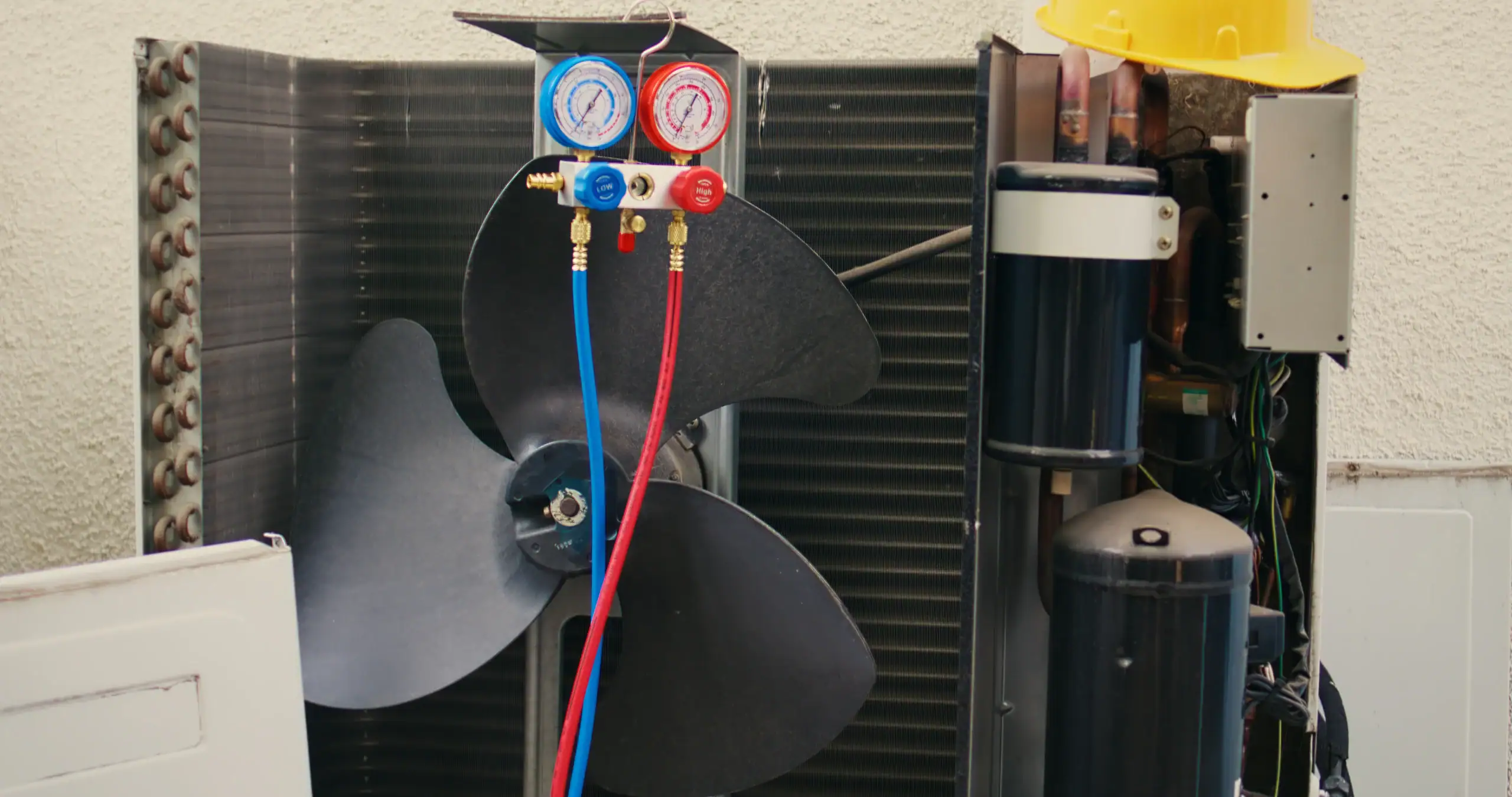
Your weekend trip doesn’t get cut short because the fridge died. Your ice stays frozen, your beverages stay cold, and your food stays safe—even when you’re anchored in the summer heat.
You’re not dealing with emergency repairs at premium prices. You’re not scrambling to find ice or throwing away groceries. You’re enjoying your time on the water because your marine refrigeration system does what it’s supposed to do.
When something does need attention, you get straight answers from technicians who actually understand marine systems. No guesswork, no trial-and-error fixes, no coming back three times to get it right.
We’ve been solving marine refrigeration problems across Long Island for over 40 years. We’ve seen every type of boat cooling challenge—from simple residential marine fridges to complex commercial vessel systems.
Long Island boat owners deal with unique challenges. Salt air, humidity, limited space, and power constraints all affect how marine refrigeration performs. We understand these local conditions because we’ve been working in them for decades.
Our track record speaks for itself: dozens of five-star reviews from customers who needed their marine cooling systems fixed right the first time. We serve everyone from weekend recreational boaters to commercial operators who can’t afford downtime.
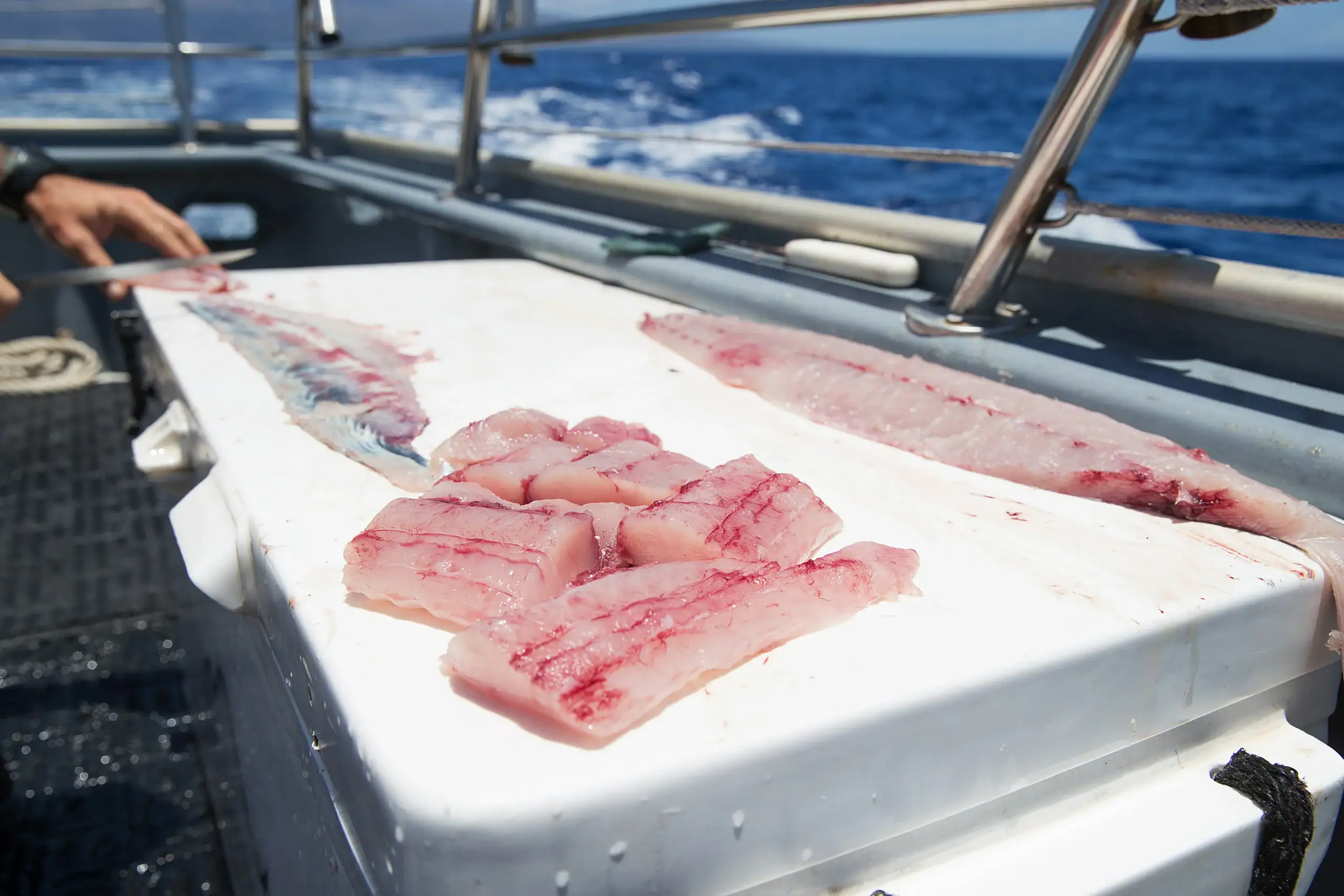
First, we assess your specific situation. Marine refrigeration problems can stem from electrical issues, refrigerant leaks, compressor failures, or ventilation problems. We diagnose the actual cause, not just the symptoms.
Next, we explain what we found in plain language. You’ll understand what went wrong, why it happened, and what it takes to fix it properly. No technical jargon, no upselling—just honest information so you can make the right decision.
Then we handle the repair or installation with marine-grade components designed for the harsh marine environment. We test everything thoroughly before considering the job complete. Your system needs to work reliably when you’re miles from shore, and we make sure it will.
Ready to get started?
We handle everything related to marine refrigeration and air conditioning. New installations for boat upgrades, emergency repairs when systems fail, and preventive maintenance to avoid problems before they start.
Halesite’s marine environment is particularly demanding on cooling systems. The combination of salt air, temperature swings, and limited ventilation creates conditions that standard residential HVAC technicians simply don’t understand. We’ve been working specifically with these challenges for four decades.
Our service includes custom solutions for unique marine applications. Whether you need a specialized cooling setup for a galley, a reliable system for extended cruising, or commercial-grade refrigeration for charter operations, we design and install systems that actually work in marine conditions.
Marine refrigeration systems should be professionally serviced at least once per year, preferably before the boating season starts. The marine environment is much harsher than residential conditions—salt air accelerates corrosion, constant motion affects connections, and temperature fluctuations stress components.
During annual service, we check refrigerant levels, inspect electrical connections, clean condenser coils, and test all safety systems. We also look for early signs of wear that could lead to failures during the season. Many boat owners schedule service in early spring so any needed repairs can be completed before they’re ready to use the boat.
If you use your boat heavily or in particularly harsh conditions, twice-yearly service may be worth considering. The cost of preventive maintenance is always less than emergency repairs when you’re stuck with a failed system during peak boating season.
The most common failure points are electrical connections corroded by salt air, refrigerant leaks from vibration damage, and compressor failures from inadequate ventilation. Marine environments create unique stresses that residential systems aren’t designed to handle.
Electrical issues account for about 40% of the service calls we see. Salt air gets into connections and creates corrosion that interrupts power flow. Vibration from engine operation and wave motion loosens connections over time. We see this especially in older boats where wiring wasn’t properly marine-rated.
Refrigerant leaks are the second most common problem. Constant motion flexes refrigerant lines, and salt air accelerates corrosion of copper tubing. Poor installation practices, like inadequate support for refrigerant lines, often contribute to these failures. That’s why proper marine-specific installation matters from the start.
Yes, we regularly upgrade older boats with modern marine refrigeration systems. The key is properly assessing your boat’s electrical capacity, available space, and ventilation requirements before recommending specific equipment.
Older boats often have limited electrical systems that can’t handle modern high-efficiency compressors without upgrades. We evaluate your current electrical setup and determine what modifications are needed. Sometimes this means upgrading your alternator, adding battery capacity, or installing a dedicated electrical circuit for the refrigeration system.
Space constraints are another consideration. Modern systems are generally more compact and efficient than older units, but proper ventilation is critical for reliable operation. We design installations that work within your boat’s existing layout while ensuring adequate airflow for optimal performance. The goal is reliable cooling that doesn’t strain your boat’s other systems.
Power consumption varies significantly based on system size, efficiency, and usage patterns. A typical 12V marine refrigerator draws 4-6 amps when running, but modern variable-speed compressors can reduce average consumption by 30-50% compared to older fixed-speed units.
The actual power usage depends on several factors: ambient temperature, how often the unit is opened, insulation quality, and thermostat settings. In hot summer conditions, expect higher power draw as the system works harder to maintain temperature. A well-insulated system with efficient components might run 8-12 hours per day, while a poorly designed system could run nearly continuously.
For extended cruising, we often recommend high-efficiency systems paired with adequate battery capacity and charging systems. Solar panels or wind generators can help offset refrigeration power consumption. We calculate total power requirements based on your specific boat and usage patterns to ensure your electrical system can handle the load reliably.
Marine refrigeration systems are specifically designed to handle constant motion, salt air exposure, and limited ventilation that would quickly destroy residential units. The components are built to marine standards with better corrosion resistance and vibration tolerance.
Marine compressors are designed to operate at angles and handle the constant motion of a boat. Residential compressors rely on gravity for proper oil circulation and fail quickly when constantly tilted or moving. Marine units also have better vibration isolation to prevent damage from engine operation and wave action.
The electrical systems are completely different too. Marine refrigeration uses 12V or 24V DC power systems, while residential units require 120V AC power. Marine units are designed for efficient operation on battery power, with features like variable-speed compressors and better insulation to minimize power consumption. The wiring and connections are also built to marine standards for salt air resistance.
Yes, we offer 24/7 emergency consultation and prioritize urgent marine refrigeration repairs. We understand that a failed cooling system can ruin a planned trip or create food safety issues when you’re away from shore.
Our emergency response depends on the situation and location. For boats in Halesite and nearby Long Island marinas, we can often provide same-day service for urgent repairs. If you’re at a more distant location, we provide phone consultation to help determine if the problem can be temporarily resolved or if the boat needs to return to port.
We keep common marine refrigeration parts in stock specifically for emergency situations. Many failures involve relatively simple components like fuses, relays, or connections that can be quickly replaced. For more complex problems requiring major component replacement, we work to get you operational as quickly as possible while ensuring the repair is done properly for long-term reliability.