Hear from Our Customers
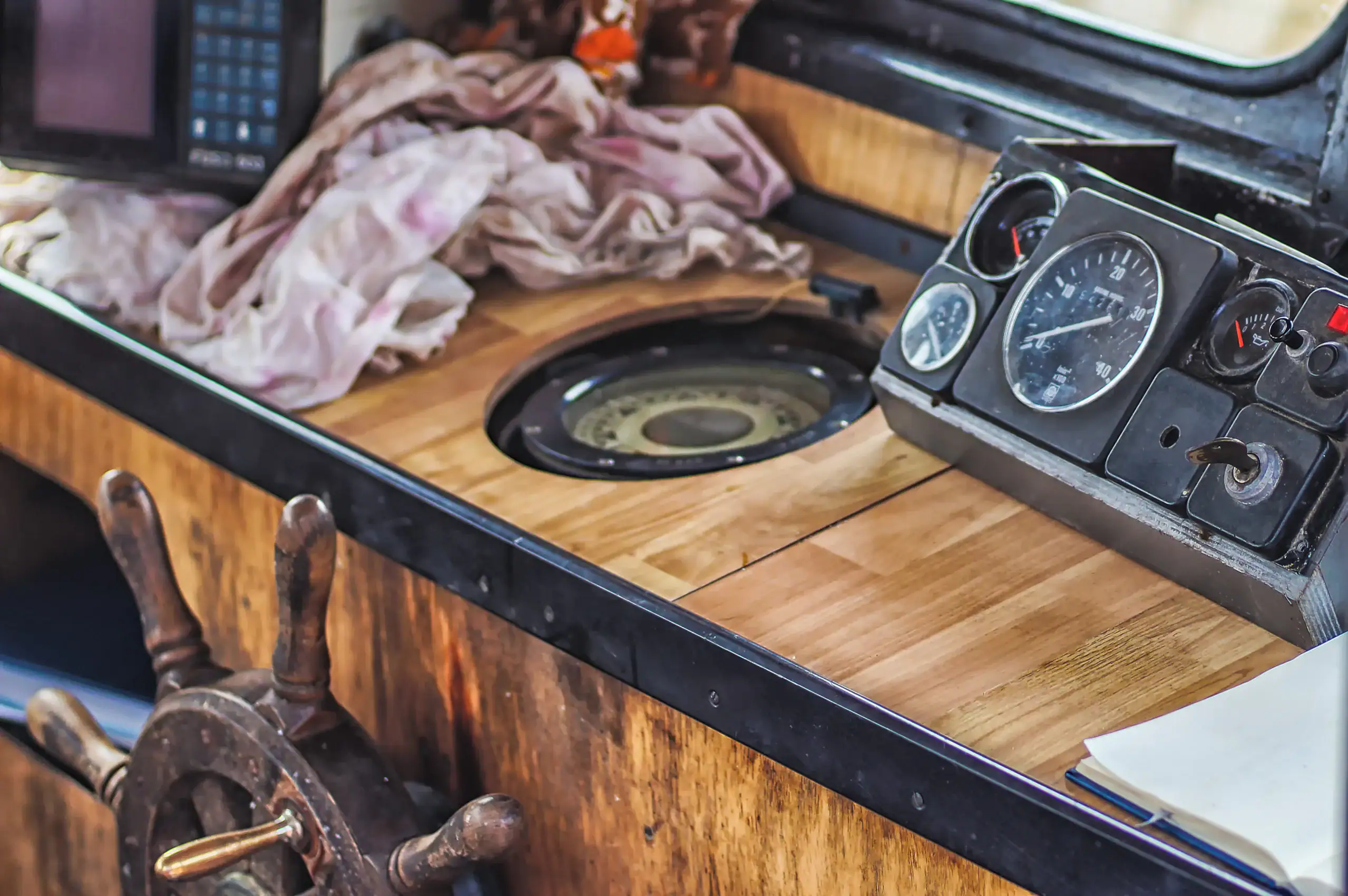
Your weekend on the water shouldn’t end with spoiled food and warm drinks. Marine refrigeration systems face challenges that land-based units never see – salt air that corrodes components, constant motion that stresses connections, and limited electrical capacity that demands efficient operation.
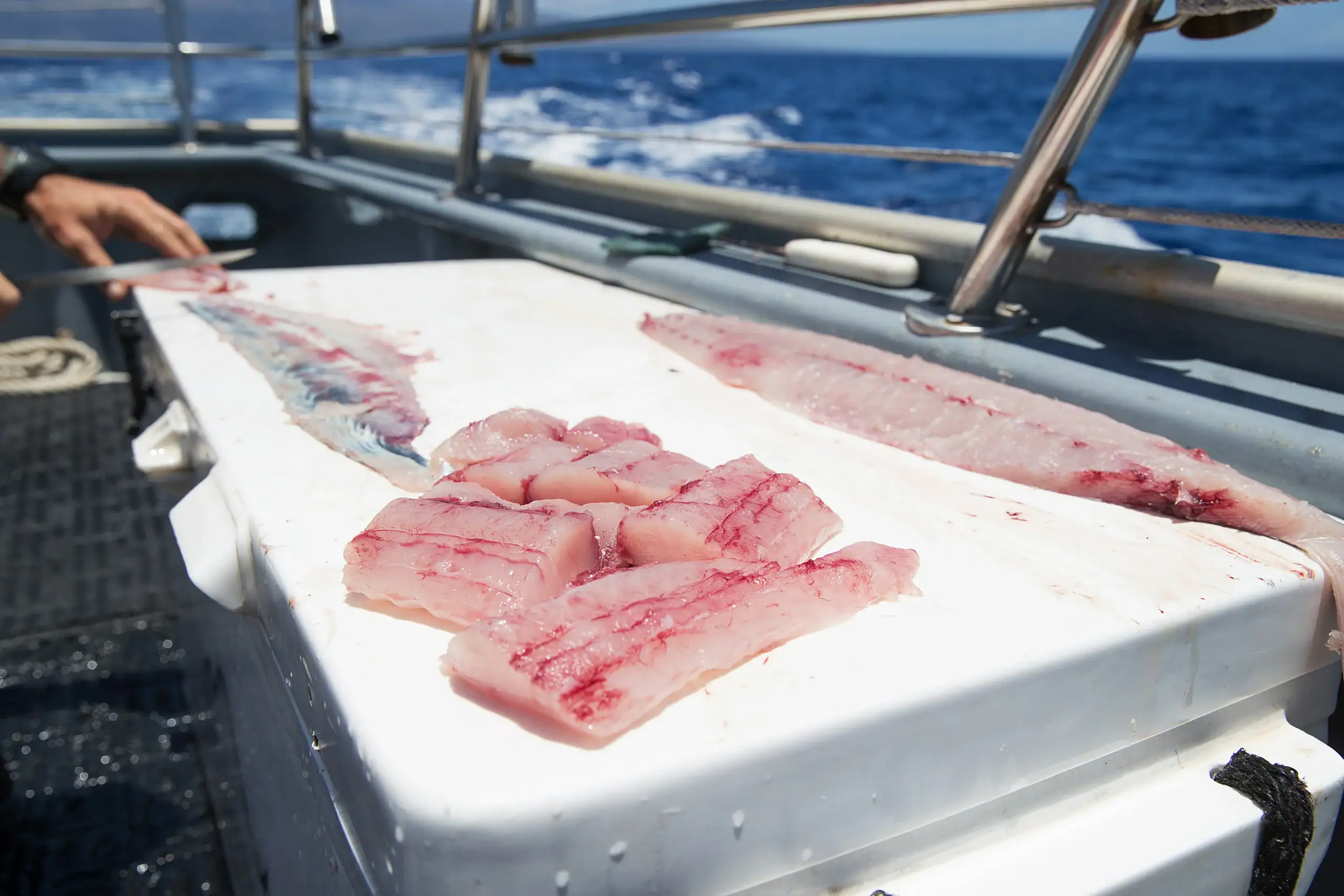
When your boat refrigeration works properly, you focus on what matters. Fresh provisions for extended trips. Cold beverages during hot summer days. Reliable food storage that lets you stay out longer without worry.
We use marine-grade components designed for these conditions and understand boat electrical systems, proper ventilation, and space-efficient installations. Whether you need emergency service during boating season or new system installation during winter storage, we handle everything from small cabin refrigerators to large yacht galley systems.
We’ve been delivering exceptional refrigeration and HVAC solutions for over 40 years. We’ve seen every type of marine refrigeration challenge that Long Island boat owners face – from corroded evaporators to failed compressors during July heat waves.
Britannia Yacht Club trusts us with their fleet, and individual boat owners rely on us for reliable climate control. Our licensed and insured team provides reliable, specialized services tailored to meet your needs. We understand Hicksville’s boating community and the unique demands of Long Island Sound’s marine environment.
Hicksville boat owners know that marine refrigeration isn’t just about keeping things cold – it’s about systems that work when you’re miles from shore with no backup plan.
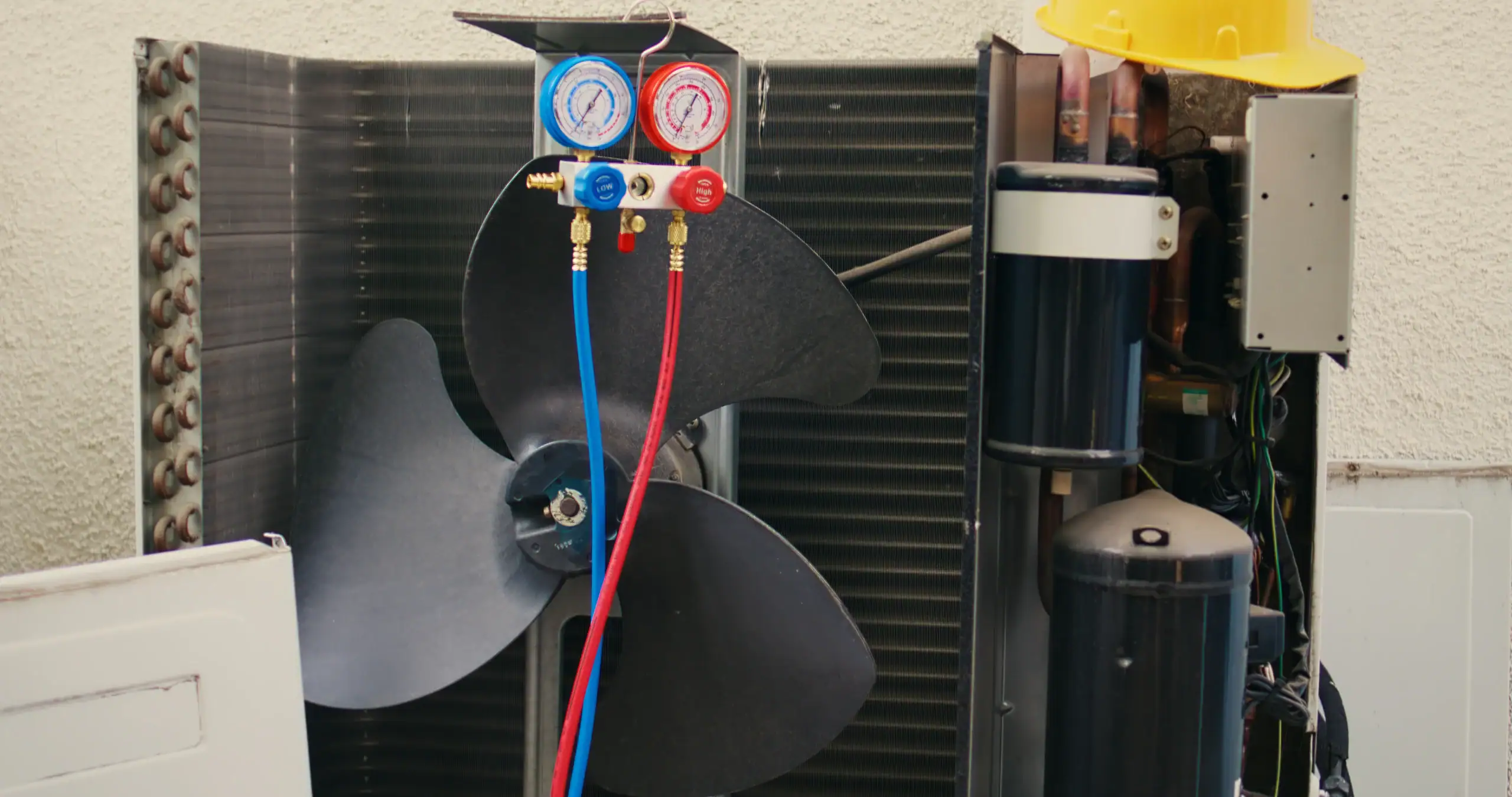
Every marine refrigeration project starts with understanding your boat’s specific requirements. We assess your electrical capacity, available space, and cooling needs before recommending equipment that actually fits your situation.
Installation begins with proper mounting and securing all components for marine environments. We focus on proper ventilation and space-efficient installations that won’t interfere with your boat’s operation. All electrical connections use marine-grade wiring and corrosion-resistant fittings.
Testing includes full system operation under load conditions. We verify proper refrigerant levels, check all safety systems, and ensure your new equipment integrates correctly with existing boat systems. You get complete operating instructions and maintenance recommendations specific to your installation.
Ready to get started?
Marine systems are actually more complex than land-based commercial refrigeration because of space constraints, power limitations, and saltwater corrosion. Your service includes comprehensive system inspection, cleaning of condenser coils affected by salt air, and checking all electrical connections for corrosion.
We test refrigerant levels, inspect door seals and gaskets, and verify proper drainage operation. Marine refrigeration systems need more frequent attention due to constant exposure to salt spray and humidity. Long Island’s marine environment accelerates wear on standard components, so we use marine-grade parts designed for these conditions.
We handle emergency service during boating season and new system installation during winter storage. Hicksville boat owners get priority scheduling during peak season when refrigeration problems can ruin planned trips. Our service trucks carry marine-specific parts to complete most repairs on the first visit.
Marine refrigeration systems need more frequent attention due to constant exposure to salt spray and humidity. We typically recommend service twice per year for recreational boats – once before boating season and once during winter storage preparation.
Boats used frequently or kept in saltwater require quarterly attention. The salt air accelerates corrosion and dirt buildup that can cause efficiency problems and premature equipment failure. Regular maintenance catches small problems before they become expensive failures that leave you stranded with spoiled provisions.
High-use vessels like charter boats or liveaboards need more frequent service calls. The constant operation and exposure to marine conditions stress components beyond what typical recreational use demands.
Boat refrigeration faces unique challenges – limited electrical capacity, constant motion, humid conditions, and salt air that destroys standard equipment. Standard household refrigeration components fail quickly in marine environments because they weren’t designed for saltwater corrosion or constant movement.
Marine systems require specialized compressors that handle boat motion, evaporators built with corrosion-resistant materials, and electrical components sealed against moisture intrusion. We use marine-grade components designed for these conditions and understand boat electrical systems, proper ventilation, and space-efficient installations.
Power consumption matters more on boats where electrical capacity is limited. Marine refrigeration systems must operate efficiently on 12V or 24V DC systems, often with inverters that add complexity to the installation and service requirements.
We handle emergency service during boating season and understand that refrigeration problems can’t wait until winter. Our technicians are equipped to work on boats in the water at Hicksville-area marinas and harbors throughout Nassau County.
We provide 24/7 emergency service with response times typically within hours, not days. Our technicians carry extensive parts inventory in their service vehicles, which means most repairs can be completed the same day. During peak boating months, we maintain extra coverage for marine service calls.
We coordinate with marina management for access and can work around your boating schedule. Many repairs can be completed while you’re using the boat, though complex installations typically require the vessel to be stationary for proper testing and commissioning.
Our certified technicians work on all major brands and have experience with both older systems and the latest energy-efficient models. We service popular marine refrigeration brands including Sea Frost, Adler Barbour, Frigoboat, Isotherm, and Dometic systems commonly found on Long Island boats.
We use authentic manufacturer parts to ensure lasting repairs and protect your equipment investment long-term. Our parts inventory includes components for both current production models and older systems that many service companies can’t support.
Every technician holds EPA 608 refrigerant certification and meets all state requirements for safe, professional service. This certification is required for legal refrigerant handling and ensures proper environmental compliance during service and repairs.
We offer customized maintenance contracts tailored to your specific equipment and business needs. These contracts include priority service, discounted repair rates, regular preventive maintenance visits, and detailed equipment records.
Marine maintenance contracts make sense for boat owners who want predictable costs and priority service during peak season. Contract customers receive faster response times during emergencies and often avoid the most common equipment failures through our proactive approach.
Having a service contract gives you predictable maintenance costs, extends equipment life, and provides peace of mind knowing your refrigeration systems receive professional attention before problems develop. This is especially valuable for marine systems that face harsher operating conditions than land-based equipment.
First, check that the unit is receiving power and that circuit breakers haven’t tripped. Ensure the door is sealing properly and hasn’t been left open. Check your boat’s battery voltage – low batteries can cause refrigeration systems to shut down or operate inefficiently.
If basic checks don’t resolve the problem, contact us immediately for emergency service. When your boat refrigeration fails, every hour counts toward preventing food spoilage and ruined trips. That’s why we prioritize emergency requests and dispatch the closest available technician immediately.
Don’t attempt to add refrigerant or perform electrical repairs yourself. Marine refrigeration systems operate under pressure and require EPA-certified technicians for safe service. Improper repairs can damage expensive components and create safety hazards on your vessel.