Hear from Our Customers
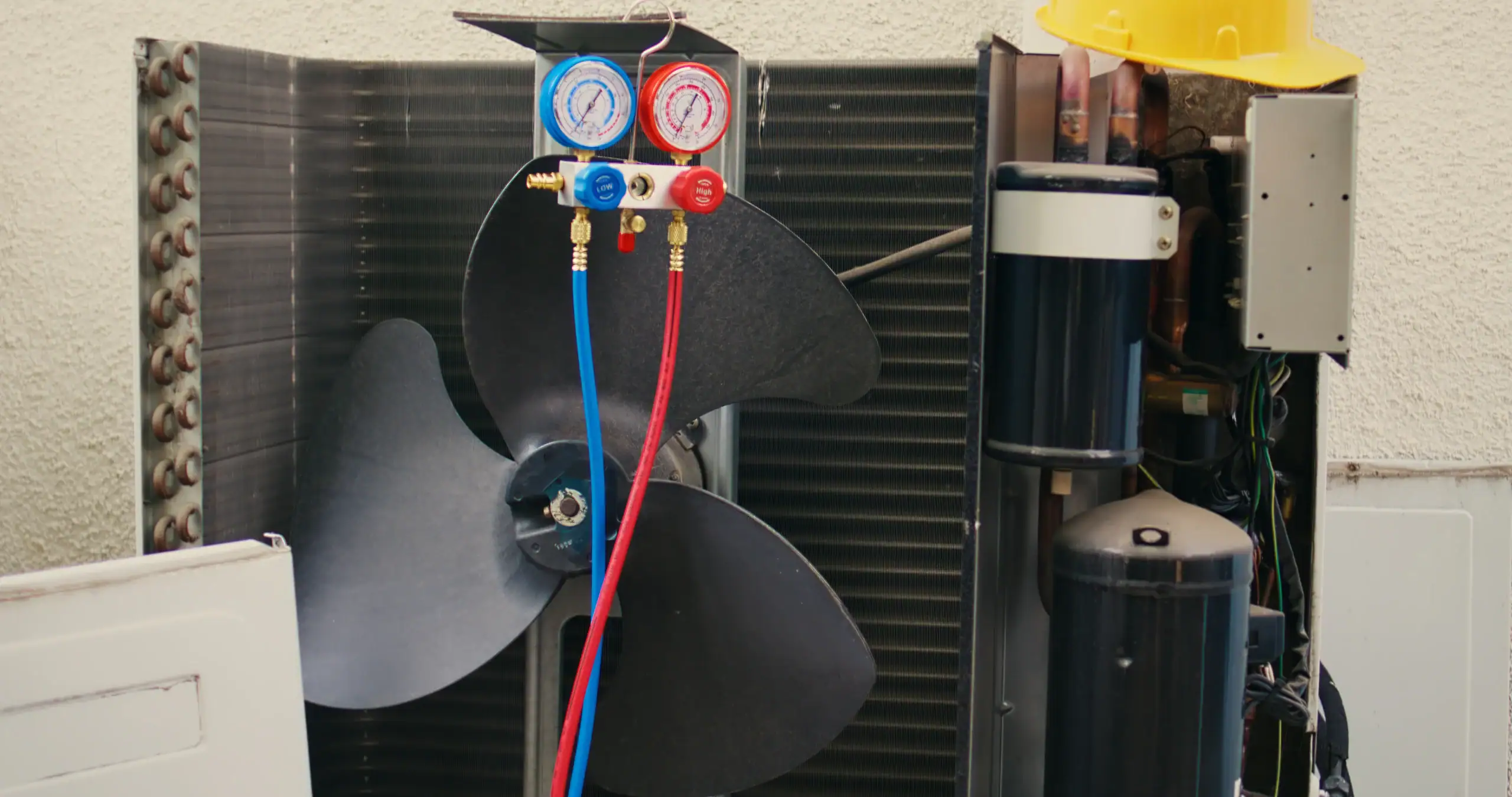
Your marine refrigeration system runs quietly in the background, preserving food and drinks without draining your batteries. No more worrying about system failures during weekend trips or extended voyages.
You get consistent temperatures that keep everything fresh, from morning coffee creamer to evening catch. Energy-efficient operation means longer time on the water without battery concerns.
Professional installation and service means your cooling system integrates seamlessly with your boat’s electrical system. When issues arise, you have experienced technicians who understand marine environments and can diagnose problems quickly.
Chill Xpert Solutions has served Long Island boat owners for over 40 years, specializing in marine refrigeration and HVAC systems. We bring unique expertise from both marine and commercial refrigeration sectors.
Local boat owners in Levittown and surrounding Nassau County communities rely on our factory-trained technicians for installations, repairs, and custom cooling solutions. Our team understands the specific challenges of marine environments—from constant vibration to limited electrical capacity.
With dozens of five-star reviews, we’ve built our reputation on transparent pricing, reliable service, and technical expertise that other contractors simply can’t match.
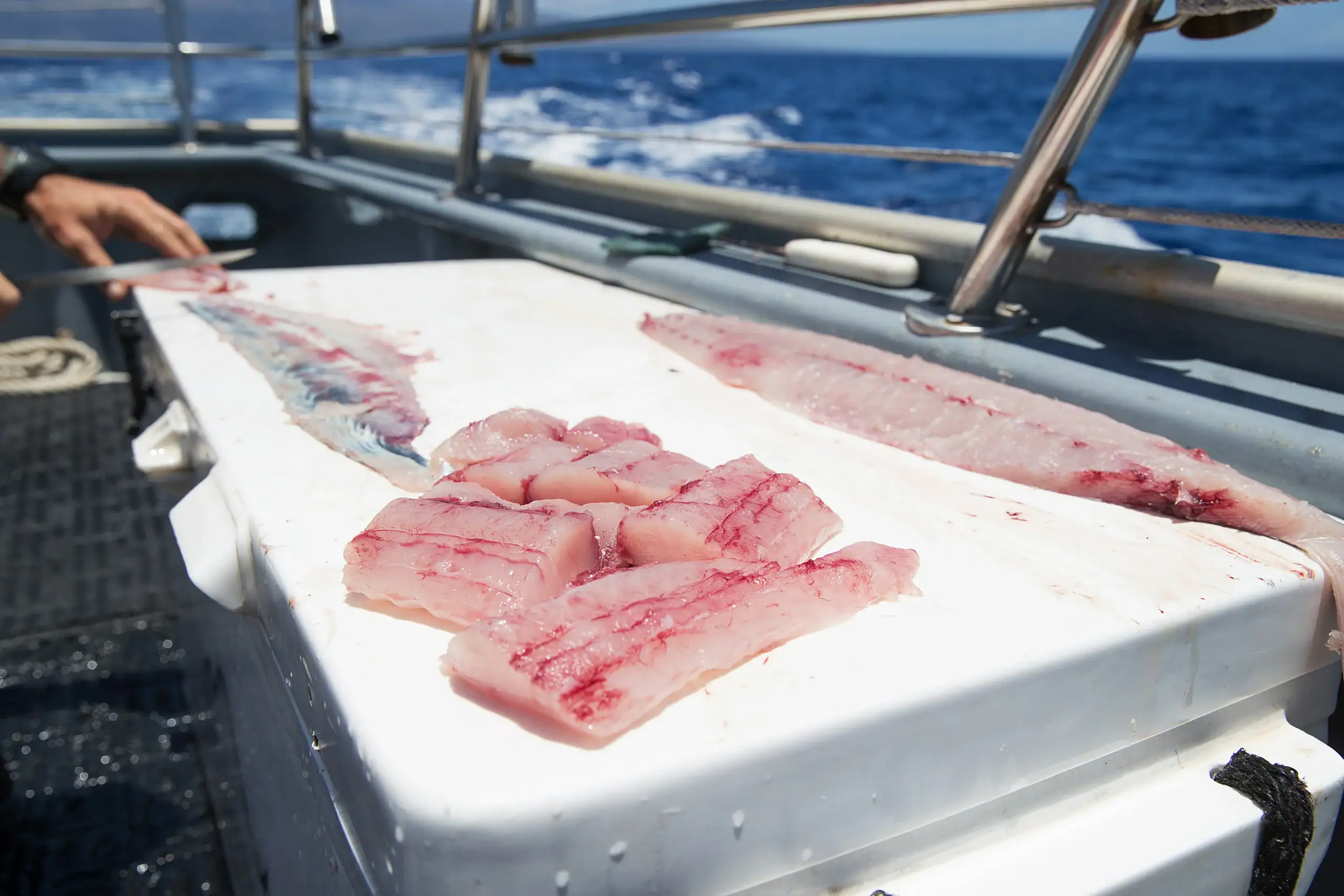
The process starts with a thorough assessment of your boat’s electrical system, available space, and cooling requirements. Every installation begins with understanding your specific needs—whether it’s a compact unit for weekend fishing or a full galley system for extended cruising.
Next comes system design and component selection. We match refrigeration capacity to your boat’s power limitations while ensuring optimal placement for both performance and access. Custom installations often require creative solutions to work within your boat’s unique configuration.
Installation involves precise electrical connections, proper mounting to handle marine vibration, and thorough testing under various operating conditions. Final commissioning includes training you on system operation and maintenance requirements to maximize performance and lifespan.
Ready to get started?
Our services include new system installations, emergency repairs, routine maintenance, and custom cooling solutions for unique applications. We handle all major marine refrigeration brands with comprehensive parts inventory for faster repairs.
Long Island’s marine environment presents specific challenges—salt air corrosion, constant vibration, and limited electrical capacity. Local boat owners face peak demand during summer months when refrigeration failures can ruin fishing trips or family outings.
Emergency service availability means you’re not stranded with a failed cooling system during critical times. Free estimates provide transparent pricing before any work begins, and 24/7 consulting helps you make informed decisions about repairs versus replacement.
Marine refrigeration power consumption varies significantly based on system size, insulation quality, and ambient conditions. A typical 12V marine refrigerator draws 4-6 amps when running, cycling on and off based on temperature settings and usage patterns.
Modern energy-efficient systems can reduce power consumption by 30-40% compared to older units. Proper insulation and strategic placement away from heat sources further minimize power draw.
For extended cruising, consider systems with dual compressor options or supplemental battery capacity. Professional assessment of your boat’s electrical system helps determine the right balance between cooling capacity and power consumption for your specific usage patterns.
Marine refrigeration systems are engineered to handle constant vibration, tilting, and harsh saltwater environments that would quickly destroy household units. They feature reinforced mounting systems, sealed electrical connections, and specialized compressors designed for mobile applications.
Marine units operate on 12V or 24V DC power systems rather than standard 120V AC household current. They’re built with corrosion-resistant materials and enhanced insulation to maintain efficiency in varying temperatures and humidity levels.
The cooling systems also incorporate features like automatic defrost cycles and vibration-dampening mounts. These specialized components cost more initially but provide reliable operation in marine environments where household refrigerators would fail within months.
Professional maintenance should occur annually before the boating season, with additional service as needed based on usage patterns. Heavy-use vessels or those in saltwater environments may require more frequent attention to prevent corrosion and ensure optimal performance.
Annual service includes cleaning condenser coils, checking refrigerant levels, inspecting electrical connections, and testing safety systems. Early detection of wear prevents costly failures during peak boating season when repair availability is limited.
Between professional services, boat owners should clean exterior surfaces, check door seals, and monitor performance indicators. Any unusual noises, temperature fluctuations, or increased power consumption warrant immediate professional assessment to prevent system failure.
Yes, we can retrofit marine refrigeration into most boats with adequate electrical capacity and space for equipment installation. The process involves assessing your boat’s power system, available installation locations, and cooling requirements to design an appropriate solution.
Retrofits often require creative solutions for component placement, electrical routing, and ventilation. Custom installations may involve modifying existing storage areas or creating new compartments to accommodate refrigeration equipment while maintaining boat functionality.
Electrical system evaluation is critical—older boats may need charging system upgrades or additional battery capacity to support refrigeration loads. We provide professional assessment to determine feasibility and accurate cost estimates for complete installation including any necessary electrical modifications.
First, check basic items: ensure power connections are secure, circuit breakers haven’t tripped, and battery voltage is adequate. Many apparent failures are actually electrical supply issues rather than refrigeration system problems.
If power supply checks out, avoid opening the refrigerator unnecessarily to preserve existing cooling. Document any unusual sounds, smells, or visible issues to help our technicians diagnose the problem when you return to port.
For emergency situations, contact our 24/7 consulting service for troubleshooting guidance. We can often walk you through basic diagnostic steps or temporary solutions to get you through the trip. Upon return, immediate professional service prevents food spoilage and identifies whether repair or replacement is most cost-effective.
System sizing depends on boat size, crew capacity, trip duration, and food storage requirements. A weekend fishing boat needs different capacity than a liveaboard cruiser or charter vessel with multiple passengers.
Calculate required capacity based on food volume, beverage storage, and any specialized needs like bait storage or medication refrigeration. Factor in your boat’s electrical capacity and available installation space when determining system specifications.
Professional assessment considers all these variables plus your boat’s specific configuration and usage patterns. We evaluate power limitations, ventilation requirements, and optimal placement to recommend systems that provide adequate cooling without overwhelming your electrical system or compromising boat functionality.