Hear from Our Customers
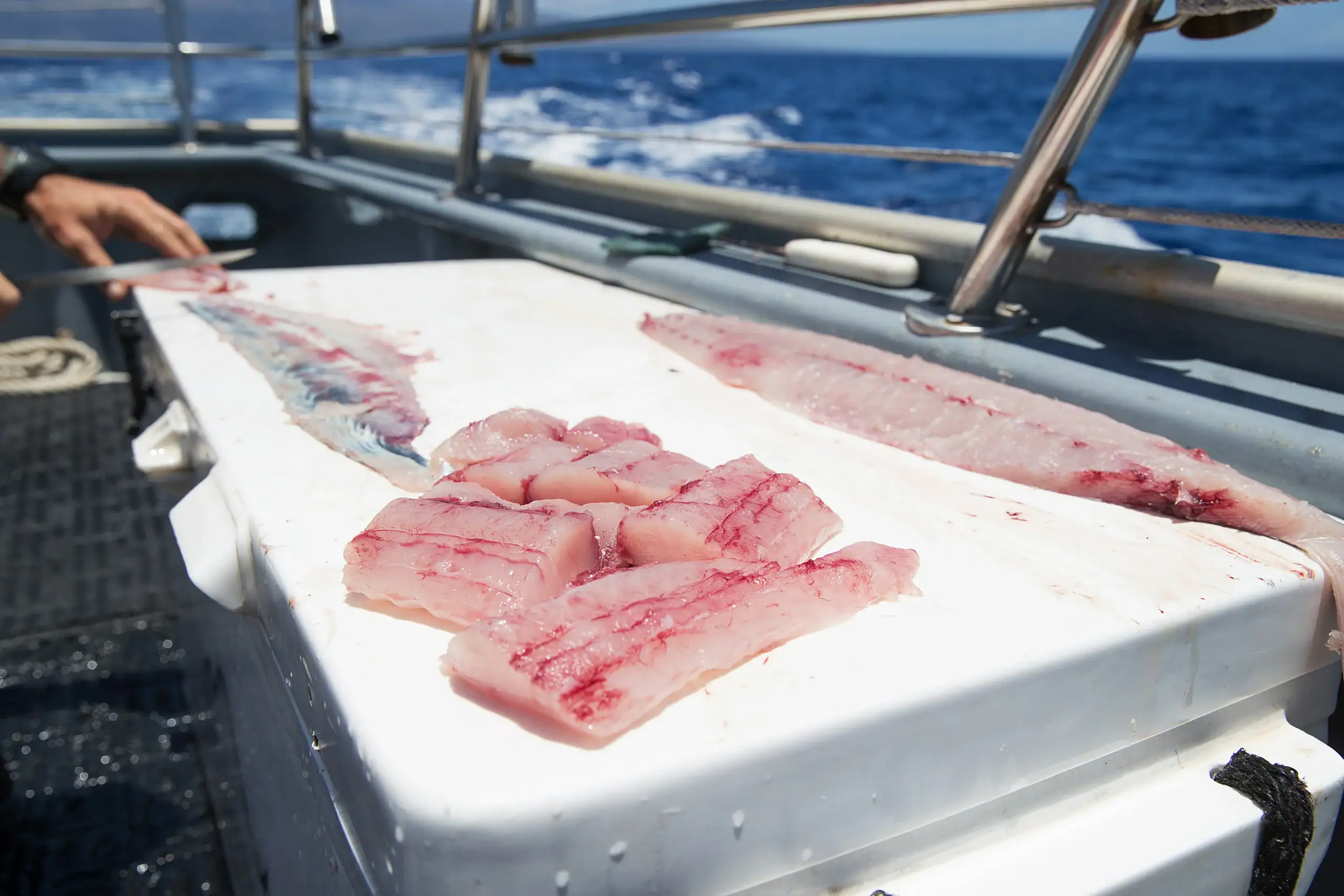
When your marine refrigeration works the way it should, you’re not scrambling to save spoiled food or sweating through a weekend on the water. You’re enjoying your boat the way you’re supposed to.
That’s what happens when systems are installed right and maintained by people who know what they’re doing. Your boat air conditioning cools the cabin down fast. Your refrigeration keeps provisions fresh for days. And when something does go wrong, you’ve got someone to call who can actually fix it—not just throw parts at the problem and hope.
Most boat owners deal with the same frustrations: high pressure faults that shut everything down, weak cooling that barely keeps up, or technicians who treat marine HVAC like they’re working on a house. Marine refrigeration is different. The salt air, the seawater cooling, the power constraints, the constant motion—it all matters. And if your tech doesn’t get that, you’re going to keep having problems.
We’ve been handling marine refrigeration and boat air conditioning across Long Island for over 40 years. That’s not just time in business—it’s 40 years of learning every system, every failure point, and every workaround that actually works on the water.
We serve boat owners throughout Manorville and the broader Suffolk County area, bringing the same expertise we use for commercial clients like airports and restaurants to your vessel. Dozens of five-star reviews back up what we already know: when you specialize in marine HVAC and refrigeration services this long, you get good at it.
What sets us apart is simple—we’re available when you need us with 24/7 consulting, we don’t charge you to hear what’s wrong with free estimates, and we communicate like actual people. No runaround, no jargon you don’t need, just straight answers about what’s broken and how to fix it.
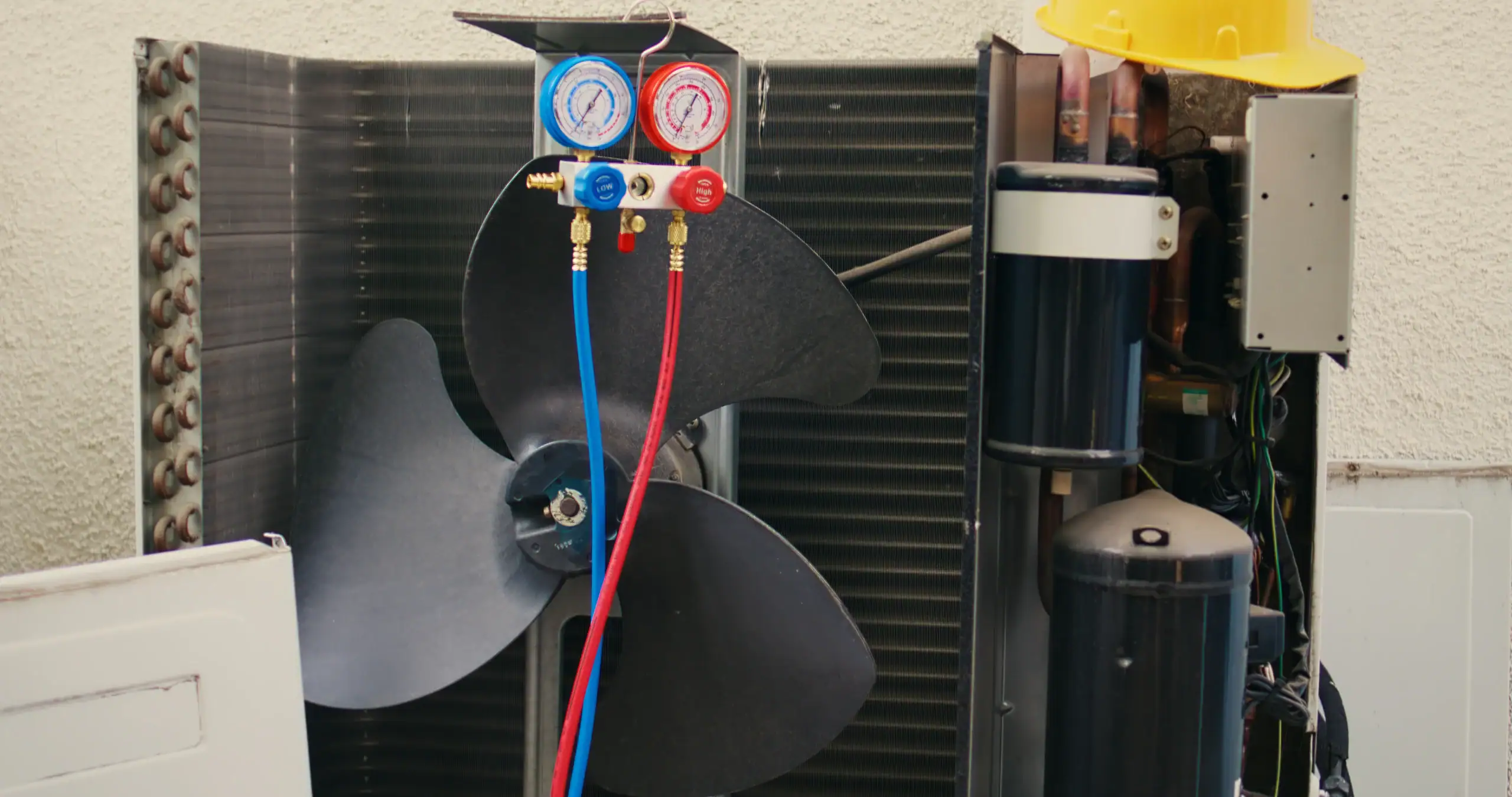
First, we diagnose what’s actually wrong with your boat refrigeration or marine AC system. Not what we think might be wrong—what is wrong. That means checking water flow, inspecting air flow through filters and coils, testing electrical connections, and looking at the whole system the way it operates on your boat.
If you’re getting a high pressure fault, we’re checking for the usual culprits: clogged seawater lines, marine growth blocking the condenser, a failing pump. If cooling is weak, we’re measuring temperature differentials, checking refrigerant levels, and making sure your system is sized right for your vessel. This is the part where experience with boat HVAC matters—knowing what to look for saves you time and money.
Once we’ve pinpointed the issue, we explain it in plain language. Then we fix it—whether that’s flushing out marine scum buildup, replacing worn components like pumps or seals, recharging refrigerant, or installing new equipment when repair doesn’t make sense anymore. After the work is done, we test everything to make sure it’s actually performing the way it should.
You also get recommendations for preventing the same problem down the road. Refrigeration maintenance schedules, winterization plans, things to keep an eye on. The goal is to keep you on the water, not stuck at the dock waiting for parts.
Ready to get started?
We handle the full scope of marine refrigeration and boat air conditioning work. New installations when you’re upgrading or adding systems. Repairs when something breaks—compressors, pumps, condensers, whatever failed. Refrigeration maintenance to keep everything running efficiently and catch problems before they strand you. And emergency boat AC repair when your system quits in the middle of a heatwave.
For boat owners in Manorville and across Long Island, that matters. The marine environment here is tough on cooling systems. Saltwater promotes corrosion and marine growth that clogs lines and reduces efficiency. Summer heat pushes boat refrigeration systems hard. Winter cold requires proper winterization to prevent freeze damage. You need someone who understands these local conditions and knows how to work with them.
We also handle complex marine HVAC installations that most companies won’t touch—custom cooling solutions, specialized refrigeration setups, even beer systems for commercial vessels. If it needs to stay cold on a boat, we’ve probably built or fixed one before. That versatility comes from working on everything from small recreational boats to large commercial operations.
And because we also do commercial refrigeration for restaurants, delis, and catering halls, we bring a level of expertise to marine work that pure marine-only companies sometimes lack. We understand refrigeration systems at a deeper level, which shows up in how we troubleshoot and solve problems.
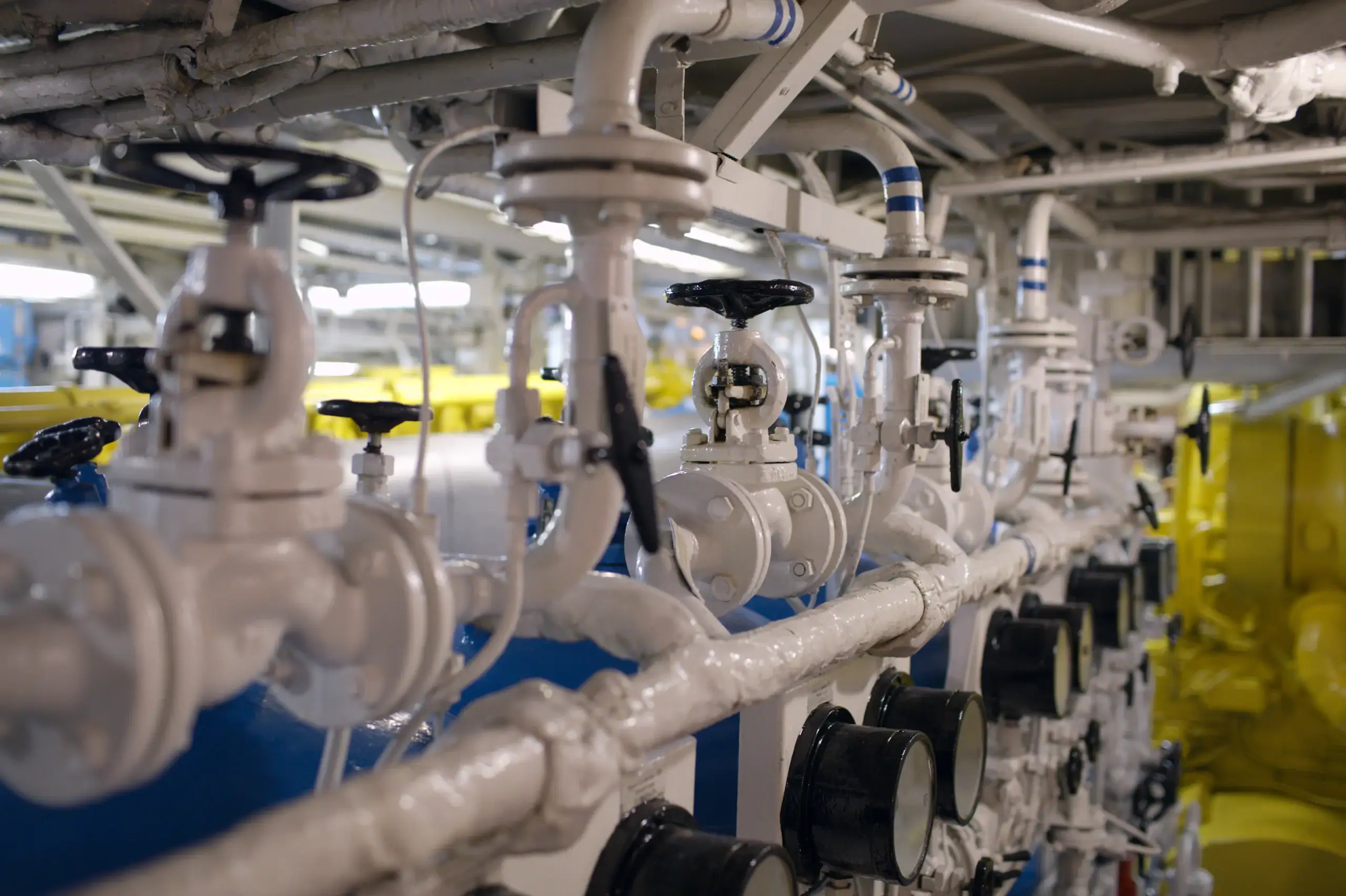
High pressure faults are usually caused by restricted water flow to your marine AC system. Seawater cooling is how these systems work, and when flow gets reduced, pressure builds up and triggers the safety switch.
The most common culprit is marine growth. Barnacles, algae, and other organisms grow inside the hoses and pipes that supply seawater to your air conditioner. Over time, this buildup restricts flow enough to cause overheating. A clogged sea strainer can do the same thing—if debris blocks the strainer, not enough water reaches the system.
Sometimes the problem is a failing seawater pump. If the pump isn’t moving water effectively anymore, you’ll get the same high pressure result. Less common but still possible: your condenser coils are caked with marine scum and need to be flushed. This typically happens every few years depending on where you boat and how much you use the system. The fix depends on what’s actually causing the restriction, but it’s almost always water flow related.
Most marine refrigeration and AC systems should be professionally serviced at least twice a year. Once before the boating season starts to make sure everything’s ready for summer, and once at the end of the season for winterization and catching any issues that developed during use.
If you use your boat heavily or keep it in an area with significant marine growth, you might need more frequent service. The marine environment is hard on these systems. Salt air corrodes components, seawater promotes biological growth in cooling lines, and the constant motion and vibration can loosen connections or wear parts faster than land-based systems.
Between professional service visits, you should be doing basic maintenance yourself—cleaning sea strainers regularly, checking for unusual noises or weak cooling, and making sure filters are clean. But the technical stuff like flushing condenser coils, checking refrigerant levels, inspecting electrical connections, and testing system performance should be left to someone with the right tools and training. Skipping professional maintenance usually leads to breakdowns at the worst possible times and more expensive repairs down the road.
Technically yes, but practically no—not if you want it done right. Marine refrigeration and air conditioning systems have unique characteristics that most residential or commercial HVAC techs never deal with.
The biggest difference is seawater cooling. Your boat’s AC uses raw seawater pumped through the system to remove heat, not air like a house. That means dealing with corrosion, marine growth, through-hull fittings, and seawater pumps that most HVAC techs have never touched. They also need to understand power constraints—your boat runs on limited battery power when away from the dock, so efficiency and proper sizing matter more than in a building with unlimited shore power.
Marine systems also deal with constant motion, lack of insulation, humidity control challenges, and the need for winterization to prevent freeze damage. The troubleshooting process is different, the components are often specialized, and the installation requirements are specific to marine environments. A good marine refrigeration tech knows all this from experience. A regular HVAC tech is learning on your boat, which usually means longer service calls, misdiagnosed problems, and repairs that don’t last.
Winterizing marine AC prevents freeze damage to the heat exchanger and other components where water sits when the system isn’t running. If that water freezes, it expands and can crack the heat exchanger or damage valves and fittings. That’s an expensive repair that’s completely avoidable.
The process involves running an approved antifreeze solution through the entire AC system and out the discharge port. Sounds simple, but most marine AC pumps aren’t self-priming, which means you can’t just pour antifreeze in and expect it to go where it needs to. A professional knows how to prime the system, get the antifreeze flowing through all the right passages, and verify that water has been displaced from areas where freezing could cause damage.
At the same time, a good tech will inspect the system for signs of problems—corrosion, worn components, leaks, anything that should be addressed before next season. They’ll also check through-hull fittings if the boat is out of the water and make sure seals and gaskets are in good shape. Winterization is partly about freeze protection and partly about preventive maintenance. Do it right and your system fires up clean next spring. Skip it or do it wrong and you might be looking at serious repairs before you can use your boat again.
Age and repair history are the biggest factors. If your system is over 10-15 years old and you’re facing a major repair like a compressor replacement or refrigerant leak, replacement often makes more sense than repair. Newer systems are more efficient, use better refrigerants, and will give you years of reliable service versus nursing an old system along.
If you’re dealing with frequent repairs—something breaks, gets fixed, then something else fails a few months later—that’s a sign the system is at the end of its useful life. With marine systems especially, refrigerant leaks are often symptoms of broader corrosion issues. You can fix one leak, but if the whole system is corroding from years of salt air exposure, more leaks are coming.
Poor performance that doesn’t improve with maintenance is another indicator. If your system struggles to cool even after cleaning coils, checking refrigerant, and addressing airflow issues, it might be undersized for your boat or just worn out. Energy consumption matters too—if your system is draining batteries faster than it used to, a more efficient replacement will pay for itself in reduced power usage. A good marine refrigeration tech can evaluate your specific situation and give you an honest assessment of whether repair or replacement makes more financial sense.
Weak cooling usually comes down to a few common issues. Low refrigerant is one—if there’s a leak somewhere in the system, you won’t have enough refrigerant circulating to absorb and remove heat effectively. That requires finding and fixing the leak, then recharging the system with the correct amount of refrigerant.
Dirty or clogged components restrict airflow and heat transfer. If your evaporator coils are covered in dust or your air filters are clogged, not enough air moves through the system to get cooled. Same thing happens on the seawater side—if condenser coils are fouled with marine growth or scale buildup, the system can’t reject heat efficiently. Regular cleaning and flushing prevent this, but once it happens, you need professional service to clear it out properly.
Undersized systems will always struggle. If your boat’s AC was never properly sized for the space it’s cooling, or if you’ve added more heat load (more electronics, more people, more sun exposure from new windows), the system simply can’t keep up. There’s also the reality that boats have no insulation like houses do, so expecting to cool the cabin to 68 degrees in the middle of summer might not be realistic. A good marine HVAC tech can measure your system’s performance and tell you whether you have a fixable problem or unrealistic expectations for what the system can actually do.