
Hear from Our Customers
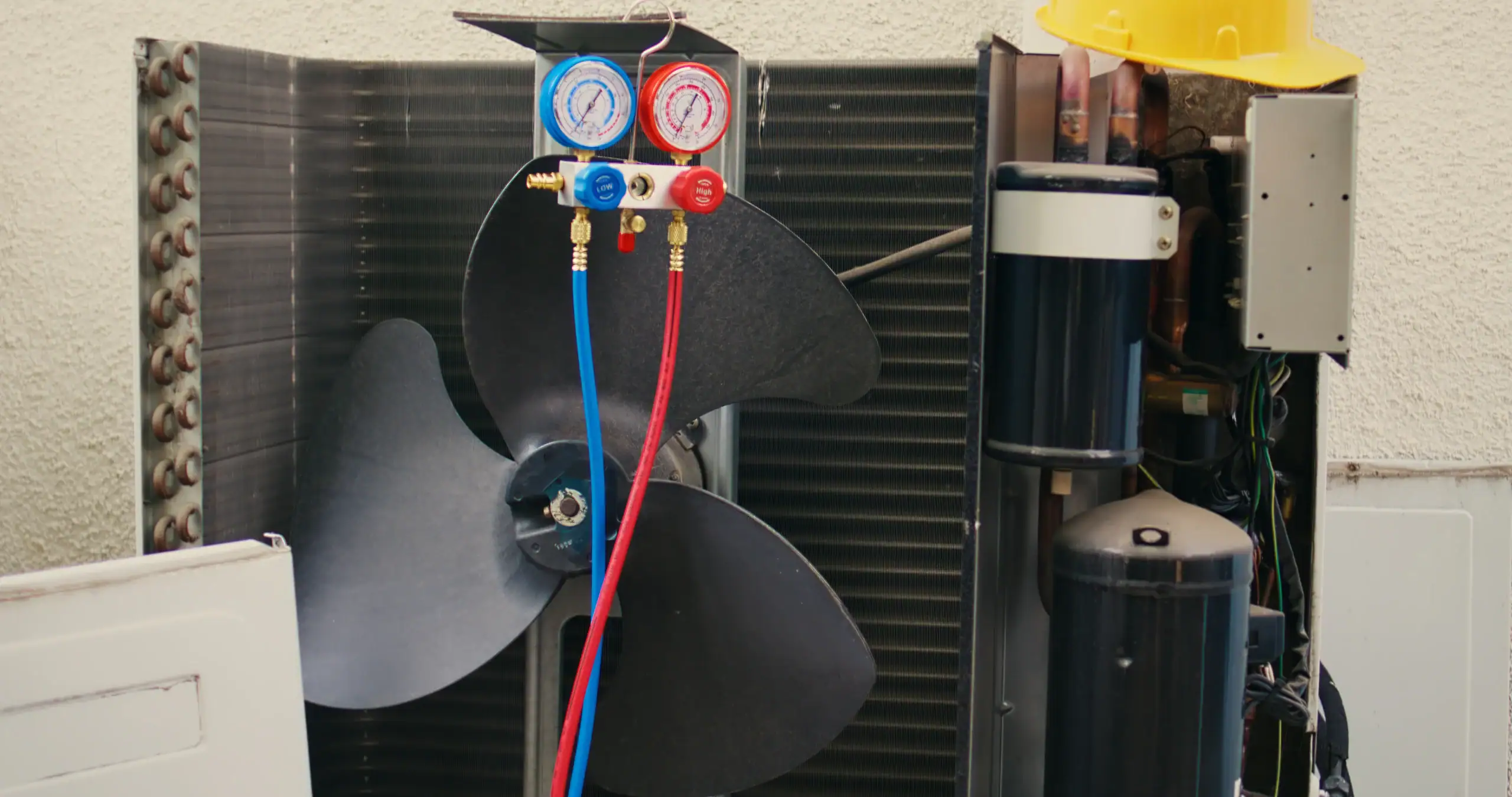
You stop worrying about whether your AC will quit mid-trip or your refrigeration will fail overnight. You stop calling around trying to find someone who actually knows marine systems. You get back to using your boat the way you’re supposed to.
When your boat air conditioning works properly, you’re comfortable even in July heat. When your marine refrigeration is dialed in, your food stays cold and your ice stays frozen. That’s not luxury—that’s baseline functionality you should expect.
The difference between a weekend ruined by system failure and a weekend spent enjoying the water comes down to one thing: having equipment installed and maintained by people who specialize in marine environments. Not residential techs trying to figure it out. Not general HVAC companies guessing at marine-specific challenges.
We’ve spent over 40 years working on marine refrigeration and boat HVAC systems throughout Long Island. We serve boat owners across Mastic and the surrounding South Shore communities who need reliable climate control on the water.
We handle everything from straightforward installations to complex custom refrigeration setups that other providers turn down. We’re available 24/7 for consulting, provide free estimates upfront, and have built our reputation on dozens of five-star reviews from boat owners who needed their systems fixed right.
Mastic’s location on Moriches Bay means boats here face constant exposure to saltwater, humidity, and the demanding conditions of Long Island’s marine environment. That requires service providers who understand how these factors affect refrigeration and AC performance—and how to account for them during installation and maintenance.
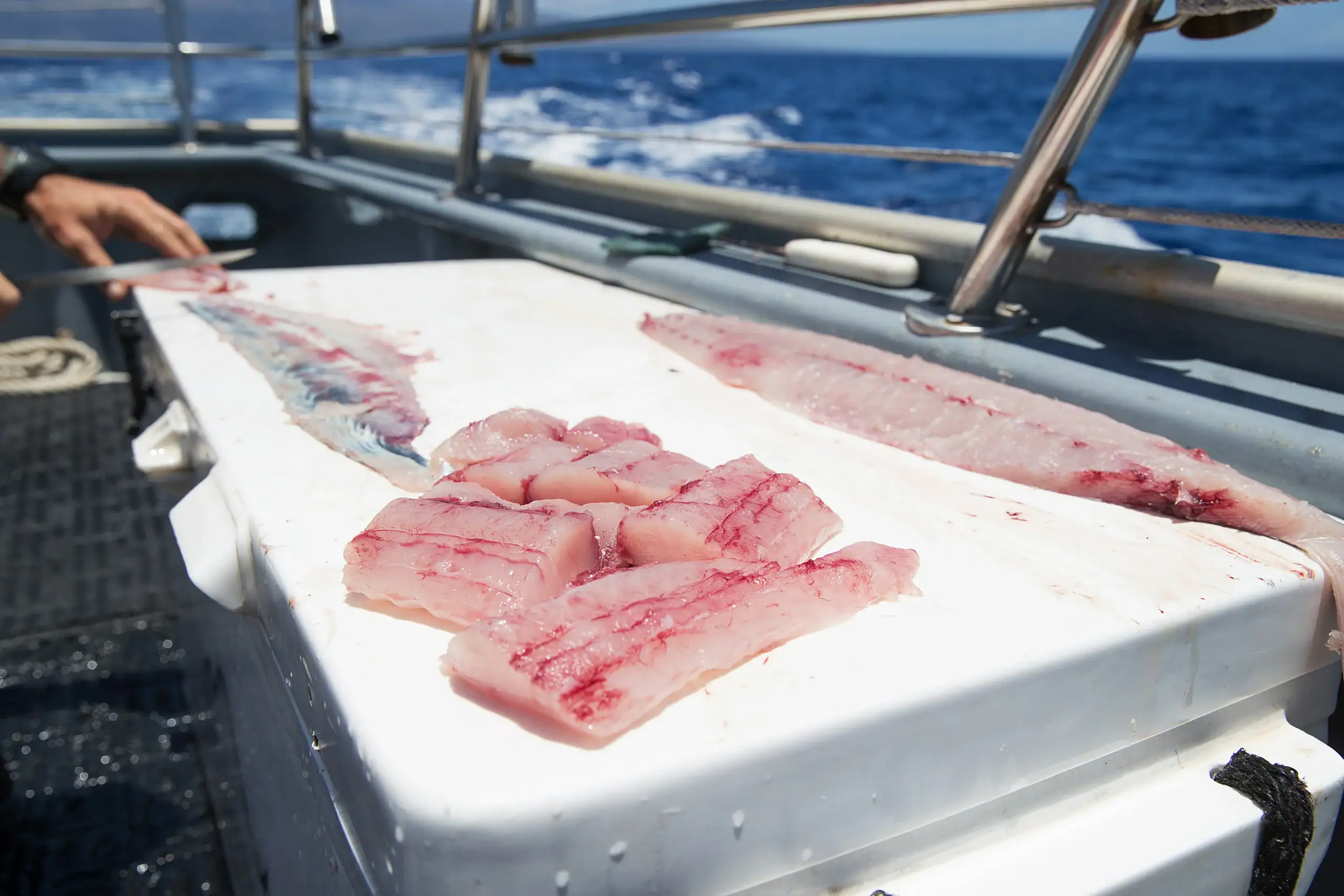
You reach out for a free estimate. No runaround, no vague pricing—just a clear assessment of what your boat needs and what it’ll cost.
If you move forward, we schedule a time that works with your availability and the boat’s location. We arrive with the right equipment and parts for marine applications, not residential substitutes that won’t hold up in saltwater conditions.
During installation or repair, we account for the specific challenges your boat faces: proper drainage for AC condensate, vibration-resistant mounting, corrosion-resistant components, and electrical systems that can handle marine loads. We test everything before calling it complete.
After the work’s done, you have access to 24/7 consulting if questions come up. If something doesn’t perform as expected, we address it. The goal is a system that works reliably so you can stop thinking about your boat’s climate control and start using your vessel.
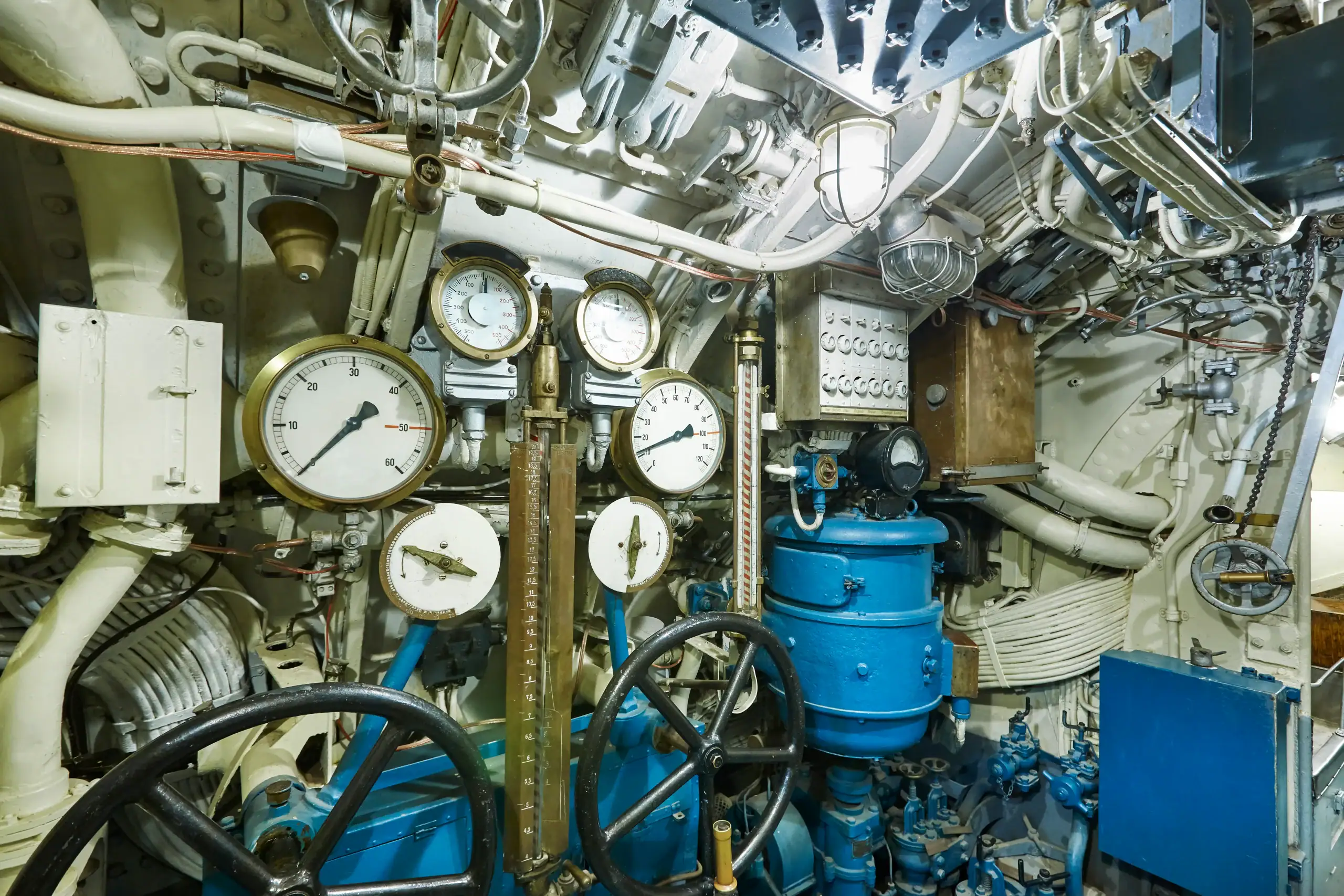
Ready to get started?
Marine refrigeration services cover installation of new systems, repair of existing units, and preventive maintenance to catch problems before they strand you. This includes compressor diagnostics, refrigerant management, electrical troubleshooting, and custom capacity planning based on your boat’s size and usage patterns.
Boat air conditioning work addresses everything from complete system installation to repairs on existing marine AC units. We handle seawater cooling systems, raw water pump service, condensate drainage, and proper sizing to ensure adequate cooling capacity for your vessel’s layout.
For Mastic boat owners, this matters because Long Island’s summer heat and high humidity create demanding conditions for marine climate control. Your systems work harder here than they would in cooler climates. Undersized equipment or improper installation leads to constant failures during the exact season you want to use your boat most.
Refrigeration maintenance includes checking for refrigerant leaks, inspecting electrical connections for corrosion, verifying compressor function, and ensuring your system maintains proper temperatures even when ambient conditions spike. Marine HVAC maintenance covers filter replacement, seawater system inspection, pump service, and performance testing under load.
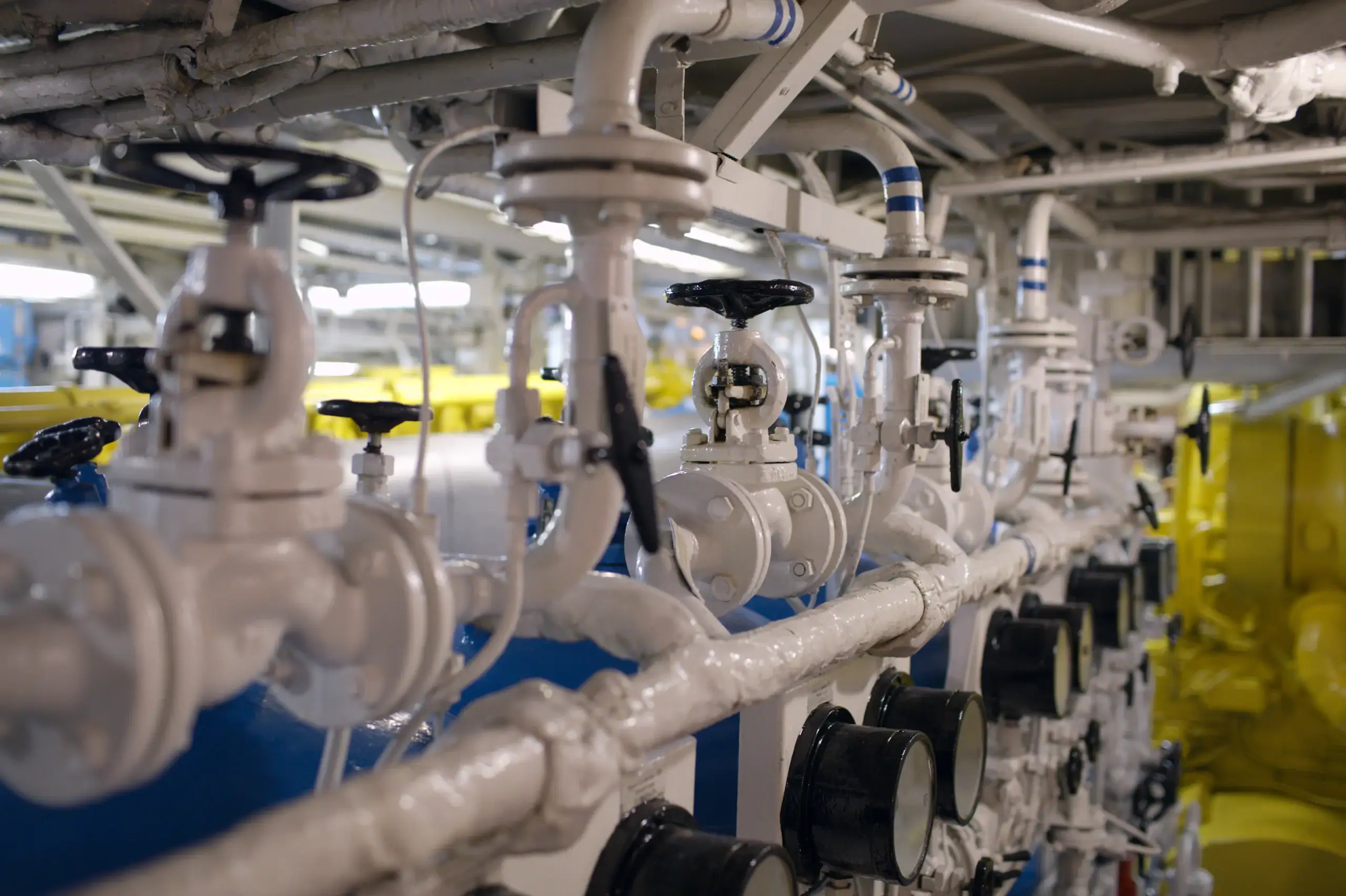
Installation time depends on your boat’s size, the complexity of the system, and whether you’re adding refrigeration to a boat that never had it or replacing an existing setup. A straightforward replacement on a boat with existing infrastructure might take one to two days. A custom installation on a larger vessel or one requiring new electrical runs, refrigerant lines, and custom mounting could take three to five days.
The timeline also accounts for proper testing and adjustment. Marine refrigeration needs to be verified under actual operating conditions, not just bench-tested. That means running the system through temperature cycles, checking for vibration issues, and ensuring it maintains temperature even when your boat’s sitting in direct sun at the dock.
For Mastic boat owners, scheduling during shoulder season—late spring before peak summer demand or early fall—often means faster turnaround than trying to squeeze in installation during July or August when everyone’s scrambling to fix systems that failed.
The most common culprit is seawater system problems. Marine AC units rely on raw water pumps to circulate seawater through the condenser for heat exchange. When pumps fail, impellers wear out, or intake screens clog with debris, the system can’t reject heat properly and cooling capacity drops.
Scale buildup inside the heat exchanger is another frequent issue, especially in Long Island waters. Mineral deposits reduce heat transfer efficiency, forcing the compressor to work harder while delivering less cooling. Refrigerant leaks also cause performance loss—marine environments are tough on connections and fittings, and vibration can work lines loose over time.
Electrical problems show up often too. Corroded connections, undersized wiring, or voltage drops under load can prevent compressors from running at full capacity. Sometimes the issue isn’t the AC unit itself but inadequate power supply to support it. A proper diagnosis checks the entire system—water side, refrigerant side, and electrical side—to identify the actual problem rather than just swapping parts and hoping.
You need marine-specific equipment. Residential refrigeration isn’t built to handle constant vibration, tilting, saltwater air, and the electrical variations common on boats. Marine compressors are designed with vibration-resistant mounts and can operate at angles that would damage residential units. Marine components use corrosion-resistant materials that won’t deteriorate in the harsh environment.
Marine refrigeration also accounts for different power sources. Boats may run on shore power, generator power, or battery power depending on location and situation. Marine systems are engineered to handle these transitions and voltage fluctuations without damage. Residential units expect stable 120V power and fail quickly when that’s not available.
The cooling capacity calculation is different too. Boats have less insulation than houses, face direct sun exposure on all sides, and deal with heat loads from engines and equipment. A marine refrigeration specialist sizes the system based on these realities, not residential assumptions. Installing residential equipment might work briefly, but it’ll fail faster and cost more in the long run than doing it right from the start.
Annual maintenance before boating season is the baseline. That service should include inspecting electrical connections for corrosion, checking refrigerant levels, testing compressor operation, verifying proper drainage, and cleaning seawater intake screens. For boats used heavily during summer or kept in the water year-round, mid-season checks catch developing problems before they become failures.
Raw water pumps in marine AC systems need particular attention. Impellers should be inspected annually and replaced based on condition—they’re a wear item that fails eventually. Waiting until the impeller disintegrates and sends debris through your system turns a simple maintenance item into an expensive repair.
Mastic’s saltwater environment accelerates corrosion and scale buildup compared to freshwater locations. That means maintenance intervals here are more critical than they’d be for boats in lakes or rivers. Skipping annual service might work for a year or two, but you’re gambling on whether your system fails during a random weekday or during the one weekend you planned all year. Preventive maintenance costs less than emergency repairs and definitely costs less than a ruined trip.
Marine AC and marine refrigeration use similar refrigeration principles but serve different purposes and face different demands. Marine air conditioning focuses on climate control for the cabin—keeping you comfortable in heat and humidity. Marine refrigeration focuses on food preservation—keeping specific temperature ranges regardless of ambient conditions.
The repair approaches differ because the consequences of failure differ. When AC fails, you’re uncomfortable. When refrigeration fails, you lose food and potentially face safety issues if medications or perishables spoil. That means refrigeration systems often need more robust components and backup considerations.
From a technical standpoint, marine AC systems integrate with seawater cooling and need regular raw water system maintenance. Marine refrigeration typically uses air-cooled condensers or keel coolers, requiring different service procedures. Both face vibration and corrosion challenges, but the specific components, refrigerants, and capacity requirements vary. A qualified marine HVAC technician handles both, but the diagnostic process and repair procedures aren’t interchangeable.
Yes, but it requires proper system design and adequate battery capacity. Marine refrigeration systems can be configured to run on 12V or 24V DC power from your boat’s battery bank, allowing refrigeration even when you’re away from shore power or not running the generator. The key is matching the system’s power draw to your available battery capacity and charging setup.
High-efficiency marine refrigeration compressors designed for battery operation draw significantly less power than AC-powered systems, but they still represent a substantial load over 24 hours. You need enough battery capacity to run the refrigeration system plus your other electrical loads between charging cycles. Solar panels, wind generators, or regular engine runtime can keep batteries charged, but the math has to work for your specific usage pattern.
For Mastic boat owners who spend weekends on the water or keep boats at anchor, this becomes critical. You can’t assume any refrigeration system will work on batteries without calculating actual amp-hour requirements and available capacity. A marine refrigeration specialist should assess your electrical system, usage patterns, and charging sources before recommending a specific setup. Getting this wrong means either dead batteries or spoiled food—neither is acceptable.