Hear from Our Customers
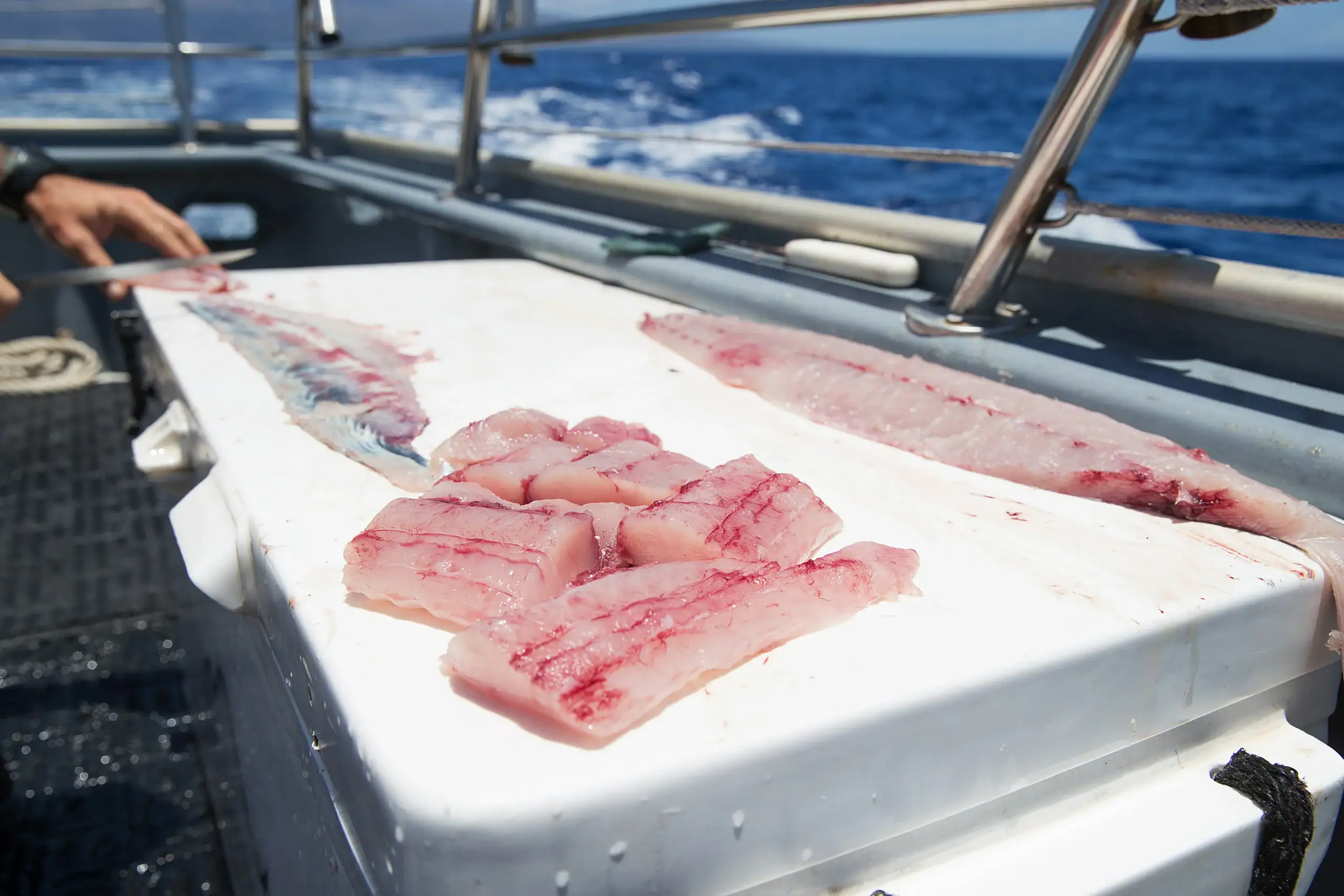
You’re out on the water to enjoy yourself, not to deal with failed refrigeration or broken AC systems. When your marine climate control works properly, your food stays fresh, your cabin stays comfortable, and your time on the water stays focused on what matters.
Proper marine refrigeration means your provisions last the entire trip. Your guests stay comfortable. Your investment in quality time doesn’t get derailed by equipment failures that could have been prevented.
The difference between a great day on the water and a miserable one often comes down to systems that simply work when you need them to.
We’ve been solving marine refrigeration and HVAC challenges in the Matinecock area for over 40 years. We serve boat owners throughout Long Island who need specialists, not generalists, working on their marine systems.
We handle everything from routine maintenance to complex custom installations that other contractors won’t touch. Our experience spans private yachts to commercial marine operations, plus diverse commercial clients including airports and restaurants.
Dozens of five-star reviews reflect our commitment to communication, reliability, and getting the job done right the first time. When your marine systems need attention, you’re dealing with people who understand both the technical requirements and the urgency of keeping your vessel operational.
The process starts with a free estimate and honest assessment of your marine refrigeration or AC system. No surprises, no inflated quotes, just clear communication about what needs to be done and what it will cost.
We arrive with the right tools and parts for marine-specific work. We understand that boat systems face unique challenges from saltwater exposure, vibration, and space constraints that land-based HVAC doesn’t deal with.
After completing the work, we test everything thoroughly and walk you through what was done. You get 24/7 consulting support if questions come up later, because we know marine systems don’t fail on convenient schedules.
Ready to get started?
Our service covers everything from emergency repairs to planned maintenance for marine refrigeration and air conditioning systems. This includes self-contained units, chilled water systems, and custom cooling solutions designed for specific vessel requirements.
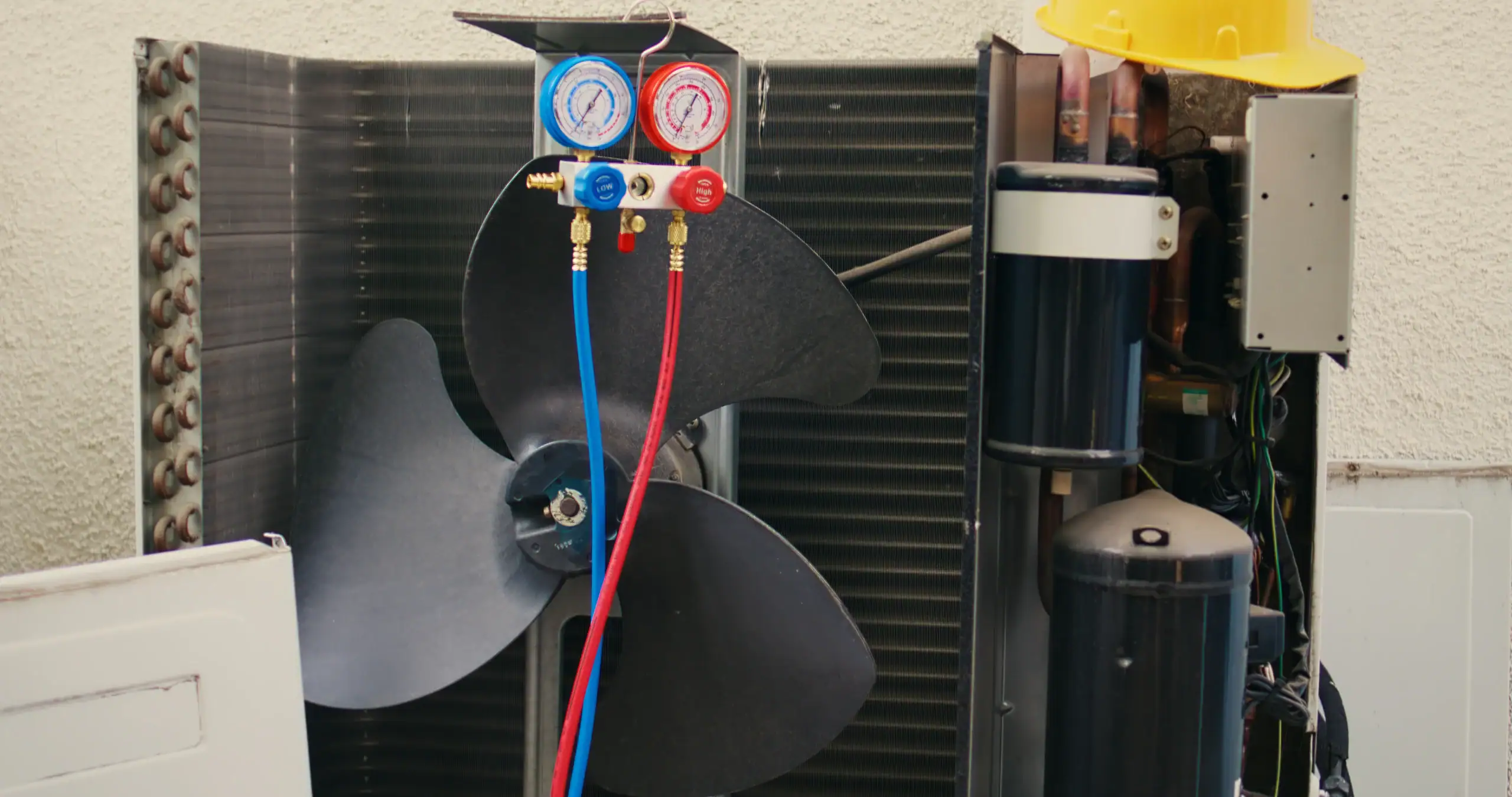
Long Island’s marine environment presents unique challenges. Salt air accelerates corrosion, and temperature fluctuations put extra stress on refrigeration components. Our local experience means we understand these conditions and spec systems accordingly.
Services include installation of new systems, retrofitting older vessels with modern equipment, and preventive maintenance that catches problems before they leave you stranded. We also handle complex commercial refrigeration for marine businesses and facilities throughout the region.
Marine refrigeration systems should be professionally serviced at least once per year, preferably before the boating season begins. However, the harsh marine environment often requires more frequent attention than land-based systems.
Salt air, constant vibration, and temperature fluctuations put extra stress on refrigeration components. Condenser coils need regular cleaning to remove salt buildup, and refrigerant levels should be checked more frequently than with standard AC units.
If you use your vessel regularly or for extended trips, consider having systems inspected every six months. This catches small issues before they become expensive failures that could ruin a trip or spoil provisions.
High pressure faults are the most frequent issue with marine AC systems, usually caused by restricted water flow or dirty air filters. When seawater intake gets blocked or air filters become clogged, the system can’t dissipate heat properly and shuts down.
Refrigerant leaks are another common problem, often caused by corrosion from salt exposure. Unlike residential systems, marine AC units face constant vibration and moisture that accelerates wear on seals and connections.
Electrical issues also occur frequently due to the marine environment’s effect on wiring and connections. Regular maintenance catches these problems early, but when refrigerant is low due to leaks, replacement is usually more cost-effective than attempting repairs on corroded systems.
Yes, most older vessels can be retrofitted with modern marine air conditioning systems, though the approach depends on available space, electrical capacity, and seawater cooling systems. Modern units are often more compact and efficient than older models.
The key considerations are power requirements, mounting space, and integration with existing through-hull fittings for seawater cooling. Some older boats may need electrical upgrades to handle modern AC loads, especially if adding multiple zones.
Custom solutions work well for unique installations where standard units don’t fit. This might involve relocating components, modifying cabinetry, or designing custom ductwork. The goal is reliable climate control that doesn’t compromise the vessel’s functionality or aesthetics.
Marine refrigeration systems are built to handle constant motion, vibration, and varying power conditions that would quickly damage residential units. They use different mounting systems, reinforced components, and often operate on 12V or 24V DC power.
The cooling systems are designed for seawater heat exchange rather than air cooling, which is more efficient in marine environments. Marine units also have better insulation and tighter seals to maintain temperature despite hull flex and movement.
Residential refrigerators aren’t designed for the marine environment’s challenges. They lack proper mounting systems for rough seas, their compressors can’t handle constant motion, and their electrical systems aren’t built for the power fluctuations common on boats.
Marine AC sizing depends on several factors beyond just square footage: insulation quality, window area, cabin height, and how the boat will be used. A 30-foot boat might need anywhere from 9,000 to 16,000 BTU depending on these variables.
Boats with large windows, minimal insulation, or tall cabins need more cooling capacity than well-insulated vessels with smaller windows. Usage patterns matter too – boats used for day trips need less capacity than those used for extended cruising with guests.
Professional load calculations account for marine-specific factors like heat gain from engines, solar load through large windows, and the need for dehumidification in humid marine environments. Oversizing wastes power and money, while undersizing leaves you uncomfortable.
Yes, we provide emergency marine refrigeration and AC repair services 24/7 because system failures don’t wait for convenient times. When you’re dealing with spoiled provisions or unbearable cabin temperatures, quick response matters.
Emergency service includes troubleshooting over the phone when possible, which sometimes resolves simple issues like tripped breakers or clogged filters. For more complex problems, we can often reach your vessel the same day or next morning.
The goal is getting your systems operational quickly while you’re dealing with the immediate problem. Whether that means temporary repairs to get you through a trip or expedited parts ordering for permanent fixes, the focus is minimizing disruption to your time on the water.