
Hear from Our Customers
You stop worrying about whether your refrigeration will quit mid-trip. You stop checking the temperature every hour. You stop wondering if you’ll find someone who can actually fix marine systems instead of just showing up and scratching their head.
Your boat refrigeration keeps your provisions cold during weekend outings and extended cruises. Your marine AC keeps the cabin comfortable when the sun’s beating down. And when something does go wrong, you’ve got a team that picks up the phone and knows exactly what they’re looking at.
That’s the difference between marine refrigeration that’s installed right and maintained properly versus systems that limp along until they fail at the worst possible moment. You get more time on the water and less time tracking down techs who may or may not understand saltwater corrosion, power limitations, and the unique demands of boat cooling systems.
We’ve spent over 40 years working on marine HVAC and commercial refrigeration systems across the Greater New York area. We handle everything from individual boat owners at Long Island marinas to yacht clubs, airports, restaurants, and catering halls.
What sets us apart is genuine specialization. We understand that marine refrigeration isn’t just commercial refrigeration on a boat. Saltwater, constant motion, limited electrical capacity, and space constraints create challenges that require different solutions. That’s why yacht clubs like Britannia trust us with their fleets, and why boat owners throughout North Amityville and the surrounding south shore communities rely on us for installations, repairs, and emergency service.
We offer 24/7 consulting, free estimates, and a straightforward approach. Dozens of five-star reviews back up what we say we’ll do. When you call, you talk to people who actually know marine systems and can walk you through what’s happening with your boat refrigeration or AC.
It starts with understanding what you’re dealing with. Is your marine AC losing cooling capacity? Is your boat refrigeration cycling too often and draining your batteries? Did something fail completely? We ask the right questions because we’ve seen these systems in every condition over 40 years.
For new installations, we assess your boat’s layout, electrical system, and how you actually use the vessel. Weekend trips require different solutions than extended cruising. We measure available space, check power capacity, and recommend systems that match your actual needs rather than just selling the most expensive option.
During repairs, we diagnose the real problem. Marine refrigeration systems have specific failure points related to saltwater exposure, vibration, and power fluctuations. We carry common parts for major brands and fix about 70% of emergency calls on the spot. For more complex issues, we provide temporary solutions to keep you running while sourcing specialized components.
Maintenance visits focus on preventing failures before they happen. That means checking refrigerant levels, inspecting for saltwater corrosion, testing electrical connections, cleaning condenser coils, and verifying that your system is actually running as efficiently as it should be. You get straight answers about what needs attention now versus what can wait.
Ready to get started?
Marine refrigeration and boat AC service includes installation, repair, maintenance, and emergency response for cooling systems on vessels of all sizes. That covers everything from compact cabin refrigerators to large yacht galley systems, marine air conditioning units, and custom cooling solutions.
For North Amityville boat owners, proximity to multiple marinas along Long Island’s south shore means quick response times when you need emergency service. The area’s boating community has grown since the 1950s, with marinas in nearby Amityville, Copiague, Massapequa, and Bay Shore creating a strong demand for qualified marine specialists.
The challenge locally is finding techs who understand marine systems. Standard HVAC knowledge doesn’t translate directly to boats. Marine refrigeration operates under constraints that don’t exist on land—limited battery capacity, constant motion, saltwater corrosion, and space limitations that require creative installation solutions. That’s why some marine service companies in the area have 10-week backlogs. There simply aren’t many specialists who can handle these systems properly.
We work with marine-grade components designed specifically for harsh conditions. That means stainless steel construction, corrosion-resistant materials, and systems engineered to handle the vibration and motion that would destroy standard residential equipment. The goal is refrigeration that actually lasts in saltwater environments rather than equipment that fails after one season.
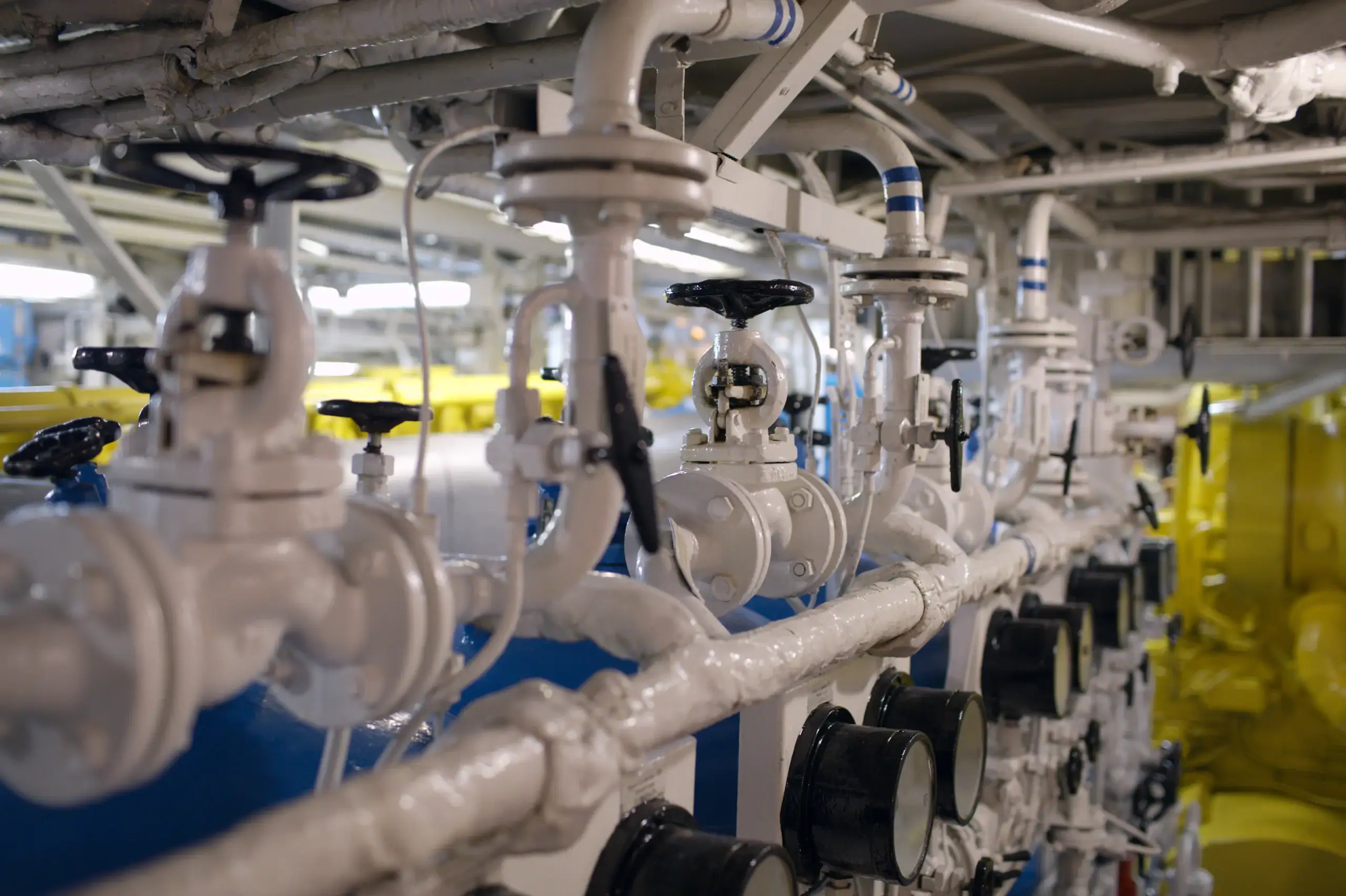
Marine refrigeration operates under conditions that don’t exist in homes or standard commercial settings. Your boat’s cooling system deals with constant motion, saltwater exposure, limited electrical capacity, and space constraints that require completely different engineering.
Standard refrigeration assumes stable positioning, unlimited power, and protection from the elements. Marine systems must function while the boat is heeling, running off battery banks with finite capacity, and withstanding salt air that corrodes components not specifically designed to resist it. That’s why marine-grade materials cost more upfront—they’re built with stainless steel, specialized coatings, and components that can handle vibration and moisture.
Power consumption matters more on boats because you’re drawing from batteries. Marine refrigeration typically uses 3 to 8 amps per hour depending on the system size, insulation quality, and ambient temperature. That might not sound like much, but over a full day in summer heat, it adds up quickly. Efficient systems with proper insulation make the difference between comfortable cruising and constantly running your generator to keep batteries charged.
Saltwater corrosion ranks as the top cause of marine refrigeration failures. Salt air attacks electrical connections, corrodes fittings, and degrades components that weren’t designed for marine environments. Even systems installed properly will fail prematurely if they’re built with standard materials rather than marine-grade components.
Power-related issues come in second. Marine refrigeration systems that draw too much power for the boat’s battery capacity will cycle improperly, strain the electrical system, and fail to maintain consistent temperatures. This often happens when someone installs a residential or standard commercial unit on a boat without accounting for the limited power available.
Poor ventilation causes compressors to overheat and shut down. Boat installations often squeeze refrigeration components into tight spaces without adequate airflow. The compressor works harder, runs hotter, and wears out faster. Proper installation requires planning for ventilation even when space is limited.
Lack of maintenance accelerates every other problem. Refrigerant levels drop over time. Electrical connections loosen from vibration. Condenser coils collect salt residue and lose efficiency. Regular service catches these issues before they become failures that leave you without cooling during a trip.
Marine refrigeration installation costs vary widely based on system type, boat size, and installation complexity. A basic air-cooled system for a small cabin might start around $1,000 for parts, while larger custom installations with water-cooled condensers and holding plates can run several thousand dollars.
The real cost comes from choosing the wrong system or cutting corners on installation. Undersized refrigeration won’t keep up with demand. Oversized systems drain batteries unnecessarily. Poor installation without proper ventilation or marine-grade components leads to premature failure and expensive repairs. You end up paying twice—once for the initial installation and again to fix it properly.
Professional installation by techs who understand marine electrical systems, space constraints, and power management costs more upfront but saves money long-term. We assess your boat’s actual power capacity, recommend appropriately sized systems, use marine-grade materials that resist corrosion, and install with proper ventilation. That means fewer service calls, longer equipment life, and refrigeration that actually works when you need it.
Free estimates let you understand the real scope and cost before committing. That way you’re making decisions based on accurate information rather than discovering hidden costs halfway through the project.
Yes, marine refrigeration can operate while anchored when your boat has adequate battery capacity and power generation. Modern marine refrigeration systems are specifically designed for independent operation without engine dependency, enabling continuous cooling during extended anchoring periods.
The key is matching your refrigeration system’s power draw to your boat’s electrical capabilities. If you’re anchoring out regularly, you need sufficient battery bank capacity to handle the refrigeration load overnight, plus a way to recharge—solar panels, wind generators, or running the engine periodically. Many cruisers heading from temperate to hot climates discover their power system needs upgrading when ambient temperatures increase refrigeration demands.
Energy-efficient systems with variable-speed compressors and excellent insulation minimize power consumption. Top-opening refrigerators conserve cold air better than front-opening models since cold air doesn’t spill out when you open the lid. Proper insulation in the refrigeration box itself makes a massive difference in how often the compressor needs to run.
Some systems use eutectic holding plates that freeze solid when you run the engine or have shore power, then provide cooling for extended periods without running the compressor. This works well for boats with limited battery capacity but requires planning your charging cycles. The right approach depends on how you actually use your boat and how long you typically anchor between charging opportunities.
Marine refrigeration needs professional service at least twice per year—typically before and after boating season—plus basic checks your crew can handle weekly during active use. The harsh marine environment accelerates wear compared to land-based systems, making regular maintenance critical for reliability.
Professional maintenance includes cleaning condenser coils, checking refrigerant levels, testing thermostats, inspecting door seals, calibrating temperature controls, and examining electrical connections for corrosion. We also look for saltwater damage, verify proper ventilation, and catch small issues before they become failures. This prevents the scenario where your refrigeration quits during a weekend trip or extended cruise.
Between professional visits, check that your system is maintaining consistent temperatures, listen for unusual noises from the compressor, and keep condenser coils free of debris. If you notice the compressor running more frequently than usual, temperatures fluctuating, or ice buildup in unexpected places, those are signs something needs attention before it fails completely.
Emergency service availability matters because marine refrigeration doesn’t fail on convenient schedules. Systems tend to quit during the hottest weather when they’re working hardest. Having access to techs who understand marine systems and can respond quickly—rather than waiting weeks for an appointment—makes the difference between a minor inconvenience and spoiled provisions.
Air-cooled marine refrigeration dissipates heat through airflow around the condenser, while water-cooled systems pump seawater through a heat exchanger to remove heat more efficiently. Each approach has specific advantages depending on your boat and how you use it.
Air-cooled systems are simpler to install since they don’t require through-hull fittings or water pumps. They work reliably in temperate climates and for boats that spend most time in moderate temperatures. The downside is they’re less efficient in hot conditions and can heat up the cabin since they’re dumping heat into the interior air. If you’re cruising tropical waters, air-cooled refrigeration may struggle to keep up.
Water-cooled systems use seawater to carry away heat, which is far more efficient than air cooling—about 20 times more effective. They maintain better cooling performance in hot climates and don’t heat up your cabin. The tradeoff is increased complexity with additional through-hull fittings, water pumps that consume power and can fail, and more components exposed to saltwater. Installation is more involved and requires careful planning for water intake placement.
Some systems use keel cooling, where refrigerant lines run through fittings mounted on the hull below the waterline. These eliminate the need for pumps while still using water cooling, offering a middle ground between pure air-cooled and pumped water-cooled approaches. The right choice depends on where you boat, your typical ambient temperatures, and how much complexity you’re comfortable maintaining.