Hear from Our Customers
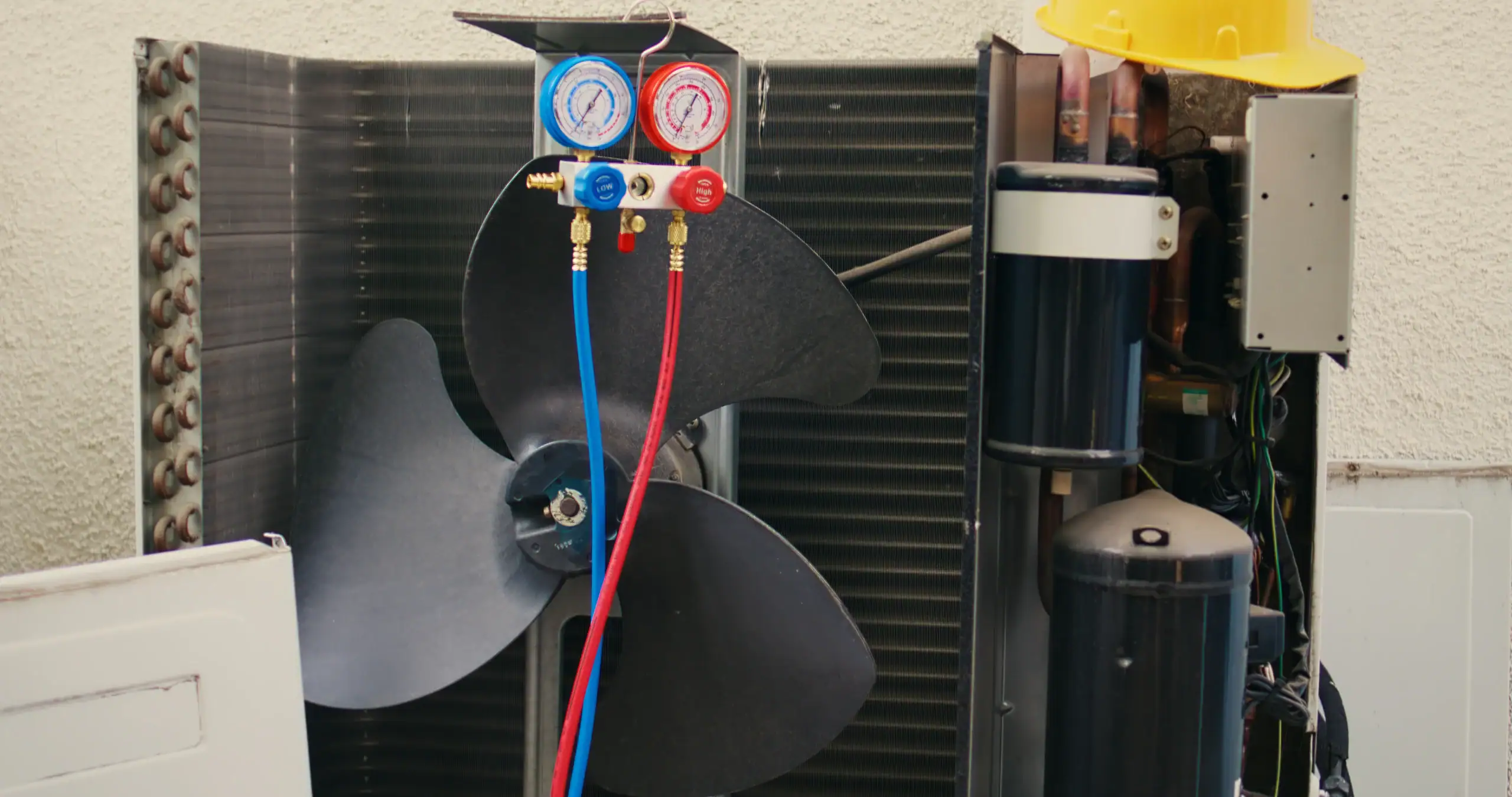
Your marine refrigeration should work as reliably as your home fridge. When it’s installed right and maintained properly, you get consistent cooling that doesn’t drain your batteries or leave you with warm drinks and spoiled meals.
The difference is in the details. Marine systems face conditions no residential unit ever sees—constant vibration, saltwater air, limited ventilation, and power constraints that would kill a regular fridge in weeks.
That’s why you need someone who understands marine refrigeration specifically, not just general HVAC work.
We’ve been solving marine refrigeration problems in Old Bethpage and throughout Long Island for over four decades. We’re not just another HVAC company that dabbles in boats—marine cooling systems are what we do.
Our team serves everyone from weekend boaters to commercial operations like airports and restaurants. That range of experience means we’ve seen every cooling challenge imaginable and know how to solve them efficiently.
You’ll find us straightforward about what needs fixing, what doesn’t, and what you can expect from the repair. No surprises, no upselling, just honest service from people who know marine systems inside and out.
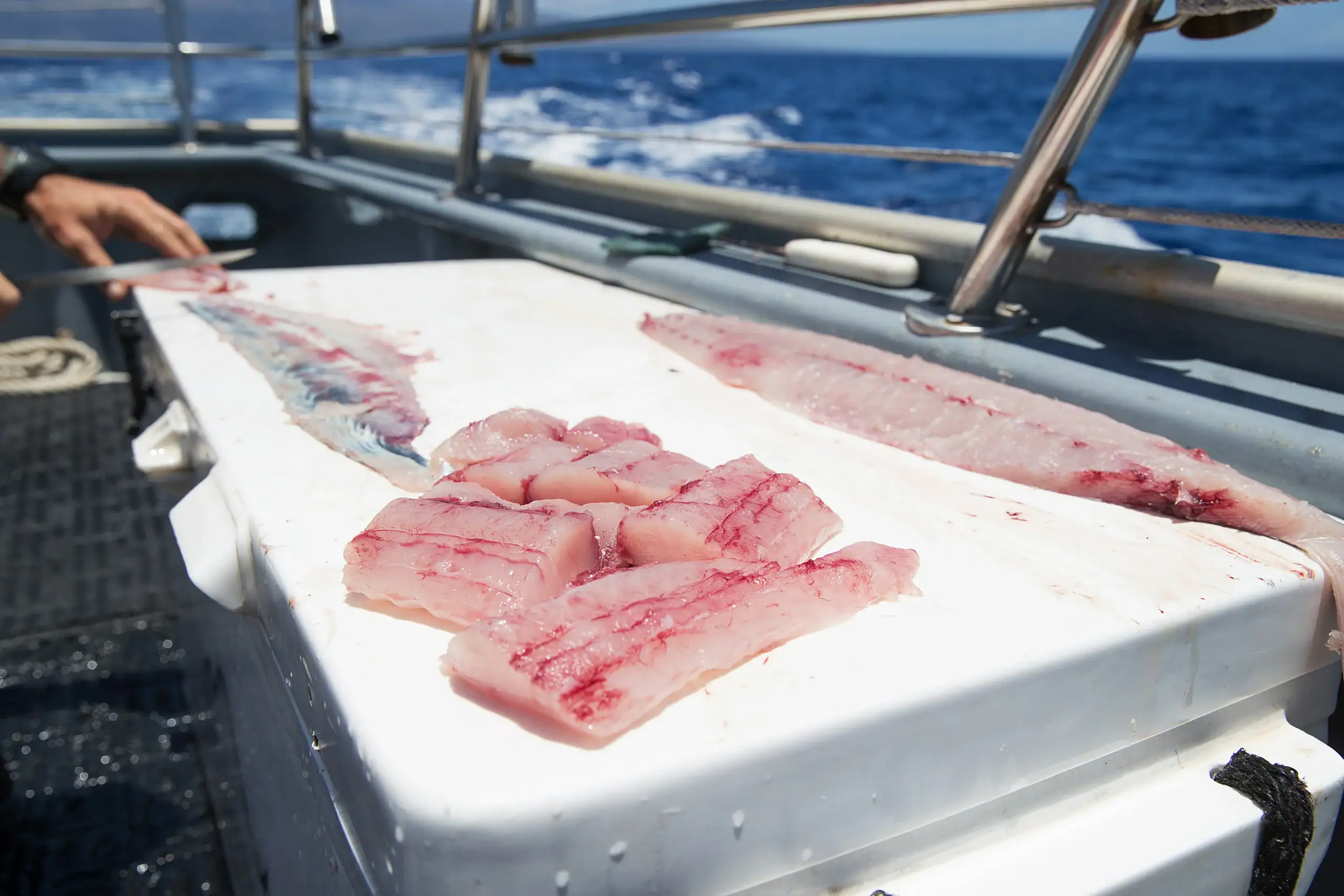
First, we diagnose the actual problem. Many marine refrigeration issues get misdiagnosed because technicians don’t understand the unique demands these systems face. We test everything—compressor, evaporator, condenser, and power draw—to pinpoint exactly what’s failing.
Next, we explain what we found in plain language. You’ll know what broke, why it broke, and what it’ll take to fix it properly. No technical jargon, no mysterious “it needs work” explanations.
Then we fix it right the first time. We stock marine-grade parts and use installation techniques designed for the marine environment. Your system gets repaired to handle the vibration, humidity, and power limitations that come with boat life.
Ready to get started?
We handle everything from simple thermostat replacements to complete system overhauls. Whether you need a new marine refrigerator installed, your boat’s AC repaired, or a custom cooling solution designed for your specific vessel, we’ve got the experience to do it right.
Old Bethpage boat owners face unique challenges with our humid Long Island summers and the corrosive salt air that affects marine equipment. We understand these local conditions and choose components that can handle them long-term.
Our service includes 24/7 emergency consulting because cooling problems don’t wait for business hours. When your refrigeration fails during a weekend trip, you need someone who can walk you through immediate solutions or get out to your boat quickly.
Marine refrigeration typically uses 2-8 amps per hour depending on the system size and efficiency, which is significantly more than home fridges that run on AC power. The key difference is that boat fridges run on 12V or 24V DC power from your batteries, making energy efficiency crucial.
A poorly installed or maintained marine fridge can drain your batteries in 6-12 hours, leaving you without power for navigation or communication equipment. That’s why proper sizing and installation matter so much—you need a system that keeps food cold without killing your electrical capacity.
Modern marine refrigeration systems with quality compressors and proper insulation can run efficiently for days on a single battery charge, but only when they’re installed and maintained correctly.
Marine AC systems are built to handle constant vibration, salt air corrosion, and limited ventilation space that would destroy regular home AC units within months. They use seawater for cooling instead of outdoor air, and all components are sealed against moisture intrusion.
The electrical systems are also completely different. Marine AC runs on shore power or generator power, with specialized controls that can handle the power fluctuations common on boats. Regular home AC units aren’t designed for these conditions and will fail quickly in marine environments.
Installation is more complex too. Marine AC requires proper seacock installation for seawater intake, specialized drainage systems, and vibration-resistant mounting that prevent damage from wave action and engine vibration.
Marine refrigeration should be inspected at least twice per year—once before the boating season starts and once mid-season during heavy use. The harsh marine environment accelerates wear on all components compared to residential systems.
Key maintenance includes cleaning condenser coils (they collect salt and debris faster than land-based units), checking refrigerant levels, testing electrical connections for corrosion, and verifying that drainage systems aren’t clogged. These simple checks prevent most major failures.
If you use your boat heavily or leave systems running while docked, quarterly maintenance is better. The cost of regular service is minimal compared to replacing spoiled food or dealing with a complete system failure during a trip.
Yes, most iceboxes can be converted to electric refrigeration with the right components and proper installation. The key is having adequate insulation (at least 4 inches of quality marine insulation) and sufficient electrical capacity to run the system.
We typically install a 12V or 24V DC refrigeration system with an evaporator plate that fits your existing icebox dimensions. The compressor and controls go in a separate, ventilated location to reduce heat buildup in your cabin space.
The conversion usually takes 1-2 days depending on your boat’s layout and electrical system. We’ll evaluate your current setup, recommend the right components for your power budget, and handle all the installation work including any necessary electrical upgrades.
Poor ventilation around the compressor is the number one killer of marine refrigeration systems. Compressors need airflow to dissipate heat, but boat engine rooms and lazarettes often lack adequate ventilation, causing systems to overheat and fail prematurely.
Electrical problems run a close second. Corroded connections, inadequate wiring, and voltage fluctuations from generators or shore power damage compressors and controls. Marine electrical systems require specialized knowledge that many general technicians don’t have.
Salt air corrosion affects all metal components, especially condenser coils and fittings. Regular cleaning and proper maintenance prevent most corrosion issues, but many boat owners skip this until damage is already done.
We service virtually all marine refrigeration brands including Frigoboat, Sea Frost, Adler Barbour, Dometic, Vitrifrigo, and others. Our technicians are trained on the specific requirements and common issues for each manufacturer’s systems.
We stock parts for the most common marine refrigeration brands and can usually get specialized components within 24-48 hours for less common systems. Our experience with commercial refrigeration also helps when dealing with larger or custom marine cooling installations.
Whether you have a simple 12V fridge or a complex chilled water system, we have the knowledge and parts access to get it running properly. We’ll also recommend upgrades or modifications if your current system isn’t meeting your cooling needs efficiently.