Hear from Our Customers
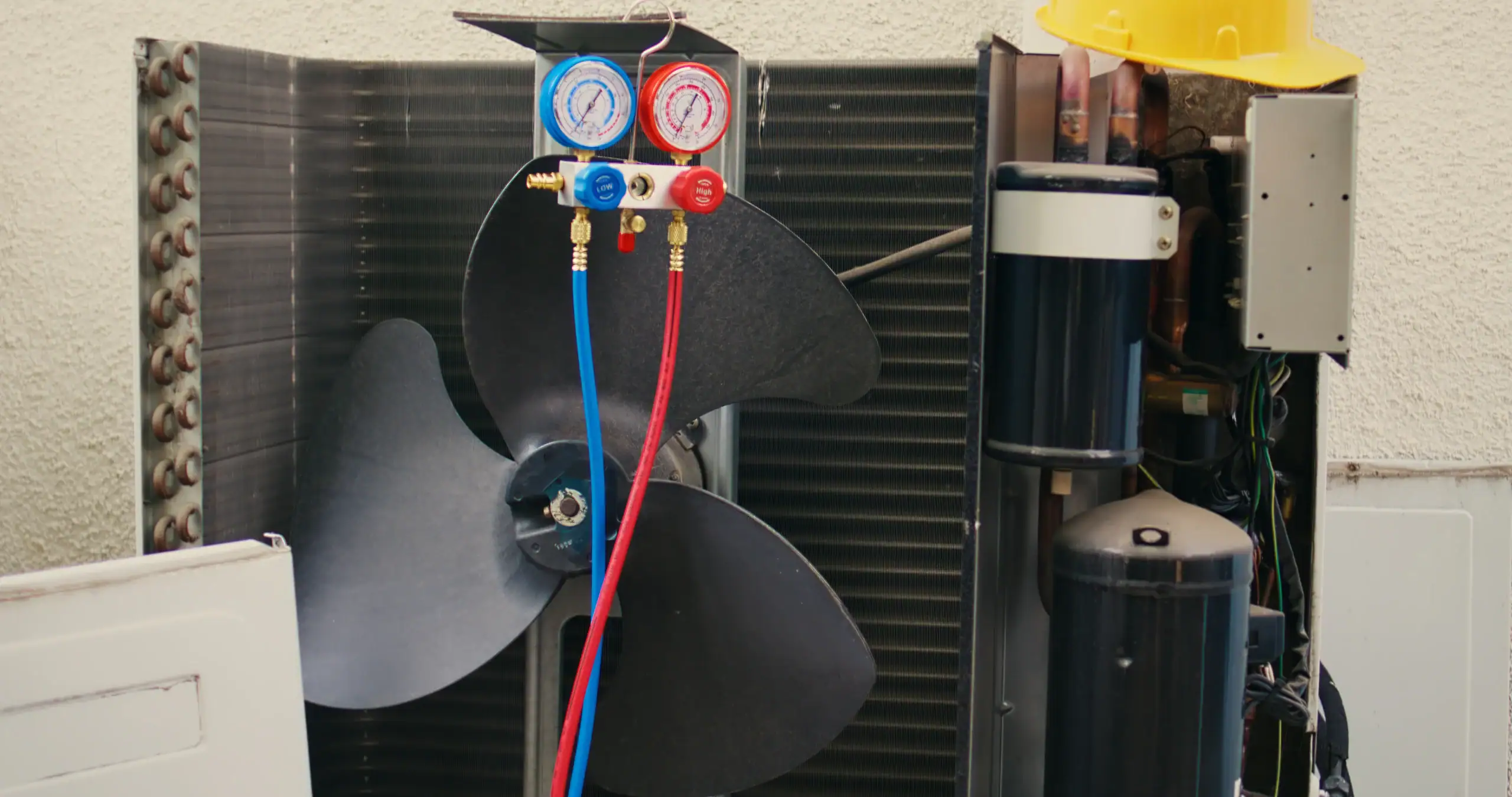
Your weekend on the water shouldn’t be ruined by a failing refrigeration system or broken marine air conditioning. You’ve invested too much in your boat to have spoiled food or sweltering cabins kill the experience.
When your marine refrigeration actually works, you focus on what matters – enjoying time on Long Island Sound instead of frantically calling repair companies. No more throwing away expensive provisions or cutting trips short because the AC died.
That’s the difference between hoping your boat’s cooling systems hold up and knowing they will. Real reliability means planning longer trips, stocking better food, and never wondering if your guests will be comfortable.
We bring over 40 years of specialized experience to Old Field’s marine community. While other companies treat boat refrigeration as a side service, we’ve built our reputation on understanding exactly what makes marine systems different.
We’re the company yacht clubs from Montauk to Manhattan trust when standard HVAC contractors can’t handle saltwater corrosion, space constraints, and power limitations. Our dozens of five-star reviews come from boat owners who needed real solutions, not temporary fixes.
Long Island’s marine environment demands expertise that goes beyond basic refrigeration knowledge. We understand how salt air affects your equipment, why your boat’s electrical system matters, and how to design cooling solutions that actually last in coastal conditions.
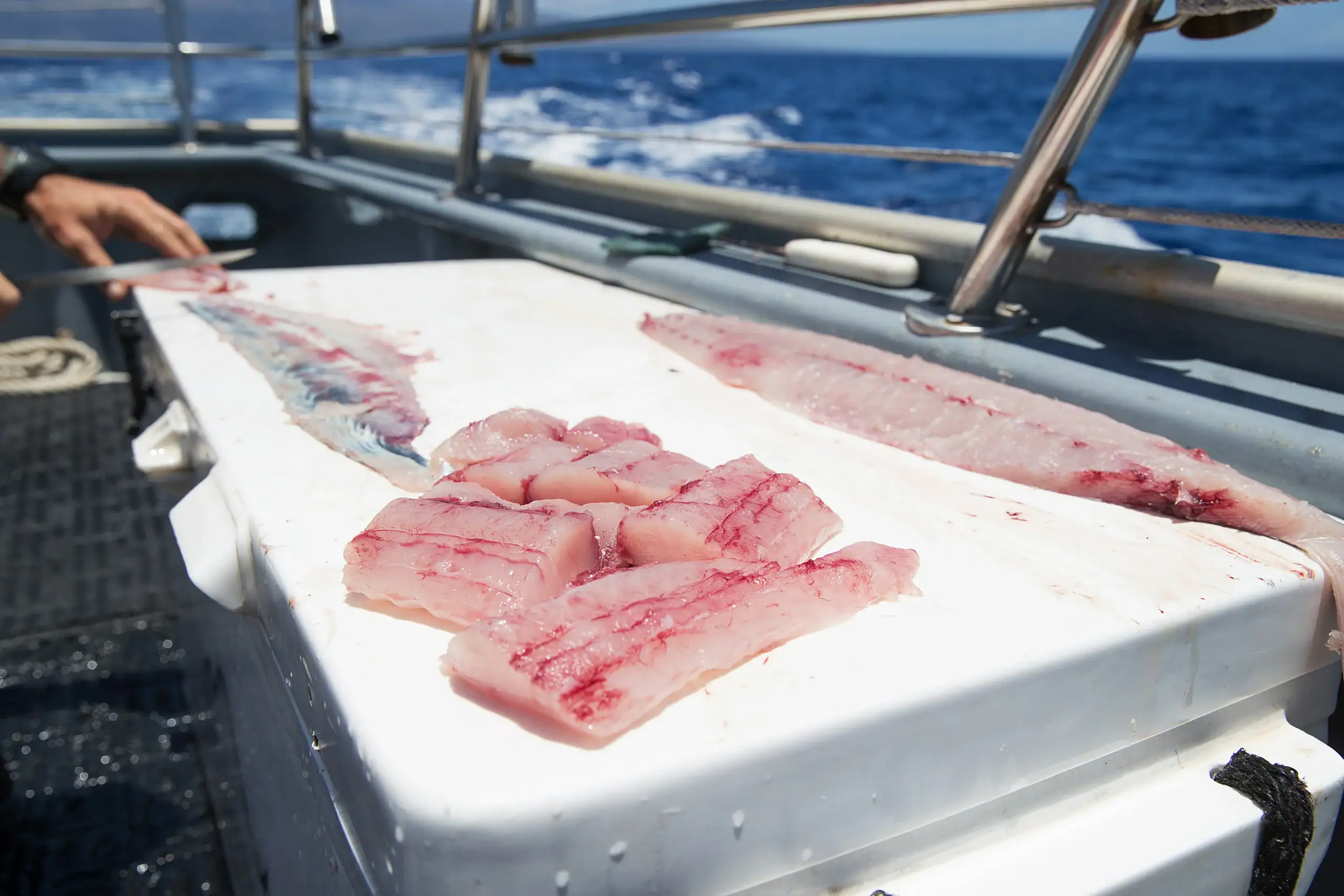
Every marine refrigeration project starts with understanding your specific needs and boat configuration. We assess your current system, power requirements, and space constraints before recommending solutions that actually fit your vessel and usage patterns.
Our installation process accounts for marine-specific challenges – proper drainage for humidity, corrosion-resistant materials for salt air exposure, and efficient designs that won’t drain your batteries. We don’t just install equipment; we integrate systems that work with your boat’s existing setup.
After installation, we walk you through system operation and establish maintenance schedules that prevent problems before they start. When you need service, our 24/7 emergency support means you’re never left waiting when your refrigeration is down.
Ready to get started?
Our comprehensive marine refrigeration services cover installation, maintenance, and emergency repair for all types of systems. We handle walk-in coolers and freezers, reach-in units, ice machines, beverage coolers, and custom refrigeration solutions that other companies can’t match.
Old Field’s boating community demands reliable refrigeration year-round, especially during busy summer months when marinas see heavy traffic and boat owners stock up for extended trips. Our maintenance contracts include priority service and discounted repair rates, ensuring your equipment stays operational when you need it most.
We also specialize in marine air conditioning systems that handle Long Island Sound’s unique challenges. Marine facilities and yacht clubs get specialized maintenance that accounts for saltwater exposure and the demanding conditions boat HVAC systems face in coastal environments.
We provide 24/7 emergency response for marine refrigeration failures because we know every hour costs you money and ruins your plans. When you call our emergency line, you talk directly to a technician who can walk you through immediate steps while we’re driving to your location.
Our service trucks stay stocked with common parts for major marine refrigeration brands – compressors, thermostats, door seals, fan motors. About 70% of emergency calls get fixed on the spot. The rest get temporary solutions to keep you running while we order specialized parts.
We understand the difference between “my ice machine is making weird noises” and “my walk-in cooler just died during a busy weekend.” The second one gets immediate response because we know how much failed refrigeration costs boat owners and marine businesses.
Marine systems are actually more complex than land-based commercial refrigeration because of space constraints, power limitations, and saltwater corrosion. Your boat’s electrical system has limited capacity, so efficiency matters more than raw cooling power.
Salt air accelerates corrosion on standard components, requiring marine-grade materials and specialized protective coatings. Space is always tight on boats, so we design custom solutions that fit your specific layout without compromising performance.
Power consumption is critical because you’re running off batteries or limited generator capacity. We select equipment and design systems that deliver the cooling you need without draining your electrical systems. Most regular HVAC contractors don’t understand these constraints and install systems that fail quickly in marine environments.
We typically recommend quarterly service calls for high-use equipment and bi-annual service for lighter-use systems. Boats that operate year-round need more frequent attention, especially for condenser coil cleaning and drainage system maintenance.
The salt air accelerates corrosion and dirt buildup that can cause efficiency problems and premature equipment failure. Long Island’s climate is particularly tough on refrigeration equipment – summer heat makes compressors work harder, winter cold affects door seals, and constant humidity changes stress the entire system.
Marine refrigeration systems need even more frequent attention due to constant exposure to salt spray and humidity. We recommend regular coil cleaning schedules more frequent than mainland locations because salt air accelerates dirt and corrosion buildup that reduces efficiency and shortens equipment life.
Absolutely – we’re one of the few companies in the region that specialize in both commercial and marine refrigeration systems. This dual expertise is particularly valuable in Old Field where many businesses serve both land-based customers and the boating community.
We handle everything from marina restaurants needing walk-in coolers to yacht clubs requiring specialized marine air conditioning systems. Our experience with both types of systems means we understand how they interact and can design integrated solutions for marine facilities.
Many marinas need refrigeration systems that handle both commercial food service requirements and marine environmental challenges. We design systems with stainless steel components and corrosion-resistant materials for coastal installations, plus enhanced dehumidification capabilities for businesses near the water.
First, check that the door is sealing properly and hasn’t been left open. Move your most temperature-sensitive items to backup refrigeration if available, then call us immediately for emergency service – don’t wait to see if the problem resolves itself.
While waiting for our technician, avoid opening the door unnecessarily to maintain whatever cooling capacity remains. If you have ice available, strategically place it around critical items, but don’t overload the space as this restricts airflow.
Document the temperature readings if possible, as this helps our technicians diagnose the problem faster when you return to port. Many marine refrigeration failures result from dirty condenser coils or drainage issues caused by salt air and humidity – problems we can often resolve quickly once we identify the root cause.
With proper maintenance, you’re looking at 10-15 years minimum for quality marine refrigeration equipment. The key word is “proper” – most boat owners skip maintenance until something breaks, then wonder why their five-year-old system needs major repairs.
Long Island’s marine environment is tough on refrigeration equipment. Salt air, temperature fluctuations, and constant humidity changes stress systems more than protected inland installations. However, marine-grade equipment designed for these conditions performs well when properly maintained.
Our maintenance customers routinely get 15+ years from their equipment because we catch small problems before they become expensive failures. The upfront cost of maintenance is nothing compared to replacing a marine refrigeration system five years early or dealing with failed cooling during expensive boating trips.