Hear from Our Customers
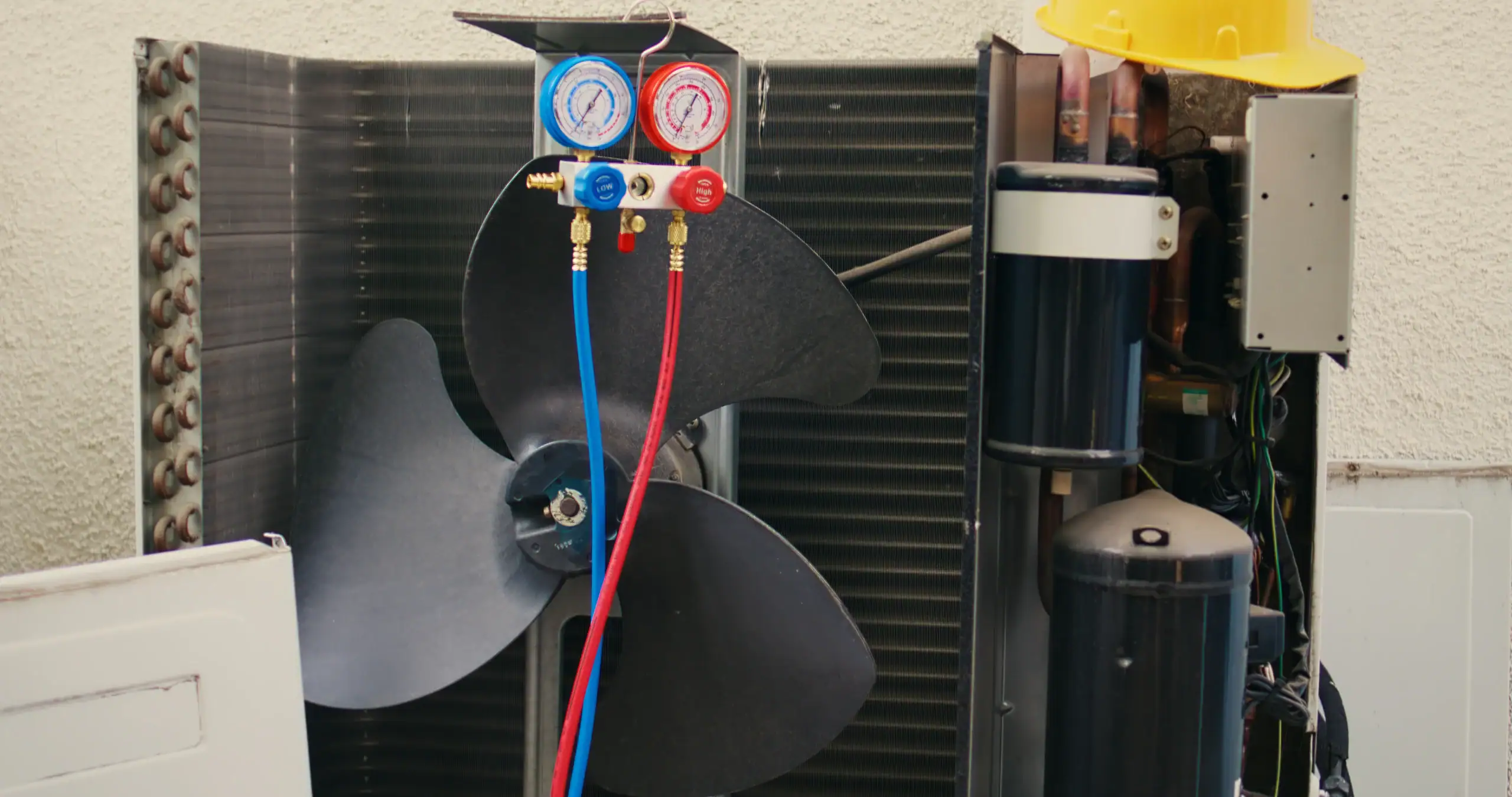
Your boat’s refrigeration system faces conditions that destroy standard HVAC equipment. Salt air corrodes copper components four times faster than normal environments. Constant motion stresses every connection. Humidity invites failure at every seal and joint.
Most technicians treat boat AC like residential systems. They’re not even close. The seawater cooling loop alone requires specialized knowledge—clogged strainers cause over 60% of marine AC failures, and one missed inspection means your compressor overheats mid-season.
You need someone who understands raw water pumps, marine-grade condensers, and why holding plates stop cycling. Someone who won’t leave you waiting weeks while your boat sits unusable at the marina. Our 40 years of marine refrigeration and boat HVAC experience means systems that handle Long Island’s demanding saltwater conditions without the constant service calls that plague poorly installed equipment.
We’ve spent over 40 years working on marine HVAC and commercial refrigeration systems across the Greater New York area. That’s thousands of installations, emergency repairs, and complex cooling solutions for boat owners who need systems that actually work when temperatures climb.
Old Westbury’s boating community connects to some of Long Island’s finest marinas and yacht clubs. Response time matters here. So does technical knowledge. And systems that don’t quit three days into a trip. We handle everything from compact cabin units to full yacht galley refrigeration systems, working with yacht clubs like Britannia and individual owners throughout Nassau County who demand reliable marine climate control.
Our free estimates and 24/7 consulting availability back up what dozens of five-star reviews already confirm. When your boat refrigeration needs someone who understands marine systems—not just general HVAC—that depth of experience makes the difference between a quick fix and another callback.
First comes the diagnostic. Marine refrigeration failures trace back to three main culprits: water flow restrictions, refrigerant issues, or electrical faults. A proper assessment checks seawater intake, raw water strainers, condenser coils, compressor operation, and refrigerant charge—not just the obvious symptoms.
Next is the repair or installation work. Marine-grade components aren’t optional in saltwater environments. Standard parts corrode and fail. Condensers need proper ventilation in cramped spaces. Electrical connections must withstand constant vibration and moisture. This phase is about understanding how boat cooling systems operate under stress, not just swapping parts until something works.
Then comes system testing and verification. The refrigeration needs to cycle correctly, maintain temperature under load, and handle the unique demands of marine use. You’ll understand what failed, why it happened, and what to monitor going forward. The goal isn’t just restoring cooling—it’s preventing the next failure that leaves you searching for emergency marine AC repair during peak boating season when every technician is booked solid.
Ready to get started?
Marine refrigeration service addresses the complete system—raw water intake, refrigerant loops, compressor function, and electrical components. That includes checking and cleaning seawater strainers that clog with debris, inspecting raw water pumps that fail under constant operation, and flushing condenser coils that accumulate marine growth and mineral scale over time.
For Old Westbury boat owners, this matters because Long Island Sound’s saltwater accelerates corrosion and component degradation significantly. Equipment that might last 15 years in land-based applications gives you 5-7 years in marine environments. Regular boat refrigeration maintenance catches these issues before they become expensive emergency repairs—and preventive service stops over 60% of the failures that leave boats without cooling mid-season.
Installation work accounts for your boat’s electrical capacity, proper component sizing, marine-grade material selection, and space-efficient layouts that fit in tight engine rooms or galley spaces. Whether you’re converting an icebox to active refrigeration, upgrading aging yacht AC systems, or installing new marine cooling equipment, the work considers ventilation requirements, power consumption, and access for future maintenance. You’re getting a system designed specifically for marine use in the greater New York boating area, not residential equipment forced into a saltwater environment where it’ll fail quickly.
Most boat AC systems last 5-10 years, but that timeline depends heavily on maintenance schedules and operating conditions. Marine compressors typically run 5-7 years under normal use, though saltwater environments accelerate wear on every component significantly compared to land-based systems.
Here’s what actually determines lifespan: Systems receiving regular maintenance—cleaned strainers, flushed condensers every 2-5 years, monitored refrigerant levels—often push past 10 years of reliable service. Neglected systems might not reach year five before major failures occur. The harsh marine environment doesn’t forgive deferred maintenance or cheap components.
After about five years of operation, repair costs frequently approach replacement costs, especially when dealing with refrigerant leaks or compressor failures. At that point, upgrading to more efficient marine refrigeration equipment usually makes better financial sense than repeatedly patching an aging system that will likely fail again within months. New systems also run more efficiently, drawing less power from your boat’s electrical system.
Your system is triggering a high-pressure safety switch that shuts down the compressor automatically to prevent damage. This almost always indicates insufficient water flow through the cooling system—the leading cause of marine AC failures across all boat types.
Start with your raw water strainer. When it clogs with debris, marine growth, or sediment, water can’t flow properly through the condenser. Pressure spikes, the safety switch activates, and your system shuts down. Sometimes the problem is a failing raw water pump or worn impeller that can’t circulate adequate seawater for heat exchange.
Less common causes include low refrigerant from leaks, dirty condenser coils blocking heat transfer, or malfunctioning pressure switches sending false signals. But restricted water flow accounts for the majority of these shutdown problems. A proper diagnostic identifies the specific issue quickly—guessing and replacing parts randomly wastes money and leaves you without working boat air conditioning when you need it most.
Marine refrigeration uses seawater for heat exchange instead of air cooling, operates in constant motion and high humidity, and faces saltwater corrosion that destroys standard residential or commercial components. These aren’t minor variations—they fundamentally change how systems function and what components fail first.
The seawater cooling loop requires raw water pumps, intake strainers, and marine-grade condensers manufactured from corrosion-resistant materials like cupronickel. Standard copper components corrode up to four times faster in saltwater environments. Regular HVAC parts fail quickly and catastrophically in marine applications, leaving you with expensive damage.
Then consider the electrical requirements. Marine systems must operate on 12V or 24V DC power with limited battery capacity, not unlimited shore power like residential systems. Extreme space constraints demand creative mounting solutions. Vibration from engines and wave action stresses every connection and fitting. When components fail, you can’t visit a local supply house—marine-specific parts and specialized knowledge are essential. That’s exactly why regular HVAC technicians struggle with boat refrigeration and yacht AC systems.
Schedule professional marine AC maintenance twice yearly for most boats—once before boating season begins and again mid-season if you’re running the system heavily. Long Island’s saltwater environment demands more frequent attention than freshwater locations or land-based systems ever require.
Each service should cover cleaning raw water strainers thoroughly, checking refrigerant charge levels, inspecting all electrical connections for corrosion, testing compressor operation under load, and verifying proper seawater flow rates through the cooling system. Condenser coils need professional flushing every 2-5 years depending on usage frequency and where you dock your boat.
Between professional services, inspect and clean your strainers monthly during active boating season. Watch for unusual noises, weak airflow from vents, or systems cycling on and off too frequently—these signal developing problems. Catching issues early prevents expensive emergency boat refrigeration repairs when your system fails completely during summer heat. Most marine AC breakdowns are preventable with consistent maintenance schedules, and prevention costs far less than emergency compressor replacement.
Yes, icebox-to-refrigeration conversions are common upgrades and often straightforward with proper components and professional installation. You’ll need an evaporator plate or cold plate mounted inside the box, a remotely mounted compressor, adequate insulation, and sufficient electrical capacity to handle the power draw.
Critical factors include insulation quality, box dimensions, and your boat’s electrical system capacity. Poor insulation forces the compressor to run constantly, draining batteries faster than charging systems can replenish them. Undersized electrical systems can’t sustain the load without voltage drops. And if your box is too large for the evaporator’s cooling capacity, you’ll never maintain proper refrigeration temperatures.
Different system types work better for different boats—self-contained units, holding plate systems, or split systems with remote compressors each have advantages depending on your layout, available power, and usage patterns. We ensure professional installation accounts for proper ventilation, optimal mounting locations, realistic power consumption, and service access for future maintenance. Done correctly, you get reliable marine refrigeration that handles saltwater conditions. Done poorly, you get a battery-draining problem that never quite maintains temperature and leaves you frustrated.
Start with basic checks: inspect your raw water strainer for clogs or debris, verify the seacock valve is fully open, and confirm you’re seeing proper water discharge from the system. If water flow appears normal, check air filters and return air grills for blockages restricting airflow through the evaporator.
Examine your electrical system—low voltage from weak or discharged batteries prevents compressors from running at full capacity. Check for error codes on digital display panels if your system has them. Listen carefully for unusual noises from the compressor or circulation pump that might indicate mechanical wear or failure.
If these inspections don’t reveal obvious problems, you’re likely dealing with refrigerant leaks, failing compressor components, clogged condenser coils, or thermostat malfunctions. These issues require professional diagnosis and repair by technicians experienced with marine refrigeration systems. Refrigerant work especially needs certified professionals—it’s not appropriate for DIY attempts, and guessing at solutions typically makes problems worse and more expensive. Getting proper service now prevents complete system failure later when you’re stuck waiting weeks for available technicians during peak boating season.