
Hear from Our Customers
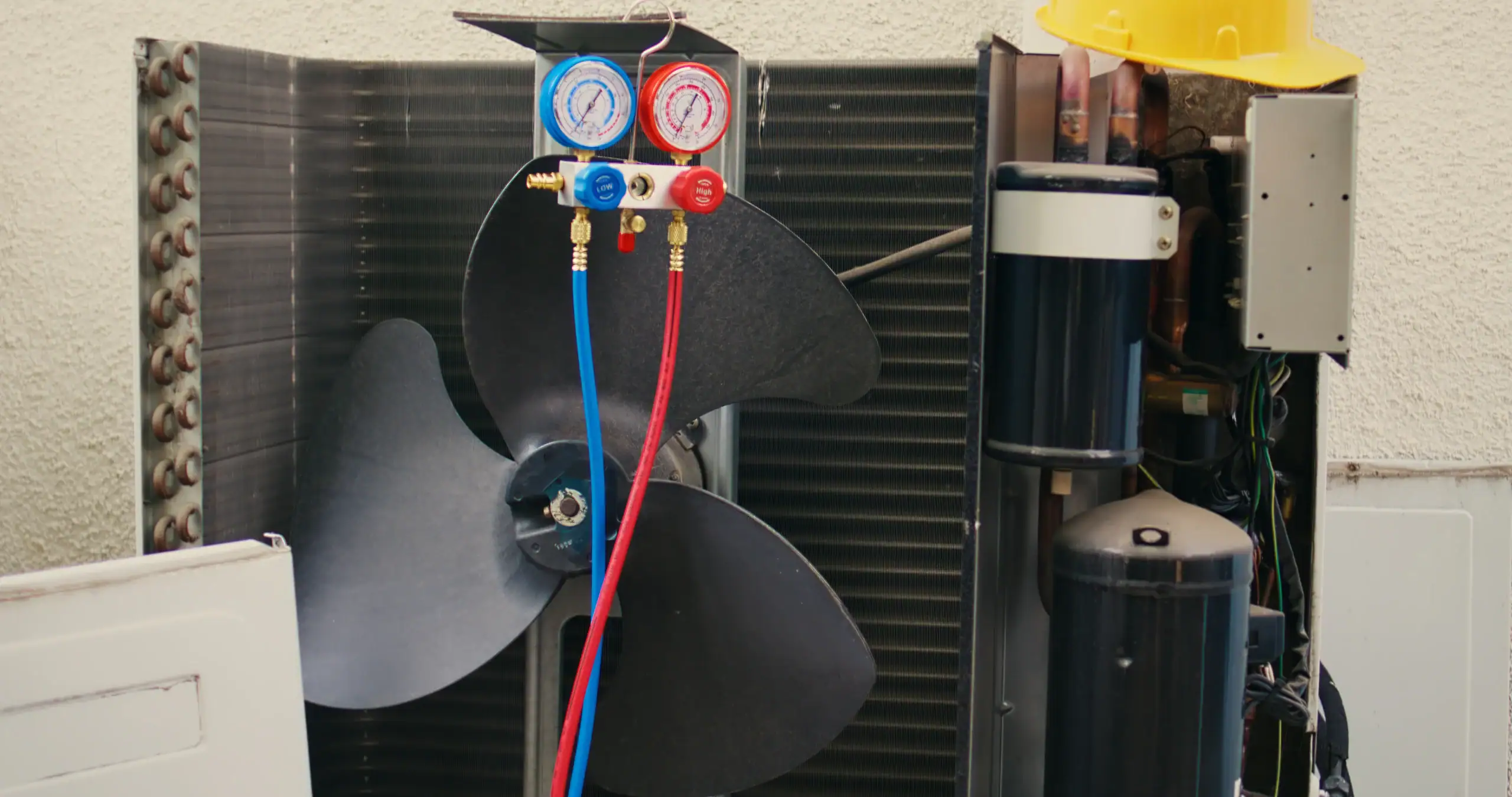
Your weekend trip shouldn’t turn into a disaster because your refrigeration died overnight. You need systems that handle the marine environment—salt air, constant vibration, and temperature swings that would kill a household unit in weeks.
When your marine refrigeration works right, you’re not thinking about it. You’re focused on what matters: enjoying time on the water with cold drinks, fresh food, and comfortable cabin temperatures.
That’s exactly what happens when marine HVAC systems are installed and maintained by people who actually understand boats. No more emergency runs to shore for ice. No more cutting trips short because the cabin feels like an oven.
Chill Xpert Solutions has been solving marine refrigeration challenges across Long Island for over 40 years. We serve everyone from weekend recreational boaters to commercial fishing operations in Peconic and throughout the region.
What sets us apart is our dual expertise in both commercial refrigeration and marine HVAC systems. This combination means we understand the demanding requirements of marine environments while bringing commercial-grade reliability to every installation.
The Peconic area’s boating community knows us for straight talk, transparent pricing, and systems that actually work when you need them. Our team provides 24/7 consulting because boat problems don’t wait for business hours.
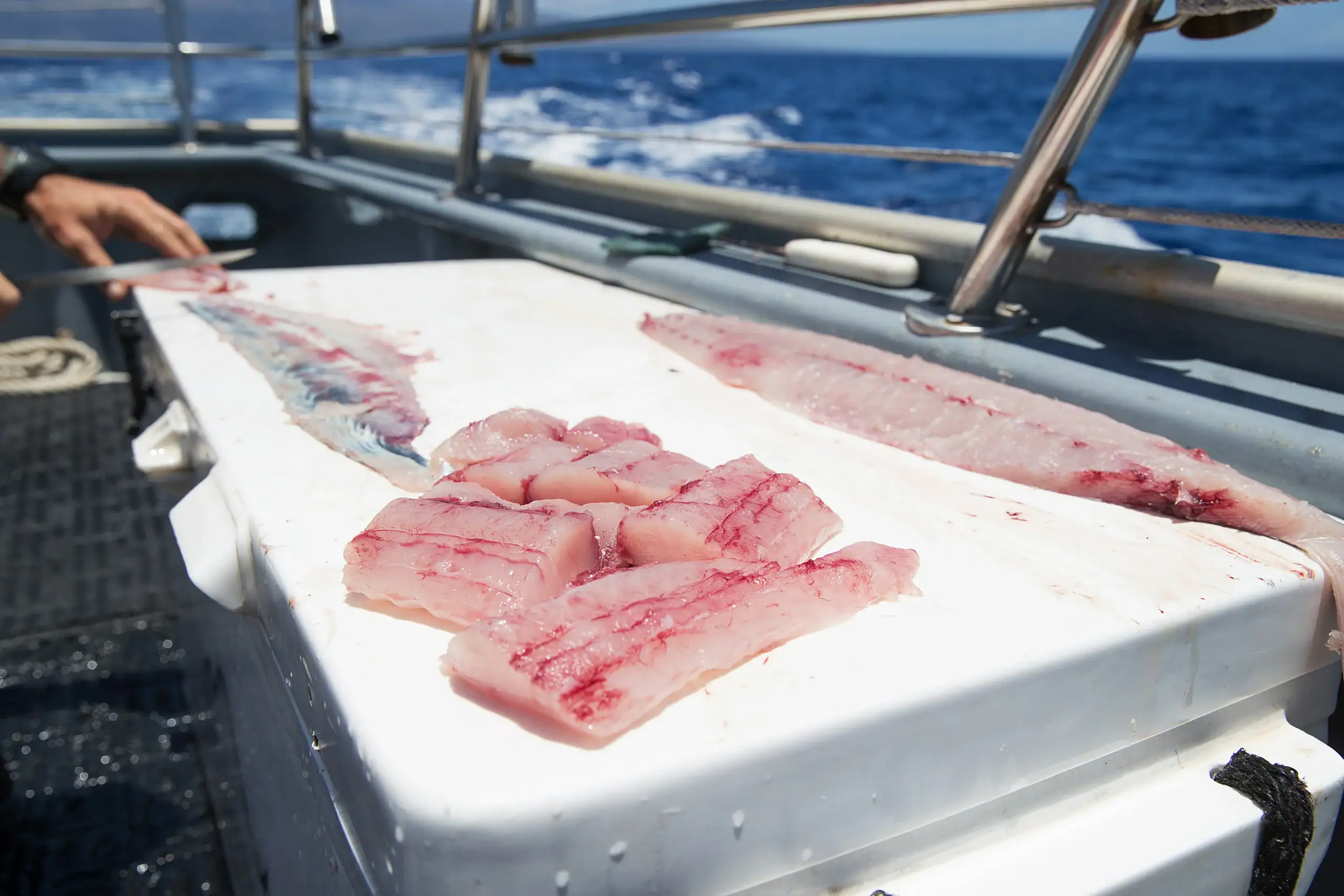
Every project starts with a free, detailed assessment of your current system and your specific needs. We examine your boat’s electrical capacity, available space, and how you actually use your vessel.
Next comes a transparent estimate with no surprises. You’ll know exactly what the work involves, how long it takes, and what it costs before any work begins. The installation process is designed around your schedule and boating plans.
After installation, you get a complete walkthrough of your new system plus ongoing support. We stay available for questions, seasonal maintenance, and emergency repairs. Your marine refrigeration becomes one less thing to worry about on the water.
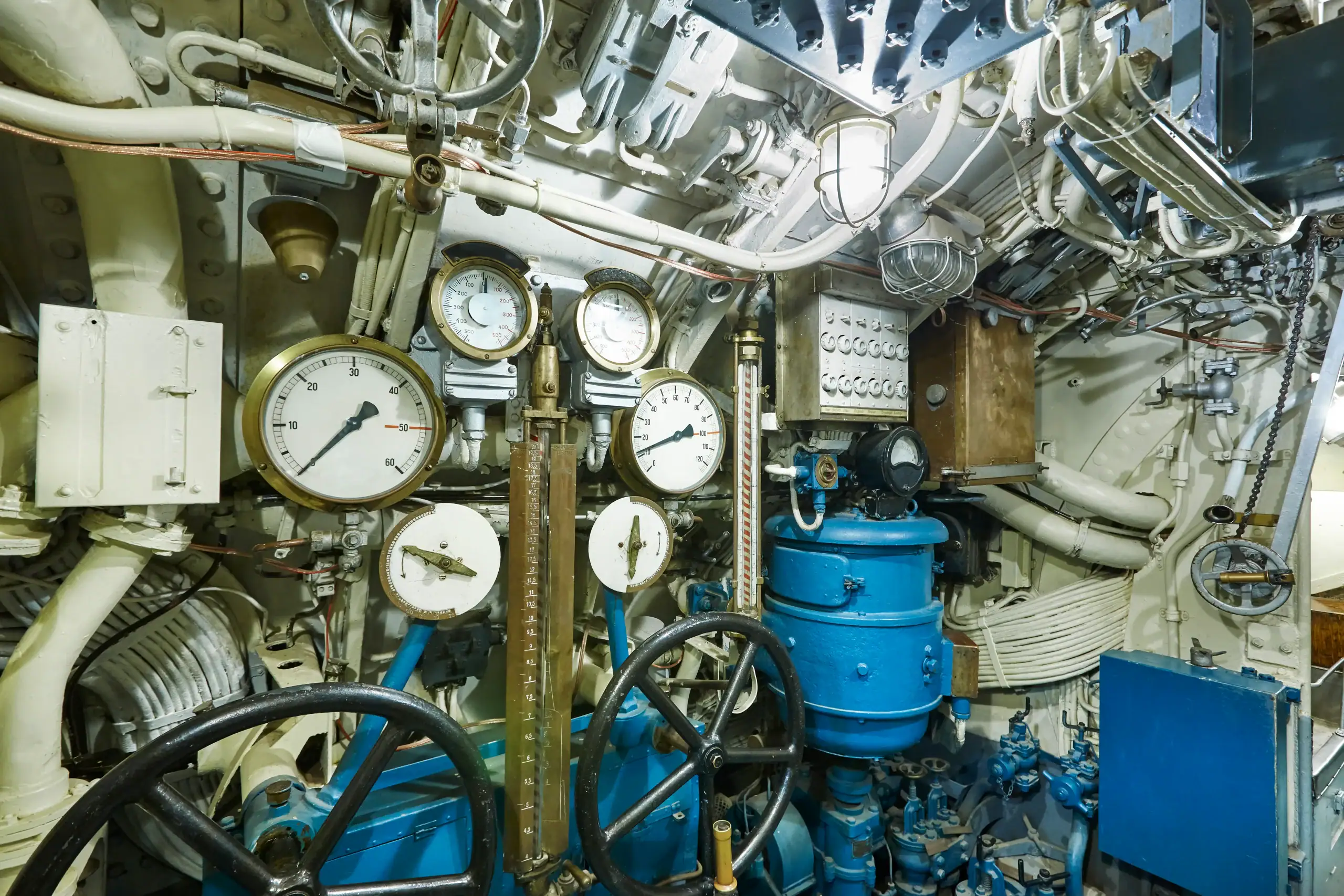
Ready to get started?
Marine refrigeration repair covers everything from simple thermostat adjustments to complete system replacements. Our service includes diagnostics, parts replacement, electrical troubleshooting, and preventive maintenance designed for the marine environment.
Boat air conditioning work involves specialized knowledge of marine electrical systems, proper ventilation, and moisture management. Unlike household AC units, marine systems must handle constant movement, salt air exposure, and limited electrical capacity.
Long Island’s marine environment presents unique challenges. Salt air accelerates corrosion, temperature swings stress components, and limited access makes repairs more complex. Local expertise matters because we understand these specific conditions and how they affect different system types.
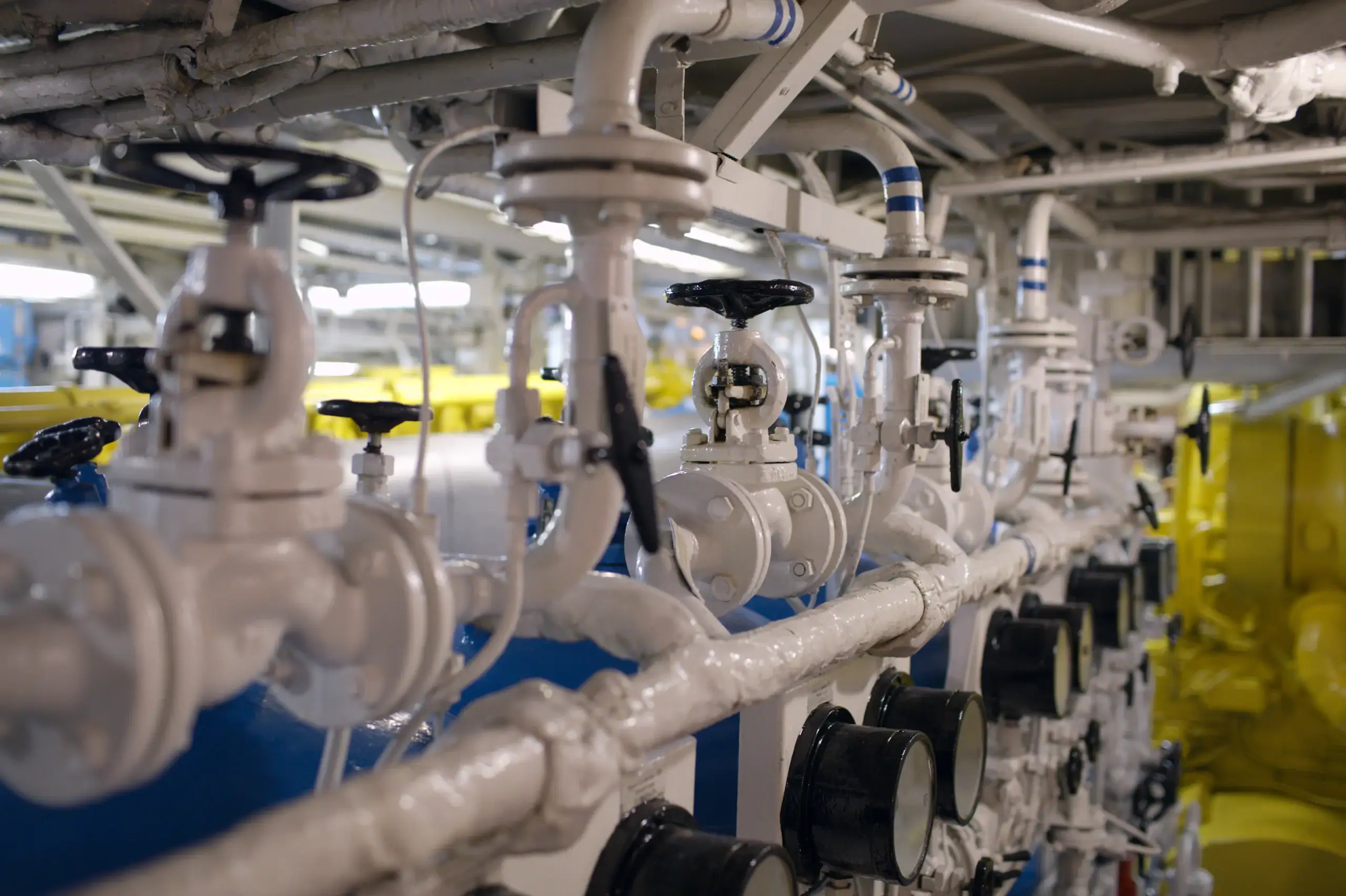
Most marine refrigeration installations take 1-3 days depending on system complexity and your boat’s existing electrical setup. Simple replacement units might be completed in a single day, while custom installations with new electrical work require more time.
The timeline also depends on access to your boat’s systems and any modifications needed for proper installation. During peak season, scheduling might add a few days, but emergency repairs get priority attention.
You’ll get an accurate timeline estimate during the initial assessment, and we communicate throughout the process so you can plan your boating schedule accordingly.
Marine refrigeration systems are built to handle constant vibration, electrical fluctuations, and salt air exposure that would destroy household units quickly. They use different compressor designs, specialized insulation, and corrosion-resistant components.
Power consumption is also critical on boats where electrical capacity is limited. Marine units are designed for efficiency and can often run on 12V DC power directly from your boat’s electrical system.
The installation requirements are completely different too. Marine systems need proper ventilation, secure mounting for rough water conditions, and electrical connections that meet marine safety standards.
Repair costs vary widely depending on the problem and system type. Simple fixes like thermostat replacement might cost $200-400, while compressor replacement could run $800-1500 including parts and labor.
Complete system replacement typically ranges from $2000-6000 depending on capacity and features. Custom installations for larger vessels or specialized requirements cost more but provide exactly what your boat needs.
Every estimate includes a detailed breakdown of parts, labor, and any additional work needed. There are never surprise charges, and you’ll know the total cost before any work begins.
Yes, emergency marine refrigeration repair is available 24/7 because boat problems don’t wait for convenient times. Emergency service prioritizes getting your system functional quickly, especially during peak boating season.
Response time depends on location and current service calls, but emergency situations get immediate attention. We carry common parts and diagnostic equipment to handle most problems on the spot.
Emergency service rates are higher than scheduled work, but you’ll know the cost upfront. Sometimes a temporary fix can get you through a trip while permanent repairs are scheduled for later.
Marine refrigeration needs more frequent attention than household units due to the harsh marine environment. Annual professional maintenance includes cleaning coils, checking electrical connections, testing safety systems, and replacing filters.
You should clean exterior surfaces monthly during boating season to remove salt buildup and check that ventilation areas stay clear. Monitor system performance and call for service if you notice unusual sounds, temperature issues, or increased power consumption.
Preventive maintenance costs much less than emergency repairs and extends system life significantly. Most boat owners schedule maintenance during winter storage or early spring before the boating season starts.
Marine air conditioning installation depends on your boat’s electrical capacity, available space, and structural requirements rather than just size. Smaller boats with limited electrical systems might need DC-powered units, while larger vessels can handle full AC systems.
The key factors are adequate electrical power, proper ventilation space, and secure mounting locations. Even smaller boats can often accommodate compact marine AC units designed for limited space and power.
During the assessment, we evaluate your specific boat and recommend systems that work within your electrical and space constraints. Custom solutions are available when standard units don’t fit your requirements.