
Hear from Our Customers
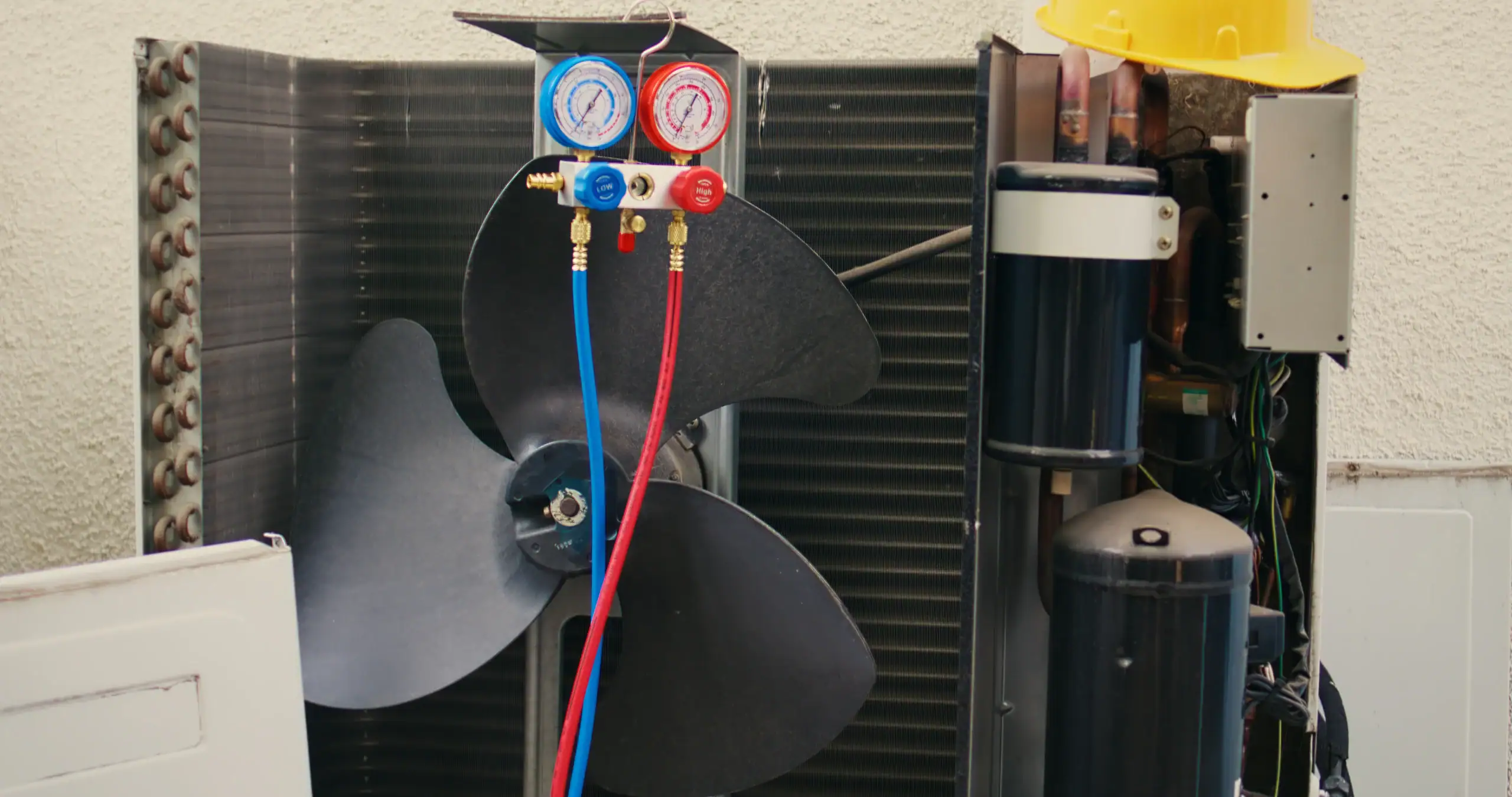
Your boat’s refrigeration isn’t like the one in your house. It’s dealing with saltwater, constant motion, limited power, and humidity that would destroy a standard system in weeks. When it fails, you’re not just losing convenience—you’re watching food spoil, cutting trips short, and wondering if you’ll find someone who actually knows what they’re doing.
Here’s what proper marine refrigeration service looks like. Your system maintains temperature without running constantly. Your batteries aren’t dead by morning. You’re not replacing the same parts every season because someone finally addressed the root cause instead of slapping on a quick fix.
Whether it’s a compressor that won’t start, a system that won’t hold temp, or an AC unit that’s draining power faster than your alternator can keep up, you need someone who’s seen it before. Someone who understands that marine refrigeration maintenance isn’t optional—it’s the difference between a reliable system and an expensive paperweight when you’re 20 miles offshore.
We’ve spent over 40 years solving cooling problems that other companies walk away from. We handle marine air conditioning and boat hvac systems throughout Plainview and the greater Long Island area, serving boat owners who need more than generic service calls.
With dozens of five-star reviews and a reputation built on honest work, we offer 24/7 consulting and free estimates because transparency matters. Our technicians are personable, communicate clearly, and handle everything from straightforward boat ac repair to custom installations that require actual problem-solving.
Plainview’s location puts boat owners close to some of Long Island’s best waterways, but marine systems here face the same brutal conditions as anywhere else: salt, humidity, and temperature swings that test every component. That’s why you need a team that knows marine refrigeration services inside and out.
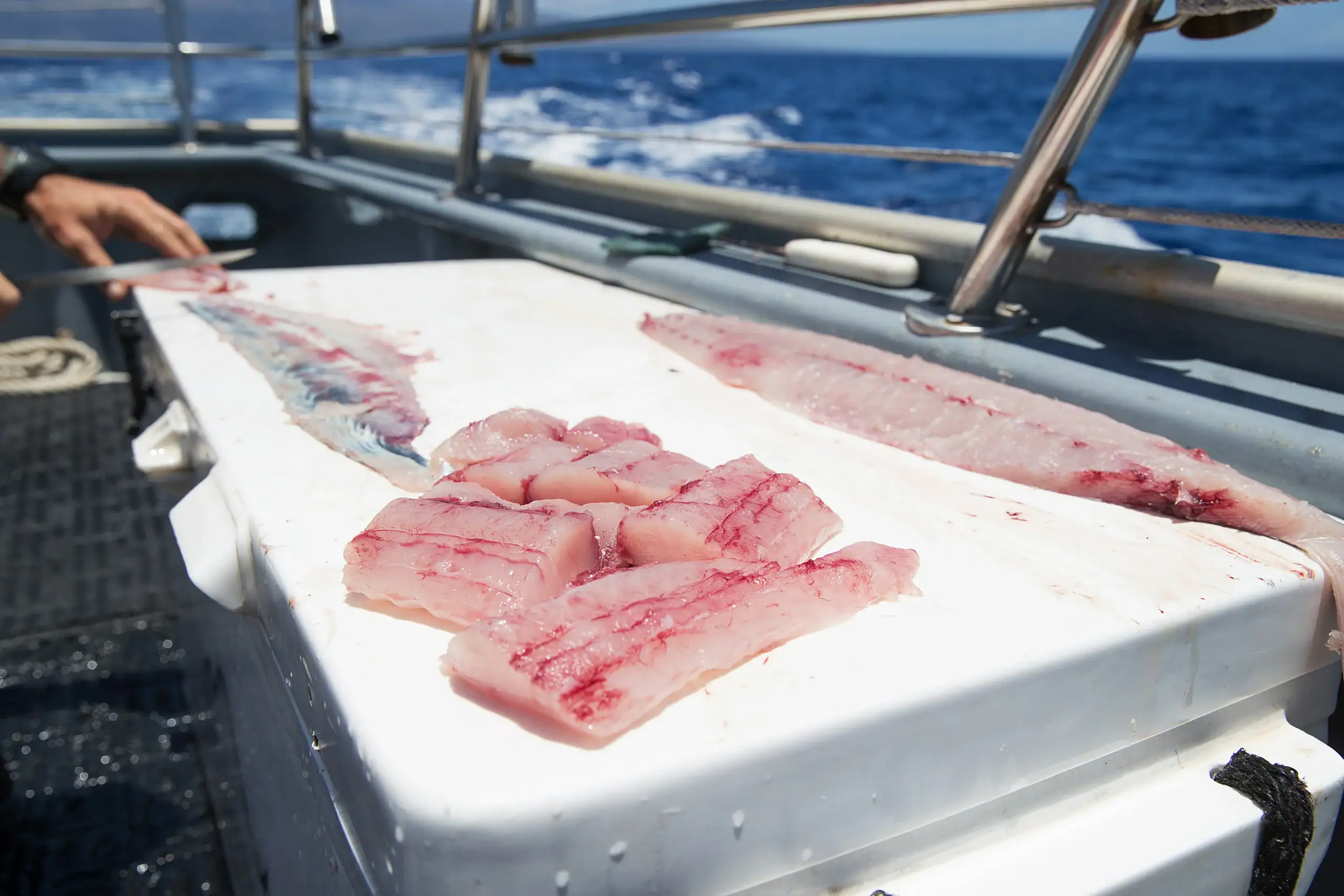
First, you get a free estimate. No games, no pressure—just a clear assessment of what’s wrong and what it’ll take to fix it. We look at your specific system, check the obvious culprits like door seals, condenser coils, and refrigerant levels, and dig deeper if needed to find the actual problem.
If it’s a repair, the focus is on fixing it right. That means addressing why your compressor failed, not just replacing it and hoping for the best. It means checking your electrical system, verifying proper refrigerant charge, and making sure your condenser can actually reject heat in a marine environment.
For new installations or boat ac repair, the process starts with proper sizing. An undersized system runs nonstop and kills your batteries. An oversized system short-cycles and fails early. We match the system to your boat’s actual needs, install it correctly, and make sure you understand how to maintain it. You’re not left guessing about whether something’s normal or a sign of trouble.
After the work’s done, you have access to 24/7 support if something comes up. Because refrigeration maintenance doesn’t follow business hours, and neither does system failure.
Ready to get started?
Proper marine refrigeration services cover more than just showing up with tools. You’re getting a technician who understands that boat refrigeration fails for different reasons than household systems. We know that a system running constantly might have bad insulation, a failing compressor, or door seals that aren’t sealing. We check all of it.
For Long Island boat owners, saltwater exposure is inevitable. It corrodes connections, fouls condensers, and creates problems that landlocked systems never see. Regular refrigeration maintenance catches these issues before they become expensive failures. That includes cleaning condenser coils, checking refrigerant levels, testing door seals, and verifying that your electrical system can handle the load.
When you need boat ac maintenance or a full system replacement, you’re working with someone who’s installed hundreds of marine hvac systems across Plainview and surrounding Nassau County. We’ve dealt with limited space, tricky power setups, and boats where nothing is standard. The work includes proper ventilation, secure mounting, waterproof connections, and adequate insulation—all the details that separate a system that works from one that limps along until it quits.
Plainview’s proximity to major waterways means boat owners here use their vessels seriously. You’re not putting up with a refrigeration system that barely works or an AC unit that can’t keep up. You’re getting systems designed for marine environments, installed by people who’ve done this thousands of times.
Constant running without adequate cooling usually points to one of several issues. Bad door seals let warm air in continuously, forcing your system to work nonstop. Poor insulation in your refrigeration box means heat infiltrates faster than the system can remove it. A dirty or blocked condenser can’t reject heat properly, so the system just recycles warm refrigerant.
Low refrigerant levels will also cause this. Your compressor runs, but there’s not enough refrigerant to actually transfer heat out of the box. Sometimes it’s an undersized system that was never capable of handling your boat’s cooling load in the first place.
Check your door seals first with the dollar bill test—close the door on a bill and try to pull it out. If it slides easily, your seal is shot. Look at your condenser coils for salt buildup or debris. If those check out, you likely need a technician to test refrigerant levels and verify your compressor is actually doing its job. Don’t ignore this issue—a system running 24/7 kills your batteries and wears out components fast.
For boats in saltwater environments like Long Island, maintenance every three to six months makes sense. Saltwater accelerates corrosion and fouling in ways that freshwater doesn’t. Your condenser coils collect salt, grime, and biological growth that chokes airflow. Door seals degrade from constant humidity and UV exposure. Electrical connections corrode.
If you use your boat heavily during summer months, schedule maintenance before peak season starts. You don’t want to discover your refrigeration is failing when you’re loading up for a week-long trip. A good maintenance check includes cleaning condenser coils, inspecting door seals, checking refrigerant levels, testing the thermostat, and verifying electrical connections are solid.
Boats that sit unused for months also need attention before you fire them up. Systems can develop issues while idle—seals dry out, refrigerant can leak slowly, and moisture causes electrical problems. Regular maintenance catches small problems before they strand you with a dead system and a cooler full of spoiled food.
Marine refrigeration operates in conditions that would destroy a household refrigerator quickly. Your boat’s system deals with constant motion, which affects how refrigerant flows and how components handle stress. It runs on limited DC power from batteries instead of unlimited AC power from the grid. The marine environment means saltwater corrosion, high humidity, and temperature swings that standard systems never encounter.
Marine compressors are designed for low power consumption because you can’t just plug into the wall. The entire system needs to be compact enough to fit in tight spaces while still providing adequate cooling. Components must be corrosion-resistant and able to handle the vibration and movement of a vessel underway.
Installation is also different. Marine systems require proper ventilation in confined spaces, waterproof electrical connections, and mounting that accounts for a boat’s movement. A technician who only knows residential or commercial refrigeration will miss critical details that lead to premature failure. That’s why you need someone who specializes in marine applications and understands these systems aren’t just “refrigerators on a boat.”
Repair costs vary widely based on what’s actually wrong. A simple fix like replacing door seals or cleaning condenser coils might run a few hundred dollars. Refrigerant recharge after a leak repair can be moderate, depending on how much refrigerant your system holds and whether the leak was easy to access.
Compressor replacement is more significant because the compressor is the heart of the system. If your system needs a new compressor, you’re looking at parts and labor that reflect the complexity of marine installations. Complete system replacement costs more but sometimes makes sense if your current setup is undersized, inefficient, or so old that parts are scarce.
The real cost comes from ignoring problems. A small refrigerant leak becomes a dead compressor. Bad door seals make your system work overtime, shortening its life. What could have been a straightforward repair becomes a full replacement because someone waited too long. That’s why free estimates matter—you can get a clear picture of what’s wrong and what it’ll cost before committing to anything. Most boat owners find that proper repairs from someone who knows marine systems cost less long-term than repeated patch jobs from technicians who don’t.
Yes, ice box conversions are common and often make sense for boat owners tired of constantly buying ice. The process involves installing a marine refrigeration system into your existing ice box, which requires adding a compressor, evaporator, condenser, and proper controls. The key is making sure your ice box has adequate insulation—at least two inches of quality insulation all around.
Your boat’s electrical system needs to handle the additional load. Marine refrigeration draws power continuously, so you need sufficient battery capacity and charging ability to support it. A system that drains your batteries faster than your alternator or solar panels can recharge them creates new problems.
Proper installation matters more than you’d think. The evaporator needs correct placement for air circulation. The compressor requires ventilation and secure mounting. Condensers need airflow or water flow depending on type. Thermostats must be calibrated correctly to avoid constant running. A quality conversion gives you reliable refrigeration without the ice hassle, but a poor one leaves you with a system that barely works and kills your batteries. Work with someone who’s done dozens of these conversions and knows how to size the system correctly for your specific setup.
Ice buildup usually comes from humidity getting into your refrigerator. Every time you open the door, warm humid air rushes in. When that moisture hits cold surfaces, it freezes. Poor door seals make this worse by letting humid air infiltrate constantly. If your boat sits in a humid climate or you’re opening the door frequently, ice accumulates fast.
Running your freezer too cold also contributes. If you’re keeping it at zero to five degrees, the face of the fridge drops below the dew point of the air, causing excessive frost. Raising the temp to 10-15 degrees reduces ice buildup and can cut power consumption by up to 25 percent. Most people keep their systems colder than necessary.
Improper defrosting practices create problems too. Some boat owners never defrost, letting ice build until it takes up half the storage space and chokes efficiency. Others defrost incorrectly, introducing more moisture in the process. Check your door seals, adjust your temperature settings, and establish a regular defrosting routine. If ice buildup continues despite these measures, you might have a failing seal or a thermostat that’s cycling incorrectly, and that needs professional attention before it damages your system.