
Hear from Our Customers
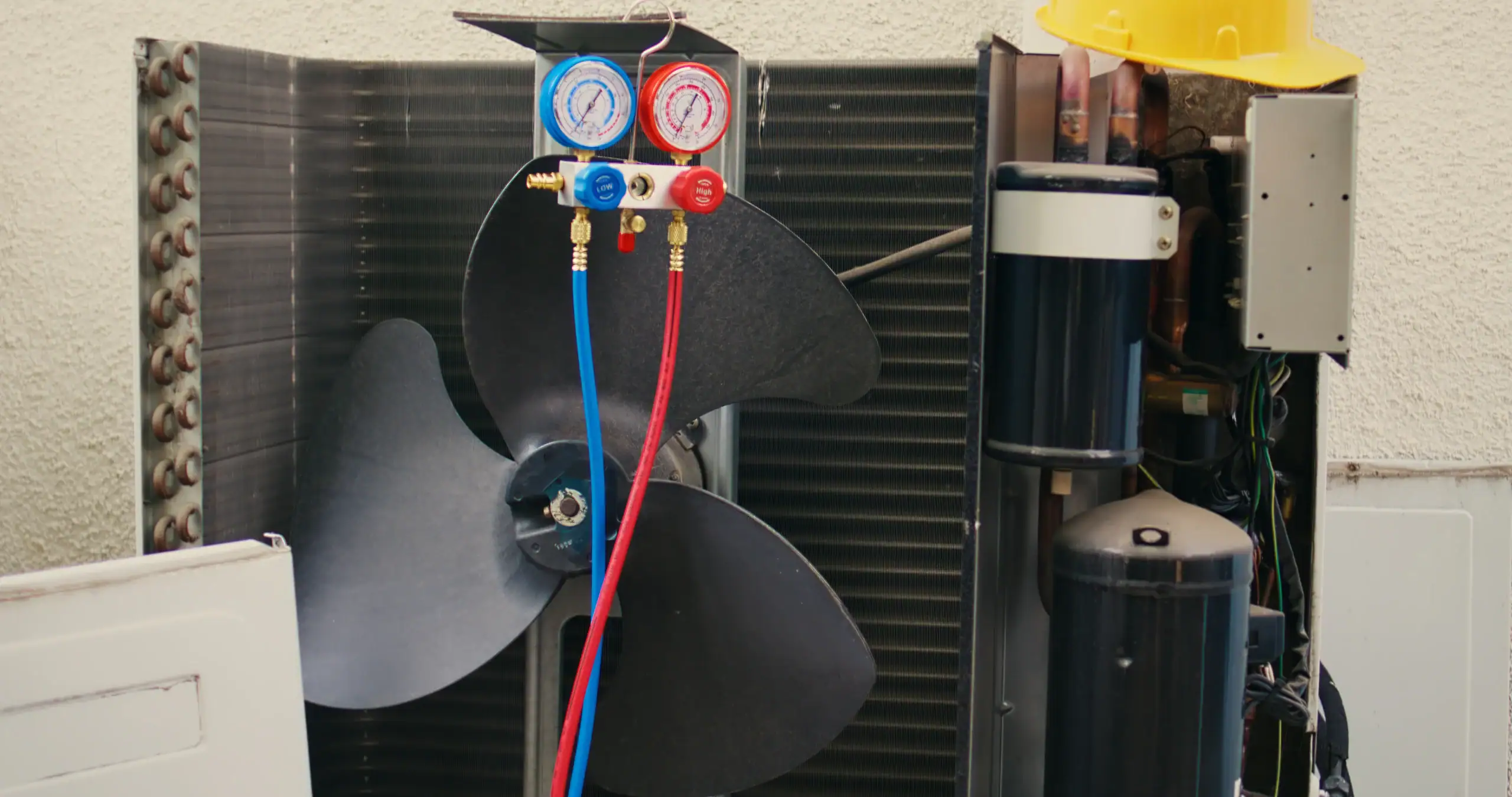
Your boat refrigeration system stops running constantly because we install marine-grade components designed for saltwater environments. No more spoiled food during weekend trips or dead batteries from overworked compressors.
You get systems that handle Long Island’s summer heat and winter freeze cycles without the constant repairs that plague standard installations. Our marine refrigeration expertise means proper insulation, correct electrical connections, and components that actually last in humid, corrosive conditions.
When your system works efficiently, you spend more time enjoying the water and less time dealing with emergency service calls during peak boating season.
We’ve spent over four decades understanding what makes marine refrigeration different from land-based systems. We’ve worked on everything from small cabin refrigerators to full yacht galley systems throughout Nassau and Suffolk County.
Our technicians know the unique challenges Plandome boat owners face—from the saltwater corrosion at local marinas to the power limitations of marine electrical systems. We’ve earned the trust of yacht clubs from Montauk to Manhattan because we understand marine environments, not just refrigeration theory.
When other companies send subcontractors who’ve never worked on a boat, we send certified technicians who’ve been solving marine HVAC problems since before most competitors existed.
We start by assessing your boat’s electrical capacity and available space—two factors that determine everything about your marine refrigeration system. Most problems stem from installers who don’t understand the power limitations of 12V and 24V DC systems.
Next, we design the system around your actual usage patterns. A weekend cruiser needs different cooling capacity than a liveaboard, even if the boats are similar size. We factor in door openings, ambient temperature, and peak usage to prevent the constant cycling that kills marine compressors.
Installation includes marine-grade components, proper ventilation for condenser coils, and electrical connections that handle the constant motion and vibration of boat life. We test everything under load and train you on proper operation to maximize efficiency and battery life.
Ready to get started?
Our marine refrigeration service covers the complete system—from seawater pumps and condensers to evaporator plates and electrical connections. We stock parts for all major marine brands because waiting three days for a compressor part isn’t an option when you’re losing food and money.
Plandome’s marine environment creates specific challenges. Salt air corrodes electrical connections, humidity causes frost buildup, and the constant motion of docked boats stresses refrigerant lines. We address these local conditions with marine-grade materials and proper installation techniques.
Service includes refrigerant leak detection using specialized equipment, condenser coil cleaning to handle saltwater deposits, and electrical system testing to ensure adequate power supply. We also provide emergency service during boating season because system failures don’t wait for convenient business hours.
This usually means your system is fighting heat infiltration faster than it can remove it. Poor door seals let warm, humid air in constantly, forcing the compressor to run continuously just to maintain temperature.
Check your door gaskets using the dollar bill test—close the door on a bill and try to pull it out. If it slides easily, your seals need adjustment or replacement. Also, inadequate insulation around the refrigerator box allows heat transfer that overwhelms even properly sized compressors.
Marine refrigeration systems are designed for efficiency, not unlimited power like home units. When they’re constantly fighting heat infiltration, they’ll run continuously and still struggle to maintain temperature while draining your batteries.
Marine refrigeration needs professional service annually for seasonal boats, twice yearly for year-round use. The saltwater environment and constant motion create maintenance demands that don’t exist with land-based systems.
Regular service includes cleaning condenser coils of salt deposits, checking refrigerant levels, testing electrical connections, and inspecting seawater pumps. These components work harder in marine environments and fail faster without proper maintenance.
Between professional services, keep your seawater strainer clean, check door seals monthly, and ensure adequate ventilation around condenser coils. Most emergency calls during boating season could be prevented with proper maintenance scheduling.
High pressure faults typically indicate restricted water flow to the condenser, causing the system to overheat and shut down for protection. Seawater pumps get clogged with marine growth, or through-hull fittings become blocked with debris.
The seawater environment naturally grows barnacles, grass, and fouling organisms inside the hoses and pipes leading to your AC units. This reduces water flow gradually until the system can’t reject heat properly and triggers the high pressure safety switch.
Check your seawater strainer first, then verify the through-hull intake isn’t blocked. If water flow seems adequate but you’re still getting high pressure faults, the condenser coils likely need professional cleaning or the seawater pump needs service.
Never add refrigerant without finding and fixing the leak first. Marine systems don’t just “lose” refrigerant—if levels are low, there’s a leak that needs professional repair. Adding refrigerant to a leaking system wastes money and can damage the compressor.
Marine refrigeration uses specific refrigerants and requires specialized equipment for proper charging. Overcharging can cause high pressure problems, while undercharging reduces cooling efficiency and can damage the compressor through inadequate lubrication.
The constant motion and vibration of boats creates unique leak points that require marine-grade repair techniques. Professional leak detection equipment can pinpoint problems that aren’t visible, ensuring repairs actually solve the problem instead of just temporarily masking it.
Excessive icing usually results from humidity infiltration or temperature settings that are too cold for marine conditions. Marine environments are naturally humid, and poor door seals allow this moisture-laden air to enter the refrigerator constantly.
Setting your freezer temperature too low (0-5 degrees) can cause the evaporator surface to drop below the dew point, creating rapid ice formation. Raising the temperature to 10-15 degrees reduces icing while actually improving efficiency and reducing power consumption by up to 25%.
Check door seals, reduce unnecessary door openings, and consider running a dehumidifier when docked. Proper defrost cycles and adequate air circulation around the evaporator also help prevent excessive ice buildup that reduces storage space and cooling efficiency.
Marine refrigeration operates in one of the harshest environments possible—constant motion, saltwater corrosion, limited power supply, and extreme space constraints. Unlike home refrigerators with unlimited electricity, boat systems must balance cooling capacity with battery drain.
Marine systems use 12V or 24V DC power instead of 120V AC, requiring different compressors and controls. They need marine-grade components to resist saltwater corrosion, better insulation due to lack of climate-controlled environment, and specialized installation techniques to handle boat movement.
Power management is critical—marine compressors are sized for efficiency rather than raw cooling power. This means proper insulation, door seals, and usage patterns matter much more than with home units. Understanding these differences is essential for reliable operation and reasonable battery life.