Hear from Our Customers
You’re not hauling your boat out of the water or waiting weeks for a callback. You need your marine refrigeration working now, before the weekend trip or while you’re docked at Port Jefferson Marina.
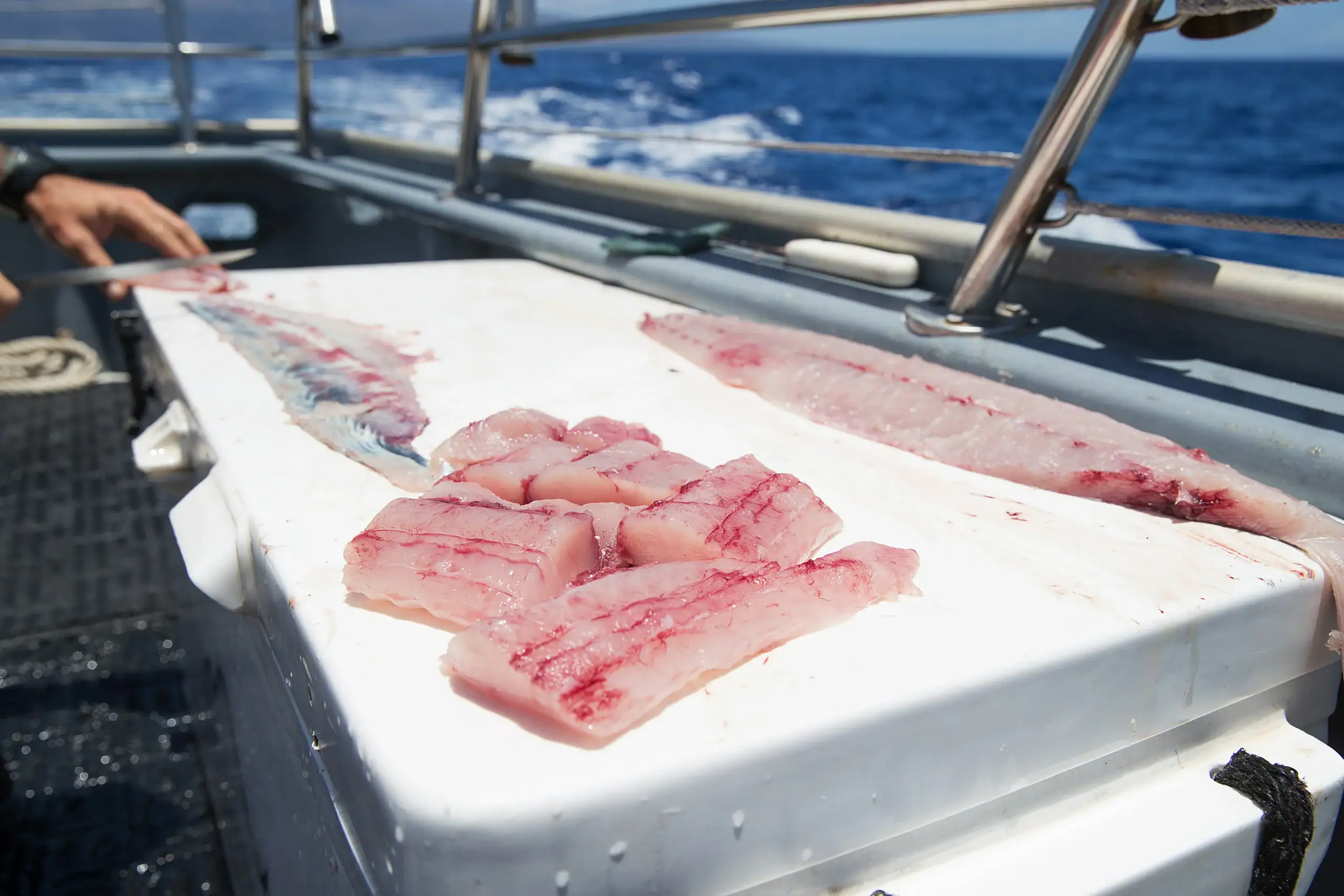
When your boat refrigeration system actually works the way it should, you stop worrying. Your provisions stay cold during those long summer days on Long Island Sound. Your batteries aren’t draining because an inefficient compressor is running nonstop. You’re not dumping spoiled food overboard or cutting trips short.
That’s what proper marine refrigeration service gets you. Systems that cool efficiently. Repairs that last. Installations sized correctly for your vessel and your cruising habits. You get back to enjoying your time on the water instead of troubleshooting temperature swings or dealing with high pressure faults every other weekend.
We’ve been solving marine refrigeration challenges for over 40 years. Our team understands the unique demands of marine cooling systems—from the constant exposure to salt water and humidity to the limited battery capacity that makes efficiency critical.
Port Jefferson boat owners face specific challenges. The active marine growth in Long Island Sound clogs water lines. Summer heat pushes systems to their limits. Boats sitting at local marinas like Danfords or the Town Marina need reliable cooling without constant oversight. We know these conditions because we’ve been working in them for decades, serving both private boat owners and commercial marine operators throughout Long Island.
We’ve earned dozens of five-star reviews by doing what others won’t: showing up when promised, diagnosing problems accurately the first time, and giving honest recommendations instead of upselling unnecessary services. With 24/7 consulting available and free estimates on every job, we’re there when you need us—not just during business hours.
When you contact us for marine refrigeration service, you start with a real conversation. We ask about your symptoms, your boat, and how you use it. We’re gathering information to diagnose the issue before we even arrive, which saves you time and money.
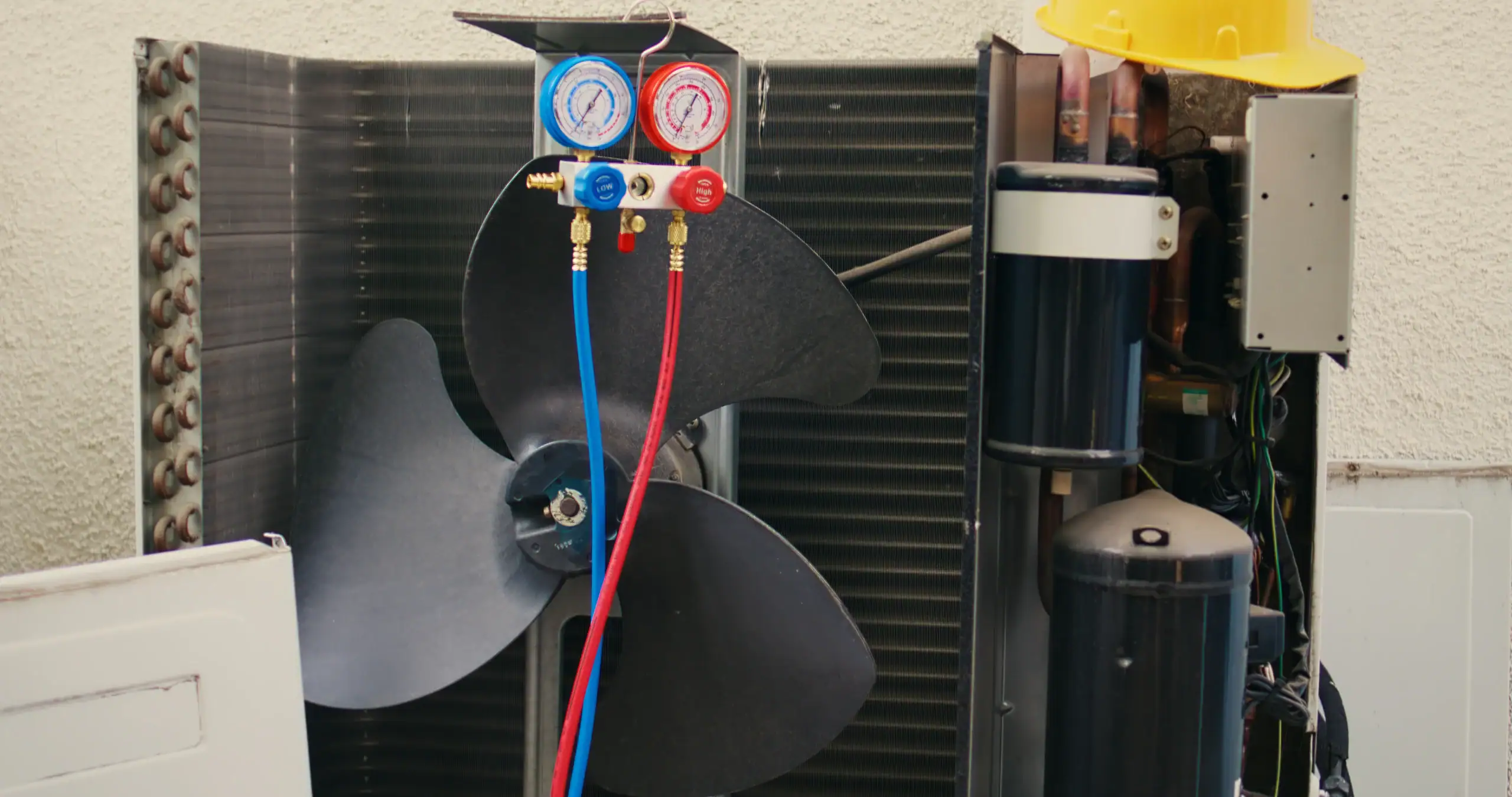
Once on-site, we perform a complete system evaluation. We’re checking water flow through your condenser, testing voltage at your compressor, inspecting door seals, and measuring actual temperatures against what your thermostat reports. We’re looking for the root cause—not just the obvious symptom—because a high pressure fault might be caused by marine growth in your water lines, a failing pump, or even incorrect refrigerant levels from a previous repair.
You get a clear explanation of what’s wrong and what it takes to fix it. If your system needs refrigerant, we’ll find and repair the leak first—not just top it off and send you on your way. If your compressor is undersized for your box, we’ll tell you. If a simple cleaning will solve your problem, that’s what we’ll recommend. After repairs or installation, we test the system thoroughly and explain what you should monitor going forward.
Ready to get started?
We handle every aspect of marine refrigeration and boat air conditioning. New installations get sized properly for your vessel—we calculate heat load, evaluate your electrical system, and recommend equipment that matches your cruising style. We work with all major marine brands including Dometic, Cruisair, Marine Air, Frigoboat, and Seafrost systems.
Repair services cover everything from simple fixes like replacing water pumps and cleaning strainers to complex diagnostics on electronic control modules and compressor issues. We handle refrigerant leaks properly, locating the source and repairing it before recharging to manufacturer specifications. We replace failing thermostats, repair electrical connections, upgrade condensers for better efficiency, and retrofit older systems with modern components.
Port Jefferson’s maritime environment creates specific challenges. The salt air accelerates corrosion. Marine growth in Long Island Sound is particularly aggressive during summer months, clogging intake lines and reducing cooling efficiency. Boats that sit at local marinas face different demands than vessels that cruise regularly. We factor in these local conditions when servicing your system, recommending maintenance schedules and upgrades that make sense for how you actually use your boat in these waters.
Maintenance services keep systems running efficiently before problems develop. Regular service includes cleaning condenser coils, checking refrigerant levels, testing electrical connections, inspecting door seals, and verifying proper water flow. For boat owners preparing for season or winterizing, we ensure systems are protected and ready when you need them.
Constant running with poor cooling usually points to one of several issues. Your system might be losing cold air through failing door gaskets—if you can easily slide a dollar bill out when the door is closed, your seals aren’t working. Poor insulation is another common culprit, especially on older boats where moisture has degraded the foam insulation in your box.
Low refrigerant from a leak will cause this too, but simply adding more refrigerant without fixing the leak just delays the inevitable. Your compressor might also be undersized for your box, which means it’s working as hard as it can but doesn’t have the capacity to maintain temperature, especially during hot weather. Electrical issues like low voltage from aging batteries can prevent your compressor from running efficiently, creating a cycle where it runs longer, drains your batteries further, and cools even less effectively.
The fix depends on accurate diagnosis. Sometimes it’s as simple as adjusting door catches or cleaning condenser coils. Other times it requires repairing leaks, upgrading insulation, or replacing an inadequate compressor with properly sized equipment.
In Port Jefferson’s marine environment, your boat refrigeration system needs attention at least twice a year—once before season starts and once mid-season during peak summer growth. Long Island Sound has aggressive marine growth, especially during warm months, and that growth doesn’t just attach to your hull. It grows inside the water lines feeding your refrigeration system, restricting flow and causing high pressure faults.
Between professional services, you should check your raw water strainer every few weeks during summer and inspect your return air filters monthly. If you keep your boat at a local marina like Danfords or Port Jefferson Town Marina and use it regularly, you’ll catch problems early by monitoring how long your compressor runs and whether your provisions stay consistently cold.
Boats that sit unused for extended periods need attention too. Seals can dry out, moisture can infiltrate insulation, and electrical connections can corrode in the salt air. A mid-season check catches these issues before they turn into expensive repairs or ruin a weekend trip. The investment in regular maintenance is far less than emergency repairs or replacing spoiled provisions.
High pressure faults mean your marine AC system is overheating, and the most common reason is reduced water flow to your condenser. In Port Jefferson waters, barnacles, grass, and other fouling organisms grow inside the hoses and pipes that supply seawater to your air conditioner. Even partial blockage restricts flow enough to trigger the fault.
A failing seawater pump can cause the same problem—if the pump isn’t moving enough water through your system, heat builds up and the safety cutout stops the compressor before damage occurs. Clogged intake screens or partially closed seacocks will also restrict water flow. Sometimes the issue is on the discharge side, where marine growth blocks the through-hull fitting where water exits your boat.
Less commonly, high pressure faults result from refrigerant overcharging, usually from a previous repair where someone added too much. Fixing high pressure faults starts with checking water flow at every point—intake strainer, pump operation, hoses for restrictions, and discharge through-hull. Cleaning or replacing components restores proper flow. If water flow is good, then the issue moves to refrigerant levels or condenser problems, which require proper diagnosis with gauges and testing.
Yes, but the right system depends entirely on your specific vessel and how you use it. A 25-foot boat with a small icebox needs a completely different approach than a 50-foot yacht with a full galley refrigerator and separate freezer. The key is proper sizing—undersized systems run constantly without maintaining temperature, while oversized systems short-cycle and fail prematurely.
Proper installation starts with calculating your actual heat load. That means measuring your box volume, evaluating insulation quality, considering how often you open the door, and factoring in ambient temperatures where you typically cruise. Your electrical system matters too—you need adequate battery capacity and charging capability to support the compressor without draining power from other systems.
For boats kept at Port Jefferson marinas, installation also considers whether you have shore power available, how often you use the boat, and whether you need the system to maintain temperature while sitting at the dock. Smaller boats might use a simple 12-volt system with a holding plate. Larger vessels might benefit from a more complex setup with separate compressor and evaporator. The installation needs to account for proper ventilation, access for service, and protection from the marine environment. Every installation gets customized based on these factors.
Excessive power consumption from boat refrigeration usually means your system is working much harder than it should. Poor insulation is often the culprit—if cold air is escaping and warm air is infiltrating your box, your compressor runs constantly trying to maintain temperature, draining batteries in the process. Every amp hour counts on a boat, and an inefficient system can drain your batteries overnight.
Undersized or dirty condensers force your compressor to work harder and run longer to reject heat. If your condenser coils are covered in dust and salt residue, or if your water-cooled condenser isn’t getting adequate flow, efficiency drops dramatically. The compressor draws more power and runs longer cycles to achieve the same cooling. Failing door seals create the same problem—your system is fighting a constant influx of warm, humid air.
Sometimes the issue is with your batteries themselves, not the refrigeration. Aging batteries that won’t hold a charge properly show low voltage, which makes your compressor run inefficiently. The thermostat keeps calling for cooling because the box isn’t reaching temperature, the compressor keeps running, and the cycle continues. Solving battery drain starts with determining whether your refrigeration system is actually inefficient or whether your electrical system can’t support a properly functioning refrigerator. Both problems are fixable, but they require different solutions.
Marine refrigeration faces challenges that don’t exist in your kitchen. On a boat, you’re dealing with constant motion, limited electrical power, extreme humidity, salt air corrosion, and temperature swings that would never happen in a climate-controlled home. These factors require completely different design approaches and components.
Power efficiency is critical because you’re running on batteries with limited capacity. Home refrigerators use inefficient oversized compressors because unlimited AC power is available. Marine systems use high-efficiency compressors designed to minimize amp draw while still providing adequate cooling. The entire system gets optimized around conserving battery power—larger evaporators to absorb heat quickly, efficient condensers to reject heat with minimal energy, and careful insulation to reduce the cooling load.
Marine components also need to withstand the harsh environment. Electrical connections must resist corrosion from salt air. Water-cooled systems need to handle raw seawater with its constant marine growth and corrosive properties. Everything must function reliably despite constant motion and vibration. Installation is more complex too—you’re working in confined spaces with limited ventilation, routing refrigerant lines through bulkheads, and ensuring proper drainage in a hull that’s never perfectly level. That’s why marine refrigeration requires specialized knowledge and experience that general HVAC technicians simply don’t have.