
Hear from Our Customers
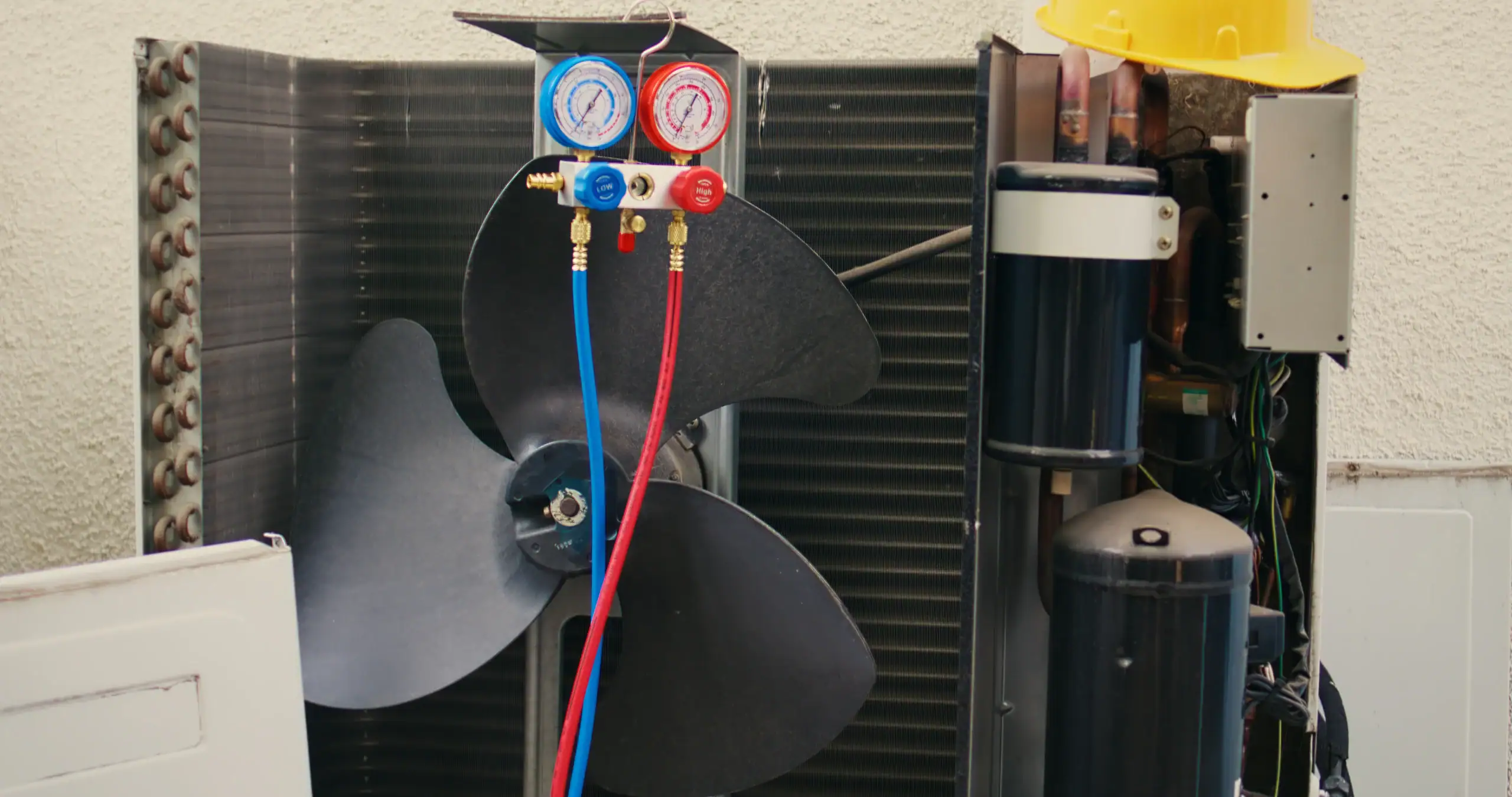
Your marine refrigeration system works harder than any home fridge. Constant motion, saltwater corrosion, and limited power make boat refrigeration a specialized challenge that demands real expertise.
When your system runs right, you get consistent temperatures that preserve your provisions without draining your batteries. Your compressor cycles efficiently instead of running constantly. Your crew stays comfortable, and your investment in fresh food pays off.
The difference between a properly maintained marine refrigeration system and a struggling one isn’t subtle. It’s the difference between confidence on the water and constant worry about what’s breaking down next.
We’ve been solving marine refrigeration challenges in Riverside and throughout the Greater New York area for over 40 years. We’ve seen every type of system failure, from simple seal replacements to complete custom installations that other companies won’t touch.
What sets us apart isn’t just experience—it’s our understanding of how marine environments destroy standard refrigeration equipment. Saltwater corrosion, constant vibration, and power limitations require specialized knowledge and marine-grade components.
Riverside’s boating community knows us for our 24/7 emergency response, transparent pricing, and ability to get systems running when others can’t. We’ve earned dozens of five-star reviews by treating every boat like our own.
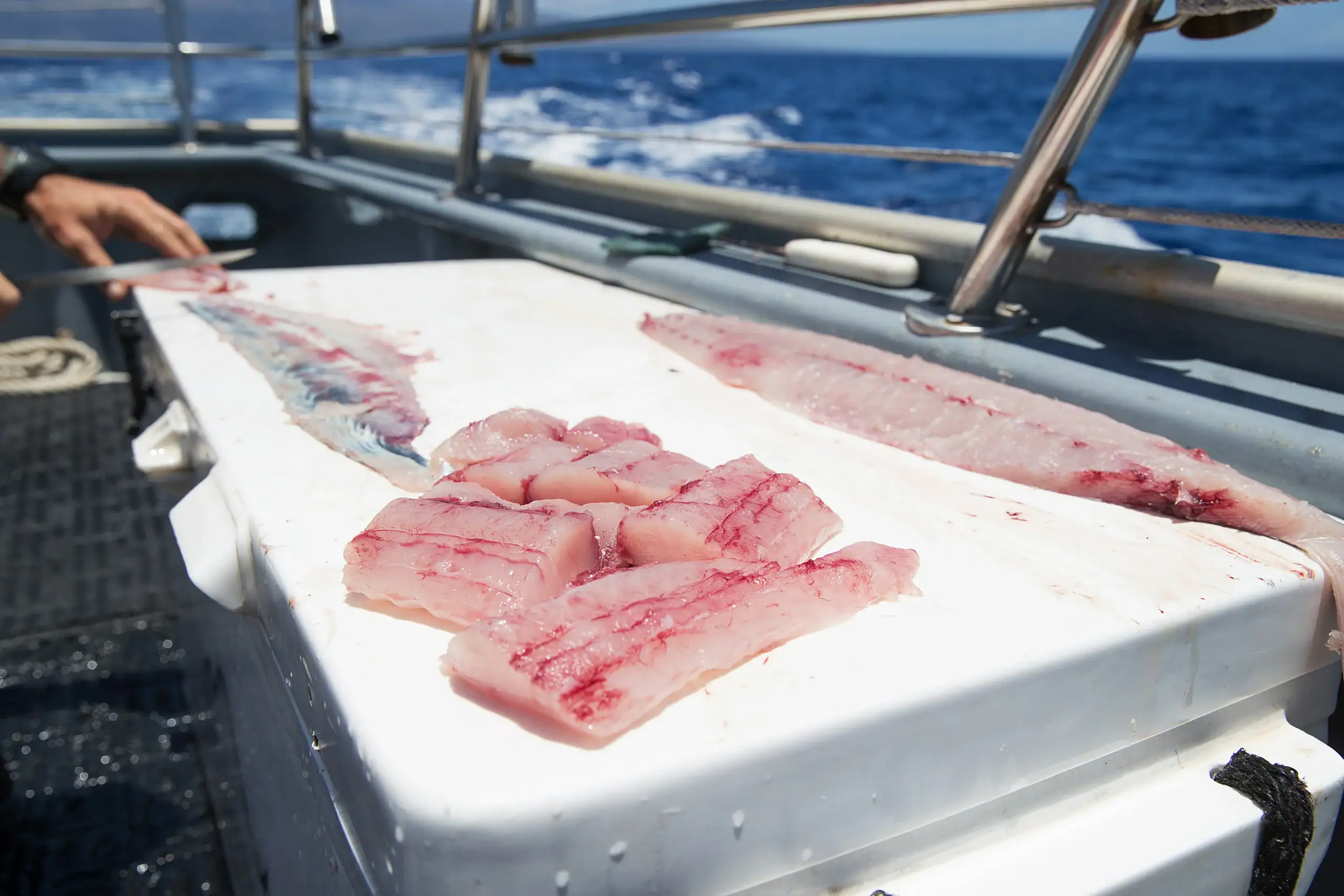
When you call us, you get a technician who understands marine systems, not someone guessing their way through your boat’s unique setup. We start with a comprehensive diagnostic to identify the root cause, not just the symptoms.
Our repair process uses marine-grade components designed for saltwater environments. No shortcuts, no residential parts that’ll fail in six months. We test everything thoroughly before considering the job complete.
Every service includes preventive recommendations to help you avoid future breakdowns. You’ll understand what to watch for, when to schedule maintenance, and how to maximize your system’s efficiency. We want your refrigeration system to outlast your boat.
Ready to get started?
We handle everything from simple refrigeration maintenance to complex custom installations. Our services include compressor replacement, condenser coil cleaning, refrigerant leak detection, electrical system diagnostics, and complete system retrofits.
Riverside’s marine environment presents unique challenges. The Hudson River’s brackish water accelerates corrosion, while the area’s temperature swings stress refrigeration components. Local boat owners deal with seasonal storage issues that affect system performance when boats return to service.
Our mobile service brings fully equipped technicians directly to your slip or dry storage. We carry marine-specific refrigerants, gaskets, and components that most HVAC companies don’t stock. Emergency calls get priority response because we understand that refrigeration failures don’t wait for convenient times.
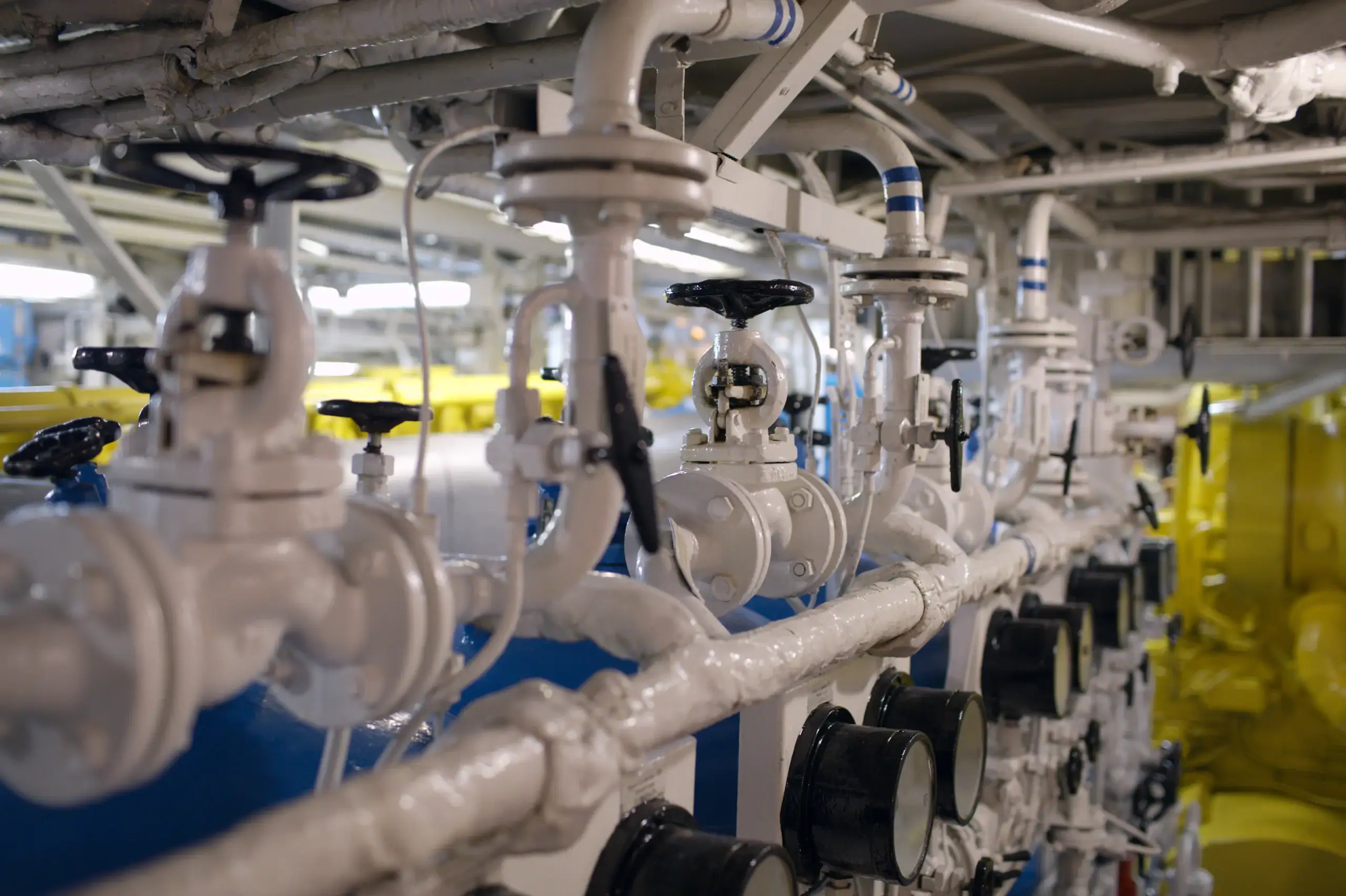
Marine refrigeration systems need professional service at least once per season, with bi-annual service recommended for boats used year-round. The harsh marine environment accelerates wear on components like condenser coils, which collect salt deposits, and door seals, which deteriorate from UV exposure and constant flexing.
Between professional services, you should clean condenser coils monthly, inspect door gaskets for proper sealing, and monitor power consumption. If your system runs constantly or struggles to maintain temperature, don’t wait for scheduled maintenance.
Regular service prevents most major failures and keeps your system running efficiently. The cost of preventive maintenance is always less than emergency repairs when you’re stranded with spoiled provisions.
Excessive power consumption usually indicates your refrigeration system is working harder than necessary. Common causes include poor insulation allowing warm air infiltration, dirty condenser coils reducing heat transfer efficiency, or refrigerant leaks forcing the compressor to run continuously.
Marine refrigerators are inherently power-hungry compared to home units because they operate in challenging conditions with limited insulation space. However, a properly functioning system should cycle on and off regularly, not run constantly.
Professional diagnostics can identify efficiency problems and often reduce power consumption by 25% or more. Simple fixes like cleaning coils, adjusting door seals, or adding insulation make dramatic differences in battery life.
Ice accumulation typically results from warm, humid air entering the refrigeration compartment through faulty door seals or excessive door openings. Marine environments are naturally humid, making this problem worse than in home refrigerators.
Another common cause is setting the freezer temperature too cold. Many boat owners think colder is better, but temperatures below 10 degrees can cause excessive frost formation and increase power consumption by up to 25%.
The solution involves checking door gaskets for proper sealing, reducing unnecessary door openings, and maintaining appropriate temperature settings. A dehumidifier in the cabin also helps reduce overall humidity that contributes to ice formation.
Signs of low refrigerant include reduced cooling capacity, ice formation on evaporator coils, and the system running constantly without reaching set temperatures. You might also notice oil stains near refrigerant lines or hear unusual hissing sounds.
However, refrigerant doesn’t just disappear—low levels indicate a leak somewhere in the system. Simply adding refrigerant without fixing the leak wastes money and can damage your compressor when levels drop again.
Professional leak detection using specialized equipment is essential for proper diagnosis. Marine systems face unique challenges from vibration and corrosion that create microscopic leaks difficult to locate without proper tools.
Standard residential HVAC components aren’t designed for marine environments and will fail quickly when exposed to saltwater, constant vibration, and humidity. Marine-grade parts use corrosion-resistant materials and specialized seals that withstand harsh conditions.
Using incorrect parts voids warranties and often leads to premature system failure. The initial savings disappear when you’re replacing failed components multiple times instead of installing the right parts once.
Professional marine HVAC technicians stock appropriate components and understand which parts work in saltwater environments. The investment in proper parts pays for itself through longer system life and fewer emergency repairs.
First, check obvious issues like power connections, circuit breakers, and door seals. Sometimes simple problems cause complete system shutdown. Minimize door openings to preserve existing cold temperatures as long as possible.
If the compressor runs but doesn’t cool, check for blocked condenser airflow or water flow issues in water-cooled systems. Clear any debris from intake screens and ensure ventilation fans operate properly.
For complex problems requiring professional diagnosis, contact marine HVAC specialists who offer emergency consultation. Experienced technicians can often guide you through temporary fixes or help you determine if the issue requires immediate professional attention versus waiting until you return to port.