Hear from Our Customers
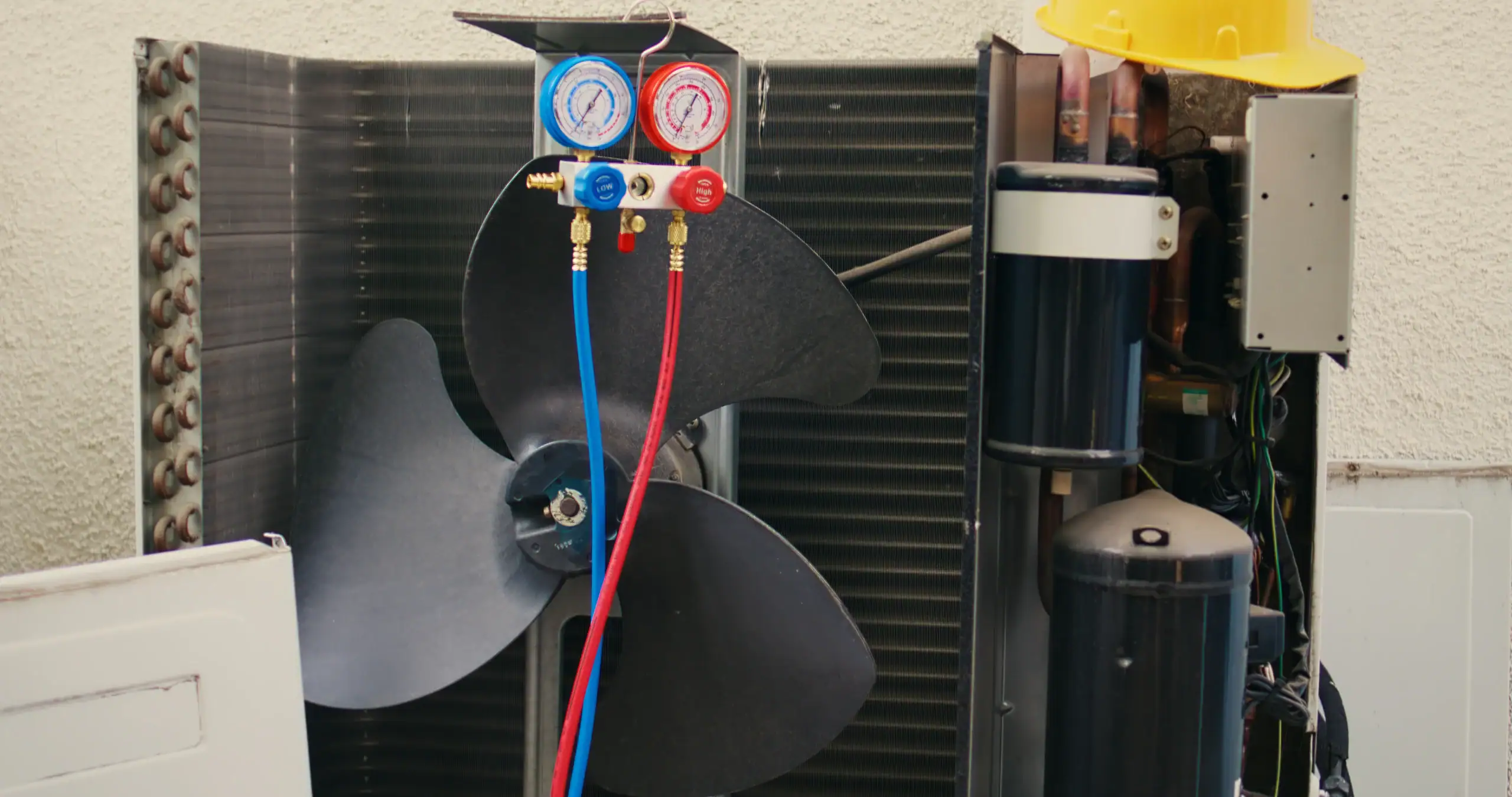
Your boat runs on DC power, sits in saltwater, and vibrates constantly. When the refrigeration fails, most HVAC companies have no idea what they’re looking at. Marine refrigeration isn’t residential cooling with different parts—it’s a completely different system requiring specialized knowledge.
You need someone who understands battery budgets, corrosion, through-hull fittings, and why your compressor keeps tripping on high pressure. Someone who fixes the actual problem instead of swapping parts and hoping.
When your marine refrigeration works properly, food stays cold without killing your batteries. The cabin stays comfortable overnight. Weekend trips don’t end early because your cooling system quit. That’s what real marine HVAC expertise delivers.
We bring over 40 years of marine HVAC and commercial refrigeration experience to every project in Ronkonkoma, NY and across Long Island. We serve demanding commercial clients—airports, catering halls, restaurants—who can’t tolerate downtime. That same expertise applies to your boat’s cooling systems.
We understand marine-specific challenges that regular HVAC companies miss. Saltwater corrosion on condensers. Limited battery capacity. Compact installations with poor ventilation. We’re available 24/7 because your refrigeration doesn’t wait for Monday morning to fail. Free estimates give you actual numbers before you commit. Dozens of five-star reviews confirm what Long Island boat owners already know—when marine refrigeration matters, we handle it right.
You call and describe the problem—no cooling, constant cycling, dead compressor, batteries draining too fast. We provide a free estimate so you know the cost upfront. No surprises.
A technician comes to your boat at the marina or slip in Ronkonkoma, NY. We diagnose the real issue, not just symptoms. Clogged raw water strainer. Condenser coils covered in marine growth. Failed expansion valve. Refrigerant leak. Whatever it actually is.
We explain what we found in plain terms, fix it with marine-grade components, and test everything to confirm it works. For new installations, we assess your power setup, space constraints, and cooling needs first. Then we handle the complete install—mounting, running lines, electrical integration, the whole system.
You get marine refrigeration or boat AC that actually functions reliably. That’s the point.
Ready to get started?
We handle emergency repairs, preventive maintenance, new installations, and system upgrades for all boat refrigeration and marine air conditioning equipment. That includes refrigerators, freezers, AC units, and complete marine HVAC systems.
Long Island boat owners face specific challenges. Summer heat stresses marine AC systems hard. Saltwater corrodes condensers, pumps, and fittings faster than you’d expect. Limited battery capacity means inefficient refrigeration systems drain power constantly, forcing you to run generators just to keep food cold.
We work on air-cooled systems, water-cooled setups, holding plate configurations, self-contained units, and split systems. We handle compressor replacements, refrigerant service, thermostat repairs, custom installations, and the complex jobs other companies walk away from. Whether you’re maintaining a 25-foot center console or a 60-foot cruiser in Ronkonkoma, NY, we’ve worked on similar marine refrigeration systems and know how to make them function properly in harsh saltwater environments.
Excessive battery drain typically comes from three sources. Your system might be oversized for your power capacity—a compressor pulling 8-10 amps on a modest battery bank simply drains power faster than your charging system can replace it. Poor insulation in the refrigerator box forces constant compressor cycling. Every degree of temperature rise triggers another cooling cycle, pulling more amps.
The third culprit—and this is common on Long Island boats—is condenser restriction. Marine growth, salt buildup, or weak raw water flow makes the system work harder to reject heat. The compressor runs longer, pulls more power, and drains batteries faster trying to achieve the same cooling.
Efficient marine refrigeration should draw 3-5 amps when running and cycle maybe 20-30 minutes per hour in normal conditions. If yours runs constantly or pulls excessive current, something’s wrong. Proper diagnosis determines whether you need insulation improvements, condenser cleaning, a more efficient compressor, or a complete system upgrade matched to your boat’s actual power budget.
Marine refrigeration operates on 12V or 24V DC battery power, not standard AC electricity. Components must be engineered for low-voltage, high-efficiency operation in extremely harsh conditions. The saltwater environment accelerates corrosion on condensers, fittings, and raw water pumps. Constant vibration from waves and engines loosens connections and causes premature component failure.
Space constraints force systems into tight compartments with limited ventilation. Water-cooled systems need through-hull fittings and seawater pumps—equipment that doesn’t exist in residential or commercial applications. Marine refrigeration must also handle the boat’s motion. Top-loading units prevent cold air spillage when the boat heels or rocks.
Installation requirements, component selection, and troubleshooting approaches are completely different. Regular HVAC technicians lack the marine-specific knowledge needed to properly diagnose and repair boat refrigeration systems. That’s why boat owners in Ronkonkoma, NY need specialized marine refrigeration service, not someone guessing their way through unfamiliar equipment.
Annual maintenance before boating season starts is the minimum. Preventive service catches small issues before they become expensive failures during peak summer use in Ronkonkoma, NY. Basic maintenance includes cleaning air filters, checking condensate pans, inspecting raw water strainers and pumps, examining electrical connections for corrosion, and testing system performance.
Every 2-3 years, condenser coils need thorough cleaning to remove marine growth and salt deposits that restrict heat transfer. If you use your boat heavily or keep it in the water year-round on Long Island, more frequent service makes sense.
Between scheduled maintenance, watch for warning signs: reduced cooling, unusual noises, water leaks, higher power consumption, or rapid compressor cycling. Those symptoms need immediate attention, not waiting for the next service appointment. Marine refrigeration systems with proper maintenance last 10-20 years. Neglected systems fail prematurely and leave you dealing with emergency repairs at the worst possible times. Annual maintenance costs far less than replacing an entire system.
Absolutely. Converting an icebox to powered refrigeration is a common upgrade that dramatically improves your boating experience. Modern marine refrigeration technology is far more energy-efficient than even systems from 10-15 years ago. New variable-speed compressors use half the power of older units while delivering better cooling performance.
Installation starts with assessing your boat’s electrical capacity. Battery bank size, charging sources (alternator, solar, generator), and total power budget all determine which equipment will work. Space comes next—where components can physically fit and how ventilation or water cooling will function in that location.
Icebox conversions typically use retrofit kits that transform existing space into powered refrigeration. Complete new installations require mounting the compressor in a ventilated area, installing the evaporator or cooling plate, running refrigerant lines, integrating thermostats, and connecting to your boat’s electrical system. Custom work might need fabrication or creative problem-solving to fit everything properly in Ronkonkoma, NY boats with unique layouts. The result is reliable marine refrigeration matched to your boat’s capabilities and your actual needs on the water.
Low refrigerant from slow leaks gradually reduces cooling capacity. Refrigerant doesn’t disappear on its own—if you’re low, there’s a leak that needs locating and repairing, not just topping off the charge. Restricted water flow is another frequent cause, especially on Long Island boats. Clogged raw water strainers, failing pumps, or marine growth blocking through-hull fittings prevent adequate condenser cooling. The system can’t reject heat properly and may trigger high-pressure faults.
Dirty air filters and clogged evaporator coils restrict airflow and reduce cooling capacity. Compressors lose efficiency over time and eventually can’t generate adequate pressure. Thermostat failures cause short-cycling where the system rapidly turns on and off without reaching set temperatures.
The marine environment accelerates these problems. Salt corrodes components. Vibration loosens connections. Heat and humidity stress equipment constantly. Proper diagnosis by technicians who understand marine HVAC systems matters—we know where to look and what typically fails in saltwater environments around Ronkonkoma, NY. Generic troubleshooting doesn’t work on boat air conditioning.
Yes. We provide 24/7 consulting and emergency service throughout Ronkonkoma, NY and Long Island because marine cooling failures happen on hot summer weekends when you’re actually trying to use your boat. Your refrigeration system doesn’t care that it’s Saturday afternoon.
When you call with an emergency, you speak with someone who can actually help—not an answering service or voicemail. We assess the situation, provide guidance on anything you can check yourself, and dispatch a technician when needed. We work at marinas, slips, and wherever your boat is located around Ronkonkoma, NY.
Emergency service means you’re not stuck with spoiled food, uncomfortable sleeping conditions, or cutting your trip short because the cooling quit. Emergency calls outside regular business hours may have different pricing, but you’ll know costs upfront before work starts. The goal is getting your marine refrigeration or boat AC back online so you can actually enjoy your time on the water instead of dealing with equipment failures all weekend.