Hear from Our Customers
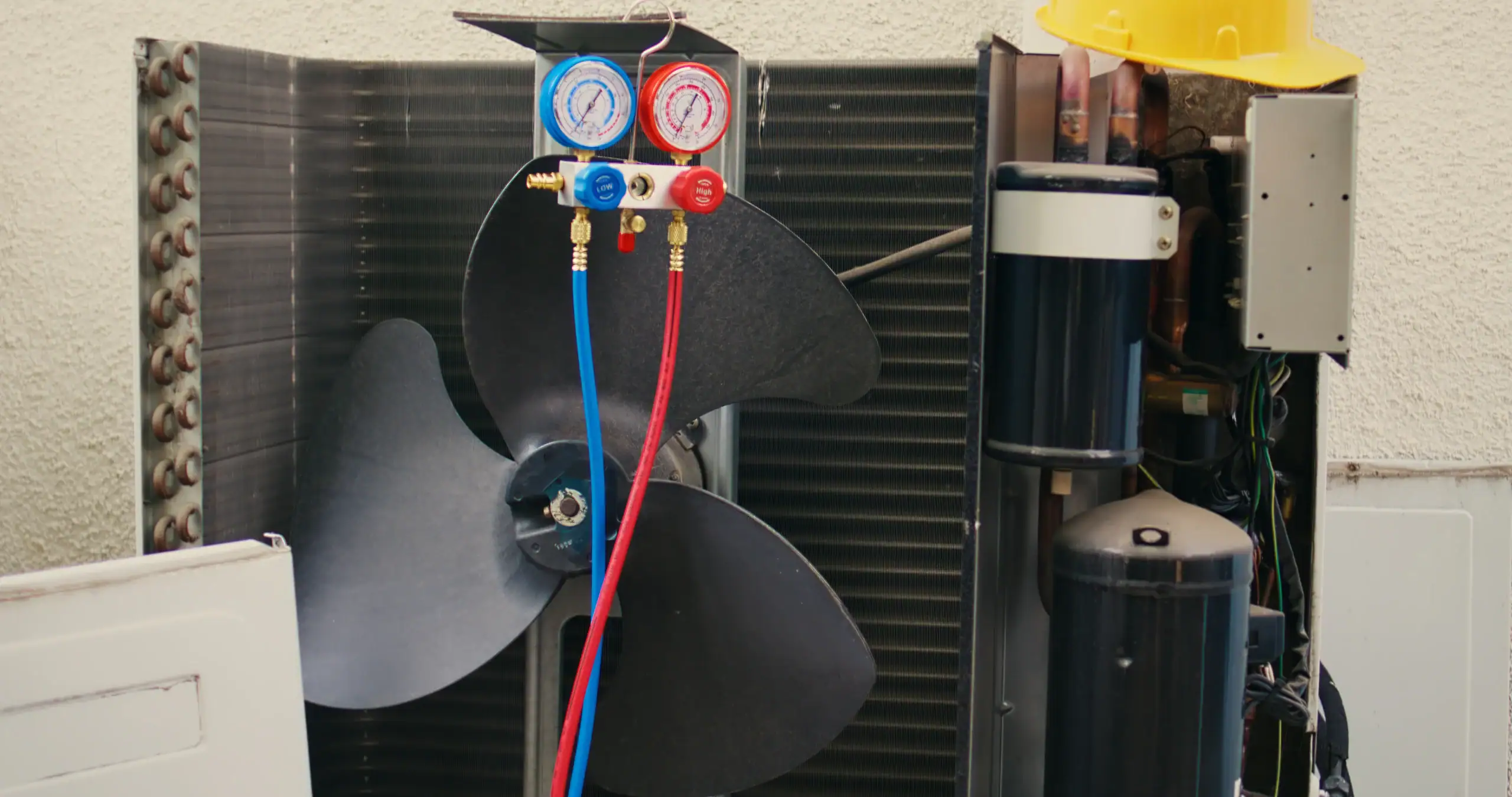
Your boat refrigeration quits on a Friday afternoon before a long weekend. Your marine AC stops cooling when guests arrive. Your fish box won’t hold temp during a tournament. These aren’t just inconveniences—they’re expensive problems that ruin plans and waste your time.
You need someone who actually answers the phone. Someone who knows the difference between a residential compressor and a marine system running on seawater cooling. Someone who understands that your boat isn’t just sitting in a driveway—it’s exposed to salt spray, constant humidity, and motion that residential systems never face.
When your marine refrigeration or boat air conditioning works right, you don’t think about it. Food stays fresh on extended trips. The cabin stays comfortable in July heat. Your investment in your vessel is protected. You spend time enjoying the water instead of dealing with service delays and failed repairs.
We bring over 40 years of commercial refrigeration and marine HVAC experience to Shelter Island’s boating community. We serve boat owners throughout Long Island’s East End, from West Neck Harbor to Coecles Harbor and beyond.
What sets us apart is dual expertise that’s rare in this region: we handle both complex commercial refrigeration systems and marine-specific HVAC challenges. That matters in Shelter Island, where the marine environment demands specialized knowledge that typical HVAC contractors simply don’t have. Salt air accelerates corrosion. Seawater cooling systems require different diagnostics than residential units. Variable power sources and constant motion create unique failure points.
We offer 24/7 consulting, free estimates, and straight answers. We’ve earned dozens of five-star reviews by showing up when promised, communicating clearly, and fixing problems right the first time. No backlogs stretching into months. No passing on jobs because they’re “too complicated.” Just honest service from people who know what they’re doing.
First, you get a real conversation—not a voicemail. We ask specific questions about what’s happening with your system: Is it not cooling at all? Making unusual noises? Leaking? How old is the unit? What brand? This isn’t small talk. It helps us show up prepared with the right parts and tools.
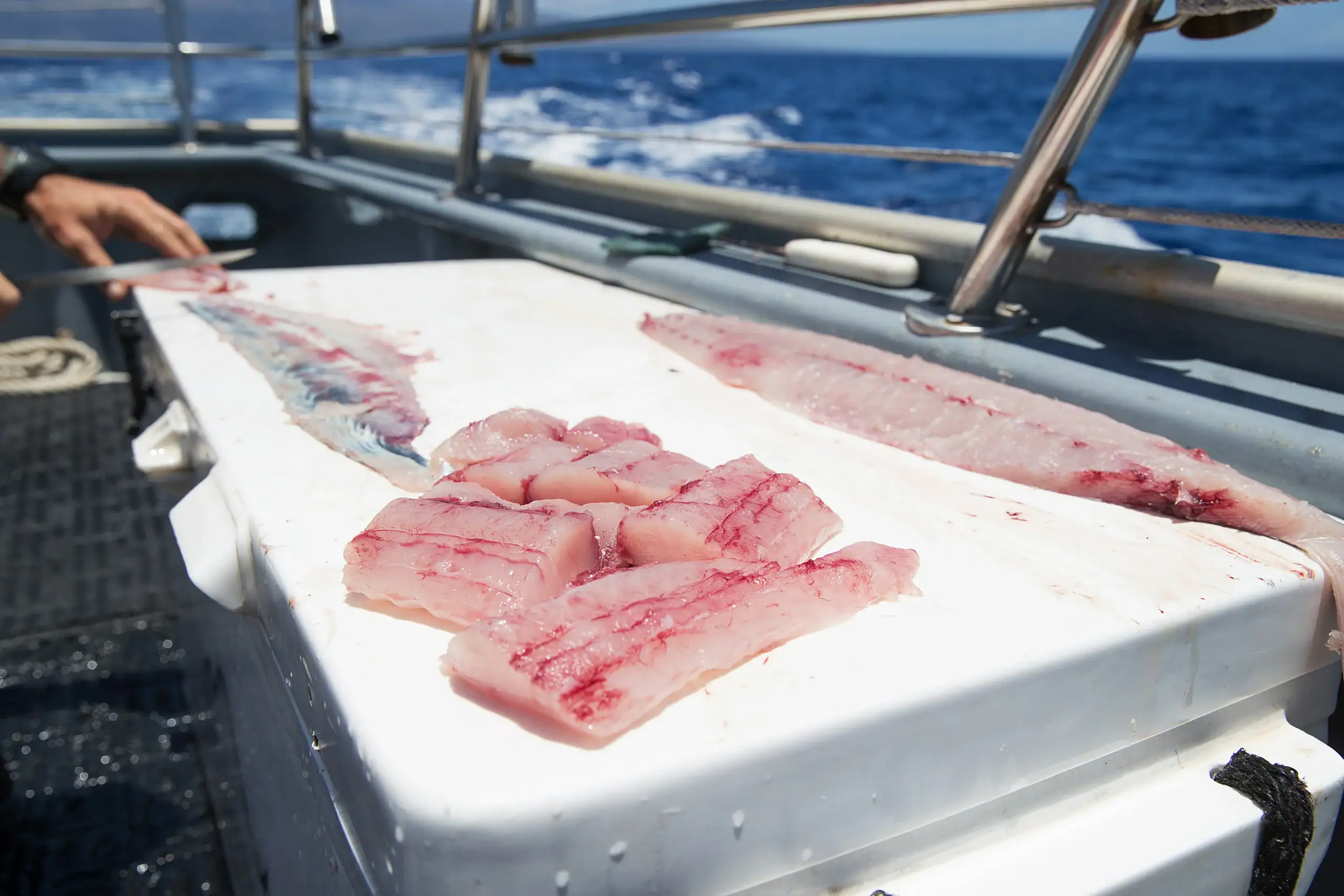
Next comes the diagnostic. We examine the entire system: compressor function, refrigerant levels, seawater pump operation, heat exchanger condition, electrical connections, and thermostat calibration. Marine refrigeration failures often involve multiple factors—a clogged strainer reducing water flow, salt buildup on condenser coils, or a failing circulation pump. We trace the actual problem, not just the obvious symptom.
Then you get a clear explanation and a free estimate. What’s wrong, why it happened, what it takes to fix it, and what it costs. No jargon. No upselling. If you’re dealing with an aging system that’s going to need repeated repairs, we’ll tell you that too.
The repair itself depends on what your system needs: refrigerant recharge, compressor replacement, seawater pump rebuild, heat exchanger cleaning, or full system installation. We work efficiently because we’ve done this hundreds of times. When we finish, your system works. And if you want ongoing maintenance to prevent future breakdowns—especially important with Shelter Island’s salt air—we’ll set that up on a schedule that makes sense for how you use your boat.
Ready to get started?
This covers the full scope of marine refrigeration and boat air conditioning work: installations, repairs, maintenance, and emergency service. Whether you’re dealing with a Dometic unit that won’t cool, a CruisAir system making strange noises, or you need a complete custom refrigeration setup for a larger vessel, we handle it.
Shelter Island boat owners face specific challenges. The salt air here accelerates corrosion faster than inland areas. Your condenser coils accumulate buildup that kills efficiency. Seals and gaskets deteriorate quicker. The ferry-dependent logistics mean you can’t just “run to the store” for parts—you need a service provider who stocks what marine systems actually use and shows up ready to work.
Marine refrigeration maintenance is different from residential systems. You’re not just checking refrigerant and cleaning coils. You’re inspecting seawater intake strainers, testing circulation pump function, checking for galvanic corrosion, monitoring heat exchanger performance, and ensuring proper drainage. These systems pull water from below the waterline, cool the refrigerant through heat exchange, then discharge it above the waterline. When any part of that process fails, your whole system stops working.
For boats that sit unused during winter months, there’s winterization—draining water from the system and protecting components from freeze damage. For seasonal users ramping up in spring, there’s startup service to ensure everything’s ready before you need it. And for year-round boaters, there’s preventative maintenance scheduled around your usage patterns, not some generic calendar.
More often than you’d think, and definitely more than residential systems. Shelter Island’s salt air accelerates corrosion and creates buildup that kills efficiency fast.
For systems you use regularly during boating season, quarterly maintenance makes sense. That includes cleaning condenser coils (salt accumulation is aggressive here), checking seawater strainer and pump function, inspecting refrigerant levels, and testing electrical connections. If you run your system hard—long trips, hot weather, frequent use—you might need attention every 8-10 weeks.
Boats that sit during winter need pre-season and post-season service. Before you start using the boat in spring, the system should be checked to ensure it survived storage and is ready for demand. After your last trip in fall, proper winterization prevents freeze damage and corrosion during months of inactivity. Skipping this costs more in repairs later than the maintenance would have cost upfront.
Marine AC failures usually come down to a few common culprits, and yes, many can be fixed same-day if you’re working with someone who actually stocks marine parts.
Low refrigerant is frequent—there’s a leak somewhere that needs finding and sealing before recharging. The seawater pump might have failed, meaning no water flow through the heat exchanger to cool the refrigerant. Condenser coils could be fouled with salt buildup, blocking heat transfer. The thermostat might be miscalibrated or dead. Or you’ve got an electrical issue: a tripped breaker, corroded connection, or failed compressor.
Here’s what slows repairs down: contractors who don’t understand marine systems, don’t stock the right parts, or treat your boat AC like a house unit. Marine systems use seawater for cooling. They handle variable power. They’re built for constant motion. A residential HVAC tech troubleshooting your boat is guessing. A marine specialist knows exactly where to look and what parts to bring. That’s the difference between a quick fix and waiting weeks while your boat sits unusable.
Marine refrigeration operates in an environment that would destroy a residential fridge in months. The engineering is completely different because the challenges are completely different.
Marine systems use seawater for cooling instead of air. Water from below your waterline gets pumped through a heat exchanger to dissipate heat from the refrigeration cycle, then discharged above the waterline. This is more efficient than air cooling, but it means you’ve got seawater flowing through your system—bringing salt, debris, and marine growth with it. Your system needs strainers, specialized pumps, and corrosion-resistant components that residential units don’t use.
The power source varies too. Some marine refrigeration runs on 12V or 24V DC from your batteries. Others use shore power or generator AC. Many can switch between sources. Residential fridges just plug into a wall. Your boat’s system also has to handle constant motion, vibration, and tilting that would damage standard appliances. The compressors, mounts, and internal components are built differently.
Bottom line: a contractor who works on house refrigerators doesn’t automatically know how to service your boat. The diagnostic process is different. The parts are different. The maintenance requirements are different. You need someone who actually understands marine systems.
Honest answer: it depends entirely on what’s actually wrong, but you should expect to pay more than residential refrigeration work—and here’s why that makes sense.
Simple repairs like replacing a failed seawater pump, cleaning fouled condenser coils, or recharging refrigerant after fixing a minor leak might run a few hundred dollars. Mid-range repairs—compressor replacement, heat exchanger work, or electrical troubleshooting—typically cost more, potentially over a thousand depending on your system size and brand. Full system replacement or custom installations for larger vessels can run several thousand dollars.
Marine work costs more than residential for legitimate reasons. The parts are specialized and expensive. The labor requires actual expertise, not just general HVAC knowledge. Marine technicians need to understand seawater systems, boat electrical configurations, and how to work in tight engine compartments. We’re also dealing with your schedule—boats are used seasonally, repairs often need to happen fast, and service calls to marinas involve more logistics than driving to a house.
The real cost is hiring someone cheap who doesn’t fix it right. You pay twice—once for the failed repair, again for someone who actually knows what they’re doing. Free estimates exist for a reason. Get the diagnostic, understand what’s wrong, and make an informed decision.
Yes, and it’s one of the most valuable upgrades you can make to a boat you plan to use for extended trips or overnights. But it’s not a simple plug-and-play installation—it requires real planning and expertise.
A proper marine refrigeration installation starts with understanding your boat’s layout, power availability, and how you’ll use the system. Where will the refrigeration unit go? Is there adequate ventilation? Can you run seawater intake and discharge through the hull safely? Do you have sufficient battery capacity for DC systems, or will you rely on shore power or a generator? What size system do you actually need for your space and usage patterns?
Then there’s the physical work: through-hull fittings for water intake and discharge, mounting the compressor and evaporator, running refrigerant lines, electrical connections, installing the seawater pump and strainer, and setting up proper drainage for condensation. Every connection has to be marine-grade and properly sealed. Poor installation leads to leaks, corrosion, inefficiency, and eventual failure.
Custom installations take more time than repairs, but the result is a system designed specifically for your boat and how you use it. You’re not retrofitting something that barely fits—you’re getting a properly engineered solution. And if you’re in Shelter Island’s marine community, where extended time on the water is common, that investment pays off every trip.
Yes, with 24/7 consulting available, because marine refrigeration emergencies don’t wait for business hours. Your system fails when you need it most—right before a trip, during a heat wave, or when you’re already out on the water.
Emergency service means you can actually reach someone who can help. Not a voicemail system. Not a “we’ll get back to you next week” response. Real availability when your refrigeration goes down and you’ve got a boat full of food spoiling or guests arriving in hours. We can often diagnose issues over the phone and determine whether it’s something you can temporarily address yourself or if you need immediate service.
Response time depends on the situation and current demand, but the goal is always to get you working again as fast as possible. Sometimes that means a same-day service call. Sometimes it’s walking you through a temporary fix until a full repair can happen. Either way, you’re not left guessing or waiting days for someone to even acknowledge your call.
Shelter Island’s geography—accessible by ferry with a tight-knit boating community—means we understand the urgency. Your boat isn’t just a hobby. It’s an investment. When something breaks, especially during prime season, every day of delay costs you time on the water you can’t get back. That’s why emergency availability matters.