Hear from Our Customers
Your boat should be ready when you are. Not sitting at the dock because the AC quit or the refrigeration can’t hold temperature. That’s what happens when you’re dealing with companies that treat marine systems like house units—they’re not.
Marine refrigeration operates in conditions that destroy regular equipment. Salt eats through components. Humidity wreaks havoc on electrical connections. Vibration loosens what should stay tight. Your system needs someone who knows how to build, repair, and maintain cooling that survives all of it.
When your boat air conditioning and marine refrigeration work right, you’re not thinking about them. You’re out on Shinnecock Bay. Your family’s comfortable. Your provisions stay cold. The weekend you planned actually happens.
We bring over four decades of hands-on experience to every marine refrigeration and boat air conditioning project in Shinnecock Hills and throughout the Hamptons. We serve boat owners at local marinas—from Shinnecock Canal Marina to Ponquogue Marine Basin—plus commercial operations from Montauk to Manhattan.
What sets us apart is dual specialization. We handle complex commercial refrigeration for airports, restaurants, and catering halls, then apply that same precision to marine HVAC systems. It’s not common to find that combination, and it matters when you’re troubleshooting a stubborn cooling issue or designing a custom installation.
Dozens of five-star reviews back up what local boat owners already know: when you call, someone answers. When we give you a timeline, we hit it. When we quote a price, that’s what you pay. No runaround, no excuses.
You reach out—phone, text, email, whatever works. We ask the right questions up front so we show up with the right parts and knowledge. You get a free estimate. Clear numbers, clear scope.
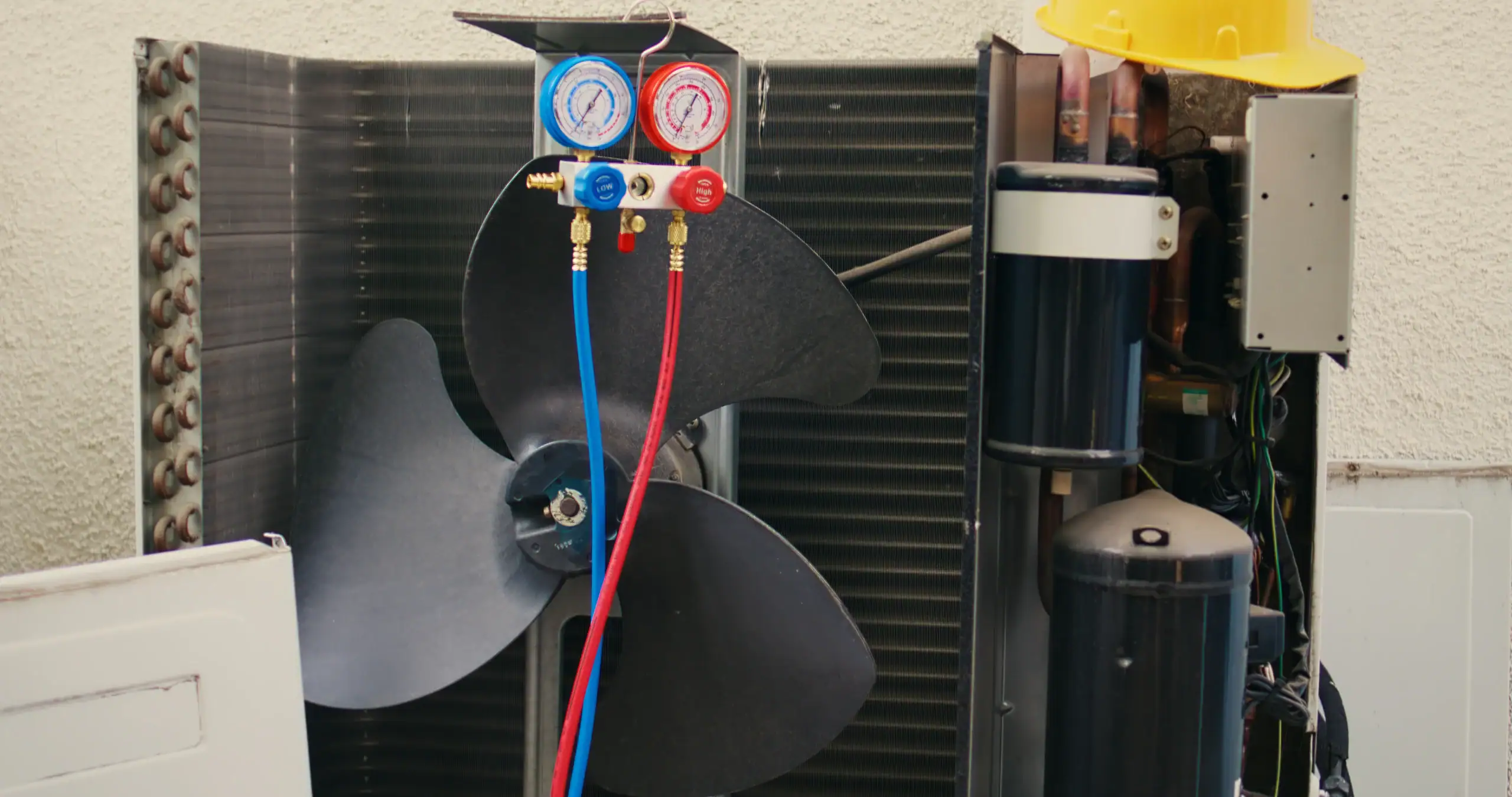
If it’s a repair, we diagnose the actual problem. Not the surface symptom, the root cause. HPF error on your boat AC? We’re checking water flow, seawater strainers, pump impellers, and condenser coils—not just resetting the system and hoping. Weak cooling? We’re measuring refrigerant pressure, inspecting for leaks, and testing compressor function.
For new marine refrigeration installations, we evaluate your boat’s layout, power supply, and cooling needs. We recommend the right system type—self-contained, split, or chilled water—based on your vessel size and how you use it. Then we install it properly, with marine-grade materials and attention to details that prevent callbacks.
Refrigeration maintenance contracts keep you ahead of problems. Scheduled inspections catch issues before they strand you. Filters get cleaned, electrical connections get checked, seawater systems get flushed. You stay on the water instead of waiting for parts.
Ready to get started?
Marine refrigeration service in Shinnecock Hills means dealing with conditions most HVAC techs never see. Shinnecock Bay’s saltwater environment is tough on equipment. Boats here see heavy use during peak season—long days in summer heat, systems running constantly, components under stress.
We handle the full range. New installations for boats that never had AC or refrigeration. Replacements when old systems finally give out. Emergency boat AC repair when something fails on a Friday afternoon in July. Preventive refrigeration maintenance that keeps small issues from becoming expensive emergencies.
We work with all the major marine brands—Dometic, Cruisair, Frigoboat, Isotherm, Vitrifrigo. Self-contained units for smaller vessels. Split systems for larger boats. Custom solutions when off-the-shelf doesn’t cut it. The 24/7 availability isn’t marketing talk—it’s how we operate, because marine emergencies don’t wait for business hours.
Local boat owners in Shinnecock Hills know the difference between a company that shows up once and one that’s there when you need them again. Between techs who understand marine-specific challenges and general contractors who don’t. Between transparent pricing and surprise invoices. That’s what four decades of reputation gets you.
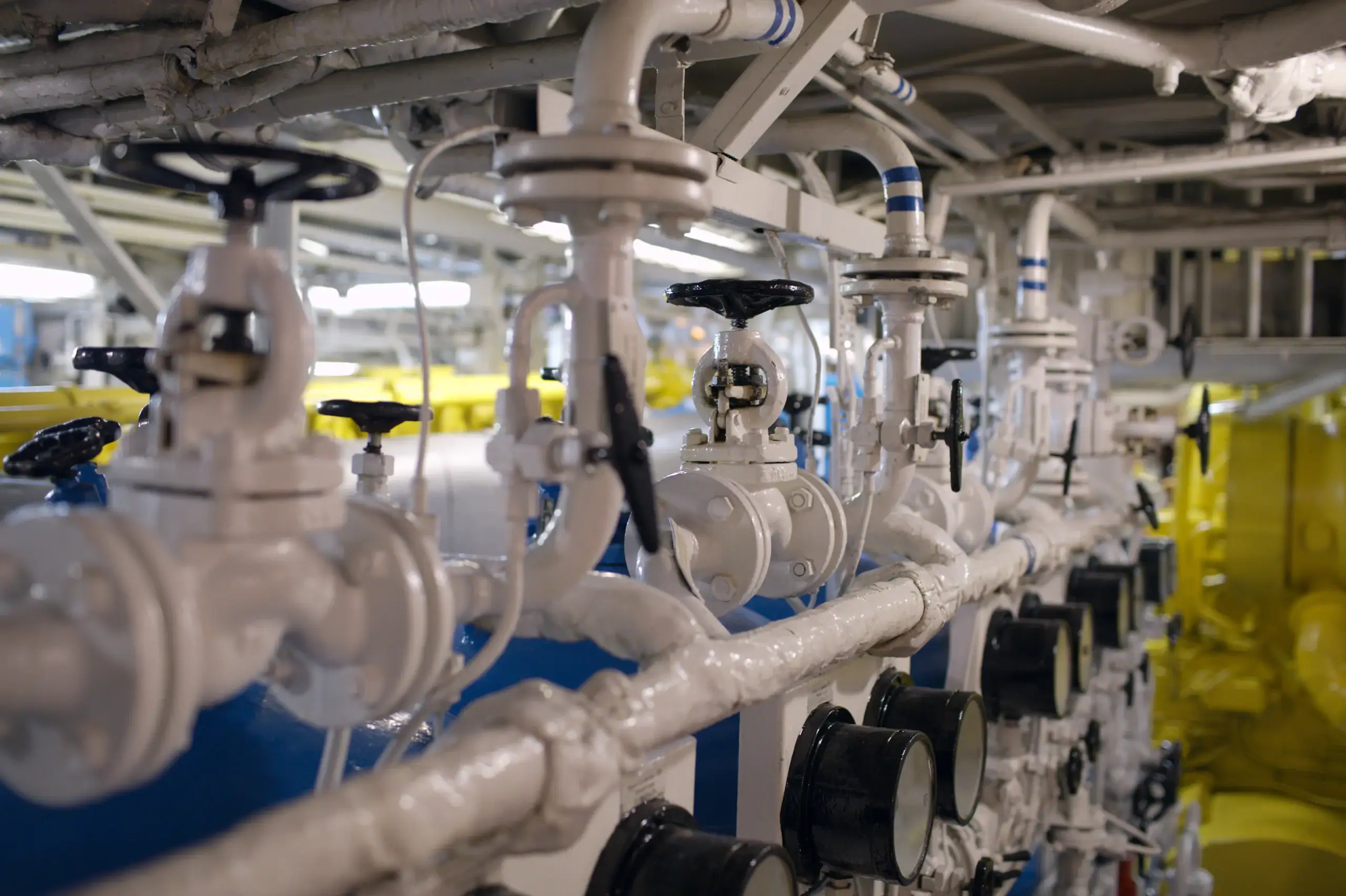
High pressure faults—usually displayed as HPF or HP on your control panel—are the most common marine air conditioning complaint. Your system is shutting down automatically to prevent damage, which means it’s detecting a cooling problem.
Start with water flow. Most HPF errors trace back to insufficient seawater moving through the condenser. Check your raw water strainer first—if it’s clogged with debris or marine growth, you’re not getting enough flow. Open the seacock, clean the strainer, and see if that resolves it. If the strainer looks clear but water flow still seems weak, your pump impeller might be worn or failed. That’s a straightforward replacement for most systems.
If water flow checks out, the issue could be a scaled or fouled condenser coil. Shinnecock Bay’s saltwater leaves mineral deposits and marine growth inside the coil over time, restricting flow even when the strainer is clean. That requires a professional flush with proper solutions. Less commonly, you might have a refrigerant issue or a failing pressure switch, but water-related problems cause the majority of HPF errors in marine AC systems.
At minimum, once a year before boating season starts. If you’re using your boat heavily or keeping it in the water year-round in Shinnecock Hills, twice a year makes more sense—spring and fall.
Regular marine HVAC maintenance prevents about 70% of the failures that leave boats sitting at the dock. During service, filters get cleaned or replaced so airflow stays strong. Seawater strainers get flushed. Electrical connections get inspected for corrosion—salt air destroys connections faster than you’d think. Refrigerant pressures get checked. Condensate drains get cleared. All the small things that turn into big problems when ignored.
The marine environment accelerates wear. Components degrade 30% faster on boats than in land-based systems because of salt, humidity, and vibration. Skipping maintenance doesn’t save money—it just moves the expense to emergency boat AC repair at the worst possible time. A planned service call in April costs a fraction of an emergency replacement in July when your family’s on the boat and nothing’s working.
Marine air conditioning uses seawater for cooling instead of outside air. Your boat’s AC pulls cool water from a through-hull fitting, runs it through a heat exchanger to absorb heat from the refrigerant, then discharges the warmed water back overboard. That’s fundamentally different from home AC units that use air-cooled condensers.
This matters because marine systems face challenges regular AC never sees. Saltwater is corrosive—components need marine-grade materials like cupronickel and stainless steel or they fail quickly. Seawater brings debris, marine growth, and minerals that clog strainers and scale up condenser coils. The constant motion and vibration of a boat loosens connections and wears out moving parts faster.
Marine HVAC systems also run on different power—usually 12V or 24V DC from your boat’s batteries, or shore power when docked. They’re built to operate at angles of heel on sailboats. They’re designed to handle the humidity of being surrounded by water. A regular HVAC tech doesn’t have the training or experience to properly service these systems. You need someone who understands marine-specific requirements and has worked with seawater-cooled equipment.
Yes, and it’s more common than you might think. Many older boats or smaller vessels never came with refrigeration systems, but owners eventually want the convenience of keeping food and drinks cold without relying on ice.
The process starts with evaluating your boat’s existing icebox or available space. Can the current box be converted, or does a new cabinet make more sense? What’s your power situation—do you have adequate battery capacity and charging to support a boat refrigeration system? Where will the compressor and condenser mount? How will you route seawater cooling or ventilation?
For boats up to about 40 feet, self-contained units often work well. They’re simpler to install and service. Larger vessels might benefit from split systems or custom configurations. The goal is matching the system to how you actually use your boat—weekend trips on Shinnecock Bay need different solutions than extended cruising.
Installation requires marine-grade through-hull fittings if you’re going with water-cooled systems, proper electrical connections that can handle the marine environment, and attention to ventilation and drainage. Done right, you get reliable refrigeration that lasts for years. Done wrong by someone who doesn’t understand marine applications, you get callbacks and problems.
Several common culprits, and they’re usually preventable with regular refrigeration maintenance. Low refrigerant is near the top of the list. If you’ve got a leak somewhere in the system, refrigerant escapes over time and cooling performance drops. You’ll notice the box isn’t as cold as it should be, or it takes much longer to cool down. Refrigerant leaks often mean it’s time to replace the unit rather than chase down and patch multiple leak points—corrosion doesn’t stop at one spot.
Dirty or blocked condenser coils kill cooling efficiency. The condenser needs to dump heat, and if it’s covered in marine growth, scale, or debris, it can’t do its job. Airflow matters too—if your evaporator coils are iced up or your ventilation is blocked, you’re not moving enough air across the cooling surfaces.
Compressor problems show up as inconsistent temperatures or a system that runs constantly but doesn’t cool well. The compressor might be wearing out, or it could be cycling incorrectly due to pressure switch issues. Sometimes the problem is simpler—a thermostat set wrong, a door seal that’s not sealing, or insulation that’s degraded and letting heat in faster than the system can remove it. Proper diagnosis identifies the actual issue instead of guessing.
Yes. 24/7 availability isn’t just a tagline—it’s how we operate. Marine emergencies don’t conveniently happen during business hours, and a failed boat AC or refrigeration system can ruin a planned trip or spoil expensive provisions.
When your system goes down on a Saturday afternoon in July and your family’s supposed to be on the boat, you need someone who answers the phone and actually shows up. Not a voicemail promising a callback Monday. Emergency marine AC repair means diagnosing the problem quickly, having common parts on hand or knowing where to source them fast, and getting your system running again so your plans don’t fall apart.
The 24/7 consulting also covers troubleshooting support for boat HVAC issues. Sometimes you can resolve an issue yourself with the right guidance—cleaning a strainer, resetting a breaker, checking a simple connection. Other times you need hands-on service. Either way, you’re not left guessing or searching for help when everyone else is closed. That’s particularly valuable during peak boating season around Shinnecock Hills when demand is high and appointment slots fill up fast.