Hear from Our Customers
When your marine refrigeration system fails, you’re not just dealing with warm drinks and spoiled food. You’re facing a potential end to your boating plans, especially during peak season when every day on the water matters.
Professional marine refrigeration repair means getting your system diagnosed correctly the first time. No guesswork, no trial-and-error approaches that waste your time and money.
You get technicians who understand that marine systems face unique challenges—saltwater corrosion, space constraints, and power limitations that land-based refrigeration never encounters. Your system gets fixed with the right parts, proper techniques, and knowledge that comes from decades of marine-specific experience.
We’ve been solving marine refrigeration problems across Long Island for over 40 years. We serve boat owners from Montauk marinas to North Shore harbors, handling everything from yacht club installations to individual boat repairs.
What sets us apart is our specialization in marine systems—not just general HVAC work adapted for boats. Our licensed and insured technicians understand how saltwater affects components, how to work within tight marine spaces, and how to design systems that handle Long Island’s demanding climate.
Woodbury boat owners benefit from this local expertise because Long Island’s marine environment creates specific challenges. Summer heat stress, winter freeze cycles, and constant humidity changes require technicians who know how these conditions affect marine refrigeration performance.
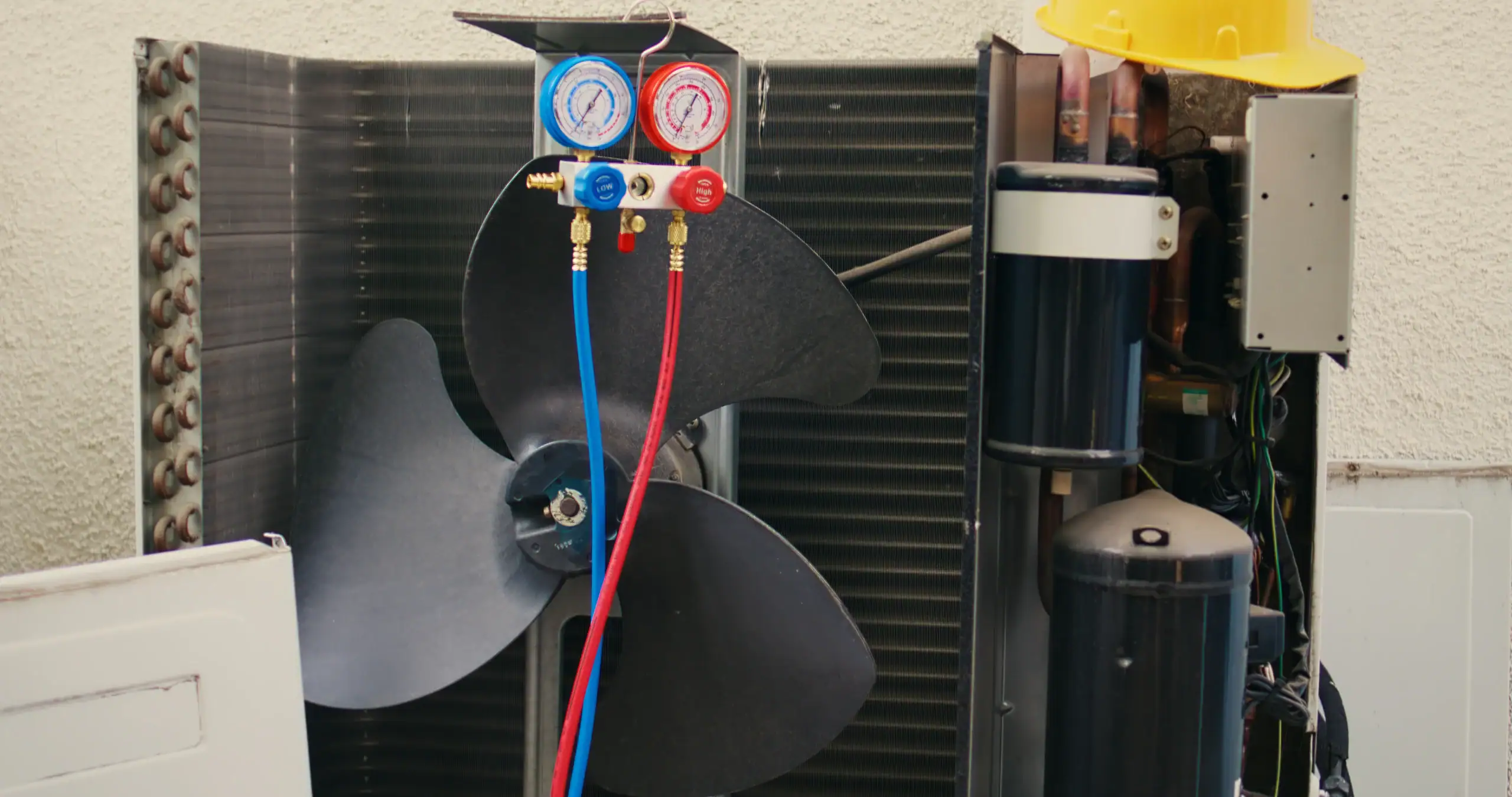
Your marine refrigeration service starts with proper diagnosis. Most boat owners know something’s wrong—warm refrigerator, unusual noises, or systems that won’t start—but identifying the root cause requires marine-specific knowledge and diagnostic equipment.
We evaluate your entire system, not just the obvious problem. Marine refrigeration involves seawater pumps, condensers, electrical connections, and refrigerant circuits that all work together. One failing component often affects others, so comprehensive diagnosis prevents repeat service calls.
Repair work uses marine-grade components designed for saltwater environments. Standard refrigeration parts corrode quickly in marine applications, leading to premature failures. We stock the right parts and know which brands hold up best in boat installations.
Testing ensures everything operates correctly before the job is complete. This includes temperature calibration, pressure testing, electrical verification, and checking that seawater flow rates meet manufacturer specifications.
Ready to get started?
Marine refrigeration service covers everything your boat’s cooling systems need to function reliably. This includes refrigerators, freezers, ice makers, and air conditioning units—all designed specifically for marine environments.
Our emergency service runs 24/7 because refrigeration problems don’t wait for convenient timing. When your system fails during a weekend trip or summer vacation, immediate response prevents food spoilage and keeps your boating plans on track. Our service trucks carry extensive parts inventory, allowing most repairs to happen the same day.
Long Island’s marine environment demands specialized knowledge. Saltwater corrosion affects different components in predictable ways, and our experienced technicians know which parts fail first and how to prevent future problems. We also understand local conditions—how North Shore harbors differ from South Shore marinas in terms of water quality and environmental challenges.
Installation work includes everything needed for reliable operation: proper electrical connections, permits, health department compliance where required, and maintenance scheduling to keep your investment protected long-term.
With proper maintenance, quality marine refrigeration systems last 10-15 years minimum. The key word is “proper”—most boat owners skip maintenance until something breaks, then wonder why their five-year-old system needs major repairs.
Marine systems work harder than home refrigerators because they handle constant motion, varying power sources, and saltwater environments. Regular maintenance every six months helps catch small problems before they become expensive repairs.
Long Island’s climate is particularly tough on marine refrigeration. Summer heat makes compressors work harder, winter storage affects seals and connections, and constant humidity changes stress the entire system. Professional maintenance accounts for these local conditions and adjusts service accordingly.
Most cooling problems stem from three main issues: refrigerant leaks, blocked water flow, or electrical failures. Marine systems use seawater for cooling, and that creates unique problems you don’t see with land-based air conditioning.
Reduced water flow is extremely common. Barnacles, marine growth, and debris accumulate in the seawater lines that feed your air conditioning units. When water flow drops, the system overheats and stops cooling effectively.
Refrigerant leaks happen because marine environments are harsh on connections and components. Constant motion, vibration, and saltwater exposure cause seals and fittings to fail over time. Low refrigerant means the system can’t remove heat properly, resulting in poor cooling performance.
Yes, most marine refrigeration repairs can be completed while your boat stays in the water. Our emergency service technicians carry diagnostic equipment and common parts directly to your slip or mooring.
About 70% of emergency calls get fixed on the spot because we stock our trucks with the most frequently needed components—compressors, thermostats, pumps, and electrical parts for major marine brands.
Complex repairs that require special parts or extensive work might need your boat hauled out, but that’s uncommon. Most problems involve components that can be accessed and replaced while the boat remains in its slip, minimizing disruption to your boating schedule.
Repair costs vary significantly based on the problem and components involved. Simple fixes like replacing a seawater pump or cleaning blocked lines typically cost $200-500. Major component failures like compressor replacement can range from $800-2,000 depending on the system size and complexity.
Our emergency service calls include diagnostic time and travel costs, but you’ll know the total price before work begins. No hidden fees or surprise charges after the fact.
The most expensive repairs usually result from deferred maintenance. A $150 maintenance visit can prevent a $1,500 compressor replacement by catching problems early. Regular service is always more cost-effective than emergency repairs.
Marine refrigeration faces challenges that home systems never encounter. Constant motion affects how refrigerant flows through the system. Limited power sources mean marine units must operate more efficiently. Space constraints require compact designs that still provide adequate cooling capacity.
Saltwater environments corrode standard refrigeration components quickly. Marine-grade parts use different materials and coatings to resist corrosion, but they cost more and require specialized knowledge to install properly.
Seawater cooling is another major difference. Marine air conditioners and some refrigeration systems use seawater instead of air for heat rejection. This creates efficiency advantages but also introduces problems with marine growth, blocked lines, and pump failures that don’t exist with land-based systems.
Consider replacement when repair costs exceed 50% of a new system’s price, or when your current system is over 10 years old and requiring frequent service calls. Older marine refrigeration units often use outdated refrigerants that are expensive and difficult to obtain.
Energy efficiency improvements in newer systems can offset replacement costs through lower operating expenses. Modern marine refrigeration uses significantly less power than older units, which matters when you’re running on battery power or limited generator capacity.
If your current system doesn’t meet your needs—insufficient cooling capacity, poor temperature control, or reliability problems—replacement makes more sense than trying to fix fundamental design limitations. Properly sized new systems provide years of trouble-free operation instead of constant repairs.