Hear from Our Customers
Your walk-in doesn’t quit during Saturday dinner rush. Your ice machine keeps up with the bar. Your prep tables stay at temp through health inspections.
That’s what reliable refrigeration looks like. No scrambling to move inventory. No calling three companies before someone picks up. No wondering if the repair will last through next weekend.
When your system works right, you stop thinking about it. You focus on running your restaurant, deli, or catering operation instead of babysitting equipment. Your energy bills stay predictable. Your food stays safe. Your business keeps moving.
Most commercial refrigeration in Asharoken faces the same enemy: salt air. It eats condenser coils. It corrodes electrical components. It turns a ten-year compressor into a seven-year problem. We’ve spent four decades learning how to build and maintain systems that hold up in coastal conditions. That experience shows up in how long your equipment lasts and how rarely you need emergency calls.
We’ve handled commercial refrigeration and marine HVAC across Long Island for over forty years. We’re EPA certified. We carry parts for every major brand. We answer the phone at 2 AM when your cooler dies.
Asharoken’s coastal location creates specific challenges. Salt-laden air from the Atlantic accelerates corrosion on outdoor condensing units. Humidity swings stress seals and gaskets. We see these problems daily, which means we know how to prevent them and fix them fast when they happen.
The businesses we work with—restaurants in Northport, delis in Huntington, yacht clubs along the shore—call us because we show up and we fix the root cause. Not just the symptom. We’re not the cheapest option, and that’s intentional. You’re paying for technicians who diagnose correctly the first time and repairs that don’t need a callback three weeks later.
You call or submit a request. We ask what’s happening with your equipment—strange noises, temperature issues, complete failure. If it’s an emergency, we dispatch the closest available technician immediately. Most emergency calls in Nassau and Suffolk County get a response within hours.
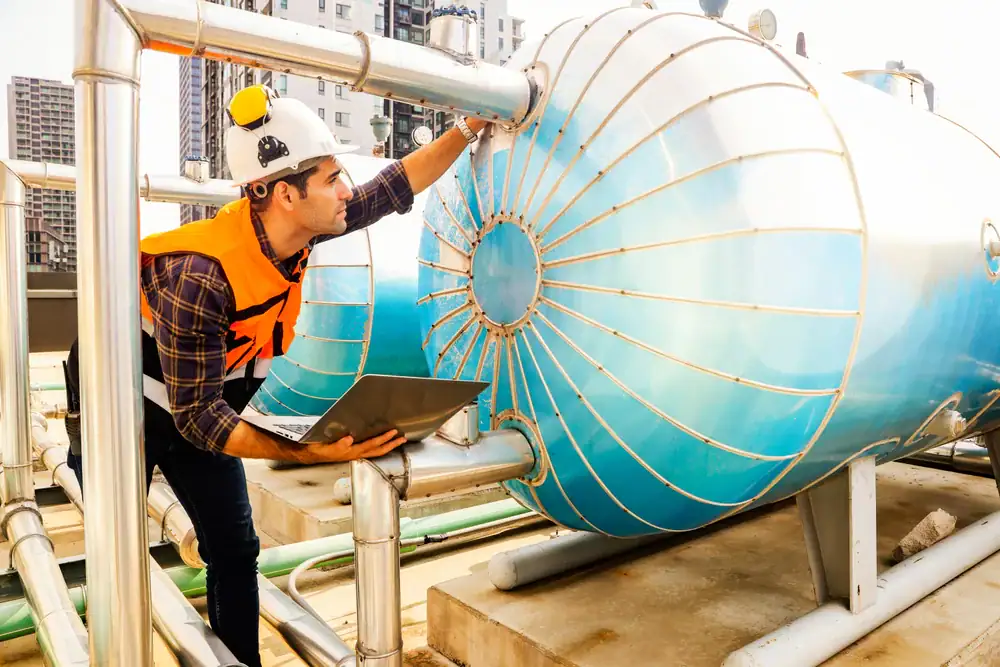
When we arrive, we diagnose the actual problem. Not what we think it might be. We check refrigerant levels, test electrical components, inspect coils for salt damage, and look at the whole system to find why it failed. Then we explain what’s wrong in plain terms and what it costs to fix.
Most repairs happen same-day because our trucks carry extensive parts inventory. We’re fixing the issue while other companies are still ordering parts. If we need to schedule a bigger job—like a full compressor replacement or new walk-in installation—we give you a timeline and stick to it.
For maintenance contracts, we come out on a regular schedule. We clean coils, check refrigerant, test controls, and catch small problems before they become expensive failures. Our data shows this approach cuts emergency repairs by about seventy-five percent and extends equipment life from ten years to fifteen or twenty.
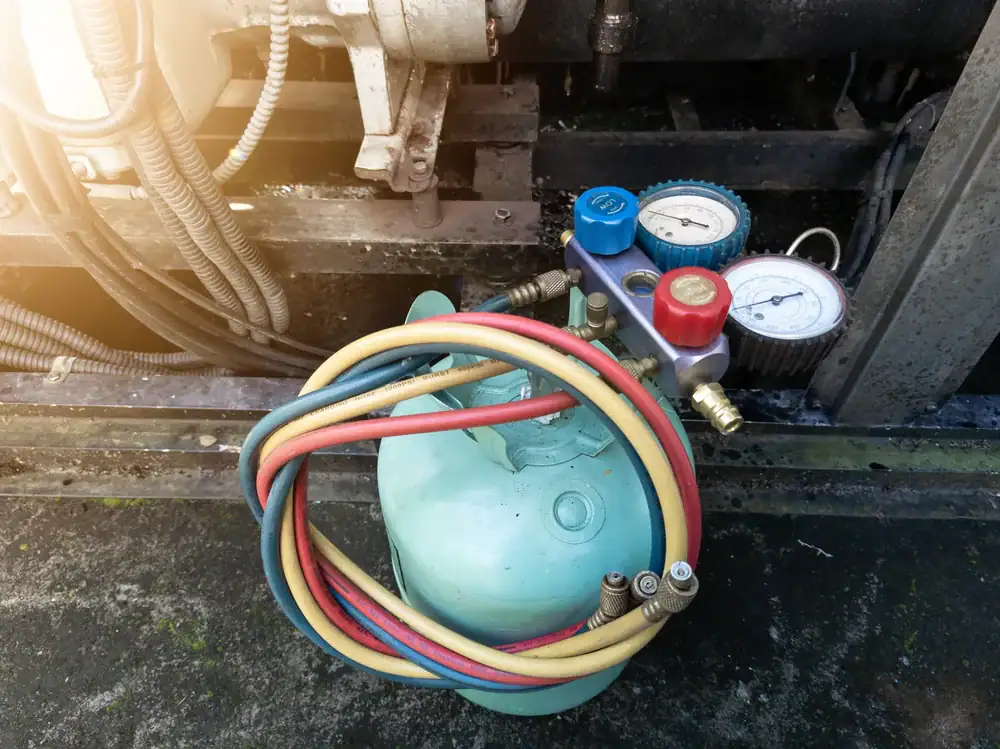
Ready to get started?
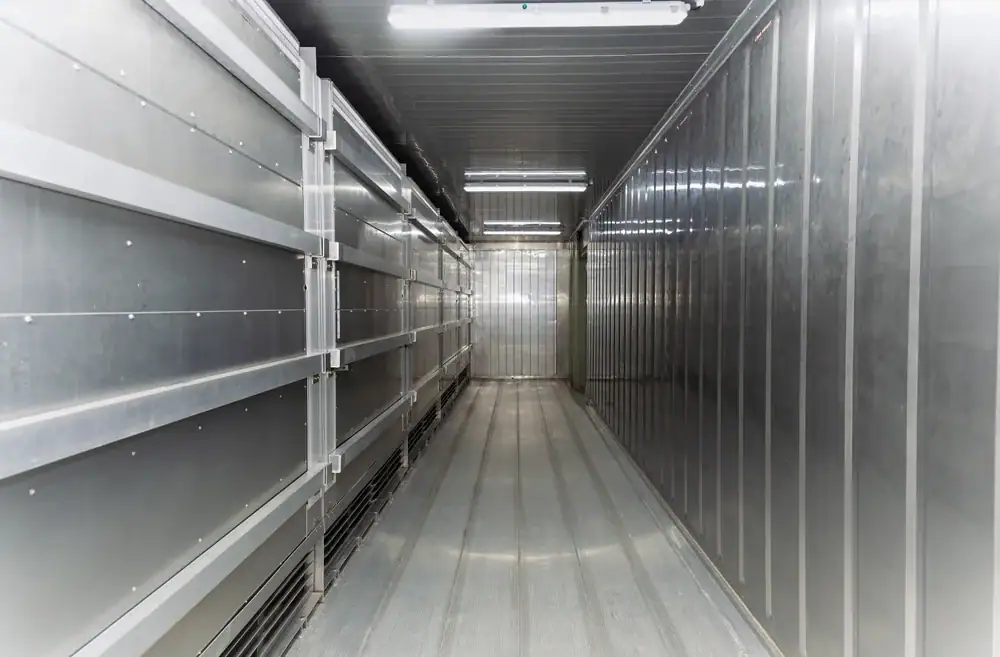
We handle every type of commercial refrigeration equipment. Walk-in coolers and freezers. Reach-in units. Ice machines. Display cases. Prep tables. Beverage coolers. Blast chillers. If it keeps food cold in a commercial kitchen, we work on it.
Marine refrigeration is a specialty. Boat systems face limited electrical capacity, constant motion, humid conditions, and aggressive salt corrosion. These systems are more complex than land-based commercial units because of space constraints and power limitations. We’ve built custom solutions for yachts and vessels where standard equipment simply won’t work.
Asharoken’s restaurant scene—new pizzerias, waterfront dining, established delis—relies on refrigeration that can handle coastal humidity and salt exposure. We treat outdoor condensing units with corrosion-resistant coatings. We recommend more frequent coil cleaning for businesses within five miles of the ocean. We design systems that account for the fact that your equipment works harder here than it would twenty miles inland.
Energy efficiency matters when refrigeration represents forty percent of your total energy consumption. We install modern systems with better insulation, variable-speed compressors, and smart controls that reduce operating costs by fifteen to twenty percent compared to older equipment. New regulations around low-GWP refrigerants mean upgrades often make financial sense even before your old system fails.
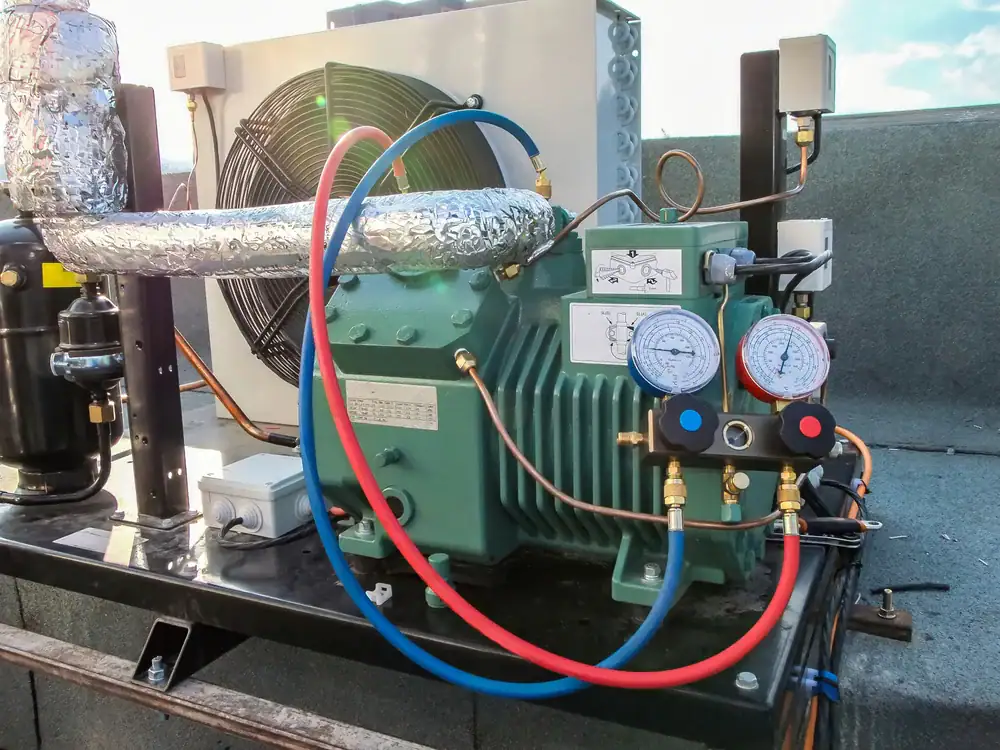
We provide 24/7 emergency service across Nassau and Suffolk County. When you call with an urgent issue—walk-in cooler failure, ice machine down during service, any situation where you’re losing money or food every hour—we prioritize your request and dispatch the closest available technician.
Response time typically runs within hours, not days. We know the difference between “my ice machine is making weird noises” and “my walk-in died during Saturday dinner service.” The second situation gets immediate attention because every hour costs you real money in spoiled inventory and lost revenue.
Our trucks carry parts for all major brands, which means most emergency repairs get completed the same day. About seventy percent of emergency calls get fixed on the spot. We’re not showing up to take measurements and order parts. We’re showing up to get your system running again.
Salt air is the main culprit. When your business sits within five miles of the Atlantic Ocean, your outdoor condensing units face constant exposure to salt-laden air. This accelerates galvanic corrosion on coils, fins, and metal casings. We regularly see condenser coils and electrical components damaged by salt in ways that don’t happen inland.
Humidity compounds the problem. Long Island’s coastal climate creates constant humidity changes that stress seals, gaskets, and the entire refrigeration system. Summer heat makes compressors work harder. Winter cold affects door seals. The equipment cycles more frequently and works under more stress than the same unit would face in a drier, less corrosive environment.
This doesn’t mean your refrigeration is doomed. It means you need technicians who understand these specific challenges and know how to prevent them. We treat exposed components with protective coatings. We recommend more frequent maintenance intervals. We design installations that minimize salt exposure where possible. These steps typically extend equipment life by several years compared to ignoring the coastal factor.
We come out on a scheduled basis—monthly, quarterly, or whatever interval makes sense for your equipment and usage. During each visit, we clean condenser coils, check refrigerant levels, test all electrical components and controls, inspect door seals and gaskets, verify temperature accuracy, and look for any signs of developing problems.
The goal is catching small issues before they become expensive failures. A refrigerant leak caught early costs a fraction of what you’d pay for a complete compressor replacement. A worn fan motor identified during maintenance gets replaced on your schedule, not during Saturday dinner service when it finally quits.
Our maintenance customers see about seventy-five percent fewer emergency repairs compared to businesses that only call when something breaks. They also cut energy costs by fifteen to twenty percent through improved efficiency. Equipment lasts longer—typically fifteen to twenty years instead of ten. And they stay compliant with health department regulations because we document everything and catch temperature control issues before inspections.
Yes. Marine HVAC and refrigeration is one of our specialties. Boat systems face unique challenges that most commercial refrigeration technicians don’t understand. You’re dealing with limited electrical capacity from generators or shore power. Constant motion and vibration. Extremely humid conditions. Salt air that destroys standard equipment. Space constraints that make installation and service difficult.
Marine refrigeration is actually more complex than land-based commercial systems because of these factors. You can’t just install a standard reach-in unit and expect it to work. The components need to be marine-grade. The installation needs to account for motion and limited ventilation. The electrical design needs to work within the boat’s power limitations.
We’ve built custom refrigeration solutions for vessels where off-the-shelf equipment won’t work. We understand the difference between a yacht that runs generators continuously and one that relies on battery banks and solar. We know which components hold up in saltwater environments and which ones fail within a season. This expertise comes from decades of working on marine systems along Long Island’s coast and waterways.
Depends entirely on what’s wrong. A simple fix like a failed fan motor might run a few hundred dollars. A compressor replacement could cost several thousand. A refrigerant leak requires finding the leak, repairing it, and recharging the system—cost varies based on leak location and refrigerant type.
We don’t give quotes over the phone because diagnosing by description leads to wrong answers and surprise costs. When we show up, we test the system, identify the actual problem, and tell you exactly what it costs to fix before we start work. No hidden fees. No surprise charges when we’re done.
Here’s what affects cost: parts prices for your specific brand and model, refrigerant type and quantity needed, labor time for the repair, and whether we’re fixing a symptom or the root cause. We focus on root cause repairs because fixing a fan motor doesn’t help if the real problem is a failing compressor that’s overworking the fan. We’d rather tell you the full story upfront than have you pay twice for incomplete repairs.
If the repair costs more than half what replacement would cost, and your equipment is already past its expected lifespan, replacement usually makes more sense. If your system uses an older refrigerant that’s being phased out, replacement might be smarter even for a cheaper repair because refrigerant costs and availability will only get worse.
Energy efficiency is the other factor. Older refrigeration systems cost significantly more to operate than modern equipment. If your current system is fifteen years old and needs a major repair, a new energy-efficient unit might pay for the difference through lower utility bills within a few years. Commercial refrigeration typically represents forty percent of energy consumption in food service businesses, so efficiency improvements add up fast.
We’ll give you an honest assessment. Sometimes repair makes perfect sense—your equipment is relatively new, the fix is straightforward, and you’ll get several more years of reliable service. Sometimes replacement is the better investment—your system is old, inefficient, uses outdated refrigerant, and will likely need another expensive repair soon. We explain both options and let you decide based on your budget and timeline.