Hear from Our Customers
Your walk-in cooler maintains temperature through August heat. Your compressor doesn’t quit during dinner rush. Your energy bills stay predictable instead of spiking every summer.
That’s what happens when your refrigeration systems get proper installation, regular maintenance, and real expertise behind them. Not just when something breaks, but before it does.
Most businesses on Long Island run their equipment until failure, then scramble for emergency repairs. That approach costs more in product loss, downtime, and rushed service calls than preventive care ever would. A properly maintained commercial refrigeration system uses 25% less electricity and lasts 10-15 years minimum. Neglected equipment fails in five.
The difference isn’t luck. It’s knowing what your system needs, when it needs it, and having someone who actually shows up to handle it right.
We’ve been installing and servicing commercial refrigeration systems across Long Island for over 40 years. That means we’ve seen what fails, what lasts, and what actually works in this climate.
Belle Terre businesses deal with humidity that strains cooling systems and summer heat that pushes compressors to their limits. Your equipment faces different challenges than operations in other regions, and your service provider should understand that.
We handle refrigeration for restaurants, catering halls, delis, airports, and marine facilities from Montauk to Manhattan. Every technician carries EPA 608 certification. We stock common parts for same-day repairs. And when you call our emergency line at 2 a.m. because your freezer just quit, someone answers who can actually help.
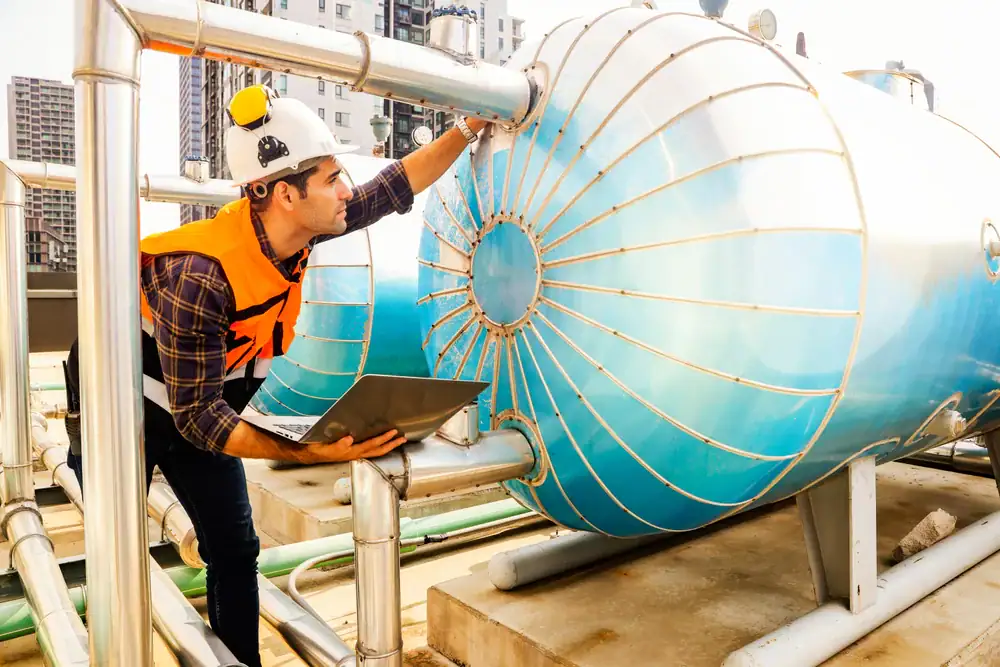
You reach out for a free estimate. We ask about your equipment, your operation, and what’s happening right now. If it’s an emergency, we dispatch immediately. If it’s planned work, we schedule a site visit.
Our technician shows up with diagnostic tools and common replacement parts already in the truck. We assess your system, identify the actual problem, and give you transparent pricing before starting any work. No surprise charges. No hidden fees.
For installations, we design your refrigeration system around your space and your needs. We handle permits, coordinate with your schedule, and test everything thoroughly before we leave. You get a walkthrough of your new equipment and a maintenance plan that prevents future problems.
After the job, you have our 24/7 emergency number. Your system gets added to our service database. And if something seems off down the road, you call someone who already knows your setup.
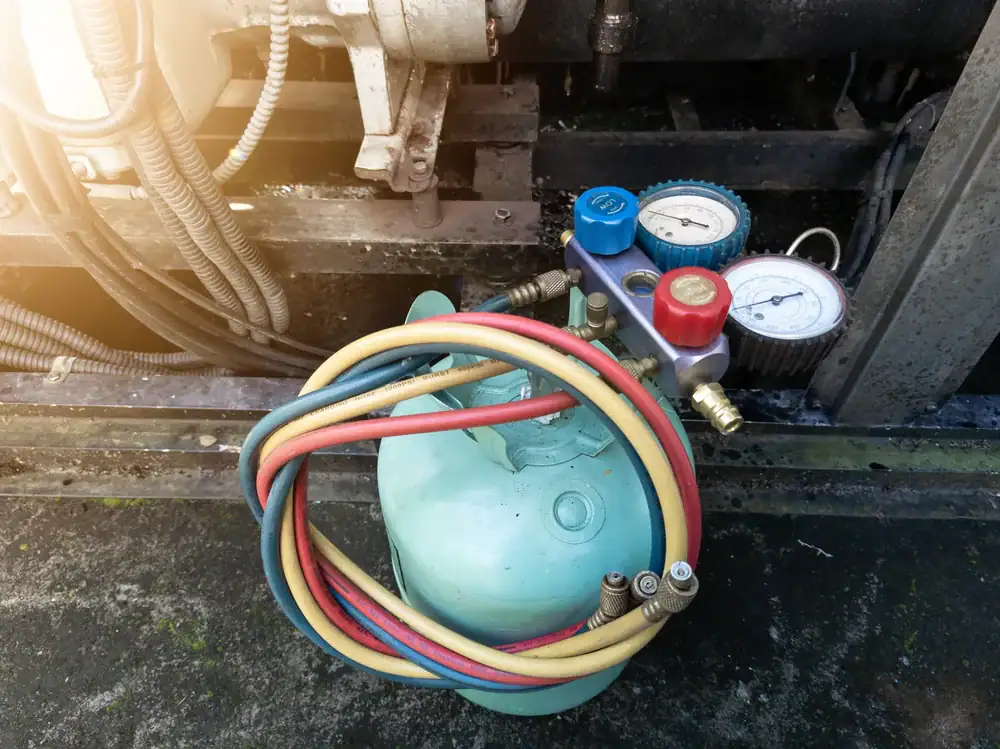
Ready to get started?
Your commercial refrigeration needs depend on what you’re storing, how much space you have, and how hard you run your equipment. A small café needs different cooling capacity than a catering hall serving 300 people nightly.
We install and service walk-in coolers, walk-in freezers, reach-in refrigerators, ice machines, display cases, prep tables, beverage coolers, and blast chillers. We also handle specialized systems like custom beer cooling and marine HVAC that most companies won’t touch.
Long Island’s climate is particularly tough on refrigeration equipment. Summer humidity makes compressors work harder. Salt air near the coast corrodes components faster. Winter temperature swings affect door seals and gaskets. Your system needs regular coil cleaning, refrigerant level checks, and seal inspections to handle these conditions without failing.
A basic reach-in unit for a small operation runs $3,000-$8,000 installed. Restaurant-grade walk-in coolers typically cost $8,000-$25,000 depending on size and features. That’s a significant investment, which is exactly why maintenance matters. A $129 spring tune-up prevents a $4,000 August replacement.
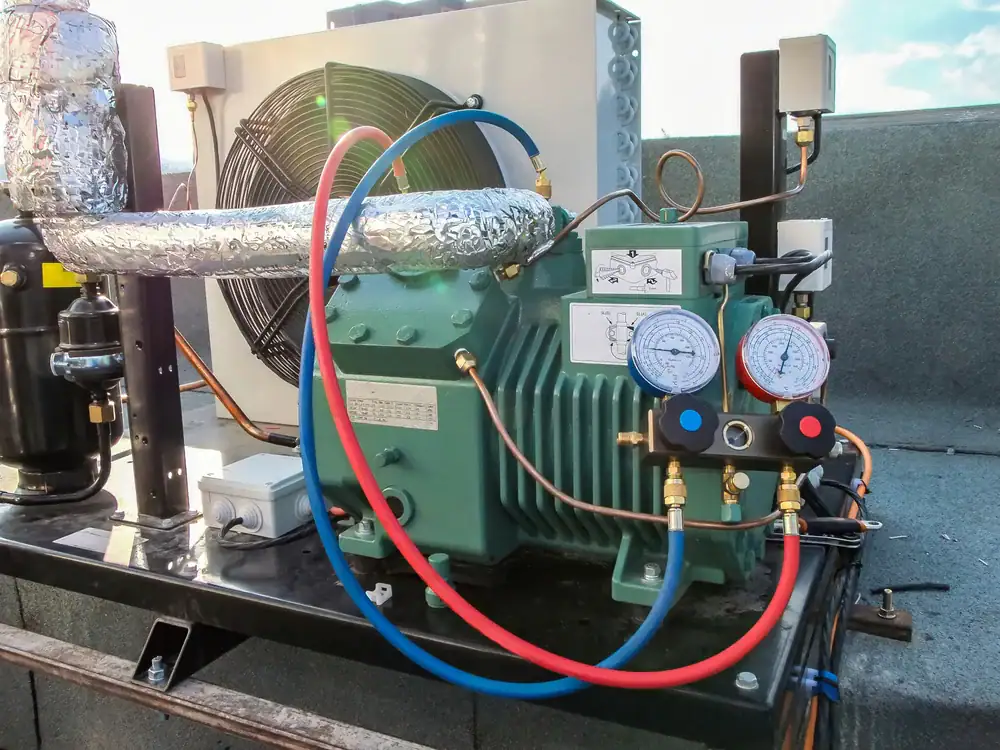
Your refrigeration systems need professional maintenance twice a year minimum. Schedule one service call in spring before summer heat arrives, and another in fall before winter. That’s the baseline for equipment that runs constantly.
If you operate a high-volume restaurant, catering facility, or any business where your refrigeration runs at capacity daily, quarterly service makes more sense. Heavy use means faster wear on compressors, more debris buildup on coils, and higher risk of failure during peak hours.
Each maintenance visit should include coil cleaning, refrigerant level checks, door seal inspection, temperature calibration, and compressor assessment. Dirty coils make your system work 40% harder and fail years earlier. Low refrigerant means poor cooling and higher energy costs. Worn seals let warm air in, forcing your compressor to run constantly. These aren’t minor issues. They’re the difference between equipment that lasts 15 years and equipment that dies in five.
Most businesses skip maintenance until something breaks, then spend thousands on emergency repairs. That’s the expensive approach. Regular service catches problems while they’re still cheap to fix.
Neglected maintenance causes most failures. Specifically, dirty condenser coils that haven’t been cleaned in months or years. When coils get clogged with dust, grease, and debris, your compressor has to work much harder to achieve the same cooling. That extra strain shortens its lifespan and drives up your electric bill.
Long Island’s humidity accelerates this problem. Moisture combines with airborne particles to create a coating on your coils that blocks heat transfer. Your system runs constantly but can’t maintain proper temperature. Eventually, the compressor overheats and fails.
The second most common cause is refrigerant leaks that go unnoticed until cooling capacity drops significantly. Small leaks develop in connections, valves, and coils over time. You might not notice immediately because the system compensates by running longer cycles. By the time you realize there’s a problem, your compressor has been working overtime for weeks or months.
Door seals and gaskets also fail frequently, especially in high-traffic operations. Every time someone opens your walk-in cooler, warm humid air rushes in. If your seals are worn or damaged, that air leaks in constantly. Your refrigeration system fights a losing battle against the environment, and your energy costs climb.
Quality commercial refrigeration equipment lasts 10-15 years with proper maintenance. That’s the realistic expectation for walk-in coolers, reach-in units, and other food service refrigeration that gets regular professional service.
Without maintenance, you’re looking at 5-7 years before major repairs or replacement become necessary. The compressor is usually the first expensive component to fail. Replacing a commercial compressor can cost $2,000-$4,000 depending on your system size. At that point, you’re often better off replacing the entire unit.
Your equipment’s lifespan also depends on how hard it works. A walk-in cooler in a small deli that gets opened occasionally will outlast the same model in a busy restaurant kitchen where staff access it constantly. Higher usage means more wear on door mechanisms, more temperature fluctuations, and more strain on the compressor.
Location matters too. Refrigeration systems in coastal areas of Long Island face salt air corrosion. Units in kitchens with heavy grease buildup need more frequent coil cleaning. Equipment installed in poorly ventilated spaces runs hotter and fails sooner. These factors are why some operations get 15+ years from their systems while others need replacement in under a decade.
Call for emergency refrigeration repair immediately. Every hour your walk-in cooler stays down, you’re losing product and money. Don’t wait until morning if it fails overnight. Don’t try to diagnose it yourself unless you have refrigeration training.
While you’re waiting for service, move perishable inventory to backup refrigeration if you have it. If not, get ice and coolers for your most expensive or time-sensitive items. Check your thermometer to document when the failure started and what temperature your products reached. Your insurance might need that information if you file a claim for spoiled inventory.
Don’t keep opening the door to check if it’s working yet. Every time you open a non-functioning cooler, you let in warm air that raises the internal temperature faster. Keep it closed as much as possible to maintain whatever cooling remains.
When the technician arrives, be ready to explain what happened before the failure. Did you notice any unusual sounds? Was the compressor running constantly? Was there ice buildup anywhere? These details help us diagnose the problem faster. The faster we identify the issue, the faster we get your cooler running again and save your inventory.
If your equipment is under seven years old and the repair costs less than 50% of replacement value, repair makes sense. If it’s over ten years old and needs major component replacement like a compressor, you’re usually better off replacing the entire system.
Here’s the math that matters: A new walk-in cooler costs $8,000-$25,000 depending on size. A compressor replacement runs $2,000-$4,000. If your ten-year-old cooler needs a new compressor, you’re spending up to $4,000 to repair equipment that’s already lived most of its useful life. That repair doesn’t reset the clock on other components that are also aging.
Newer refrigeration systems also run more efficiently. Energy-efficient models can cut your operating costs by 25-30% compared to equipment from 2010 or earlier. Those savings add up over the system’s lifetime. Sometimes the energy savings alone justify replacement even when repair is technically possible.
Consider your business plans too. If you’re expanding, upgrading your menu, or changing your operation significantly, your current refrigeration might not meet your future needs anyway. In that case, replacement gives you properly sized equipment instead of limping along with a repaired system that’s already too small or inefficient for where you’re headed.
Yes. We provide 24/7 emergency refrigeration service throughout Belle Terre and Nassau County. When your system fails outside business hours, you get a real person who can dispatch a technician, not a voicemail.
Most emergency calls get same-day response. Our technicians carry common replacement parts in their vehicles, which means many repairs get completed on the first visit. We’re not showing up just to diagnose the problem and tell you we’ll be back in three days with parts. We’re showing up to fix it.
Emergency service costs more than scheduled maintenance. That’s true everywhere in this industry. But you’re paying for immediate response when your business is losing money every hour your refrigeration stays down. You’re paying for a technician who drops other work to handle your crisis. You’re paying for the expertise to diagnose and repair your system quickly instead of through trial and error.
The better approach is preventing emergencies through regular maintenance. But when prevention fails or you inherit equipment that’s already been neglected, we’re available around the clock. Nights, weekends, holidays. Your refrigeration doesn’t care what day it is when it decides to quit, and neither do we.