Hear from Our Customers
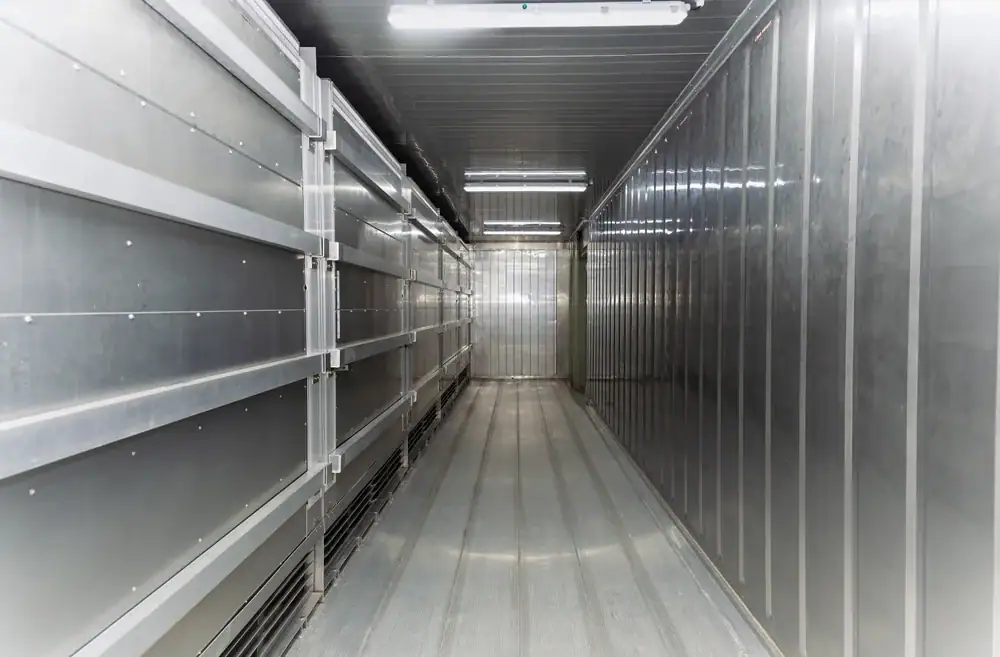
Your walk-in cooler holds temp through the dinner rush. Your display cases don’t sweat through the afternoon. Your compressor doesn’t scream at 2 AM on a Saturday.
That’s what reliable refrigeration systems look like in practice. No panic calls. No inventory loss. No scrambling to find someone who can actually diagnose the problem instead of just swapping parts until something works.
You’re running a business in Centre Island where refrigeration isn’t optional—it’s the backbone of your operation. Whether you’re managing a restaurant near the LIRR station, operating a marina facility, or running a catering hall, your system needs to perform consistently. When it doesn’t, you’re not just dealing with repair costs—you’re facing spoiled inventory, health code risks, and revenue loss during your busiest hours.
The difference between a system that works and one that constantly fails usually comes down to two things: how it was installed and how it’s maintained. Most problems we see didn’t start the day the system quit—they started months earlier with small issues that got ignored or misdiagnosed.
We’ve been handling commercial refrigeration and marine HVAC in the Centre Island area for over 40 years. That means we’ve seen this region’s business landscape evolve—from the commercial districts to the growing restaurant scene—and we understand what local operations face.
Summer heat that pushes systems past their limits. Winter performance issues. Year-round demand for equipment that simply can’t fail. We’ve handled emergency calls at 11 PM from restaurant owners with failed walk-ins and thousands in inventory at risk. We’ve installed custom cooling solutions for marine facilities that need systems built to withstand saltwater environments.
Our technicians hold EPA Section 608 certification and full New York State licensing. We carry extensive parts inventory so most repairs happen same-day. And we’re available 24/7 because refrigeration failures don’t wait for business hours—they happen during your busiest dinner service or right before a major event.
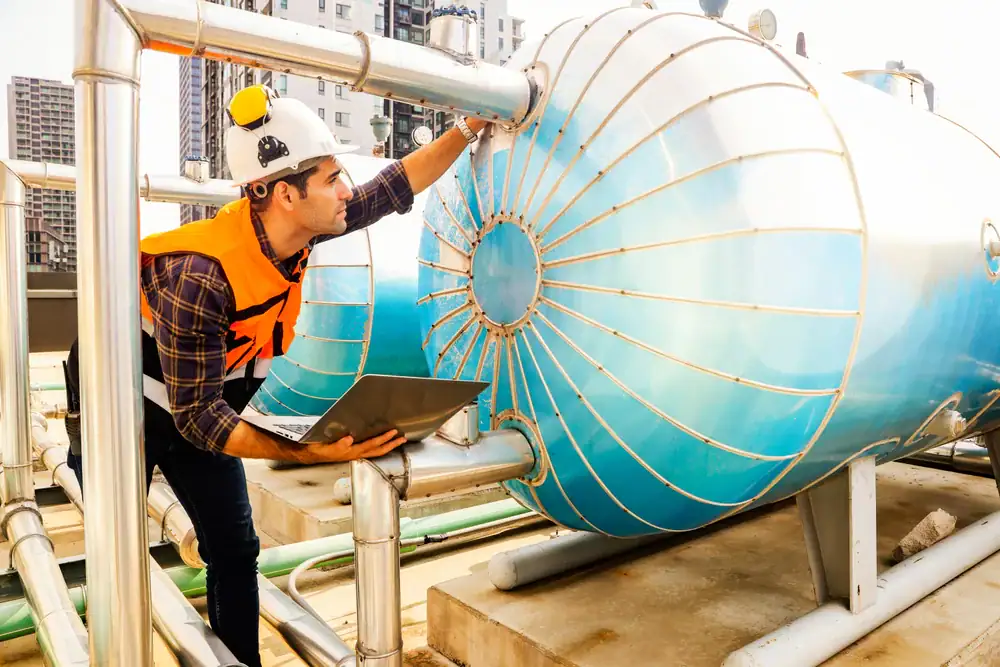
When you call, you’re talking to someone who understands refrigeration systems—not a call center reading from a script. We ask the right questions upfront to determine whether you need emergency service or if the issue can wait until regular hours.
For emergency calls, we typically arrive within 1-2 hours. Our trucks carry the parts needed for most common repairs, which means we’re often fixing the problem on the first visit rather than diagnosing it, leaving, ordering parts, and coming back days later.
We diagnose the actual problem—not just the symptom. If your walk-in isn’t holding temperature, that could be a failed compressor, a refrigerant leak, a bad expansion valve, or a dozen other issues. We don’t guess. We test, measure, and identify the root cause before we start any work.
You get transparent pricing before we begin. No surprise charges. No hidden fees. You know exactly what the repair costs, and you decide whether to proceed.
For installations, we start with understanding how you actually use the space. A restaurant’s refrigeration needs are different from a marina’s. We design and install systems that match your operational demands—not just what’s easiest to install. Then we test everything thoroughly before we consider the job complete.
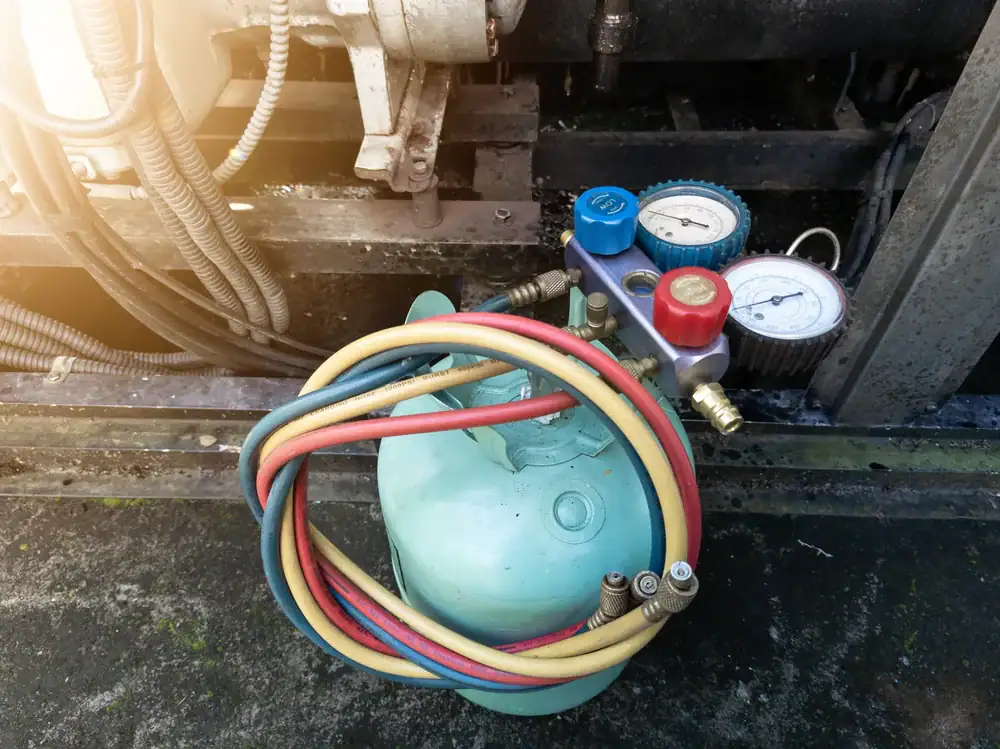
Ready to get started?
We handle the full spectrum of commercial refrigeration systems. Walk-in coolers and freezers. Reach-in units. Display cases. Ice machines. Beer systems. Custom cooling solutions that other companies won’t touch.
For Centre Island’s marine industry—yacht clubs, marinas, and marine facilities—we provide specialized HVAC and refrigeration designed for saltwater environments. These systems face different challenges than land-based equipment, and they require technicians who understand those differences.
Our maintenance programs are built around preventing the failures that cost you money. We’re checking refrigerant levels, testing components, cleaning coils, and catching small issues before they become expensive emergencies. For restaurants and food service operations, this also means helping you stay compliant with health department temperature requirements.
Energy efficiency matters more now than it did even five years ago. Commercial refrigeration can account for 40-60% of your total energy costs. We focus on installations and upgrades that reduce your utility bills without sacrificing performance. That might mean upgrading to more efficient compressors, improving insulation, or installing smart controls that optimize your system’s operation.
When something breaks, we fix it right. But we’re also looking at why it broke—because if your compressor failed after three years instead of ten, something else is wrong. Maybe the system is undersized. Maybe there’s an airflow problem. We address the underlying issue so you’re not just paying for the same repair over and over.
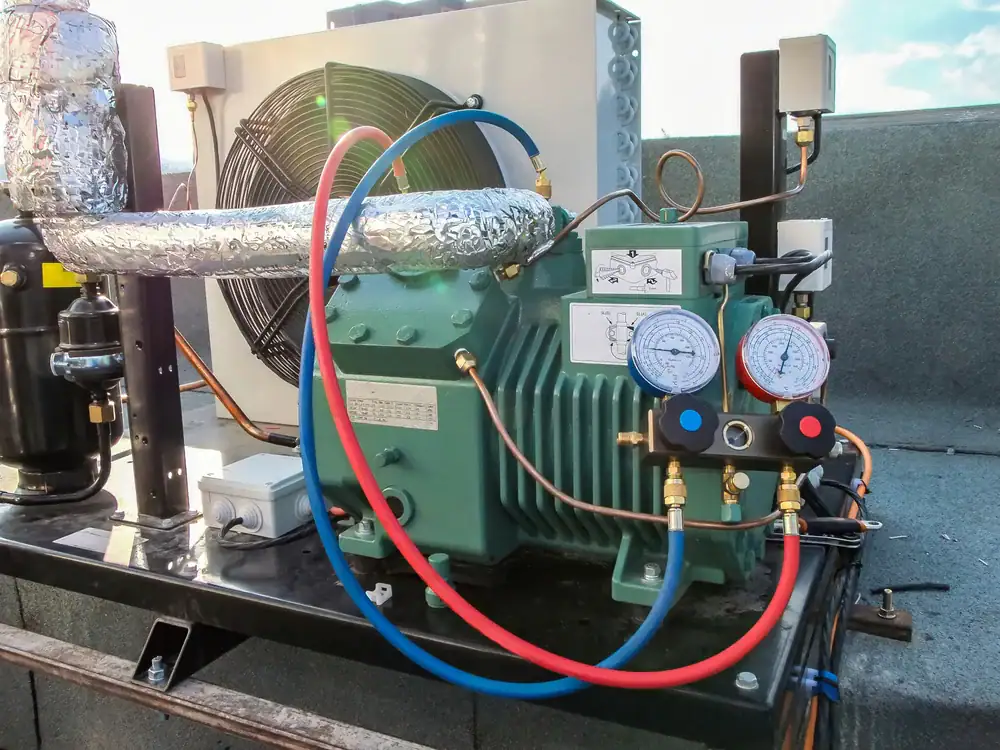
We provide 24/7 emergency service with typical response times of 1-2 hours. When you call at 11 PM because your walk-in failed and you’ve got $8,000 worth of inventory at risk, we understand that’s not a “we’ll get there tomorrow” situation.
Our trucks carry extensive parts inventory specifically because most refrigeration emergencies happen at the worst possible times—right before a weekend, during your busiest season, or in the middle of a dinner rush. We stock the components needed for common repairs so we can often fix the problem on the first visit rather than diagnosing it and scheduling a follow-up days later.
Emergency response isn’t just about speed—it’s about actually solving the problem when we get there. Our technicians have the experience to diagnose issues quickly and accurately, even under pressure. We’re not showing up to look at your system and tell you we’ll need to come back. We’re showing up to get your refrigeration running again.
Proper maintenance means catching problems before they cause failures. We’re checking refrigerant levels and looking for leaks. We’re testing electrical components like contactors, capacitors, and relays that tend to fail over time. We’re cleaning condenser coils that reduce efficiency when they’re clogged. We’re verifying that temperature controls are accurate and that door seals are intact.
For walk-in coolers and freezers, we’re also inspecting the entire refrigeration circuit—from the evaporator to the compressor to the condenser. We’re looking at airflow patterns to make sure the system is cooling evenly. We’re checking defrost cycles to ensure they’re working correctly without wasting energy.
The frequency depends on your equipment and how hard it works. A restaurant running refrigeration 24/7 needs more frequent service than a facility with lighter usage. Most commercial operations benefit from quarterly maintenance visits, but high-demand environments might need monthly attention. The goal is preventing the 2 AM emergency call, extending your equipment’s lifespan, and keeping your energy costs under control.
Age and repair history tell you most of what you need to know. If your system is less than seven years old and this is the first major issue, repair usually makes sense. If it’s 12 years old and you’re calling for the third compressor replacement, you’re throwing money at a system that’s reached the end of its useful life.
We look at the cost of repair versus the cost of replacement, but we’re also considering efficiency. Older systems use more energy—sometimes 40-50% more than current models. If your utility bills have been climbing and your system needs a $3,000 repair, replacement might actually cost less over the next three years when you factor in energy savings.
The other consideration is refrigerant type. Older systems using R-22 refrigerant are expensive to repair now because R-22 is being phased out and costs have skyrocketed. If you need to add refrigerant to an R-22 system, that’s often the signal that replacement makes more financial sense than continuing to repair outdated equipment. We’ll give you the honest assessment—what the repair costs, what replacement costs, and which option actually makes sense for your situation.
Lack of maintenance is the biggest culprit. Dirty condenser coils force your compressor to work harder, which shortens its lifespan and drives up energy costs. Refrigerant leaks that go undetected cause the system to run continuously without reaching proper temperature. Failed door seals let warm air in, making the refrigeration work overtime.
In Centre Island’s marine environments, salt air accelerates corrosion on outdoor components. Condenser coils and electrical connections deteriorate faster near the water, which is why marine refrigeration systems need more frequent inspection and maintenance than inland equipment.
The other common failure point is electrical components—contactors, capacitors, and relays that wear out over time. These parts are relatively inexpensive, but when they fail, your entire system shuts down. Regular maintenance catches these components before they fail, which is a lot less expensive than an emergency service call when your system quits during peak business hours. Summer heat also pushes systems to their limits, especially if they’re already struggling with maintenance issues or if they were undersized during installation.
Yes, marine HVAC and refrigeration is one of our specializations. We work with yacht clubs, marinas, and marine facilities throughout the Centre Island area. These systems face unique challenges—saltwater corrosion, constant humidity, vibration, and space constraints that don’t exist in land-based installations.
Marine refrigeration requires different materials and installation techniques. Components need to be corrosion-resistant. Electrical connections need to be sealed properly. The entire system needs to be secured to handle movement and vibration. We’re not adapting residential equipment for marine use—we’re installing and servicing systems designed specifically for the marine environment.
We also understand that downtime on a vessel or at a marina facility creates different problems than downtime at a restaurant. You might have guests onboard or seasonal operations where timing matters. We work with your schedule and provide the same 24/7 emergency response for marine systems that we provide for land-based commercial refrigeration.
First, check the obvious things. Make sure the unit is actually running—listen for the compressor. Check that the thermostat is set correctly and that circuit breakers haven’t tripped. Look at door seals to make sure they’re closing completely. Check if the condenser coils are clogged with dust or debris.
If those basics check out and the system still isn’t holding temperature, you’re likely dealing with a refrigerant issue, a failed component, or a problem with the refrigeration circuit itself. Don’t wait to see if it gets better—temperature problems get worse, not better, and the longer you wait, the more inventory you risk losing.
For food service operations, temperature control isn’t just about protecting inventory—it’s about health code compliance. The NYC health department scores temperature violations heavily, and a failed inspection can damage your reputation and cost you business. Call for service as soon as you notice the problem. If it’s during business hours and the system is still running but struggling, we can often schedule a same-day visit. If it’s completely failed or if you’re at risk of losing inventory, that’s an emergency call and we’ll get there fast.