Hear from Our Customers
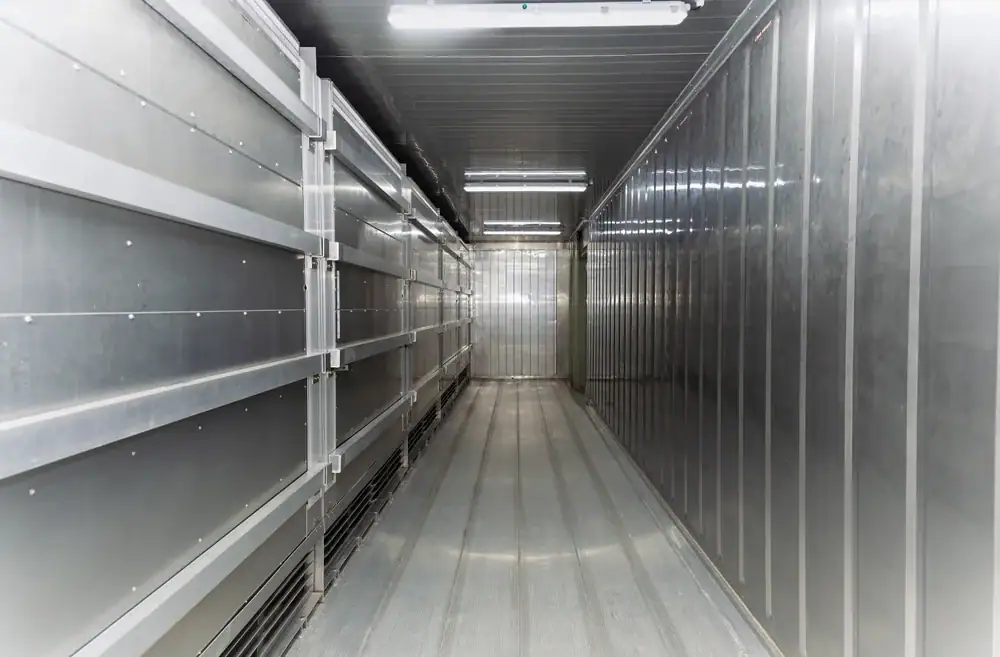
Your walk-in cooler doesn’t get a break during summer heat waves. Your ice machine can’t take the day off when humidity spikes. And your display cases need to perform whether it’s July or January.
Long Island throws everything at commercial refrigeration equipment. Summer temperatures push compressors harder. Winter cold affects door seals and gaskets. Salt air from nearby waters corrodes components faster than you’d see inland. Most systems aren’t designed with these conditions in mind.
The difference shows up in how long your equipment lasts and how often you’re calling for repairs. Systems installed correctly for this climate, maintained on schedule, and serviced by technicians who understand coastal conditions routinely hit 15 to 20 years of reliable operation. That’s double what you’ll get from equipment that’s just thrown in and forgotten about until something breaks.
We’ve handled commercial refrigeration and HVAC across Nassau and Suffolk County since the early 1980s. That’s over four decades of walk-in coolers, reach-in units, ice machines, display cases, and every specialized cooling application you can think of.
Every technician on our team holds EPA 608 certification. We don’t use subcontractors. When you call, you’re getting people who’ve seen what Long Island’s climate does to refrigeration equipment and know exactly how to address it.
Our client base spans restaurants, delis, supermarkets, catering halls, airports, medical facilities, and food processing operations throughout Coram and the surrounding areas. That includes specialized marine HVAC work for yacht clubs and boat owners from Montauk to the North Shore. If it needs to stay cold or climate-controlled in a commercial setting, we’ve handled it.
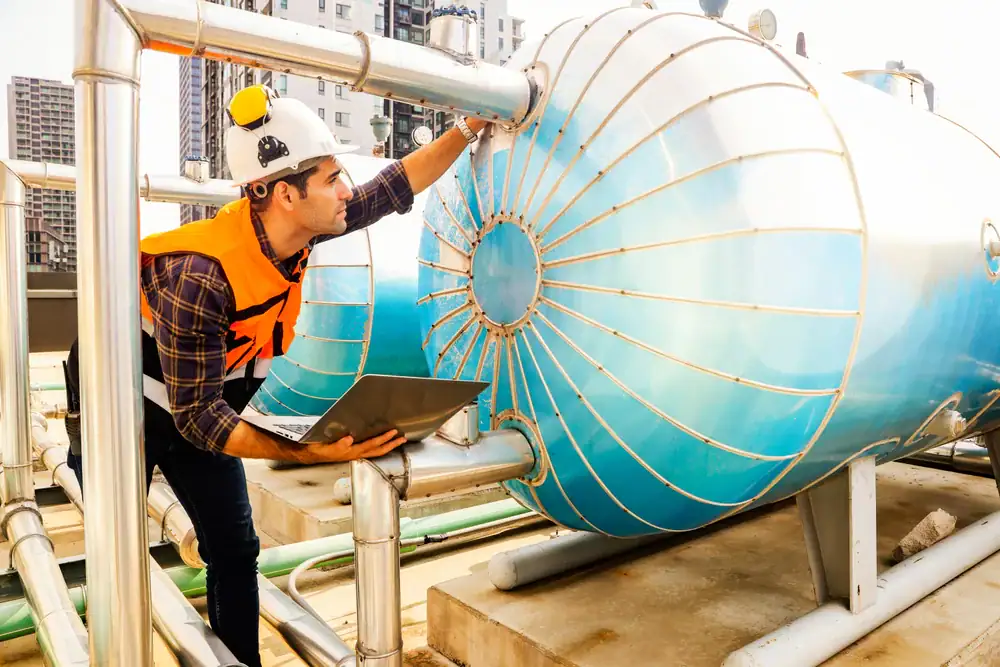
It starts with understanding what you actually need. That means looking at your space, your operation, your daily volume, and the specific challenges your location presents. A restaurant in Coram has different demands than a medical facility or a marina operation.
Once the scope is clear, you get transparent pricing before any work starts. No surprises, no hidden fees. You know exactly what the installation, repair, or maintenance will cost.
Installation happens on your schedule with minimal disruption to your operation. Systems are sized correctly for Long Island conditions, not just pulled from a catalog. That includes accounting for summer heat loads, humidity levels, and the reality that your equipment will be working harder here than it would in most other climates.
After installation, you’re not left to figure things out alone. Ongoing maintenance programs catch small issues before they become expensive failures. And when emergencies happen, 24/7 service means someone answers the phone and shows up with parts in hand, not three days later after your inventory has spoiled.
Ready to get started?
Preventive maintenance covers everything that keeps your system running efficiently. Coil cleaning, refrigerant level checks, compressor inspections, door seal replacements, thermostat calibration, and electrical connection testing. These aren’t optional tasks. They’re what prevent a $300 maintenance visit from turning into a $3,000 emergency repair six months later.
Emergency refrigeration repairs in Coram mean same-day response with technicians carrying extensive parts inventory. Walk-in coolers, reach-in refrigerators, ice machines, display cases, and specialized food service refrigeration all get handled. Most repairs happen on the first visit because our trucks are stocked for Long Island’s most common equipment and failure points.
New refrigeration installation includes proper sizing for your operation, energy-efficient equipment selection, and installation that accounts for Long Island’s climate challenges. That means systems designed to handle summer humidity, winter temperature swings, and the constant stress that coastal conditions put on refrigeration components.
Custom solutions cover everything from complex beer systems with multiple temperature zones to marine HVAC installations where space is tight and saltwater corrosion is a constant threat. If it’s not a standard application, that’s exactly the type of work we handle.
24/7 emergency service means someone answers the phone any time, day or night. Response times are typically within hours, not days.
The difference comes down to parts inventory. Our technicians carry extensive stock for the most common commercial refrigeration repairs across Long Island. That means walk-in cooler compressor failures, ice machine breakdowns, and reach-in refrigerator issues often get resolved on the first visit.
When your refrigeration system fails, every hour counts toward preventing food spoilage and lost revenue. Fast response with the right parts on hand is what keeps a bad situation from becoming a disaster.
Most commercial refrigeration systems are rated for 10 to 15 years under normal conditions. Long Island isn’t normal conditions.
Summer heat makes compressors work harder. Winter cold affects door seals and gaskets. Humidity stresses the entire system. Salt air from nearby waters corrodes components faster than you’d see inland. Equipment that isn’t maintained properly might not make it to 10 years.
Systems that get regular preventive maintenance routinely hit 15 to 20 years of reliable operation. That’s because maintenance catches problems before they cause expensive failures. A worn compressor mount gets replaced before it damages the compressor. A refrigerant leak gets fixed before the system runs low and burns out. Small fixes prevent big breakdowns.
Preventive maintenance is always less expensive than emergency repairs and lost inventory. Always.
A typical maintenance visit costs a few hundred dollars and catches problems while they’re still small. An emergency compressor replacement costs thousands. A walk-in cooler full of spoiled food costs thousands more. Then there’s the lost revenue from being unable to operate until repairs are complete.
Maintenance also extends equipment lifespan significantly. A well-maintained system in Coram can run reliably for 15 to 20 years. A neglected system might need major repairs or replacement at 7 to 10 years. The math isn’t complicated. Regular maintenance costs less than premature equipment failure, and it prevents the disasters that shut down your operation.
Salt air is the biggest factor. It corrodes metal components, electrical connections, and coil fins faster than you’d see even a few miles inland.
Humidity is the second issue. Long Island summers mean your refrigeration system is constantly fighting moisture. That affects compressor efficiency, causes frost buildup, and stresses the entire cooling cycle. Systems have to work harder here than they would in drier climates.
Temperature swings matter too. Summer heat pushes equipment to maximum capacity. Winter cold affects door seals and causes condensation issues. The constant cycling between extremes wears components faster. Equipment needs to be sized correctly for these conditions and maintained more frequently than the manufacturer’s standard recommendations.
Walk-in coolers and freezers, reach-in refrigerators, ice machines, display cases, prep tables, and specialized food service refrigeration all get handled. That includes complex beer systems with multiple temperature zones and custom cooling applications.
Marine HVAC is another specialty. Yacht clubs and boat owners from Montauk to the North Shore rely on us for systems that have to handle tight spaces, power limitations, and constant saltwater exposure. These aren’t standard residential or commercial applications. They require specific expertise.
If your refrigeration or cooling system is critical to your business operation, we cover it. We focus on commercial and specialized applications where failure means lost revenue, spoiled inventory, or complete operational shutdown. Those are the situations where you need technicians who know exactly what they’re doing.
EPA 608 certification is non-negotiable. Anyone working with refrigerants legally needs it. Beyond that, look for technicians who actually specialize in commercial refrigeration, not general appliance repair people who occasionally work on commercial equipment.
Experience with Long Island conditions matters. Coastal humidity, salt air, and temperature extremes affect refrigeration systems differently than inland or moderate climates. Technicians who understand these factors size equipment correctly, recommend appropriate maintenance schedules, and know which components fail first in this environment.
Transparent pricing and 24/7 availability separate serious commercial refrigeration companies from everyone else. You need to know what repairs cost before work starts, and you need someone who answers the phone when your walk-in cooler fails at 2 AM on a Saturday. Companies that can’t offer both aren’t set up to handle commercial clients whose businesses depend on functioning refrigeration every single day.