Hear from Our Customers
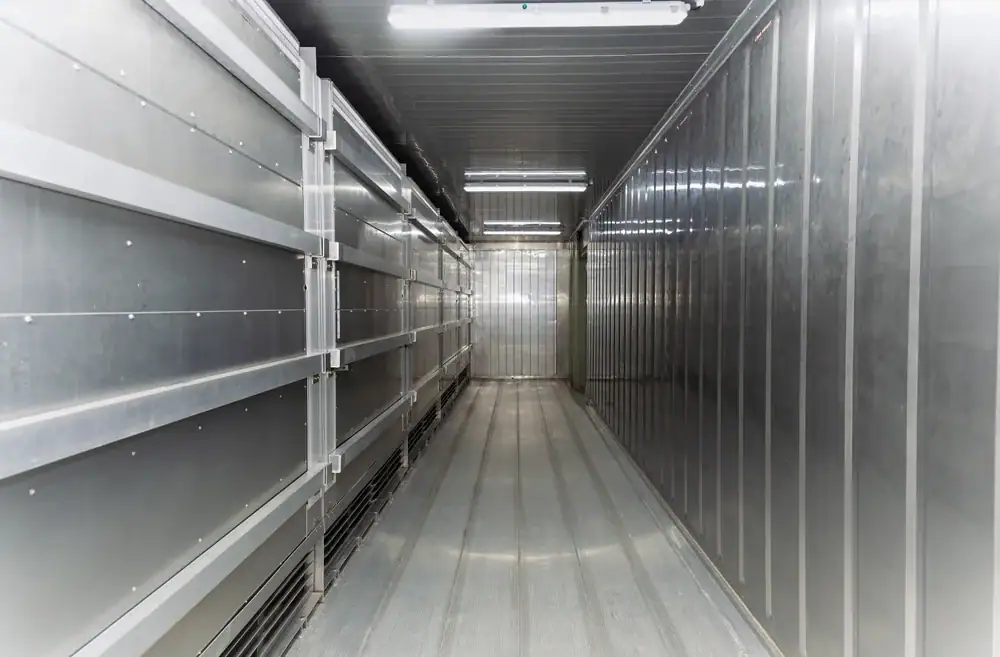
You stop losing product to temperature swings. Your health inspector stops finding issues. Your energy bills drop because the compressor isn’t running overtime trying to compensate for a failing condenser.
That’s what properly installed and maintained refrigeration systems do. They keep your walk-in cooler at 38°F whether it’s July or January. They let your ice machine produce consistent cubes without that grinding noise that means you’re two days from a breakdown.
When your refrigeration works right, you’re not calling for emergency service during dinner rush. You’re not explaining to customers why half the menu isn’t available. You’re running your restaurant, deli, or catering operation the way you planned—without the 2 AM panic about whether everything in your cooler is still safe to serve.
The difference between reactive repairs and preventive maintenance is the difference between paying for the same compressor twice in three years versus getting fifteen years from a system that was sized correctly and serviced regularly.
We’ve been handling commercial refrigeration and marine HVAC across Long Island since before “emergency service” meant a callback within three days. Our technicians hold EPA 608 certification because that’s the baseline—not the achievement.
East Farmingdale sits right in the middle of our service area, which runs from Montauk to Manhattan. We know the restaurant on Route 110 that needs a new walk-in freezer and the deli in Farmingdale that’s been running the same reach-in units for twelve years because they were installed right the first time.
You’ll find our trucks at yacht clubs, airports, catering halls, and pizza shops throughout Nassau and Suffolk County. Not because we’re the cheapest option, but because when your refrigeration system is the only thing standing between your inventory and the health department, you want technicians who’ve actually done this before.
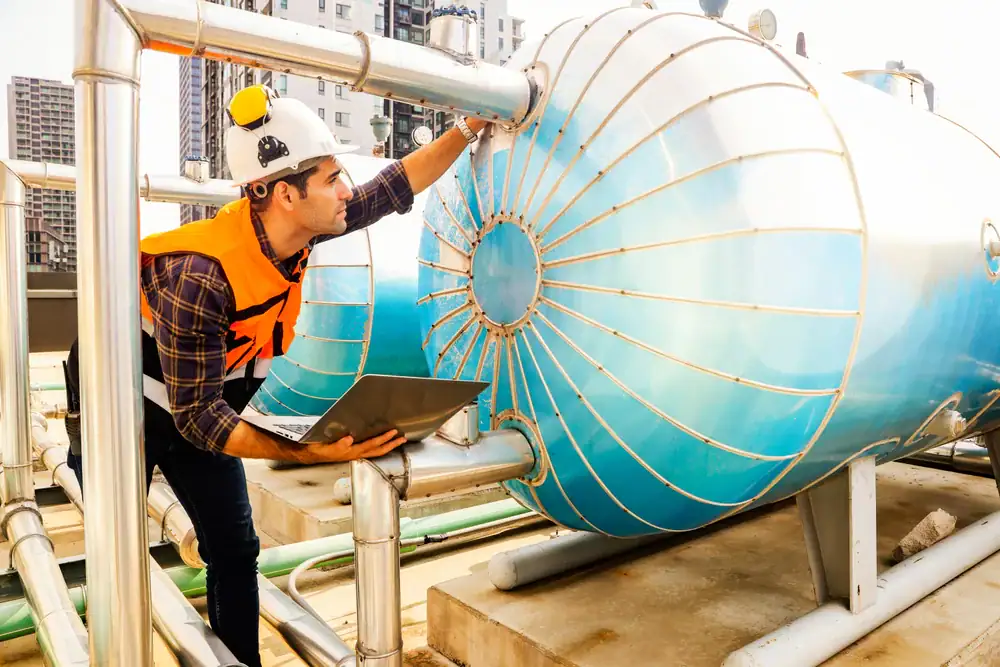
You tell us what’s wrong. Not “the cooler isn’t working”—we need specifics. Is it making noise? Is the temperature climbing? Is there water pooling underneath? The more detail you give us, the better we can prepare.
We show up with parts. Our service trucks carry inventory for every major brand because “we’ll have to order that” means another day of lost product for you. Most repairs get completed the same day. For complex issues that need specialty parts, we’ll set you up with a temporary solution so you’re not dead in the water.
Before we start any work, you get the cost. No surprises when the invoice shows up. If your compressor is shot and replacement doesn’t make financial sense, we’ll tell you that instead of selling you a repair that buys you six months.
After the repair, you get documentation. What failed, why it failed, and what you can watch for next time. If you’re on a maintenance contract, this goes into your equipment record so we can track patterns and catch problems before they become emergencies.
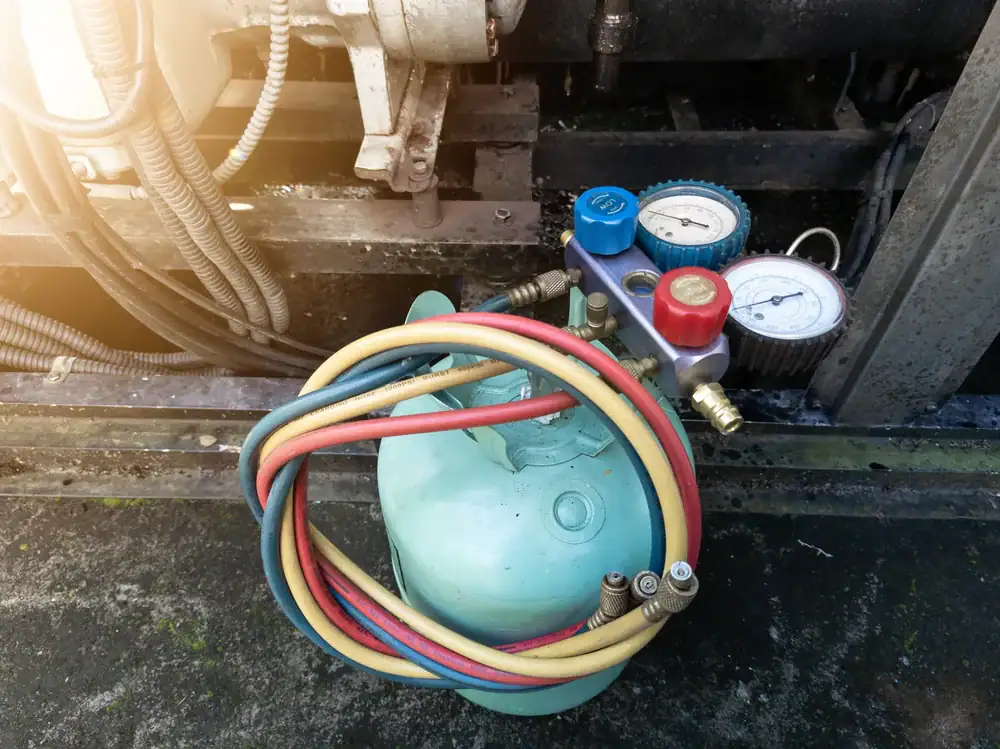
Ready to get started?
Commercial refrigeration in East Farmingdale means handling humidity in summer and frozen condensate lines in winter. Your walk-in cooler works harder in August than most systems do all year, which is why preventive maintenance isn’t optional if you want to avoid emergency calls.
A proper maintenance visit includes checking refrigerant levels, cleaning condenser coils, testing door seals, calibrating thermostats, and inspecting electrical connections. These aren’t upsells—they’re the things that fail when you skip them. A dirty condenser coil makes your compressor work 30% harder, which means higher energy bills now and earlier replacement later.
For restaurants and delis in the East Farmingdale area, your refrigeration system is running 24/7/365. That’s different from residential HVAC that cycles on and off. Continuous operation means components wear differently, which is why you need technicians who understand food service refrigeration specifically—not just general HVAC.
We also handle specialized equipment like blast chillers for catering operations, display cases for delis, and custom beer systems for restaurants. If it keeps food cold or makes ice, we’ve installed it, fixed it, or told someone it needed to be replaced before it failed during their busiest week of the year.
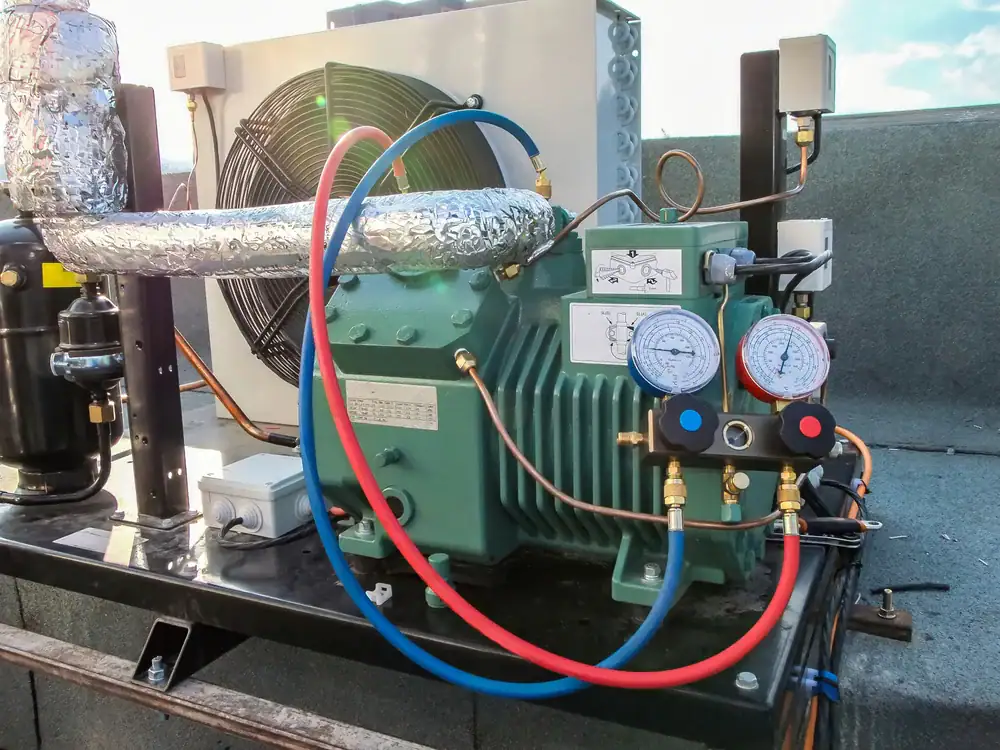
We run 24/7 emergency service across Nassau and Suffolk County, with response times typically within hours for true emergencies. “True emergency” means your system is down and you’re losing product—not that your ice machine is making a weird noise.
When you call, you’re talking to someone who can dispatch a technician immediately, not an answering service that takes a message. Our trucks carry extensive parts inventory, so most emergency repairs get completed the same day without waiting for parts to arrive.
For non-emergency issues, we’ll schedule you based on urgency and our current service load. A walk-in cooler that’s running but not holding temperature exactly gets handled faster than routine maintenance, but it’s not the same priority as a complete system failure during dinner service.
If your compressor fails and your system is over ten years old, replacement usually makes more sense than repair. A new compressor might cost $2,500 installed, but if your condenser coils are corroded and your evaporator is leaking, you’re just delaying the inevitable while paying for multiple service calls.
We’ll give you both options with honest assessment. Sometimes a repair buys you two more years, which is exactly what you need if you’re planning to renovate or relocate. Other times, you’re throwing money at a system that’s going to fail again in six months.
Energy efficiency matters too. New refrigeration systems use 30-40% less energy than units from fifteen years ago, which means your electric bill drops enough to offset part of the replacement cost. For a busy restaurant in East Farmingdale running multiple walk-in units, that difference adds up to real money over a few years.
You don’t need one the same way you don’t need oil changes for your car. But if you want your equipment to last fifteen years instead of seven, and you want to avoid emergency repairs during your busiest seasons, regular maintenance is how you get there.
Our maintenance contracts include priority emergency response, which means you’re not waiting behind non-contract customers when your system fails. You also get discounted repair rates and regular preventive visits where we catch small problems before they become expensive ones.
The real value is in the equipment records we maintain. When we’ve been servicing your walk-in cooler for five years, we know its history. We know that compressor runs hot, we know that door seal needs adjustment twice a year, and we know when something’s actually wrong versus normal operation. That knowledge prevents unnecessary repairs and catches real problems early.
A busy restaurant needs different cooling capacity than a deli, even if they’re the same square footage. Restaurants have higher door traffic, more frequent temperature swings, and different storage needs. Your system has to recover quickly when cooks are in and out of the walk-in every ten minutes during dinner service.
Delis typically need more display case refrigeration and less walk-in space, but those display cases have to maintain exact temperatures while being opened constantly by customers. Catering operations need blast chillers to cool large quantities quickly and meet food safety timelines.
We measure your actual peak usage before recommending equipment. That means understanding your menu, your volume, your busiest days, and how you actually use the space. A system sized for average usage will fail during peak times. A system oversized for your needs costs more upfront and cycles inefficiently, which shortens its lifespan and raises your energy bills.
If your walk-in cooler is above 41°F and climbing, that’s an emergency. Food safety regulations require cold storage below 40°F, and every hour you’re out of compliance is another hour of product you might have to throw away.
If your system is making loud grinding noises, leaking refrigerant, or showing error codes, those are warnings that you’re about to have an emergency. Calling now—before complete failure—usually means a cheaper repair and no lost inventory.
If your cooler is holding temperature but running constantly, or if you’re seeing ice buildup where there shouldn’t be any, those are problems that need attention soon but aren’t same-day emergencies. We’ll schedule you quickly, but you’re not losing product overnight. The difference between “my ice machine is making weird noises” and “my walk-in died during Saturday dinner service” is the difference between a scheduled repair and an emergency call.
We service every major commercial refrigeration brand—True, Turbo Air, Beverage-Air, Hoshizaki, Manitowoc, Scotsman, and dozens of others. Our technicians carry diagnostic tools and common parts for the brands most prevalent in Long Island food service operations.
For specialized or older equipment, we can source parts quickly through our supplier network. We’ll tell you upfront if parts availability is going to be an issue, which sometimes happens with discontinued models or commercial equipment that’s been out of production for years.
We also work on marine HVAC systems, which means we handle refrigeration in environments with saltwater exposure, tight spaces, and unique electrical requirements. If you’re running a yacht club or marina in the East Farmingdale area, that specialization matters because standard commercial refrigeration technicians often won’t touch marine applications.