Hear from Our Customers
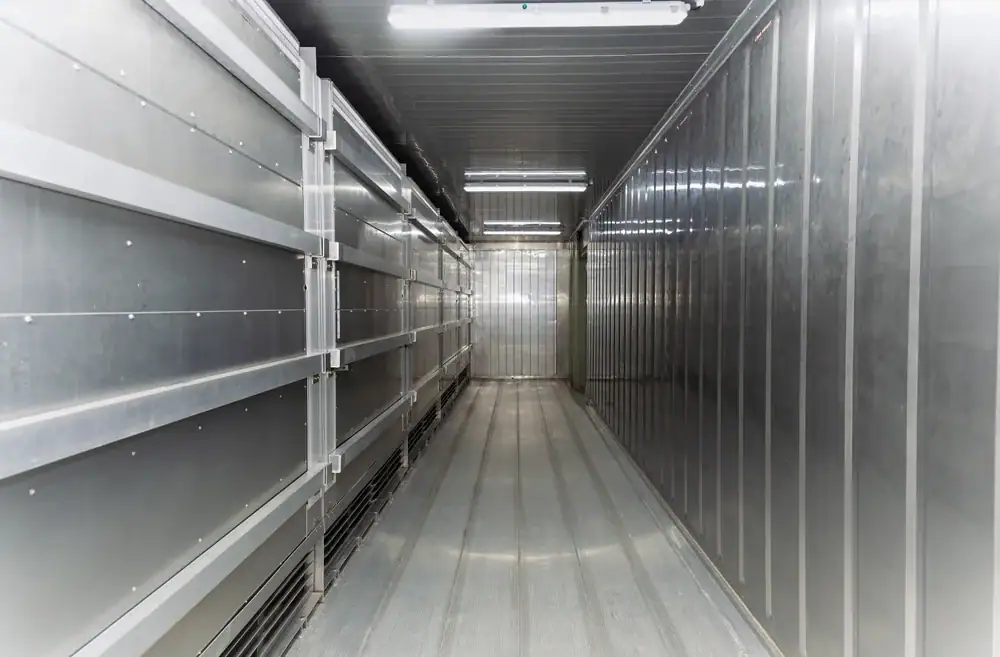
Your walk-in stays cold. Your compressor doesn’t quit during dinner rush. Your energy bill stops climbing every month because dirty coils are making everything work twice as hard.
You’re not calling someone at midnight because your freezer died and eight grand in inventory is sitting at 55 degrees. You’re not scrambling to find ice while your weekend prep spoils. You’re running your business.
Most refrigeration failures don’t announce themselves. A compressor runs hot for weeks. Door seals leak cold air. Condenser coils cake up with dust and nobody notices until the whole system shuts down on a Saturday night. By then, you’re looking at emergency service rates, ruined product, and lost revenue while you wait for parts.
Preventive maintenance cuts your energy costs by around 25%. It catches small problems before they become expensive ones. And when something does go wrong, you’ve got someone who already knows your system, has your parts on hand, and can get you back online fast.
We’ve been handling commercial refrigeration and marine HVAC across Long Island for over 40 years. That means we’ve seen what summer humidity does to compressors in Gordon Heights. We know which systems hold up in catering halls and which ones fail in restaurant kitchens.
We work with airports, delis, restaurants, and marine applications that most companies won’t touch. If it’s a standard repair, we handle it. If it’s a custom beer system or a boat’s air conditioning setup, we handle that too.
You’ll find dozens of five-star reviews from businesses that needed someone who picks up the phone, shows up on time, and actually fixes the problem. We don’t charge for estimates. We don’t upsell you on equipment you don’t need. We tell you what’s wrong, what it costs, and how long it takes.
You call or contact us. We ask what’s happening with your system. If it’s an emergency, we’re on our way. If it’s maintenance or a new install, we schedule a free estimate.
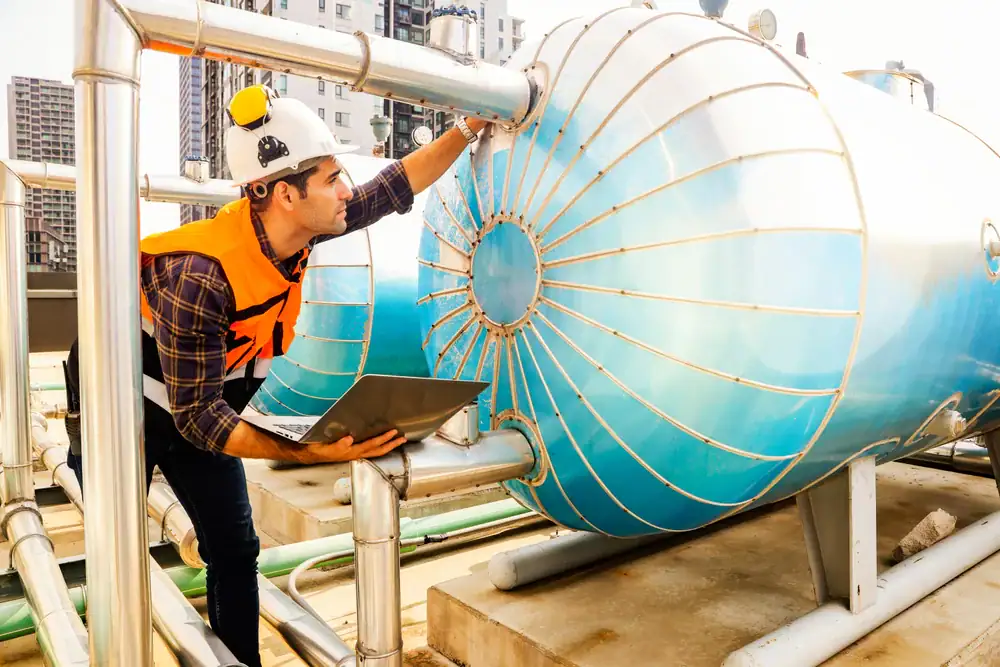
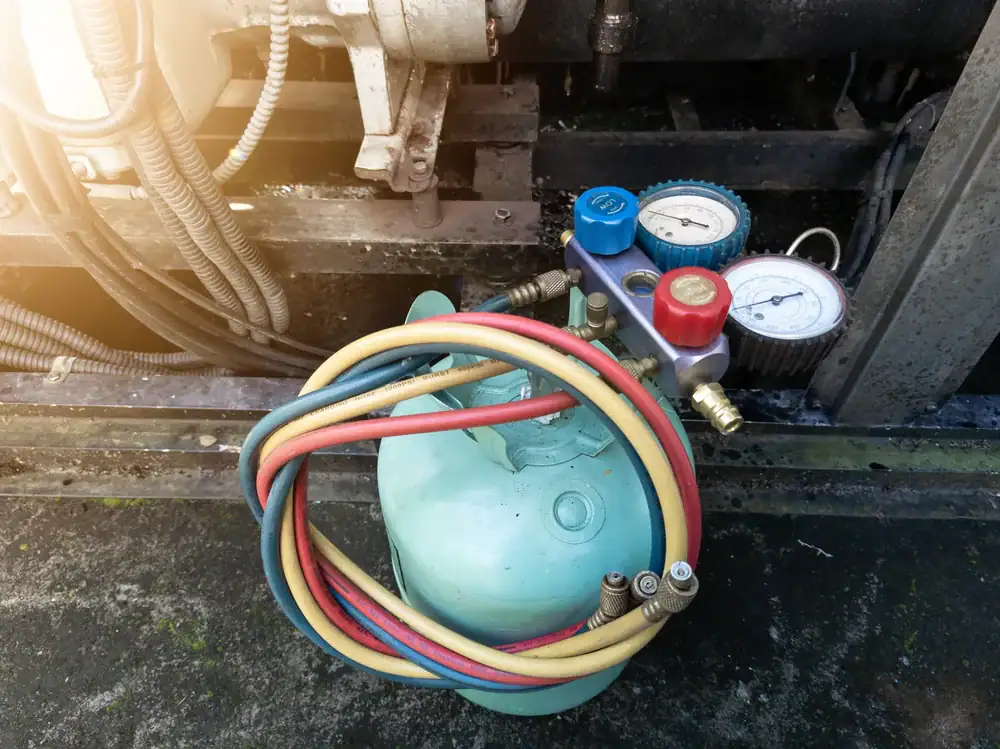
We show up and assess your equipment. We’re looking at compressor performance, refrigerant levels, condenser coils, door seals, and anything else that affects whether your system keeps running or quits on you. If something’s wrong, we tell you what it is, what it costs to fix, and how long you’ll be down.
For emergency repairs, about 70% get fixed on the spot. We stock common parts and handle most issues the same day. If we need to order something, we’ll tell you the timeline and help you manage your inventory in the meantime.
For maintenance, we’re cleaning coils, checking refrigerant, testing components, and catching problems before they shut you down. Most businesses in Gordon Heights need service twice a year. High-volume kitchens need it quarterly. We’ll tell you what makes sense for your operation.
New installations include permits, health department compliance, staff training, and a maintenance plan so your system doesn’t become someone else’s problem three years from now.
Ready to get started?
Long Island’s climate is tough on refrigeration equipment. Summer heat makes compressors work harder. Winter cold messes with door seals. Humidity swings stress the system year-round. Your equipment needs to handle that, or it won’t last.
Condenser coils are the biggest issue most businesses ignore. Dirty coils make your compressor work 40% harder. That means higher energy bills and a system that fails years earlier than it should. Cleaning them regularly saves you money and extends equipment life.
Refrigerant levels matter. Low refrigerant means poor cooling and compressor damage. We check levels, find leaks, and top off your system so it runs efficiently. Door seals, thermostats, and electrical components all get inspected because small failures lead to big breakdowns.
Energy-efficient upgrades can cut your utility bills by 30% to 40%. If you’re running old equipment, replacing it pays for itself faster than you think. We’ll walk you through what makes sense for your business and what doesn’t.
Gordon Heights businesses deal with the same problems everywhere else on Long Island does: equipment that works too hard, breaks too often, and costs too much to run. We fix that.
A major failure typically costs between five and fifteen thousand dollars when you add up emergency service, parts, lost revenue, and spoiled inventory. That’s the real number most businesses don’t think about until it happens.
Compressor replacement alone runs $200 to $700 for the part, plus labor at around $200 per hour. But the bigger hit is your inventory. If your walk-in goes down for six hours, you’re losing everything that can’t hold temp. For most restaurants, that’s thousands of dollars in product.
Then there’s lost revenue. Equipment downtime costs U.S. restaurants about $46 billion a year. You can’t serve what you can’t keep cold. Customers leave. Reservations get canceled. Your weekend revenue disappears while you’re waiting for a part.
Preventive maintenance costs a fraction of that. You’re paying for regular service instead of emergency rates. You’re catching problems early instead of replacing entire systems. And you’re not throwing away your inventory because something failed on a Friday night.
Most businesses need professional maintenance twice a year. High-volume restaurants and kitchens that run equipment hard should plan for quarterly service. That’s what actually keeps systems running in Long Island’s climate.
Summer and winter are when your equipment takes the most stress. Heat makes compressors work overtime. Cold affects seals and gaskets. Scheduling maintenance before peak seasons means you’re not dealing with breakdowns when you’re busiest.
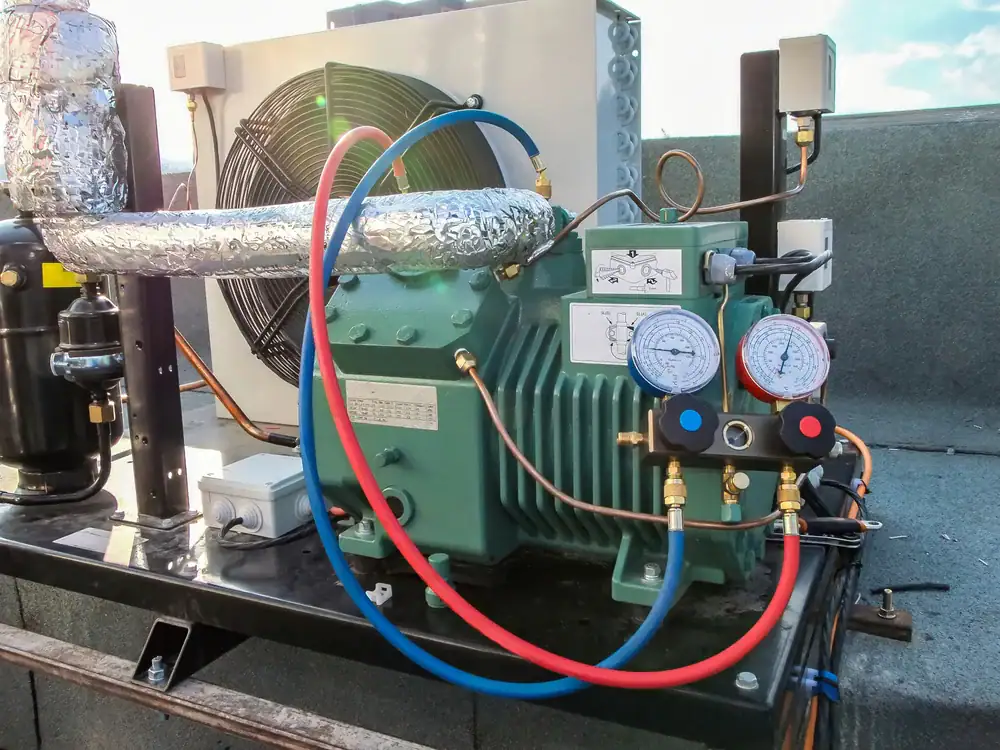
Maintenance visits include cleaning condenser coils, checking refrigerant levels, inspecting door seals, testing thermostats, and looking for anything that’s about to fail. A well-maintained system uses about 25% less electricity and lasts years longer than one that only gets attention when it breaks.
If you’re skipping maintenance to save money, you’re not saving anything. You’re just pushing the cost into emergency repairs and shorter equipment life. The businesses that spend the least on refrigeration are the ones that stay on top of it.
Call for emergency service immediately, then start moving your inventory to backup cold storage if you have it. Every hour your cooler is down, you’re losing product and money.
Don’t wait to see if it fixes itself. Refrigeration systems don’t recover on their own. If your cooler isn’t holding temp, something’s failed and it needs a technician. The faster you call, the more inventory you save.
While you’re waiting for service, keep the door closed as much as possible. Every time you open it, you’re losing cold air and raising the internal temp. If you’ve got a thermometer inside, monitor it. Once you’re above 41 degrees, you’re in the danger zone for food safety.
About 70% of our emergency calls get fixed on the spot. We stock common parts and handle most failures the same day. If it’s something bigger, we’ll tell you what’s wrong, how long it takes to fix, and what you need to do with your inventory in the meantime. We run 24/7 service because refrigeration doesn’t break on a schedule.
Yes. Replacing old equipment with energy-efficient models can cut your monthly utility bills by 30% to 40%. For most businesses, that pays for the upgrade in a few years, then keeps saving you money for the life of the system.
Commercial refrigeration accounts for about 40% of energy consumption in food service businesses. If your equipment is more than ten years old, it’s working harder and costing more than newer models. Compressors, motors, and controls have all improved. Modern systems do the same job with a lot less power.
Energy savings aren’t the only benefit. New equipment breaks less often, meets current health codes, and comes with warranties that cover repairs. You’re not dealing with constant service calls or wondering when something’s going to quit.
We’ll assess your current system and tell you whether an upgrade makes sense. Sometimes a repair is the right call. Sometimes you’re throwing money at equipment that’s going to fail anyway. We’ll give you the numbers so you can make the decision that works for your business.
Long Island’s climate puts more stress on refrigeration equipment than most regions. Summer heat makes compressors run longer and hotter. Humidity clogs condenser coils faster. Winter cold affects door seals and gaskets. All of that shortens equipment life if you’re not staying ahead of it.
Condenser coils are the biggest problem. They pull in air to cool the refrigerant, and that air carries dust, grease, and humidity. Coils get caked up, airflow drops, and your compressor has to work 40% harder to do the same job. That means higher energy bills and a system that fails years earlier than it should.
Salt air affects businesses near the coast. It corrodes components faster and breaks down seals. If you’re in a coastal area, your equipment needs more frequent inspections and cleaning to hold up.
The businesses that get the most life out of their systems are the ones that schedule regular maintenance, keep coils clean, and address small problems before they become expensive ones. Equipment that gets ignored doesn’t last. Equipment that gets maintained runs for decades.
Yes. We handle emergency repairs 24/7, scheduled maintenance, and full installations for new systems or replacements. If it involves commercial refrigeration or marine HVAC, we do it.
Emergency service is available around the clock because equipment failures don’t wait for business hours. When you call, we’re on our way. Most repairs get handled the same day. If we need parts, we’ll tell you the timeline and help you manage until your system’s back online.
For new installations, we handle everything from permits to health department compliance. We’ll assess your space, recommend equipment that fits your needs and budget, and manage the entire project so you’re not coordinating between contractors. Once it’s installed, we train your staff and set up a maintenance plan.
We also handle custom work that most companies won’t touch. Beer systems, marine air conditioning, specialized cooling setups—if it’s complex, we’ve probably done it. Forty years in business means we’ve seen most problems and solved most of them. If you’ve got a system that needs work, we’ll tell you whether we can fix it or not.