Hear from Our Customers
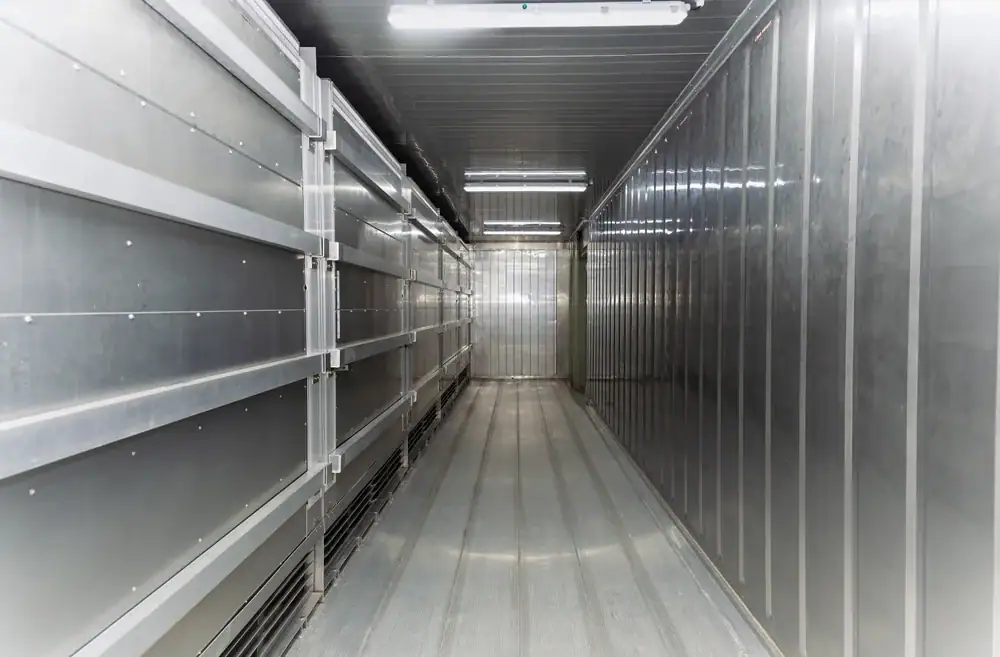
Your refrigeration systems don’t get to take weekends off during summer rushes. Neither do we. When a walk-in cooler goes down on a Saturday night in July, you need someone who answers, shows up fast, and actually fixes the problem.
That’s what over 40 years in commercial refrigeration gets you. We stock the parts that matter because having the right component today beats waiting until Tuesday. Most repairs get handled the same day, not because we’re trying to impress you, but because your inventory is sitting there and time costs money.
The real value isn’t just in fixing what breaks. It’s in maintaining systems properly so they last 15+ years instead of limping along for 8. It’s in knowing how coastal humidity and salt air affect equipment differently here than they do inland. And it’s in installing energy-efficient refrigeration systems that can cut your operating costs by 20-40% compared to what you’re running now.
We’ve been handling commercial refrigeration in Greenlawn and across Long Island since before energy efficiency was a regulation. That means we’ve seen what works in these conditions and what doesn’t.
Our trucks carry thousands of parts because we’ve done this long enough to know what breaks and when. We’re factory authorized on every major manufacturer, which means we can handle your warranty work without the runaround. And we’re licensed, insured, and current on every FDA, USDA, EPA, and local health department regulation that affects your operation.
You’ll find our work in airports, catering halls, delis, and restaurants from Montauk to Manhattan. We’ve earned dozens of five-star reviews by showing up when we say we will, charging what we quoted, and explaining what’s actually wrong instead of upselling what isn’t.
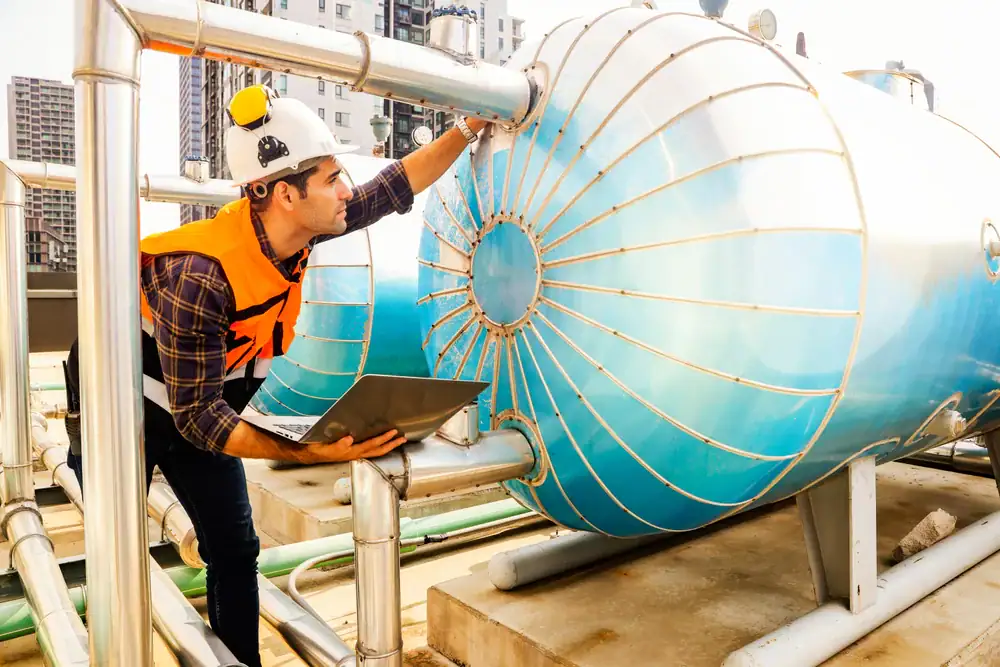
It starts with understanding what you actually need. Not every business needs the most expensive system, and not every “deal” equipment package will survive Long Island’s coastal environment. We assess your space, your volume, your peak demands, and your budget before recommending anything.
Installation includes everything—electrical connections, permits, health department compliance, staff training on proper use, and maintenance scheduling. You get one point of contact for the entire project, not a handoff between departments who don’t talk to each other.
Once your refrigeration system is running, we don’t disappear. Maintenance customers get priority scheduling and typically see their equipment last 15+ years instead of the 10-12 you’d get without proper service. When something does go wrong, our 24/7 emergency refrigeration repairs mean you’re typically looking at response within an hour, not next-day service.
The goal is simple: your refrigeration works reliably, uses less energy than it should, and lasts longer than you expected. Everything else is just noise.
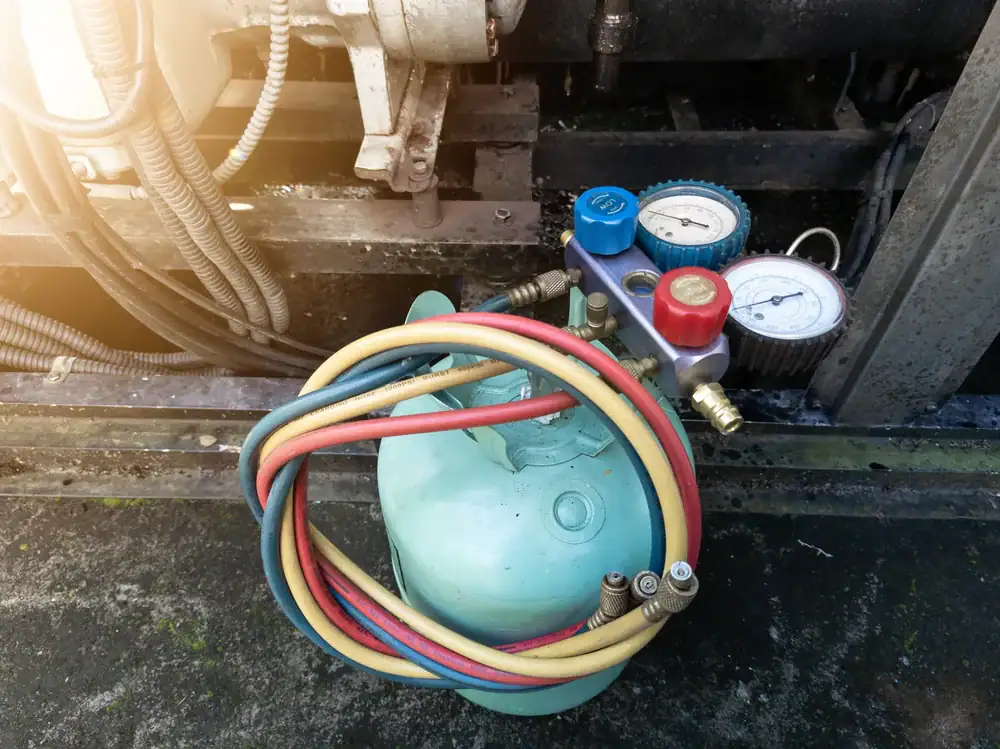
Ready to get started?
Commercial refrigeration maintenance in Greenlawn isn’t just about preventing breakdowns. It’s about compliance with regulations that changed this year and will change again in 2029. New EPA refrigerant rules took effect January 1, 2025, requiring low-GWP refrigerants. DOE energy conservation standards hit in 2029. If you’re not planning for this, you’re behind.
Energy efficiency matters more here than in most places. Long Island energy costs are higher, and refrigeration systems represent roughly 40% of energy consumption in food service operations. A poorly maintained system wastes 15-25% more energy than it should. Over a year, that’s real money.
We handle everything from standard walk-in coolers and reach-in freezers to complex installations that other contractors won’t touch—custom beer systems, marine HVAC for yacht clubs, specialized cooling for catering halls. If it needs to stay cold and it’s more complicated than a residential fridge, we’ve probably installed, repaired, or maintained it.
Local businesses face specific challenges. Summer tourist season in nearby coastal areas means peak demand when you can least afford downtime. Salt air accelerates corrosion. Humidity fluctuations stress compressors. We account for all of it because we’ve been working in these conditions for 40+ years.
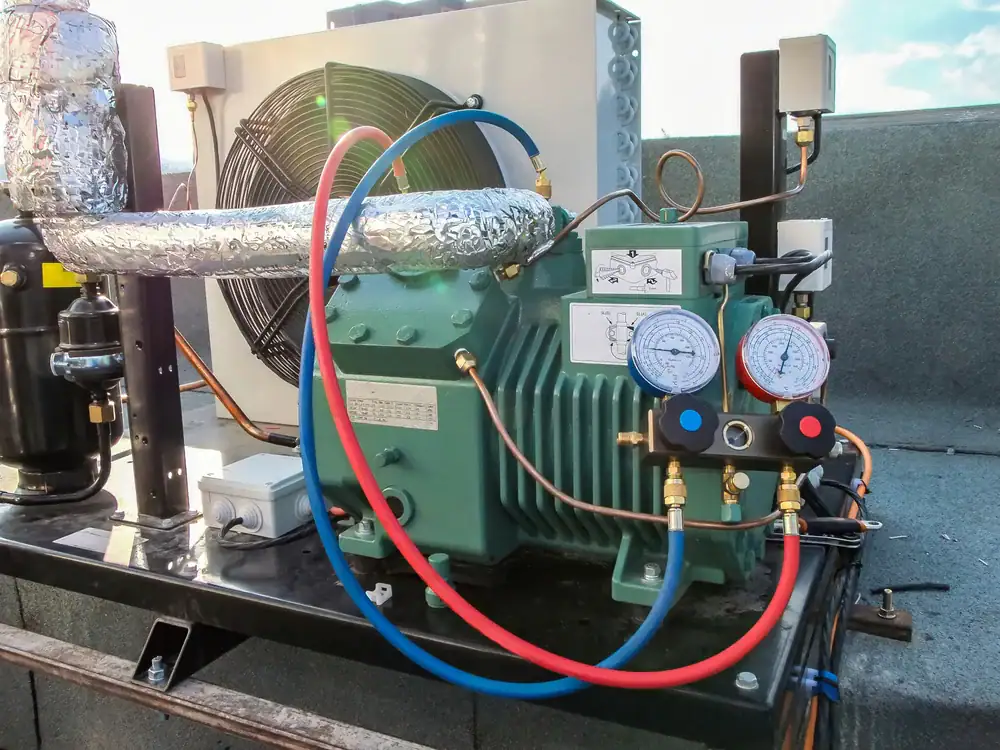
We typically arrive within an hour for emergency calls in Greenlawn, even on weekends and holidays. That’s not a marketing claim—it’s what local presence and 24/7 availability actually mean.
When your walk-in cooler fails at 9 PM on a Saturday, you’re not waiting until Monday morning. Our trucks carry extensive parts inventory specifically because emergency repairs can’t wait for orders to arrive. Most emergency refrigeration repairs get completed the same day, though complex issues occasionally require follow-up.
The faster response time comes from understanding what’s actually urgent. If your freezer is down and you’ve got product sitting there, that’s urgent. If a reach-in cooler is running warmer than it should but still maintaining safe temps, that’s important but not critical. We prioritize based on your actual risk, not just who called first.
A proper refrigeration installation starts weeks before equipment arrives. We assess your electrical capacity, space constraints, ventilation requirements, and health department regulations specific to Nassau County. Then we specify equipment that actually fits your operation—not just what’s on sale.
Installation day includes positioning equipment, running electrical connections, installing any required ventilation, testing all systems under load, and training your staff on proper use and basic troubleshooting. We handle permit applications and coordinate any required inspections with local authorities.
After installation, we schedule your first maintenance visit and provide documentation for health department compliance. You’ll have direct contact information for service calls and a clear maintenance schedule. The goal is equipment that passes inspection, runs efficiently, and doesn’t surprise you with problems in the first year.
Most commercial refrigeration systems need professional maintenance every three to six months, depending on equipment type and usage intensity. Walk-in coolers in high-volume restaurants need more frequent service than reach-in units in lower-volume operations.
Coastal location matters here. Salt air accelerates coil corrosion and affects electrical connections faster than inland environments. We typically recommend quarterly service for businesses within a few miles of the coast, including most of Greenlawn. That prevents small issues from becoming expensive failures.
Regular maintenance extends equipment life from the typical 10-12 years to 15+ years. It also maintains energy efficiency—dirty coils and worn components can increase energy consumption by 25% without you noticing until the bill arrives. Factor in fewer emergency repairs and less product loss from unexpected failures, and maintenance pays for itself.
Coastal environments demand equipment built to handle salt air, humidity swings, and temperature variations that inland locations don’t face. Standard residential-grade components fail faster here. You need commercial-grade refrigeration systems with corrosion-resistant coils and sealed electrical connections.
We typically spec equipment with epoxy-coated coils for coastal locations. Compressors need adequate ventilation since humidity affects heat dissipation. Electrical components should be sealed against moisture intrusion. These aren’t expensive upgrades—they’re standard specifications for equipment that will actually last in this environment.
Placement matters too. Refrigeration systems installed in poorly ventilated spaces or areas with direct salt air exposure fail sooner regardless of quality. We assess your specific location during installation planning and recommend placement that maximizes equipment life. Sometimes that means spending more on ventilation up front to avoid replacing compressors every few years.
Modern energy-efficient refrigeration systems typically reduce operating costs by 20-40% compared to equipment from 10+ years ago. On Long Island’s energy rates, that translates to real savings—often $2,000-$5,000 annually for a typical restaurant operation.
The math changes in 2029 when new DOE energy conservation standards take effect. Older equipment won’t meet requirements, and you’ll face replacement anyway. Upgrading now means you’re compliant before the deadline and you start saving on energy costs immediately instead of waiting.
There’s also the EPA refrigerant situation. Regulations that took effect January 2025 require low-GWP refrigerants in new systems. Older refrigerants are being phased out, which means service costs for legacy systems will increase as refrigerant becomes scarce. Upgrading to compliant systems now avoids that problem entirely and positions you ahead of competitors who’ll be scrambling in 2028.
First, check the obvious: Is the thermostat set correctly? Are the doors sealing properly? Is anything blocking airflow around the unit? Those account for about 30% of “not cooling” calls and you can verify them in two minutes.
If basics check out but temps are still climbing, you’re likely looking at refrigerant issues, compressor problems, or dirty coils. Don’t wait to see if it fixes itself. Refrigeration systems that run without cooling properly are wasting energy and putting your inventory at risk. The longer it runs incorrectly, the more expensive the eventual repair becomes.
Call for service before you lose product. We can often diagnose issues over the phone and give you a realistic timeframe for repair. If it’s something that needs immediate attention, we’ll tell you whether to move product to backup storage or if the system will hold until we arrive. That kind of straight answer matters when you’re deciding whether to stay open or close for the night.
Other Services we provide in Greenlawn