Hear from Our Customers
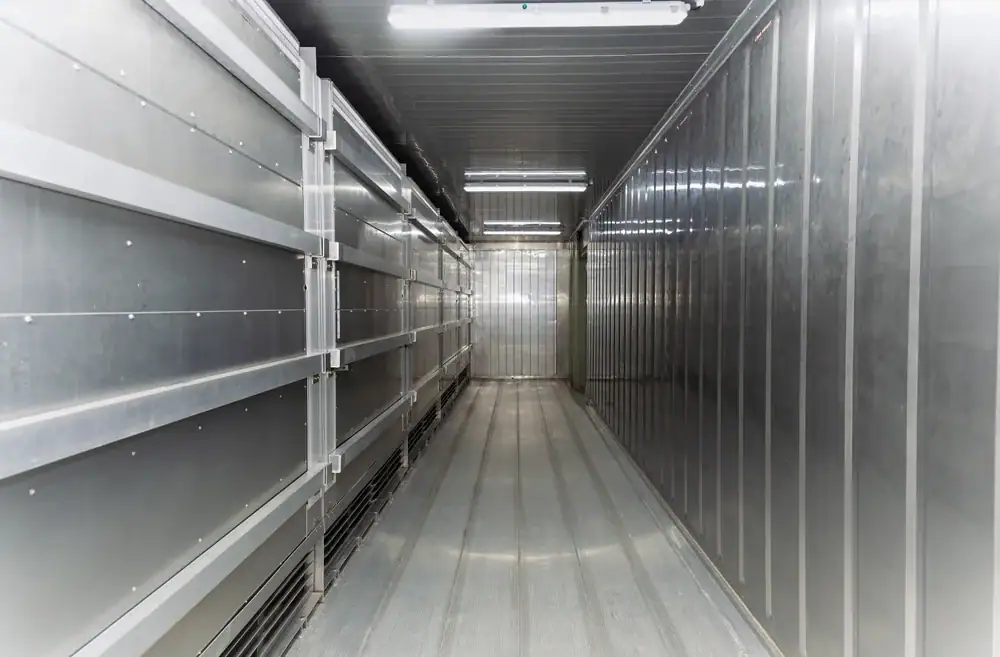
Your walk-in stays at temp. Your product doesn’t spoil overnight. Your health inspector doesn’t find issues during surprise visits.
You’re not scrambling to find ice or temporary coolers at 2 AM. You’re not explaining to staff why you had to toss $3,000 worth of inventory. You’re not paying triple rates for emergency weekend service.
Your refrigeration just works—quietly, consistently, and without drama. That’s what proper installation and maintenance actually deliver. Not someday. Right now.
Most restaurants and food service businesses in Hampton Bays lose more money to preventable refrigeration issues than they realize. Small temperature swings. Compressor strain during summer rushes. Salt air eating away at coils. These aren’t minor inconveniences—they’re profit killers.
The difference between a system that limps along and one that runs efficiently comes down to who installed it and who’s maintaining it. When you’re dealing with the humidity and coastal conditions here, that difference shows up fast.
We’ve been handling commercial refrigeration in Hampton Bays and across Long Island for over 40 years. That’s not a tagline—it’s thousands of service calls, hundreds of installations, and more emergency repairs than we can count.
We know what fails first in coastal environments. We know which systems hold up during peak summer season when you’re slammed. We know what the health department looks for during inspections.
Our trucks are stocked with the parts that actually break. Our techs answer the phone at 3 AM. We’ve seen every make, model, and failure mode—and we’ve fixed most of them twice.
Hampton Bays has unique challenges. The salt air corrodes components faster. The seasonal swings put extra stress on compressors. The summer rush doesn’t care if your walk-in is struggling. We’ve built our service around those realities because we work here, not just in here.
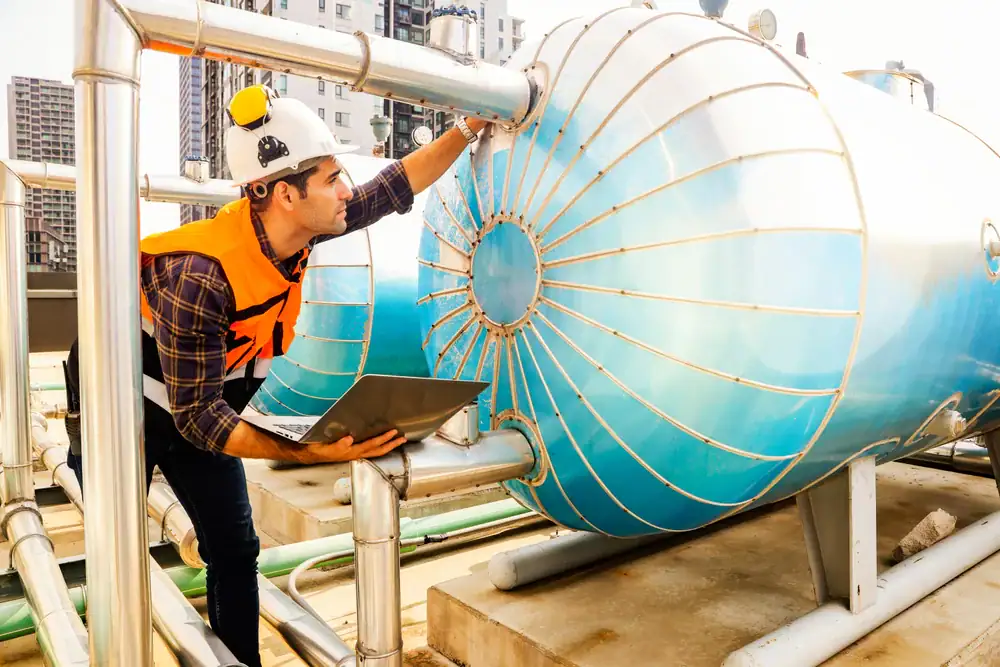
First, we actually listen. What’s failing? When did it start? What’s your timeline? If it’s an emergency, we’re typically on-site within hours—not tomorrow, not next week.
Once we’re there, we diagnose the real problem. Not just the symptom. A compressor that’s short-cycling might be a refrigerant issue, a failing relay, or a thermostat that’s lying to the system. We find the source.
Then we give you options. Repair vs. replace. Temporary cooling while we order parts. Cost breakdown with no surprise fees. You decide what makes sense for your business and your budget.
For installations, we start with a site assessment. What are you cooling? How often does the door open? What’s your peak volume? We size the system correctly the first time because undersized units fail fast and oversized ones waste energy.
After installation or repair, we test everything. Temperature logs. Defrost cycles. Door seals. Alarm functions. We don’t leave until it’s running right. And if you’re on a maintenance contract, we come back quarterly to catch problems before they cost you money.
Ready to get started?
We handle the full range of commercial refrigeration systems—walk-in coolers and freezers, reach-in units, display cases, ice machines, prep tables, and specialized equipment like beer systems. If it keeps food cold, we install it, fix it, and maintain it.
Emergency service means exactly that. Call us at midnight on Sunday, and someone answers. We keep common parts in stock because waiting three days for a relay while your product spoils isn’t acceptable. Our service trucks are mobile workshops, not just transportation.
Maintenance contracts get you priority scheduling, discounted labor rates, and quarterly inspections that catch issues early. We’re checking refrigerant levels, testing components, cleaning condenser coils, and verifying temperatures. The goal is preventing the 2 AM emergency call, not just responding to it.
In Hampton Bays, we pay extra attention to coastal wear. Salt air accelerates corrosion on coils and electrical connections. We clean and protect those vulnerable points during maintenance visits. It’s a small thing that adds years to your equipment life.
For restaurants, delis, catering operations, and any food service business, we also provide temporary cooling solutions during major repairs. You don’t shut down while we’re fixing your system—you keep operating. That alone saves most businesses more than our service costs.
We offer true 24/7 emergency service, and in most cases, we’re on-site within a few hours of your call. That includes nights, weekends, and holidays.
When you call with an emergency, you’re talking to someone who can actually help—not an answering service that takes a message. We assess the situation immediately and dispatch a technician with the tools and common parts needed for your type of system.
For context, emergency refrigeration failures typically cost businesses $2,500 to $8,000 when you factor in overtime labor, expedited parts, and product loss. Getting someone there fast isn’t just about convenience—it’s about limiting damage. The longer your system is down, the more expensive it gets. We’ve seen too many businesses lose entire inventories because they waited until morning to call someone.
Emergency repairs typically run 2-3 times more than planned service. A maintenance visit costs $150-$400. An emergency call starts around $500 and can easily hit $2,500 depending on the failure and timing.
But the bigger cost is what you lose while the system is down. Product spoilage, lost sales, potential health code issues—those add up faster than the repair bill. Most food service businesses we work with report that a single major failure costs them more than a year of maintenance contracts.
Preventive maintenance programs with monitoring typically save businesses $3,000 to $6,000 annually per location. That’s not marketing talk—that’s from avoiding emergency dispatch fees, catching small issues before they cascade, and extending equipment life. A compressor that fails at year seven instead of year twelve is a $4,000-$8,000 replacement you’re paying for early. Regular maintenance gets you those extra years.
Age and repair cost are the two main factors. If your system is over 10-12 years old and the repair costs more than 50% of replacement value, replacement usually makes more sense.
But there’s more to it. Older systems are less efficient—they cost more to run every month. A new energy-efficient unit might pay for itself in 3-4 years just through lower electric bills. We’ve seen businesses cut cooling costs by 30-40% after upgrading from 15-year-old equipment.
We’ll always give you both options with real numbers. Here’s what repair costs. Here’s what replacement costs. Here’s what you’re currently spending on energy versus what a new system would cost to operate. Then you decide. We’re not in the business of selling you equipment you don’t need, but we’re also not going to patch a dying system five times when replacement would’ve been smarter after repair number two.
Cold food must be held at 41°F or below to stay out of the danger zone where bacteria multiply rapidly. Freezers should maintain 0°F or below. Those aren’t suggestions—they’re requirements.
The problem is that most businesses don’t realize their system is running warm until an inspector shows up or food starts spoiling faster than normal. A unit that’s running at 45°F looks fine, but you’re in violation and your food safety is compromised. Bacteria can double every 20 minutes between 41°F and 135°F.
During our maintenance visits, we verify actual temperatures with calibrated thermometers—not just what the display says. We’ve found plenty of units where the thermostat reads 38°F but the actual product temp is 44°F. That’s a failed inspection waiting to happen. We also check that your system can recover quickly after door openings, which is critical during busy service periods.
Yes. We service and install all major commercial refrigeration brands and system types—walk-ins, reach-ins, display cases, ice machines, prep tables, and specialty systems like beer coolers and wine storage.
After 40 years in the business, we’ve worked on pretty much everything. True, Turbo Air, Beverage-Air, Hoshizaki, Manitowoc, Kolpak, Master-Bilt—we know these systems inside and out. We also handle custom and complex installations that other companies won’t touch.
Our service trucks carry a wide range of parts because different brands use different components. That means we can often complete repairs in one visit instead of making you wait days for parts to arrive. For specialized or older equipment, we have supplier relationships that get us hard-to-find parts faster than most competitors. If it keeps food cold and it’s broken, we can fix it.
Salt air is the biggest factor. Coastal environments accelerate corrosion on condenser coils, electrical connections, and metal components. What might last 15 years inland can fail in 10 years here if it’s not properly maintained.
The seasonal demand swings also stress systems harder. Your refrigeration works overtime during summer when Hampton Bays is packed and ambient temperatures are highest. Units that are borderline adequate in April fail completely in July when you need them most.
We address both issues during installation and maintenance. We use protective coatings on vulnerable components. We size systems with enough capacity to handle peak season without straining. We clean salt buildup off coils before it causes problems. These aren’t extras—they’re necessary steps for equipment longevity in this environment. Businesses that skip this specialized attention end up replacing equipment years earlier than they should.