Hear from Our Customers
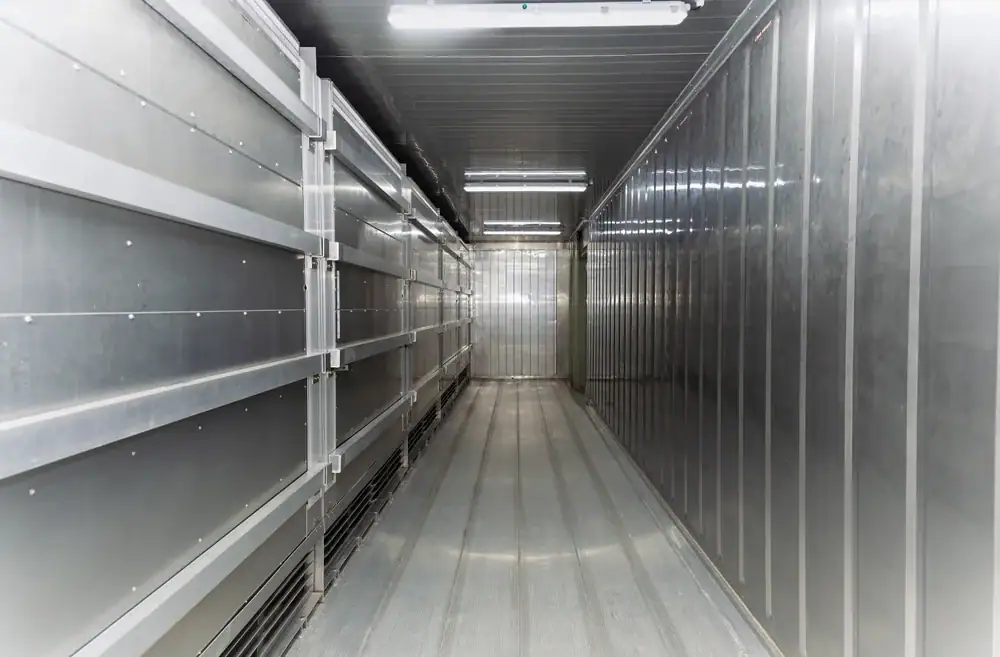
Your refrigeration system isn’t just equipment. It’s what stands between a normal day and thousands of dollars in spoiled inventory. When temperatures start climbing in your walk-in or your ice machine stops mid-shift, every hour costs you money.
Most refrigeration failures happen during your busiest hours. That’s not bad luck—it’s physics. Your equipment works hardest when you need it most, and that’s exactly when weak compressors give out, refrigerant leaks show up, and electrical components fail.
You need a system that runs consistently at the right temperature, uses energy efficiently instead of driving up your utility bills, and gets fixed the same day when something goes wrong. The restaurants and delis along Route 25A that stay open year after year aren’t the ones with the newest equipment—they’re the ones who maintain what they have and work with technicians who actually know commercial refrigeration systems inside and out.
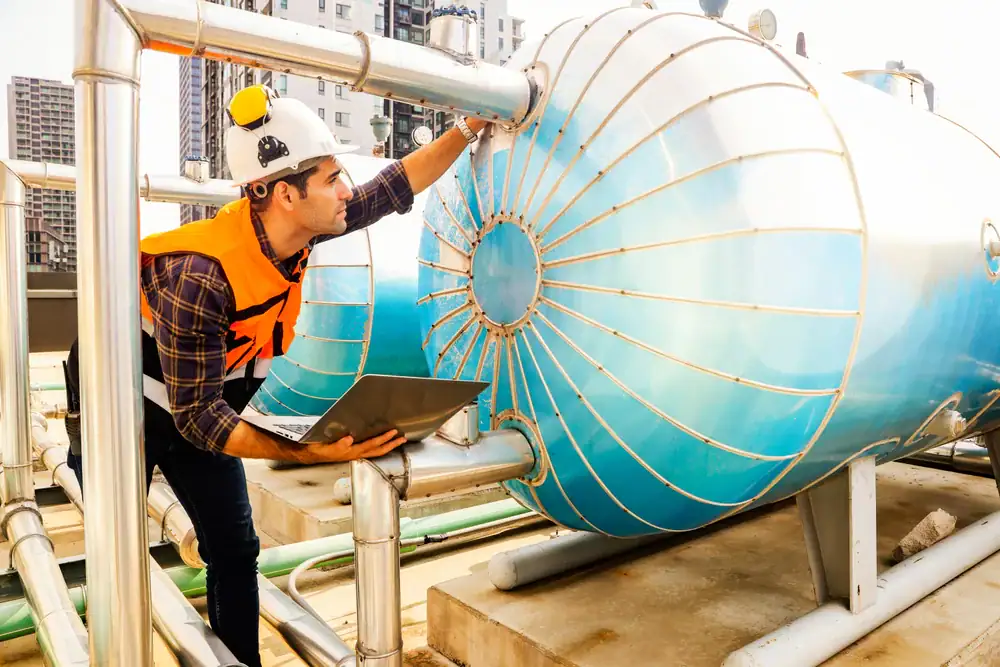
When you call with a problem, we ask specific questions about what’s happening—not to waste time, but because the answers tell us which parts to bring. Is the compressor running but not cooling? Is there ice buildup? Are you hearing unusual sounds? Each symptom points to different components.
Our trucks carry parts for every major brand. Walk-in cooler compressors, evaporator fans, thermostats, contactors, refrigerant—we stock it because waiting three days for a part isn’t realistic when you’re losing product. Most repairs get completed the same visit.
For new installations or replacements, we measure your space, calculate your actual cooling load based on product volume and door traffic, and recommend equipment that fits your operation. A deli’s reach-in needs are different from a catering hall’s walk-in requirements. We size systems correctly the first time so you’re not paying to cool empty space or struggling with undersized equipment that runs constantly.
Maintenance contracts include quarterly inspections where we check refrigerant levels, clean condenser coils, test electrical components, and catch small issues before they become expensive failures. That’s how you get 15 years from equipment instead of 8.
Ready to get started?
Commercial refrigeration maintenance isn’t complicated, but it’s specific. Condenser coils collect dust and grease, which makes compressors work harder and use more energy. Door gaskets wear out and let warm air in. Evaporator fans fail and create temperature inconsistencies. These aren’t dramatic breakdowns—they’re gradual efficiency losses that cost you money every month until someone fixes them.
Long Island’s climate makes this worse. Summer humidity means your system runs longer cycles. Salt air near the coast corrodes electrical connections faster. Winter temperature swings affect refrigerant pressure. The equipment in a Huntington Station restaurant works harder than the same model in a different climate.
We service walk-in coolers and freezers, reach-in refrigerators, prep tables with refrigerated rails, ice machines, display cases, and blast chillers. We also install and maintain glycol systems for draft beer—the multi-tap setups that craft beer places and sports bars use. Those systems need different expertise than standard refrigeration because glycol loops, temperature control, and line cleaning all affect beer quality.
For emergency repairs, we’re available 24/7 across Nassau and Suffolk County. Response time is typically within a few hours, not the next day. When your system fails during dinner service or overnight, waiting until Monday morning isn’t an option.
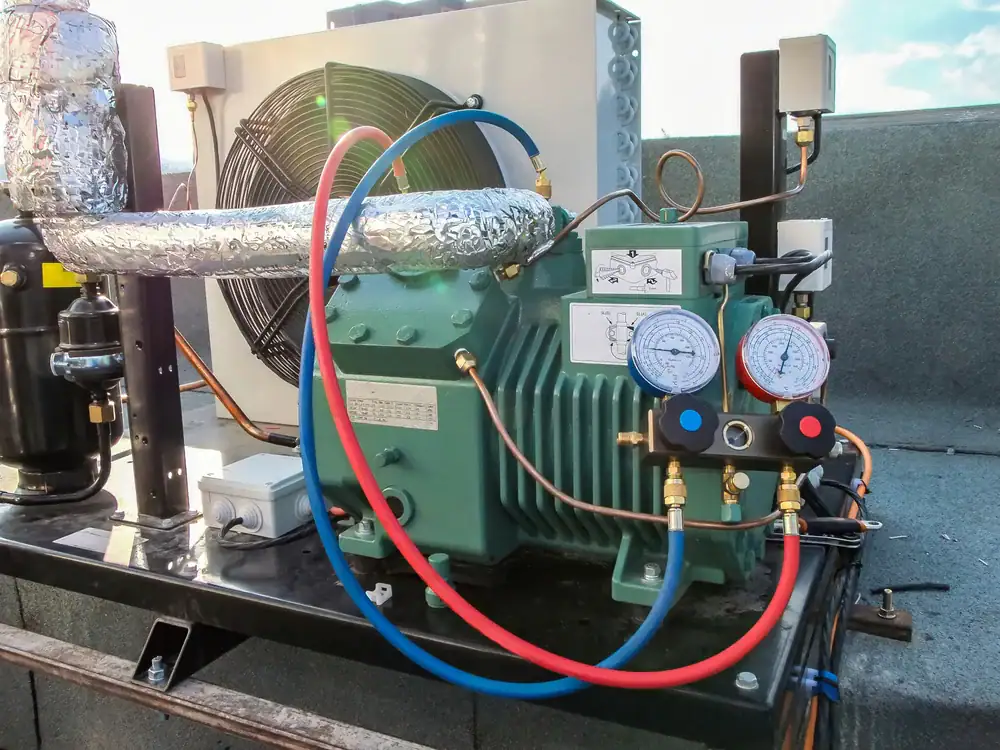
We provide 24/7 emergency service throughout Nassau and Suffolk County, and response time is typically within a few hours. When you call, you’re talking to someone who can dispatch a technician immediately, not an answering service that takes messages.
Our trucks carry extensive parts inventory—compressors, fan motors, thermostats, contactors, refrigerant, and electrical components for all major brands. That means most repairs get completed the same visit instead of requiring a second trip once parts arrive. If we need something unusual, we have supplier relationships that get us parts the same day or next morning.
The goal isn’t just to show up fast. It’s to actually fix the problem so your cooler is running at proper temperature before your next shift starts. When you’re losing product or can’t serve customers, speed matters, but so does having the right parts and knowledge to complete the repair correctly.
Preventive maintenance catches the problems that cause most breakdowns. We clean condenser coils, which get clogged with dust and grease and make your compressor work harder. We check refrigerant levels and look for small leaks before they become big ones. We test electrical components like contactors and capacitors that fail gradually, and we inspect door gaskets that wear out and let warm air in.
We also check temperature consistency throughout your cooler or freezer, calibrate thermostats, and verify that evaporator fans are moving air properly. These aren’t dramatic fixes, but they’re what prevent your system from failing during your busiest service or overnight when nobody’s watching temperatures.
Maintenance contracts typically include quarterly visits, priority scheduling for repairs, and detailed records of your equipment’s condition over time. That history helps us spot patterns—like a compressor that’s drawing more amperage each quarter—before it fails completely. The cost of maintenance is always less than emergency repairs and spoiled inventory.
Quality commercial refrigeration equipment should last 10-15 years minimum with proper maintenance, and we regularly see well-maintained systems running reliably for 20 years. The difference comes down to how hard the equipment works and whether small problems get fixed before they damage other components.
A compressor that’s low on refrigerant runs hotter and works harder, which shortens its life. Dirty condenser coils have the same effect. A failed evaporator fan creates temperature inconsistencies and makes the compressor cycle more frequently. Each small issue accelerates wear on the entire system.
Equipment that receives quarterly maintenance—cleaning, inspection, and minor repairs—consistently outlasts identical units that only get serviced when something breaks. You’re also avoiding the productivity loss and food safety risks that come with unexpected failures. The restaurants and food service businesses that have been operating in Huntington Station for decades aren’t replacing equipment every five years. They’re maintaining what they have and getting full value from their investment.
Yes, we service all major commercial refrigeration brands including True, Turbo Air, Beverage-Air, Hoshizaki, Manitowoc, Scotsman, and others. Our technicians are EPA 608 certified and trained on the refrigeration systems used across different manufacturers, so we’re not limited to specific brands or models.
We also handle custom installations and specialized equipment that many contractors won’t touch—glycol systems for draft beer, marine refrigeration for boats and yachts, and complex multi-compressor setups for large commercial kitchens. That breadth of experience means we’ve seen most failure patterns and know which repairs actually solve problems versus which ones just buy you a few more weeks.
Our trucks stock parts for the most common brands because we know what fails frequently. For less common equipment or specialized components, we have supplier relationships throughout Long Island that get us parts quickly. The goal is completing repairs the same day whenever possible, regardless of what brand equipment you’re running.
Temperature inconsistencies are the clearest warning sign. If your walk-in cooler is reading 38°F but products in certain areas are warmer, or if temperatures fluctuate throughout the day, something’s wrong. That could be a failing compressor, low refrigerant, a bad evaporator fan, or a door gasket that’s letting warm air in.
Unusual sounds matter too. Compressors make noise, but grinding, squealing, or clicking sounds that weren’t there before indicate failing components. Ice buildup on evaporator coils, water pooling inside your cooler, or frost around door seals all point to specific problems that need attention before they get worse.
Higher energy bills without explanation often mean your refrigeration system is working harder than it should. A compressor that’s low on refrigerant or struggling with dirty condenser coils runs longer cycles and uses more electricity. If your utility costs are climbing but your business volume hasn’t changed, your refrigeration equipment is probably the reason. These problems don’t fix themselves—they get more expensive the longer you wait.
Yes, we customize maintenance contracts based on your specific equipment and business needs. If you’re running multiple walk-ins, reach-ins, ice machines, and display cases, we build a service schedule that covers everything and spreads visits throughout the year so you’re not getting hit with multiple service calls in the same month.
Contract customers get priority scheduling, which means faster response times when you do have an emergency. You also get discounted rates on repairs and detailed maintenance records that track each piece of equipment’s condition over time. Those records are valuable when you’re deciding whether to repair or replace aging equipment—you can see exactly how much you’ve spent maintaining it and make informed decisions.
The businesses that avoid most refrigeration emergencies are the ones with maintenance contracts. They’re catching refrigerant leaks when they’re small, replacing worn contactors before they fail, and keeping condenser coils clean so compressors don’t overheat. That proactive approach costs less than reactive repairs and eliminates most of the disruption that comes with unexpected equipment failures.