Hear from Our Customers
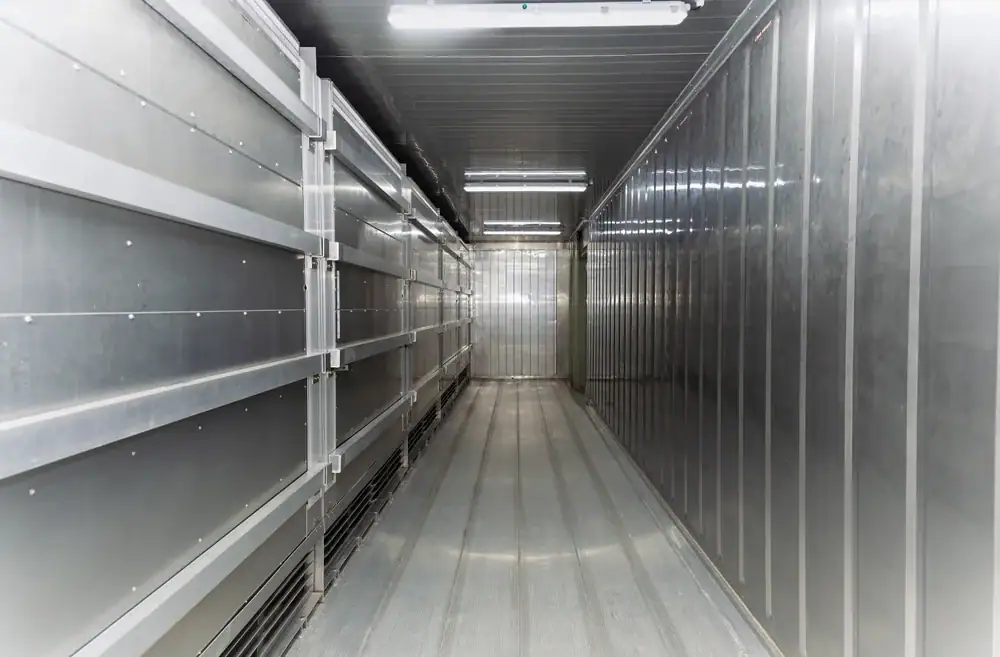
Your walk-in cooler keeps running through Friday dinner rush. Your compressor doesn’t fail when you’ve got $8,000 in seafood inventory sitting in the box. Your energy bills drop because the system isn’t working 40% harder than it should.
That’s what proper refrigeration maintenance and installation get you. Not just equipment that works, but equipment that keeps working when you need it most.
Most commercial refrigeration systems fail at the worst possible time because they’ve been neglected. Dirty coils force compressors to run harder. Salt air from Huntington Bay corrodes components. Small problems turn into expensive failures. You’re looking at thousands in spoiled inventory, lost revenue from being shut down, and emergency repair bills that could’ve been prevented.
We’ve spent 40+ years keeping commercial refrigeration systems running in Lloyd Harbor and across Long Island. We know what fails, when it fails, and how to prevent it. More importantly, we know how to respond when prevention wasn’t enough and you need someone at 8 PM on a Friday.
Chill Xpert Solutions has handled commercial refrigeration and marine HVAC throughout the Greater New York area for over four decades. That’s not marketing speak. That’s 40+ years of compressor replacements, walk-in cooler installations, emergency repairs at yacht clubs, and custom beer systems for restaurants that other contractors wouldn’t touch.
We work on refrigeration systems at airports, catering halls, waterfront restaurants, delis, and marine facilities. The complex jobs. The ones where you can’t just swap a part and call it done.
Lloyd Harbor’s coastal environment is tough on refrigeration equipment. Salt air corrodes coils and components faster than inland locations. Summer heat makes compressors work harder. Seasonal demand from waterfront dining creates usage patterns that stress systems differently. We’ve seen it all, fixed it all, and we know what actually works here.
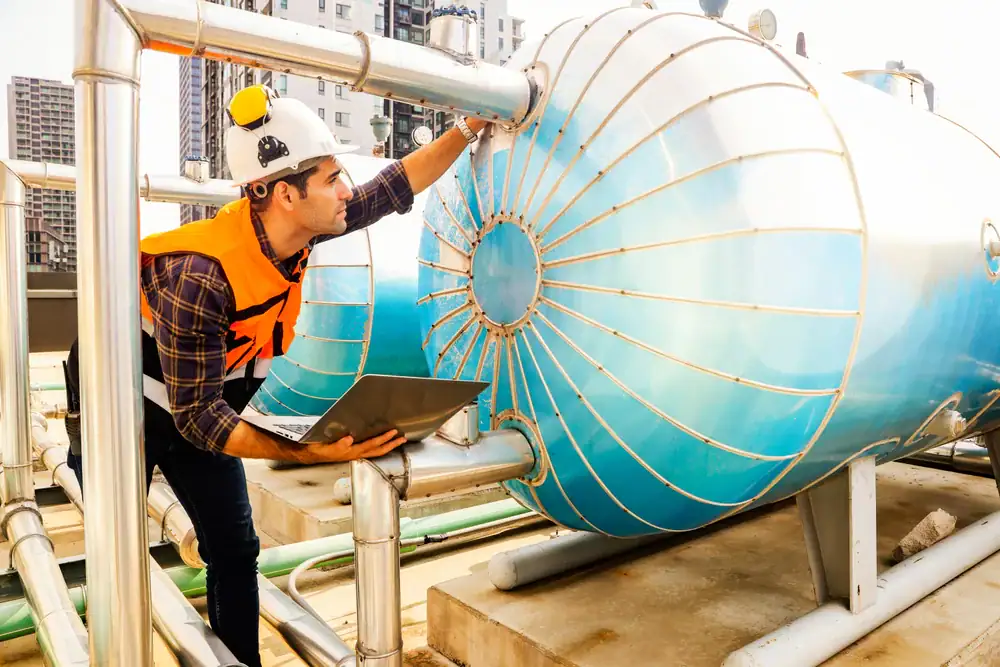
First, we actually show up. For emergencies, that means 24/7 availability. For installations and maintenance, that means scheduling that works around your business hours, not ours.
We assess what’s happening with your refrigeration system. Not what we think is happening. Not what should be happening based on the manual. What’s actually happening with your specific equipment in your specific environment. If it’s an emergency, we diagnose the problem and explain your options clearly. If it’s an installation, we evaluate your space, your needs, and your budget to recommend systems that make sense.
Then we do the work. For repairs, that means fixing the actual problem, not just the symptom. For installations, that means proper sizing, proper placement, and proper setup so the system runs efficiently from day one. For maintenance, that means cleaning coils, checking refrigerant levels, inspecting electrical connections, and catching small problems before they become expensive failures.
You get transparent pricing before we start. No surprises. No hidden costs. Just clear communication about what needs to happen and what it costs.
After the work is done, we make sure everything is running correctly. We don’t just flip the switch and leave. We verify temperatures, check for leaks, and confirm the system is operating efficiently.
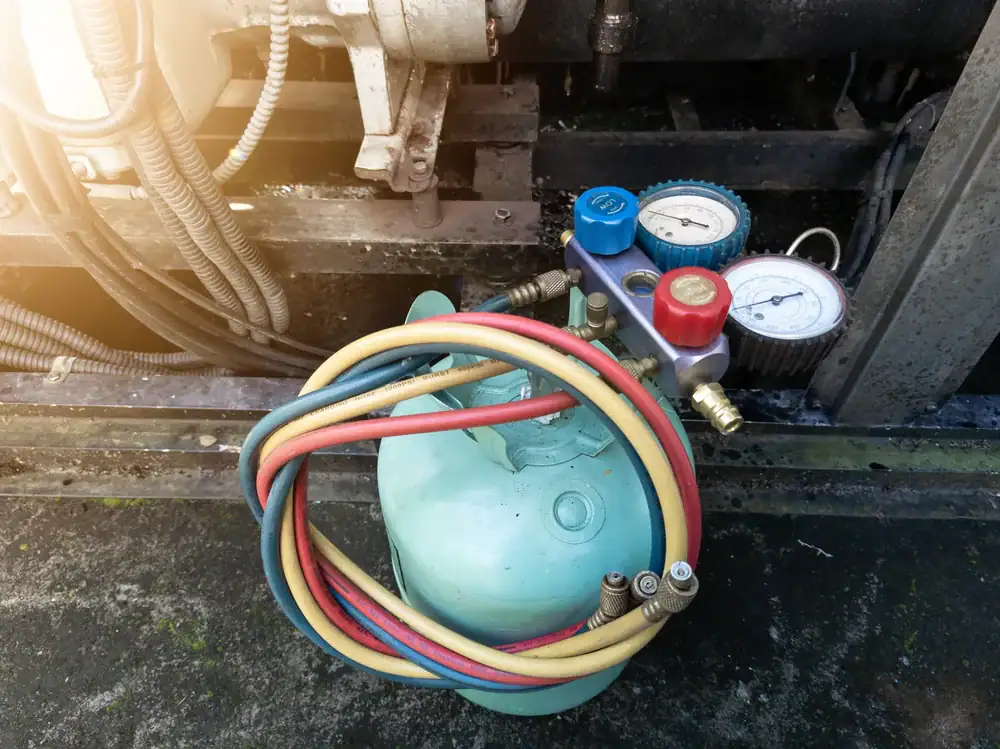
Ready to get started?
We install new commercial refrigeration systems sized correctly for your space and usage. Walk-in coolers and freezers. Reach-in units. Display cases. Ice machines. Custom beer systems. Marine refrigeration for yacht clubs and vessels. If it needs to stay cold in a commercial environment, we handle it.
We maintain existing systems so they last longer and cost less to run. Coil cleaning that actually matters in Lloyd Harbor’s salt air environment. Refrigerant checks. Electrical inspections. Preventive maintenance that catches problems early. Well-maintained systems use 25% less electricity and routinely last 15+ years instead of failing after 7.
We repair systems when they break. Compressor failures. Refrigerant leaks. Electrical problems. Control issues. We stock common parts and maintain supplier relationships across Long Island so we can source components quickly, even for older equipment.
We respond to emergencies 24/7 because your walk-in cooler doesn’t care that it’s 9 PM on Saturday. When you’re looking at thousands in spoiled inventory and a dining room full of customers, you need someone who answers the phone and shows up fast.
Lloyd Harbor restaurants face unique challenges. Waterfront locations mean salt air exposure. Seasonal tourism creates demand spikes. High-end dining means expensive inventory at risk. We understand these factors because we’ve been handling them for decades throughout Long Island’s coastal communities.
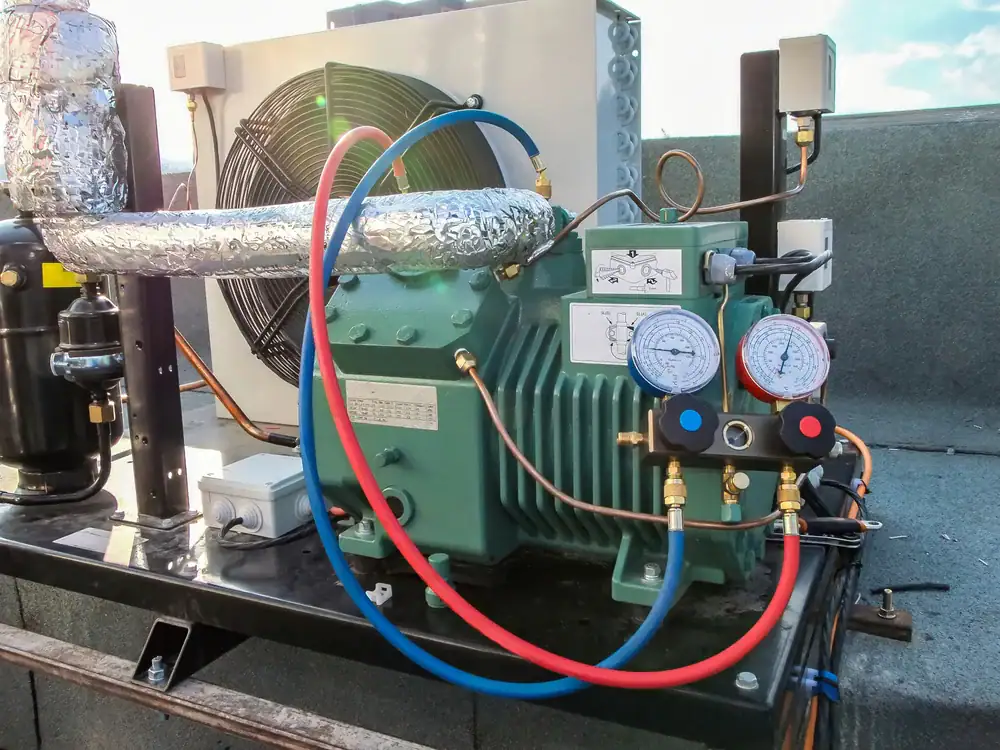
We offer 24/7 emergency response for commercial refrigeration failures. Response time depends on our current service calls and your location, but we prioritize emergencies where inventory is at risk or operations are shut down.
When you call with an emergency, you talk to someone who can actually help, not an answering service. We assess the situation, provide an estimated arrival time, and dispatch a technician with the diagnostic tools and common parts needed for most repairs.
For Lloyd Harbor specifically, we’re familiar with the area and maintain relationships with local businesses. We know which restaurants can’t afford to be down during weekend dinner service. We know which delis have the highest inventory risk. We know which marine facilities need immediate response because they’re serving yacht club members who expect premium service. That local knowledge helps us prioritize appropriately and respond effectively.
Salt air is the biggest factor. Huntington Bay’s coastal environment means your refrigeration equipment is constantly exposed to corrosive salt particles that attack coils, electrical connections, and metal components. This accelerates wear and causes failures that inland businesses don’t see as frequently.
Dirty coils are the second major cause. When coils get caked with dust, grease, and salt residue, your compressor has to work 40% harder to maintain temperature. That extra strain shortens compressor life significantly and increases energy costs. Most businesses skip coil cleaning until something breaks, which is exactly backwards.
Lack of maintenance is the third factor. Small refrigerant leaks, worn electrical connections, failing capacitors—these problems start small but cascade into expensive failures if ignored. A $200 capacitor replacement becomes a $3,000 compressor replacement when the capacitor fails and takes the compressor with it. Regular maintenance catches these issues early when they’re cheap to fix.
Maintenance saves money two ways: fewer emergency repairs and lower energy costs. A well-maintained system uses about 25% less electricity than a neglected one. For a typical restaurant with multiple refrigeration units, that’s $200-400 per month in reduced utility bills.
Emergency repairs cost more than scheduled maintenance in every scenario. You’re paying premium rates for after-hours service. You’re often paying for rushed parts delivery. You’re losing revenue from downtime. You’re risking thousands in spoiled inventory. A Friday night compressor failure can easily cost $5,000-8,000 when you factor in the emergency repair, lost revenue, and spoiled food.
Equipment lifespan matters too. Maintained systems routinely last 15+ years. Neglected systems often fail after 7-10 years. A walk-in cooler system costs $8,000-15,000 to replace. Getting an extra 5-8 years from proper maintenance represents significant savings, especially when you factor in the avoided disruption of a full replacement during your busy season.
Experience with your specific type of operation matters most. A contractor who mainly works on residential AC units won’t understand the demands of a busy restaurant kitchen. A contractor who’s never worked in coastal environments won’t anticipate salt air corrosion issues. You want someone who’s handled installations and repairs in businesses like yours, in environments like yours.
24/7 availability is critical for food service operations. Your refrigeration doesn’t fail during business hours. It fails at 8 PM Friday when you’re slammed. If your contractor doesn’t answer emergency calls or takes 12 hours to respond, you’re looking at massive losses from spoiled inventory and lost revenue.
Licensing, insurance, and EPA certification are non-negotiable. Commercial refrigeration work requires proper licensing in New York State. Refrigerant handling requires EPA certification. Adequate insurance protects you if something goes wrong during installation or repair. Any contractor who can’t provide proof of these credentials shouldn’t be touching your equipment.
Parts access and supplier relationships determine how quickly repairs get completed. We stock common parts and maintain relationships with suppliers across Long Island. That means we can often complete repairs in one visit instead of ordering parts and coming back days later while your equipment sits broken.
Age is the first factor. Systems older than 12-15 years are usually better replaced than repaired, especially if they need major component work. Compressor replacement on a 14-year-old system doesn’t make financial sense when the rest of the components are also near end-of-life.
Repair frequency matters. If you’re calling for repairs multiple times per year, you’re spending more on patches than you’d spend on a new system with a warranty. One major repair might make sense. Three or four repairs per year means the system is telling you it’s done.
Energy costs provide another signal. If your utility bills have climbed significantly despite similar usage, your refrigeration system is likely running inefficiently. Older systems also use refrigerants that are being phased out, making future repairs more expensive as refrigerant costs increase.
We’ll tell you honestly whether repair or replacement makes more sense for your situation. Sometimes a $1,500 repair on a 6-year-old system is the right call. Sometimes an $800 repair on a 13-year-old system is throwing money away. We explain the math clearly so you can make an informed decision based on your budget and timeline.
Proper sizing comes first. Undersized units run constantly and fail early. Oversized units cost more upfront and cycle on and off too frequently, which also shortens lifespan. We calculate the right size based on your space dimensions, product volume, door opening frequency, and ambient temperature conditions.
Site preparation includes electrical work, proper drainage, and adequate ventilation. Walk-in coolers need dedicated electrical circuits sized for the compressor load. Condensate drains need to be properly installed and pitched. Outdoor condensing units need adequate airflow and protection from the elements. In Lloyd Harbor’s coastal environment, we also consider salt air exposure and recommend protective coatings for outdoor components.
Installation involves assembling the insulated panels, installing the refrigeration system, connecting electrical and controls, and testing everything thoroughly. For NSF-certified walk-in coolers required by health departments, we ensure all components meet food service standards. We verify proper temperature performance before we consider the job complete.
Ongoing maintenance starts immediately. Even new systems need regular coil cleaning, especially in salt air environments. We set you up with a maintenance schedule that protects your investment and keeps the system running efficiently for its full expected lifespan.