
Hear from Our Customers
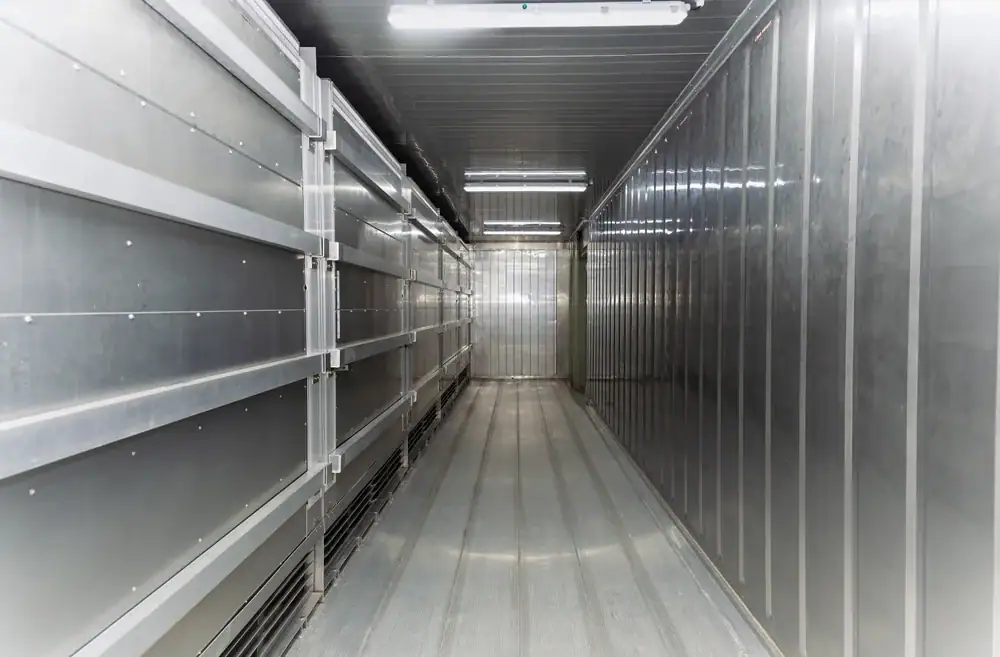
Your walk-in stays at 38 degrees all summer. Your compressor doesn’t scream every time the AC kicks on. Your energy bill stops climbing every month because we finally cleaned the coils and checked the refrigerant levels.
You’re not calling for emergency repairs during dinner rush. You’re not throwing away $3,000 worth of inventory because a door seal gave out overnight. You’re running your business instead of babysitting equipment that should just work.
Most refrigeration problems aren’t complicated. Dirty coils, worn door seals, and slow refrigerant leaks account for about 80% of what we fix. The problem is most businesses don’t call until something breaks. Then they’re surprised when their five-year-old system needs a $4,000 compressor replacement that a $129 spring tune-up would have prevented.
Long Island’s climate is particularly tough on commercial refrigeration. Summer heat makes your compressor work harder. Winter cold affects door seals. Constant humidity changes stress the entire system. If your equipment isn’t maintained for these conditions, you’re just waiting for the next breakdown.
We’ve been handling commercial refrigeration across Nassau and Suffolk County since the early 1980s. We’ve kept restaurants running through summer heat waves, fixed walk-in coolers at 2 AM, and installed systems in everything from airport terminals to yacht clubs.
We’re not the biggest company on Long Island. We’re the one that answers at midnight when your freezer stops working and you’ve got $8,000 worth of inventory at risk. Every technician on our team holds EPA Section 608 certification for refrigerant handling. We’re licensed and insured to work throughout New York State.
Manhasset businesses deal with the same problems as the rest of Long Island—humid summers that strain condensers, salt air that corrodes components near the water, and health inspectors who don’t care why your cooler is reading 45 degrees. We’ve seen it all, fixed it all, and we’ll tell you straight what you actually need versus what you don’t.
You call or submit a service request. If it’s an emergency, we typically respond within hours—not the next business day. For scheduled work, we’ll set up a time that doesn’t disrupt your operation.
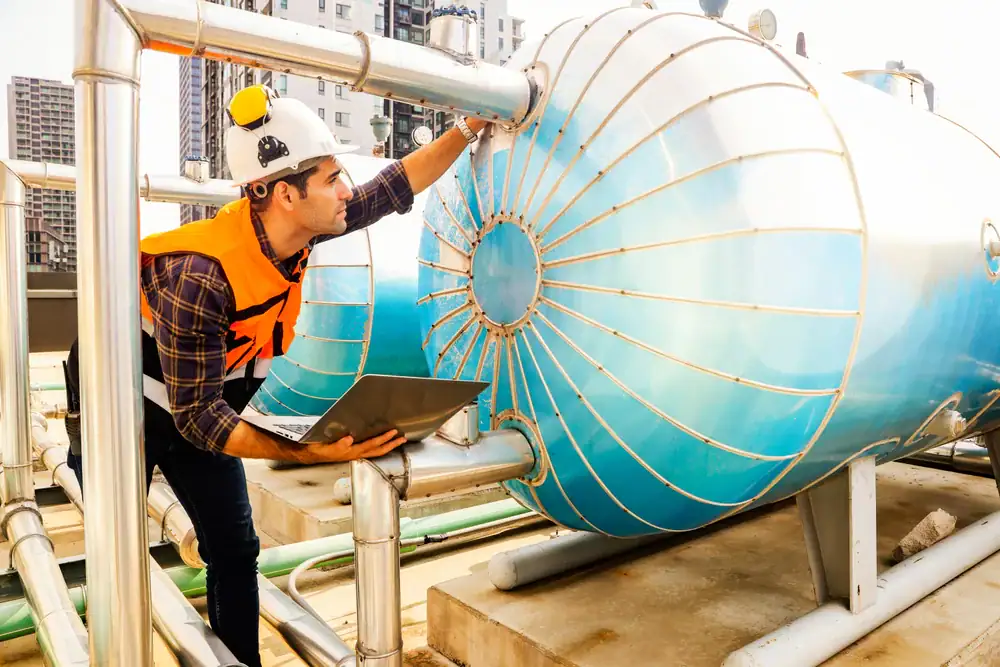
Our technician shows up with a fully stocked truck. We diagnose the problem and give you a clear explanation of what’s wrong and what it costs to fix before we start any work. No surprise charges. No hidden fees. If you’ve got a failing compressor, we’ll tell you. If you just need a $40 part and twenty minutes of labor, we’ll tell you that too.
Most emergency calls get fixed on the spot—about 70% of them. For the ones that don’t, we’ll get you a temporary solution to keep your business running while we order parts. If you need a new system installed, we’ll design it for your specific space and usage, not just sell you the biggest unit we have in stock.
After the work is done, you get a detailed invoice and warranty information. If you’re on a maintenance contract, we log everything in your equipment file so we can track patterns and catch problems before they become emergencies.
Ready to get started?
We service every type of commercial refrigeration equipment—walk-in coolers and freezers, reach-in refrigerators, ice machines, display cases, prep tables, and blast chillers. If it keeps food cold in a commercial setting, we work on it.
For restaurants and delis in Manhasset, that usually means walk-in cooler repairs, reach-in unit maintenance, and ice machine service. We also handle complex installations like custom beer systems for bars and specialized marine HVAC for boats docked at nearby marinas. Some jobs require someone who’s done it before—we’re that company.
New installations get designed for Long Island’s climate. Your condensing unit needs proper airflow even during July heat waves. Your evaporator coils need to handle humidity without icing over. Your door seals need to work in both summer and winter temperature swings. We spec everything based on your actual usage, not generic manufacturer recommendations.
Maintenance contracts include priority emergency service, discounted repair rates, and scheduled tune-ups that extend your equipment lifespan from 10 years to 15-20 years. We use authentic manufacturer parts because aftermarket components fail faster and void warranties. Every repair comes with our 100% parts and labor warranty.
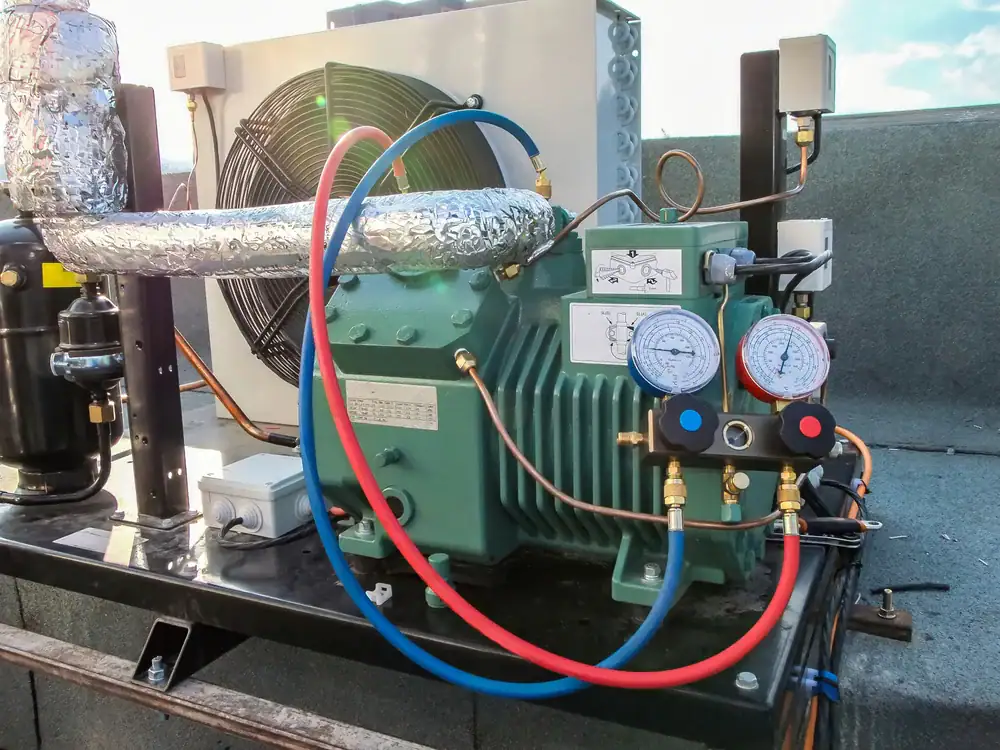
We offer 24/7 emergency service across Nassau County, and response times typically run within a few hours—not the next day. When you call at 11 PM because your walk-in cooler just failed, you’re talking to someone who can dispatch a technician immediately.
Real example: A restaurant owner in Patchogue called us at 11 PM on a Saturday with a failed walk-in cooler and $8,000 worth of inventory at risk. We had a technician there within 45 minutes. Turned out to be a tripped breaker and a failed relay—fixed in under an hour.
Not every emergency is that simple, but about 70% of our emergency calls get resolved on the first visit. For the others, we’ll get you a temporary solution to protect your inventory while we order parts. Every hour your system is down costs you money in lost product and lost revenue. We get that, which is why we actually show up when we say we will.
Real maintenance means cleaning condenser coils, checking refrigerant levels, testing door seals, inspecting electrical connections, and catching small problems before they become expensive failures. Most businesses skip this until something breaks, then wonder why their repair bill is so high.
A typical maintenance visit takes about an hour per unit. We clean the coils—which is where most efficiency problems start. We check refrigerant levels and look for leaks. We test all electrical components and replace anything that’s wearing out. We inspect door gaskets because a bad seal can cost you hundreds in wasted energy every month.
Here’s what that prevents: A $129 spring tune-up catches a slow refrigerant leak and a worn fan motor. If you skip it, that leak gets worse over summer, your compressor works harder to compensate, and by August you’re looking at a $4,000 emergency replacement. The cost of maintenance is always less than the cost of emergency repairs and lost inventory.
A properly maintained commercial refrigeration system should last 15-20 years. Without maintenance, you’re looking at 10 years or less. The difference is whether you’re cleaning coils, checking refrigerant, and replacing worn components before they fail.
Your compressor is the most expensive component, and it’s also the most sensitive to neglect. Dirty coils make it work harder. Low refrigerant makes it run hotter. Worn electrical connections cause voltage spikes. All of that shortens its lifespan. A compressor replacement can cost $3,000-$6,000 depending on the system size.
Long Island’s climate doesn’t help. Summer humidity makes your system work harder. Salt air near the water corrodes components faster. Temperature swings stress seals and gaskets. If you’re near Manhasset Bay or anywhere else close to the water, your equipment needs more frequent maintenance than the manufacturer’s generic schedule recommends. We adjust our service intervals based on your actual operating conditions, not what the manual says.
Dirty condenser coils cause about 40% of the problems we see. When coils get clogged with dust and debris, your system can’t release heat efficiently. The compressor works harder, runs hotter, and eventually fails. This is completely preventable with regular cleaning.
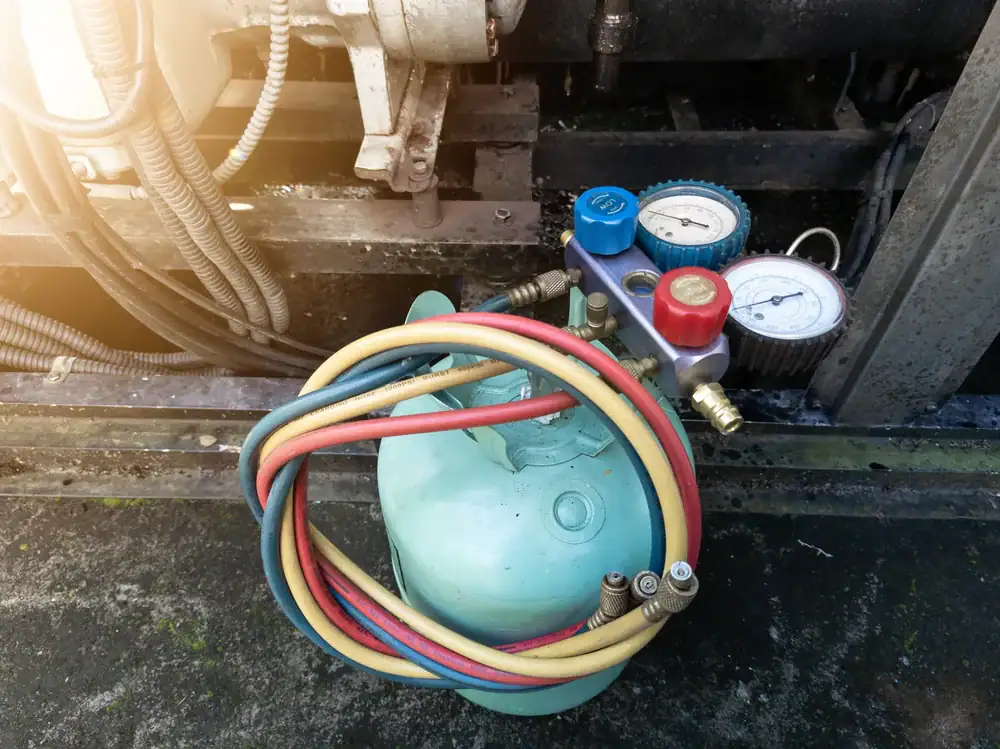
Refrigerant leaks are another common issue—usually from vibration, corrosion, or poor installation. You’ll notice your system running constantly but not maintaining temperature. By the time most people call us, they’ve already lost product. We find the leak, repair it, and recharge the system with the correct refrigerant type.
Door seal failures waste energy and cause temperature fluctuations that risk food safety violations. A worn gasket lets warm, humid air into your cooler. Your system runs constantly trying to compensate. Your energy bill climbs. Your compressor wears out faster. We check door seals on every maintenance visit because replacing a $60 gasket is cheaper than explaining to the health inspector why your cooler is reading 45 degrees.
Yes. Marine HVAC and refrigeration systems are actually one of our specialties. Boats present unique challenges—tight spaces, saltwater corrosion, constant vibration, and electrical systems that need to work reliably when you’re miles offshore.
We’ve installed and serviced refrigeration systems on everything from small fishing boats to large yachts docked at marinas throughout Nassau and Suffolk County. Marine systems require different components than land-based commercial refrigeration. Everything needs to be corrosion-resistant and able to handle the constant motion and vibration of being on the water.
Most HVAC companies won’t touch marine work because it requires specialized knowledge and different parts. We’ve been doing it for decades. If you’ve got a yacht club, marina, or commercial fishing operation in the Manhasset area, we can handle your refrigeration and climate control needs. We understand the unique requirements and we stock the right parts to get the job done correctly.
A maintenance contract typically costs $400-$800 per year depending on how many units you have. An emergency compressor replacement costs $3,000-$6,000. An emergency service call at 2 AM costs double or triple the normal rate—and that’s before we even fix anything.
Here’s the math that matters: Regular maintenance catches problems early when they’re cheap to fix. A worn fan motor costs $200 to replace during a scheduled visit. If you wait until it fails during dinner rush on a Saturday night, you’re paying emergency rates plus the cost of lost revenue while your system is down.
The bigger cost is lost inventory. When your walk-in cooler fails overnight and you don’t discover it until morning, you could be throwing away thousands of dollars in spoiled food. Most health departments require you to discard anything that’s been above 41 degrees for more than four hours. We’ve seen restaurants lose $10,000 worth of inventory from a single equipment failure. A maintenance contract that prevents that failure pays for itself many times over.