Hear from Our Customers
You’re not losing inventory to temperature swings. You’re not scrambling for emergency service at 2 AM during your busiest season. Your energy bills aren’t climbing every month because a failing compressor is working overtime.
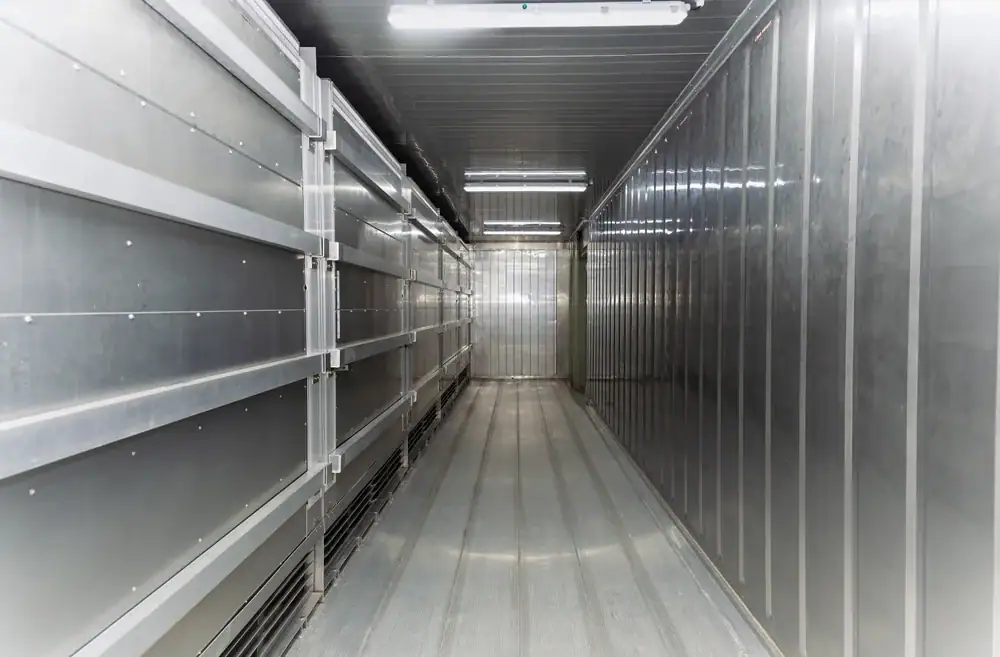
Your walk-in cooler maintains consistent temperature even during summer heat. Your reach-in units aren’t frosting over or leaving condensation on your product. Your staff isn’t constantly adjusting thermostats or dealing with door seal issues.
The health inspector shows up and your logs are clean. Your equipment lasts 15 years instead of 8 because someone’s actually maintaining it. You’re spending money on growing your business instead of replacing compressors that died early.
That’s what proper commercial refrigeration looks like. Not just equipment that turns on, but systems designed for Long Island’s humidity, maintained for the marine environment, and backed by someone who answers when you call.
We’ve been handling commercial refrigeration and marine HVAC in Merrick and across Long Island for over 40 years. We’ve seen every type of failure, every brand of equipment, and every creative way salt air can destroy a condenser.
We work with restaurants along Merrick Road, delis on Sunrise Highway, catering halls, and marine businesses from the Nautical Mile to Montauk. The pizza shop owner who needs a new walk-in installed and permitted gets the same attention as the yacht club managing an entire fleet.
Our trucks are stocked for emergencies because we know you can’t wait three days for a part. Our team handles everything from initial design and permitting to installation, training your staff, and setting up maintenance schedules. We’re available 24/7 because refrigeration doesn’t fail on a convenient schedule.
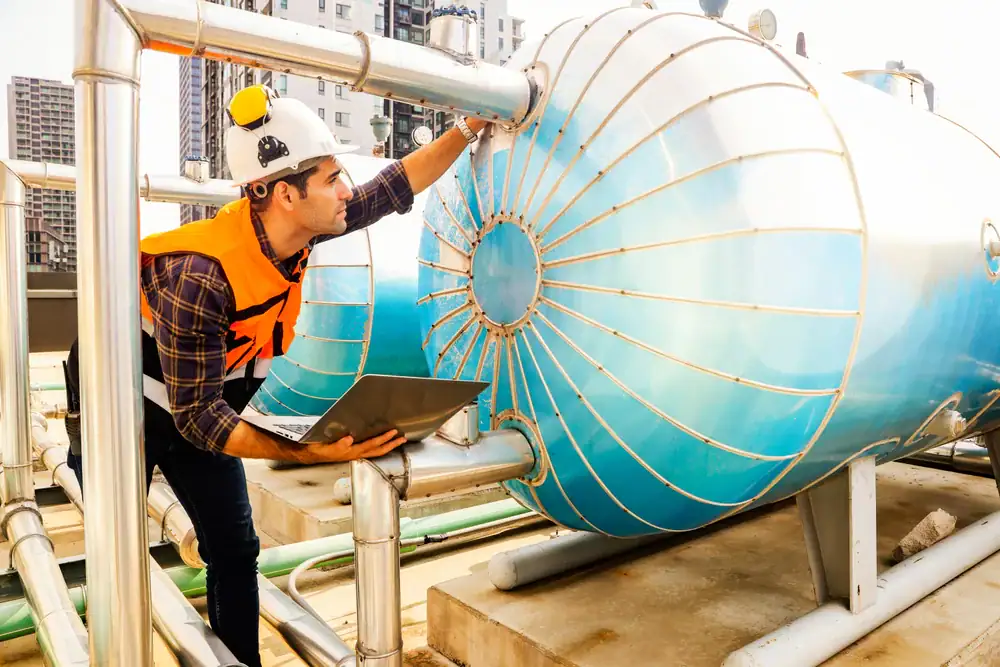
For new installations, we start with your space and your needs. What are you storing? What’s your volume? What are your hours? We’re sizing systems based on actual use, not just square footage, because a deli with constant door openings needs different capacity than a catering hall’s prep cooler.
We handle permits, electrical connections, health department compliance. You get one point of contact managing the entire project. After installation, we train your staff on proper use and set up your maintenance schedule before we leave.
For repairs, we answer 24/7. You describe the problem, we ask a few questions, and we’re on our way. Our trucks carry parts for major brands, so roughly 70% of emergency calls get fixed on the first visit. If we need to order something, we’re giving you options to keep things cold while we wait.
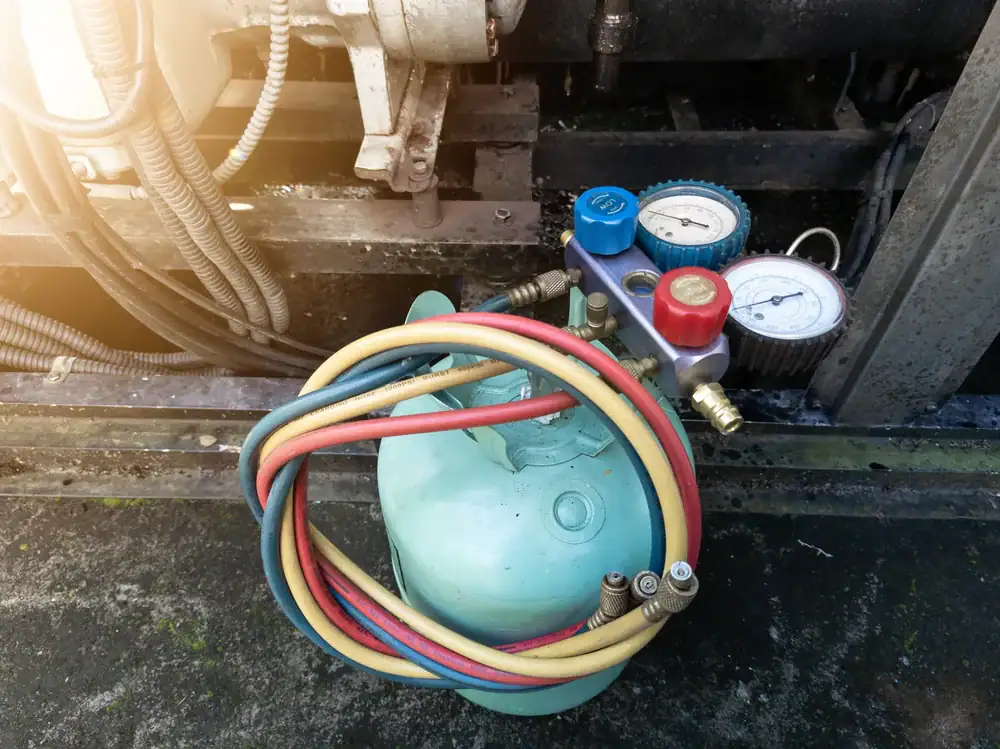
Maintenance customers get scheduled service twice a year minimum. We’re cleaning coils, checking refrigerant levels, testing door seals, adjusting hinges, and catching problems before they become expensive failures. You get a report after every visit showing what we found and what needs attention soon.
Ready to get started?
Your refrigeration system needs to handle Merrick’s environment. Summer humidity makes condensers work harder. Salt air from the bay attacks outdoor components. Temperature swings from season to season stress seals and gaskets.
We’re installing systems designed for these conditions. Coated coils that resist corrosion. Properly sized condensers that aren’t maxed out on hot days. Door seals and gaskets rated for constant use. Energy-efficient compressors that reduce your operating costs while maintaining consistent temperature.
Restaurants along Merrick Avenue dealing with lunch and dinner rushes need equipment that recovers quickly when doors open constantly. Delis storing prepared foods need precise temperature control to meet health department standards. Catering operations need walk-in capacity that handles large volume storage before events.
Your installation includes everything required to pass inspection and start operating legally. We’re coordinating with electricians if needed, pulling permits, scheduling inspections, and making sure you’re compliant before you store the first item. Marine applications get the same attention, whether it’s a yacht’s climate control system or a marina’s bait storage.
Maintenance programs are built around your equipment and your schedule. High-use equipment gets more frequent service. Marine environments get quarterly attention because salt air doesn’t take breaks. You’re not paying for unnecessary visits, but you’re covered when problems start developing.
We answer calls 24/7 and dispatch immediately for emergencies. Response time depends on where our trucks are and what else is happening, but we’re typically on-site within a few hours for true emergencies in Merrick and surrounding Nassau County areas.
When you call, we’re asking questions to understand severity. A walk-in cooler climbing toward 50 degrees with thousands in inventory at risk gets priority over a reach-in unit that’s running but not quite cold enough. We’re also troubleshooting over the phone when possible because sometimes the fix is simple.
Our emergency trucks carry common parts for major brands. Contactors, relays, thermostats, door gaskets, fan motors. About 70% of emergency calls get resolved on the first visit. For bigger failures requiring compressor replacement or major components, we’re giving you options to keep things cold temporarily while we order parts and schedule the repair.
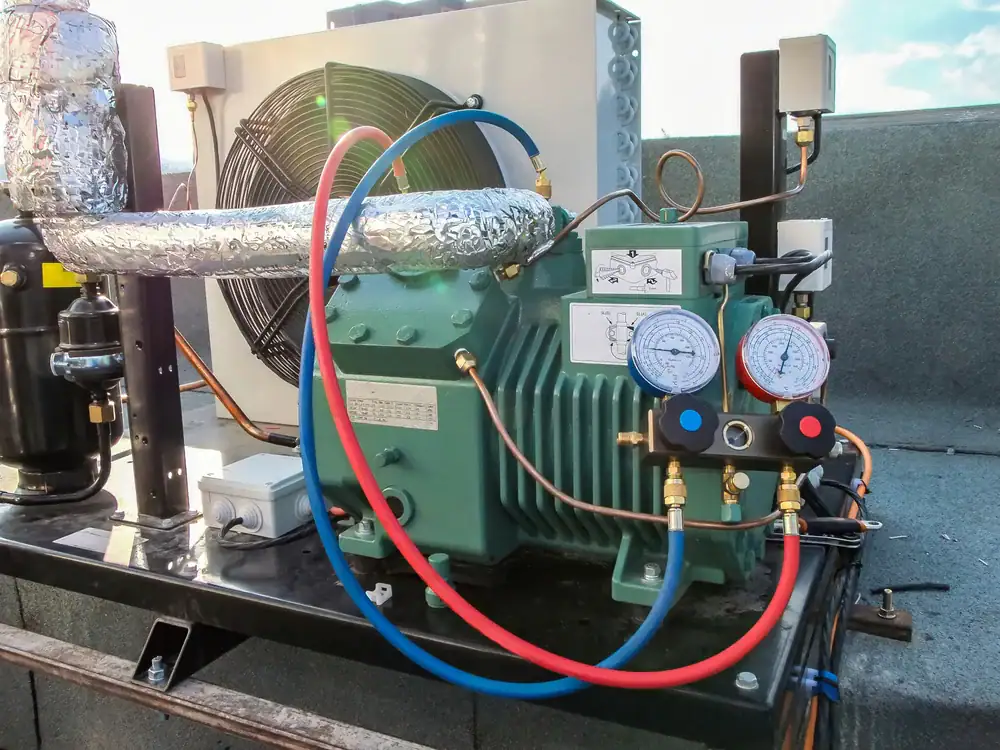
Maintenance visits include cleaning condenser coils, checking refrigerant levels and pressures, testing all electrical connections, inspecting door seals and gaskets, lubricating hinges and moving parts, verifying thermostat accuracy, and checking drain lines for clogs.
We’re looking for early warning signs. A compressor drawing slightly high amperage. A door seal that’s starting to crack. A fan motor that’s louder than it should be. Catching these issues early means scheduling repairs during slow periods instead of dealing with failures during dinner rush.
You get a written report after every visit showing what we found, what we fixed, and what needs attention in the next few months. For equipment in marine environments or high-humidity areas, we’re recommending quarterly service because salt air and constant moisture accelerate wear. Standard commercial installations typically need service twice yearly, but high-use equipment might need more frequent attention.
Maintenance customers get priority scheduling for repairs and discounted service rates. More importantly, well-maintained systems last years longer and use significantly less energy than neglected equipment.
Age and repair cost are the main factors. Quality commercial refrigeration equipment should last 10-15 years with proper maintenance. If your system is under 7 years old and the repair costs less than half of replacement, repair usually makes sense. If it’s over 12 years old and needs major component replacement, you’re often better off replacing.
We’re honest about this because we’d rather have you spend money wisely than waste it on repairs that buy you six months. A compressor replacement on a 6-year-old walk-in cooler makes sense. The same repair on a 14-year-old unit with corroded coils and worn door seals is throwing money at a system that’s going to need more work soon.
Energy efficiency matters too. Older systems use significantly more electricity than modern equipment. Sometimes the energy savings from a new system pay for the upgrade over a few years. We’re running those numbers for you so you can make an informed decision.
If you’re repairing constantly, that’s another sign. One emergency repair is normal. Three repairs in six months means the system is failing and you’re better off replacing before you lose inventory to a complete breakdown.
Salt air, humidity, and temperature extremes. Coastal areas like Merrick deal with salt-laden air that corrodes outdoor components faster than inland locations. Condensers and coils need coating or more frequent cleaning to survive. Standard equipment that lasts 15 years inland might fail in 8-10 years near the water without proper maintenance.
Summer humidity makes systems work harder. Your compressor isn’t just fighting temperature, it’s fighting moisture. Condensers struggle to dissipate heat effectively in humid air. Door seals and gaskets deteriorate faster. Drain lines clog more frequently because there’s more condensation to manage.
Winter temperature swings stress systems too. Equipment that’s working hard in July and sitting idle in January experiences expansion and contraction that can crack seals and loosen connections. Marine applications face even tougher conditions with constant motion, limited electrical capacity, and space constraints that require specialized equipment.
We’re installing systems designed for these conditions and maintaining them accordingly. Restaurants along the Nautical Mile get quarterly coil cleanings. Marine HVAC systems get corrosion-resistant components. Equipment in high-humidity environments gets more frequent drain line service. It’s not one-size-fits-all because Long Island’s environment isn’t standard.
Yes, and that’s actually the better approach. When we install your system, we know exactly how it’s configured, what components are installed, and what quirks to watch for. We’re not learning your equipment during the first maintenance visit or trying to figure out someone else’s installation during an emergency.
Installation includes complete project management. We’re handling design, equipment selection, permits, electrical coordination, health department compliance, installation, testing, and staff training. You get one point of contact managing everything instead of coordinating between multiple contractors.
After installation, we’re setting up your maintenance schedule before we leave. You’re not hunting for a maintenance company six months later when you remember you should probably have someone look at the system. We’re already in your schedule, and we already know your equipment.
This matters during emergencies too. When you call at midnight because something failed, we have your equipment history, we know what parts you need, and we can troubleshoot more effectively because we installed the system. We’re not showing up cold trying to figure out an unfamiliar setup while your inventory is at risk.
Emergency service calls typically start around $200-300 just to show up and diagnose, then parts and labor on top of that. A simple repair like replacing a thermostat or door gasket might run $300-500 total. Bigger repairs like fan motor or compressor replacement can run $1,500-5,000 depending on system size and component cost.
Maintenance programs usually run a few hundred dollars per visit depending on equipment quantity and complexity. A single walk-in cooler costs less to maintain than a full restaurant with multiple reach-ins, a walk-in, and ice machines. Marine HVAC systems cost more because they’re more complex and require specialized knowledge.
New installations vary widely based on size and application. A small reach-in unit might cost $3,000-6,000 installed. A walk-in cooler for a restaurant could run $15,000-40,000 depending on size, with larger systems for supermarkets or catering operations costing significantly more.
The real cost isn’t the service call or maintenance visit. It’s losing $8,000 in inventory because your walk-in failed overnight. It’s closing early because your refrigeration is down and you can’t serve food safely. It’s replacing a system at 8 years instead of 15 because nobody maintained it. Proper maintenance costs a fraction of emergency repairs and extends equipment life by years.