Hear from Our Customers
You stop losing sleep over whether your walk-in will make it through the weekend. Your food stays at safe temperatures. Your energy bills become predictable instead of shocking.
When refrigeration systems fail in Munsey Park, the costs add up fast. Spoilage can eat 2-5% of your revenue in a single incident. Health inspectors don’t care that your compressor gave out on a Sunday. Your customers won’t return if their food tastes off because your display case ran warm all afternoon.
A properly maintained commercial refrigeration system does more than keep things cold. It protects your inventory, your reputation, and your bottom line. It runs efficiently through July heat waves and January freeze cycles without spiking your electric bill by 30%. It passes inspections. It lasts 15 years instead of needing replacement after seven.
That’s what you get when the system is installed correctly, maintained regularly, and repaired by people who actually know what they’re doing.
We’ve served commercial clients across Nassau County since the early 1980s. We’ve seen every type of refrigeration failure, from corroded evaporator coils in marine environments to compressor burnouts during summer heat spikes.
Our technicians hold EPA 608 certification and carry extensive parts inventory in their service vehicles. That’s why about 70% of our emergency calls get resolved the same day. We’re not showing up to diagnose and schedule a follow-up visit three days later.
We work with restaurants, delis, supermarkets, catering halls, medical facilities, and food processing operations throughout Munsey Park and the surrounding area. We also handle specialized applications like marine HVAC systems and custom beer cooling setups that most contractors won’t touch. When your refrigeration needs go beyond standard equipment, you need someone who’s actually done it before.
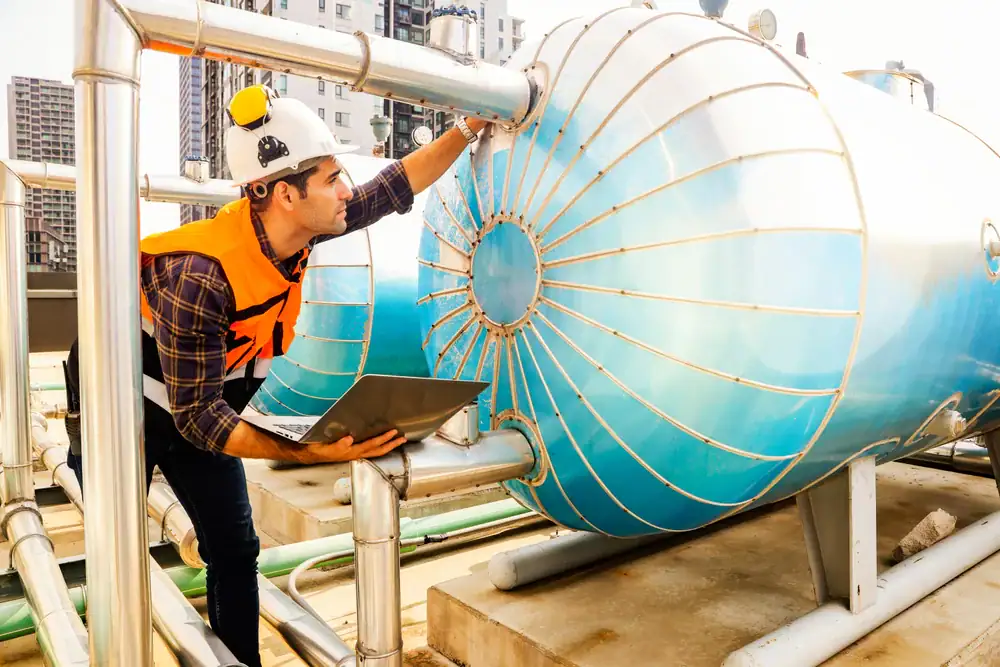
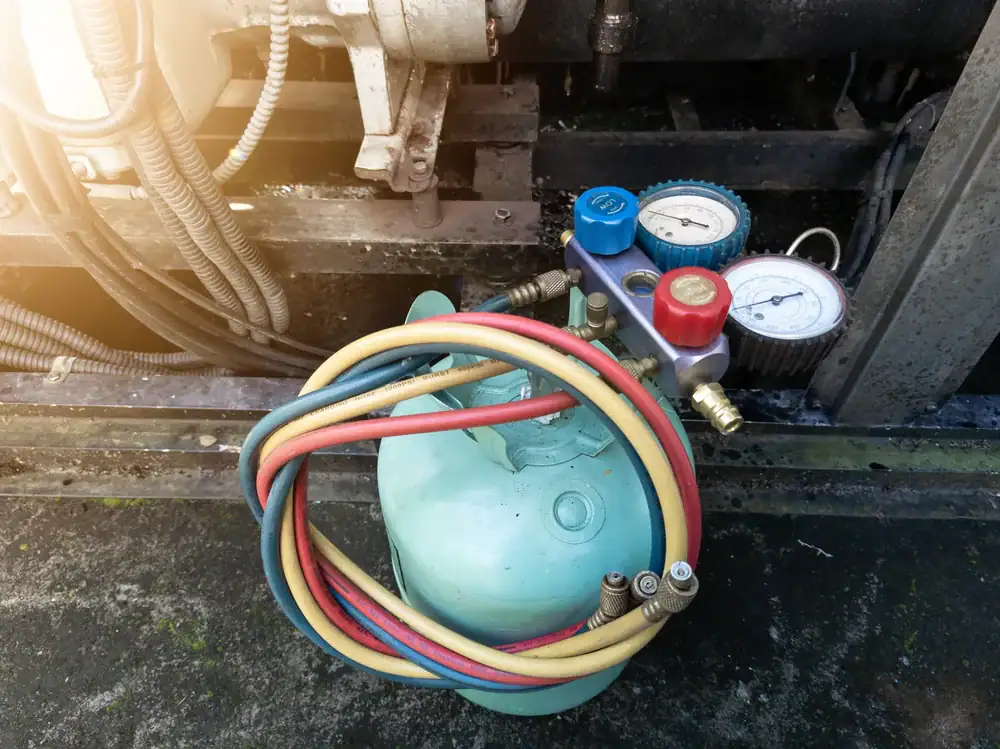
First, we assess what’s actually wrong. If it’s an emergency, we respond within hours, not days. Our technicians arrive with diagnostic tools and a truck stocked with common parts for commercial refrigeration equipment.
For installations, we start with your space and your needs. Walk-in coolers and freezers require proper insulation, correctly sized condensing units, and installation that accounts for Long Island’s climate. We handle the load calculations, the electrical requirements, and the refrigerant charging. You get a system that maintains consistent temperatures without overworking itself.
Repairs get done right the first time using manufacturer parts, not generic replacements that fail in six months. We fix the root cause, not just the symptom. If your evaporator coil is freezing over, we’re checking your defrost timer, your temperature sensor, and your refrigerant charge before we leave.
Maintenance visits catch problems before they become emergencies. We clean condenser coils, check refrigerant levels, test safety controls, and inspect door seals. Regular service extends equipment life and prevents the kind of breakdowns that happen at the worst possible time.
Ready to get started?
We handle all types of commercial refrigeration equipment. Walk-in coolers and freezers, reach-in units, prep tables, display cases, ice machines, beverage coolers, and blast chillers. If it keeps food cold in a commercial setting, we service it.
Munsey Park’s location on Long Island creates specific challenges for refrigeration systems. Summer humidity makes condensers work harder. Salt air from the coast corrodes components faster. Winter temperature swings stress compressors. Your equipment needs to handle all of it without failing during your busiest hours.
Energy efficiency matters more than most people realize. Commercial refrigeration typically accounts for 40% of energy consumption in food service operations. A system that’s low on refrigerant or has dirty coils can waste 15-25% more energy than necessary. That’s real money every month.
We also specialize in applications that require custom solutions. Marine HVAC systems for yacht clubs deal with space constraints and saltwater exposure. Brewery beer cooling systems need precise temperature control and specialized knowledge. Medical facilities require backup systems and temperature monitoring. These aren’t jobs you hand to a general HVAC contractor who’s never dealt with them before.
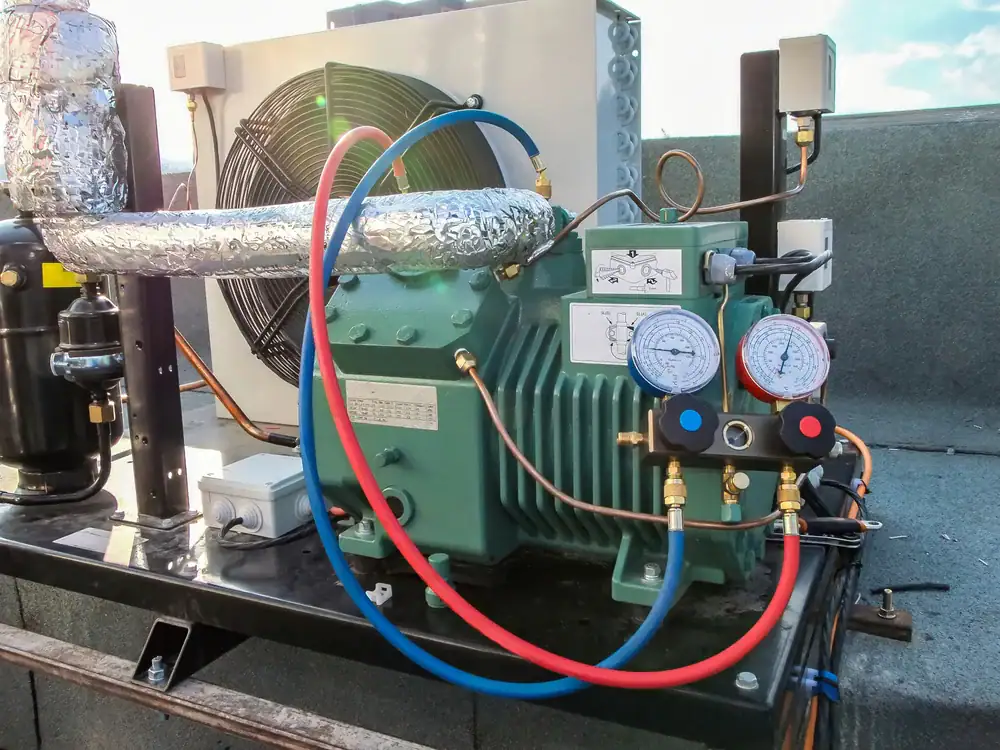
We run emergency service 24/7, 365 days a year. Response times are typically within hours, not the next business day.
When your walk-in goes down at 9 PM on a Saturday, you can’t wait until Monday morning. Every hour that refrigeration stays offline puts your inventory at risk and potentially violates health codes. The FDA requires perishable foods to stay below 41°F, and anything above that temperature for more than two hours may no longer be safe to serve.
Our technicians carry extensive parts inventory in their trucks. About 70% of emergency calls get fixed on the spot because we already have the relay, the contactor, the fan motor, or whatever else failed. We’re not making a second trip to get parts while your food spoils.
A complete maintenance visit includes cleaning condenser coils, checking refrigerant charge, testing all safety controls, inspecting door gaskets and hinges, verifying defrost cycles, and checking electrical connections.
Dirty condenser coils are one of the most common causes of compressor failure. When coils get clogged with dust and debris, your system has to work harder to reject heat. That increases energy consumption and shortens equipment life. We clean them thoroughly during every maintenance visit.
We also check for refrigerant leaks, test your temperature controls for accuracy, and make sure your defrost system is cycling properly. Small issues like a worn door gasket or a failing fan motor get caught before they turn into expensive emergency repairs. Regular maintenance typically extends equipment life from 10 years to 15 years or more, and it keeps your energy bills from creeping up over time.
Yes. We handle complete installation of walk-in coolers and walk-in freezers, including site preparation, insulation, refrigeration systems, and electrical work.
A proper walk-in installation starts with correct sizing. Your refrigeration system needs to handle your product load, the number of door openings per day, and the ambient temperature in your space. Undersized systems run constantly and fail early. Oversized systems short-cycle and don’t dehumidify properly.
We also account for Long Island’s climate when selecting equipment. Your condensing unit needs to handle summer temperatures that regularly hit the 90s while maintaining box temperatures in your cooler or freezer. We use quality insulation, proper vapor barriers, and commercial-grade refrigeration components that last. You get a system that maintains consistent temperatures, passes health inspections, and doesn’t need major repairs in the first five years.
Yes. We specialize in custom beer cooling systems for breweries and bars, plus marine HVAC and refrigeration for yacht clubs and boats.
Beer systems require precise temperature control and specialized knowledge of glycol cooling, line cleaning, and draft system setup. Most HVAC contractors have never worked on them. We’ve installed and serviced dozens of these systems across Long Island.
Marine applications are even more specialized. Space constraints on boats require compact, efficient equipment. Saltwater environments corrode components faster than land-based installations. Marine-grade refrigeration systems need different materials, different installation techniques, and technicians who understand the unique challenges. We’ve been servicing yacht clubs and marinas for decades, so we know how to handle these installations correctly.
Repair costs depend on what failed and what parts are needed. Minor repairs like replacing a relay or a fan motor typically run a few hundred dollars. Major repairs like compressor replacement can cost several thousand.
We give you a clear price before we start work. No hidden fees or surprise charges after the job is done. You’ll know exactly what the repair costs and what parts we’re using.
Here’s what affects the price: the type of equipment, the failed component, whether it’s under warranty, and how quickly you need it fixed. Emergency service outside normal business hours costs more than a scheduled repair. A compressor failure costs more than a bad thermostat. But you’ll always know the cost upfront, and we use authentic manufacturer parts that last instead of cheap replacements that fail again in six months.
Call us immediately. Temperature control failures put your inventory at risk and can lead to health code violations if food enters the danger zone above 41°F.
Don’t wait to see if it fixes itself. Refrigeration problems get worse, not better. A system that’s running warm might have low refrigerant, a failing compressor, dirty coils, or a bad expansion valve. The longer it runs in that condition, the more damage occurs and the more food you risk losing.
While you’re waiting for service, minimize door openings and avoid loading more product into the unit. Check that the condenser isn’t blocked and that the thermostat is set correctly. But don’t try to diagnose or repair it yourself unless you’re EPA certified to handle refrigerants. Call us for same-day emergency service, and we’ll get your system back to safe operating temperatures before you lose your inventory.