Hear from Our Customers
Your refrigeration system failing during Saturday dinner service isn’t just inconvenient. It’s thousands of dollars walking out the door in spoiled inventory, lost revenue, and customers you’ll never see again.
Most commercial refrigeration emergencies cost between $5,000 and $15,000 when you factor in repairs, lost product, and the business you lose while you’re scrambling. A single walk-in cooler breakdown can mean $2,000 in ruined food before the technician even arrives.
The restaurants, delis, and catering operations we work with in Nesconset don’t deal with that anymore. They get same-day response when equipment acts up, preventive maintenance that catches problems before they become expensive, and energy-efficient systems that cut their utility bills by up to 30%. Most importantly, they sleep better knowing someone’s actually going to pick up when they call at midnight because the compressor’s making that sound again.
We’ve been handling commercial refrigeration and marine HVAC across Nassau and Suffolk County since before most of your equipment was even manufactured. That’s over 40 years of compressor failures, refrigerant leaks, and 3 AM emergency calls from restaurants in Nesconset who can’t afford to wait until Monday.
You’re not getting a generalist who dabbles in refrigeration between furnace calls. Our technicians carry EPA Section 608 certification, stock their trucks with parts for the equipment you actually use, and have seen every failure mode your system can throw at them. We handle everything from straightforward reach-in repairs to complex custom beer systems that leave other contractors confused.
The Greek restaurants on Main Street, the bagel shops opening at 4 AM, the craft beer stores on Route 25A—they all need refrigeration systems that work every single day. Long Island’s humid summers and temperature swings are brutal on equipment, and you need someone who understands how climate affects performance and knows how to build systems that hold up.
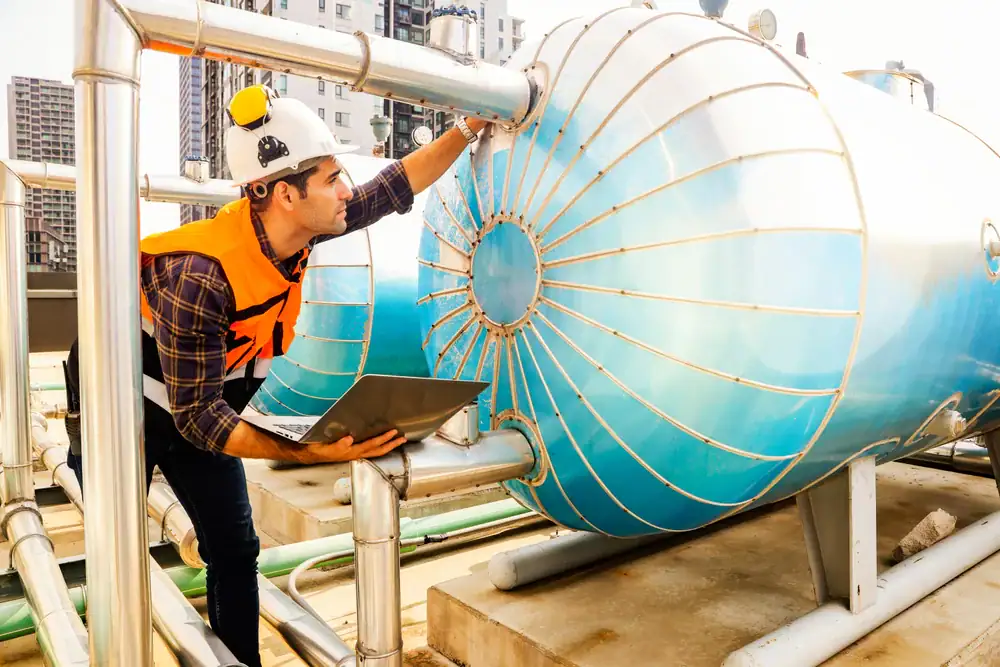
Emergency calls get prioritized immediately. You’re not going into a queue or waiting for a callback during business hours. We dispatch the closest available technician, usually within hours, and they show up with diagnostic tools and a truck stocked with the parts that fix 70% of commercial refrigeration problems on the spot.
For scheduled maintenance, we start with a complete system inspection—checking refrigerant levels, testing compressor function, cleaning condenser coils, calibrating temperature controls, and inspecting door seals and gaskets. Dirty coils alone can kill your efficiency by 30%, and most operators don’t even know it’s happening until their energy bill doubles.
If you need new equipment or a system upgrade, we walk the space, measure the load requirements, and spec out exactly what you need—not what’s easiest to install or what we have sitting in the warehouse. Installation gets scheduled around your operation, not our convenience. For restaurants and food service operations in Nesconset, that usually means working overnight or during your slowest hours so you’re not losing business while we’re working.
You get transparent pricing before any work starts. No surprise charges, no “we found another problem” upsells, no hidden fees that show up on the invoice later.
Ready to get started?
Commercial refrigeration in Nesconset means dealing with equipment that runs 24/7 in conditions that aren’t always ideal. Your walk-in cooler, reach-in units, prep tables, ice machines, and display cases are working harder here than they would in a controlled environment, and Long Island’s humidity makes everything worse.
Regular maintenance extends equipment life from the typical 10 years to 15-20 years, which is real money when you’re looking at $8,000-$15,000 to replace a walk-in system. Preventive service catches refrigerant leaks before they become emergency repairs, identifies failing compressors before they take out the whole system, and keeps you compliant with health department temperature requirements.
Energy efficiency matters more than most operators realize. Refrigeration systems account for roughly 40% of energy consumption in food service operations. Upgrading to modern, efficient equipment or just maintaining what you have properly can cut those costs significantly. We’re talking hundreds of dollars monthly for a typical restaurant operation.
The restaurants and delis we service in Nesconset get scheduled maintenance visits that include coil cleaning, refrigerant level checks, temperature calibration, door seal inspection, and electrical connection testing. Everything gets documented for health inspections, and you get a heads-up if something’s wearing out before it fails. That’s the difference between a planned repair during your slow season and an emergency call when you’re slammed.
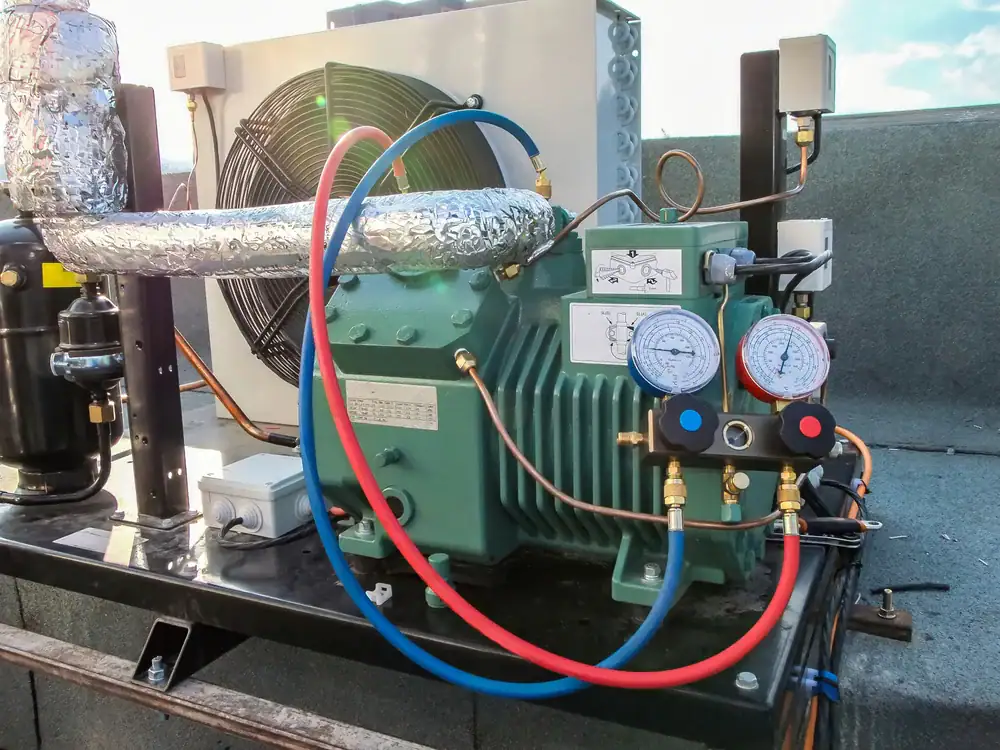
We dispatch immediately for emergency calls, and response time is typically within a few hours—not the next day or “sometime this week.” Our technicians cover Nassau and Suffolk County with fully stocked service vehicles, so the closest available tech gets sent to your location as soon as you call.
About 70% of emergency refrigeration repairs get completed the same day because our trucks carry the parts that actually fail most often. Compressor issues, refrigerant leaks, failed thermostats, electrical problems—we’re already carrying what’s needed to fix it. That matters when every hour of downtime costs you money in spoiled inventory and lost business.
If it’s something unusual that requires ordering a specific part, we’ll do everything possible to get your system limping along safely until the part arrives. We’re not leaving you with a dead cooler full of food and no options.
Preventive maintenance means we’re inspecting and servicing your equipment before problems develop into expensive failures. That includes cleaning condenser coils, checking refrigerant levels and looking for leaks, testing compressor function, calibrating temperature controls, inspecting door seals and gaskets, checking electrical connections, and testing defrost systems.
Dirty coils are one of the biggest efficiency killers—they can reduce cooling capacity by 30% and make your compressor work way harder than it should. Most operators don’t realize it’s happening until their energy bill spikes or the system can’t hold temperature during summer heat. Regular cleaning fixes that.
We also catch the small stuff before it becomes big stuff. A refrigerant leak that’s barely noticeable today becomes a complete system failure next month. A door seal that’s starting to deteriorate costs you money in wasted energy now and leads to temperature fluctuations that put you out of health code compliance later. Scheduled maintenance visits keep you ahead of those problems and give you documentation for health inspections.
The real cost isn’t just the repair bill—it’s everything that happens while your system is down. A typical emergency repair runs $1,500-$3,000 depending on what failed, but that’s only part of it. You’re also losing whatever inventory spoils, which can easily hit $2,000 or more for a walk-in cooler full of product.
Then there’s lost revenue while you can’t operate properly. If you’re a restaurant and your cooler dies Saturday afternoon, you’re either closing for dinner service or running to the grocery store buying whatever you can find at retail prices. Either way, you’re losing money. Most businesses see total costs between $5,000-$15,000 when you add up emergency repair premiums, spoiled inventory, lost sales, and operational disruption.
Preventive maintenance costs a fraction of that and reduces your chance of catastrophic failure significantly. Regular service catches problems early when they’re cheap to fix, extends equipment life, and keeps your energy costs down. The businesses we work with in Nesconset who stay on maintenance schedules deal with way fewer emergencies and spend less overall.
Yes—walk-in coolers and freezers, reach-in refrigerators and freezers, prep tables, display cases, ice machines, beverage coolers, and blast chillers. We also handle specialized applications like custom beer systems for breweries and bars, which most refrigeration contractors won’t touch because they don’t understand the temperature and pressure requirements.
We’re factory-authorized to service all major commercial refrigeration brands, and we maintain relationships with equipment suppliers across Long Island. That means we can source parts quickly, often same-day, instead of telling you it’ll be a week before we can even order what’s needed.
If your operation has unique requirements—marine HVAC for a yacht club, a complex multi-temperature system for a catering operation, custom cooling for specialty food storage—we’ve probably built or serviced something similar. Over 40 years in commercial refrigeration means we’ve seen most of what can go wrong and most of what businesses actually need.
Humidity is the biggest factor. Long Island summers are hot and humid, which makes your refrigeration equipment work significantly harder to maintain temperature. The compressor runs longer cycles, condenser coils get dirty faster, and the whole system is under more stress than it would be in a drier climate.
Temperature swings between seasons also affect performance. Door seals expand and contract, which can lead to gaps that let warm air in. Condensation issues get worse when there’s a big difference between inside and outside temperatures. Your equipment is constantly adjusting, and that wear adds up over time.
Systems that aren’t maintained properly fail faster here than they would in more moderate climates. That’s why regular service matters more in Nesconset than it might somewhere else. Coil cleaning, refrigerant level checks, and seal inspections aren’t optional maintenance—they’re what keeps your equipment running when Long Island weather is doing its worst.
Age and repair history tell you most of what you need to know. If your equipment is over 10-12 years old and you’re calling for repairs multiple times per year, replacement usually makes more financial sense than continuing to fix an aging system. Compressor failure in older equipment almost always tips the scale toward replacement because that repair alone costs nearly as much as new equipment.
Energy efficiency is the other major factor. Older refrigeration systems use significantly more power than modern equipment, and that cost adds up month after month. If your energy bills have been climbing or your system struggles to maintain temperature during summer, upgrading to efficient equipment often pays for itself within a few years through lower operating costs.
We’ll walk you through the actual math—repair cost versus replacement cost, current energy consumption versus what you’d use with new equipment, and how much life you can realistically expect from what you have now. Sometimes repair makes perfect sense. Sometimes you’re throwing money at equipment that’s going to fail again in six months. We’ll tell you which situation you’re in.