Hear from Our Customers
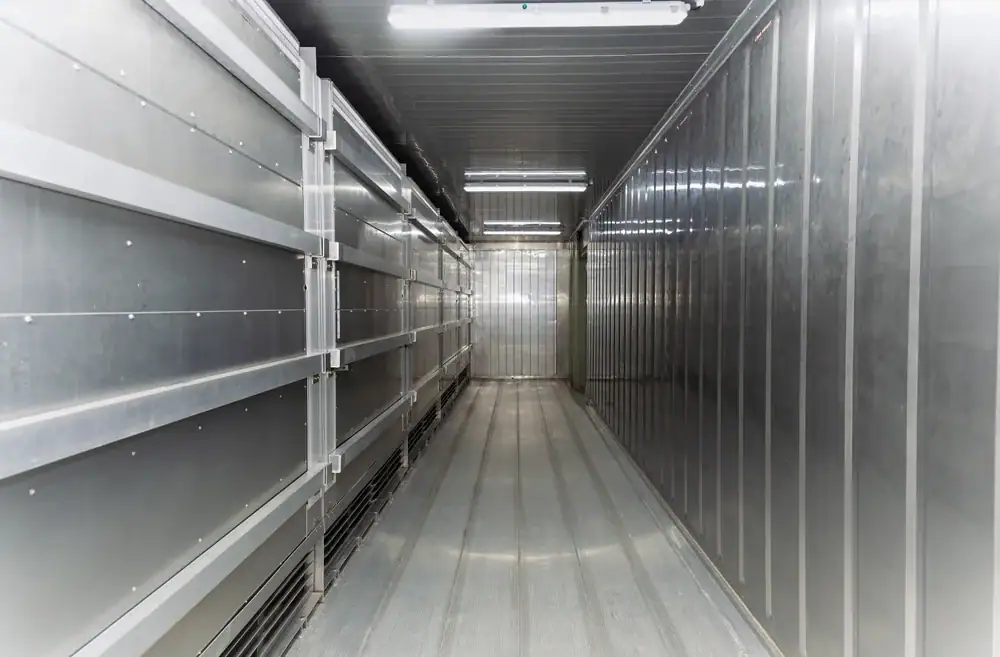
You’re not constantly checking temperatures. Your food stays fresh longer—days longer in some cases. Your energy bills drop because the compressor isn’t fighting dirty coils and worn seals.
Health inspectors don’t find issues. Your staff isn’t scrambling to move inventory when something goes wrong during dinner rush.
Most importantly, you sleep better. When refrigeration systems are maintained properly, they last 15+ years instead of failing at year seven. That’s the difference between a $12,000 replacement you weren’t expecting and equipment that just keeps working. Our maintenance customers in Patchogue—from the seafood markets near the marina to the restaurants on Main Street—routinely get that kind of lifespan from their walk-ins and reach-ins because we catch problems before they become emergencies.
We’ve handled commercial refrigeration in Patchogue and across Suffolk County for over 40 years. We’ve installed systems in catering halls, fixed beer lines at local bars, and responded to emergency calls from delis at 2 AM.
You’re dealing with Long Island’s climate—summer heat that makes compressors work overtime, salt air that corrodes components faster than inland locations, winter freeze cycles that mess with door seals. We design refrigeration solutions that account for all of it.
Our trucks stay stocked with parts for the major brands. When you call with an emergency, you’re talking to a technician who can walk you through immediate steps while we’re driving to your location. About 70% of our emergency calls get fixed on the spot because we show up prepared.
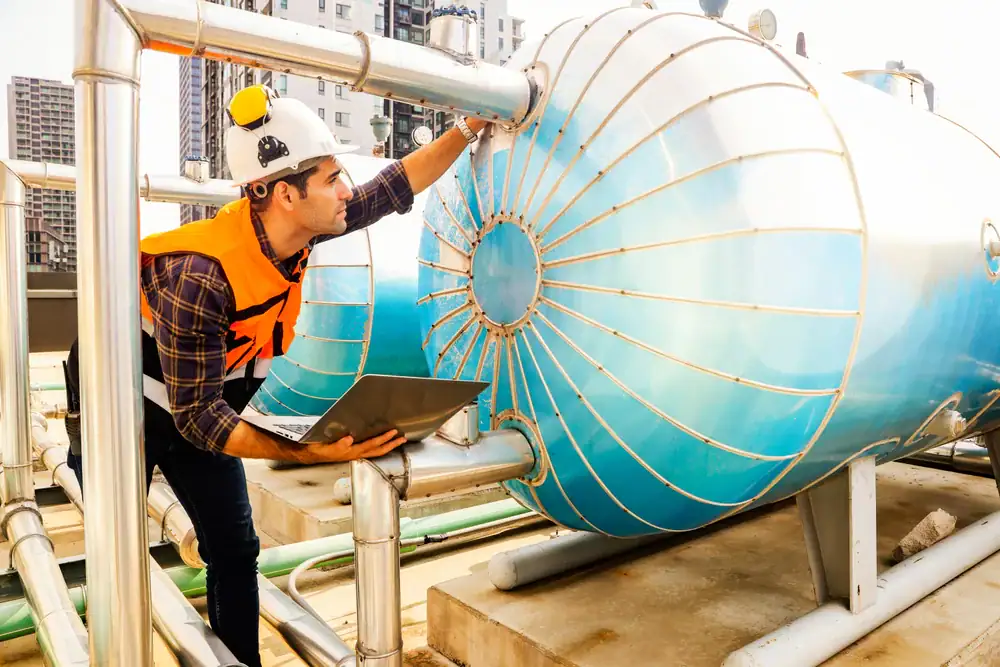
First call, we assess what you need. New installation, emergency repair, or preventive maintenance—the approach is different for each. For installations, that means looking at your space, your electrical setup, your volume, and what you’re storing. We handle permits, health department compliance, electrical connections, and staff training. You get one point of contact responsible for the entire project.
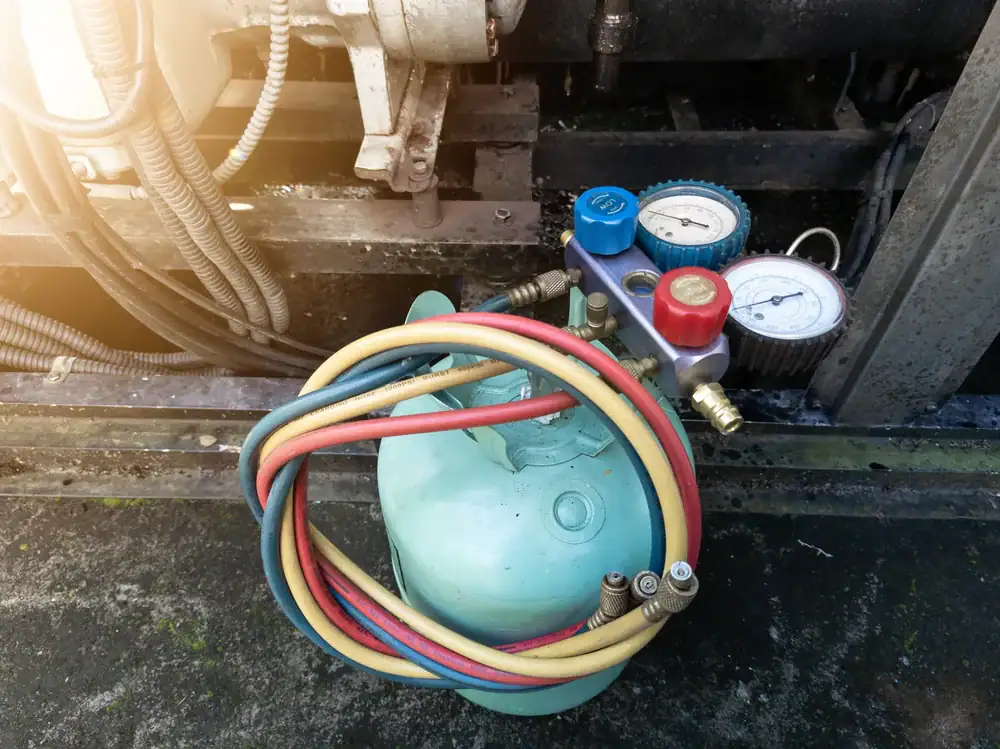
For maintenance, we’re checking coils, testing temperatures, inspecting seals, monitoring refrigerant levels, and catching the small stuff before it becomes expensive. Dirty coils make your compressor work 40% harder and fail years earlier. We clean them. Worn seals let warm air in and cold air out. We replace them.
Emergency calls start with diagnosis. We tell you what’s wrong, what it costs to fix, and how long it takes—before we start work. No surprises. If we can’t fix it same-day, we set up temporary solutions so you don’t lose inventory while we order parts.
Most Patchogue businesses need professional maintenance twice a year. High-volume restaurants benefit from quarterly service. The cost is a fraction of what you’d spend on emergency repairs and replacement equipment.
Ready to get started?
You get technicians who understand food service refrigeration—not just general HVAC. Walk-in coolers and freezers, reach-in units, prep tables, ice machines, beer systems, display cases. We work on all of it.
Installation includes everything: equipment selection based on your actual needs (not what a salesperson wants to move), electrical work, permits, health department sign-offs, and training your staff on proper use. For Patchogue restaurants dealing with high summer volume from tourists and locals, we size systems to handle peak loads without constantly running at maximum capacity.
Maintenance covers coil cleaning, seal inspection, temperature calibration, refrigerant level checks, and electrical component testing. Our maintenance customers save about 25% on energy costs compared to businesses that skip regular service. That adds up fast when you’re running multiple units.
Emergency repairs come with free estimates and 24/7 availability. Your walk-in fails on Sunday night, we’re there. Your ice machine quits during a wedding reception at your catering hall, we’re there. Marine-grade components for businesses near the water. Systems designed for Long Island’s climate. Real solutions, not temporary patches.
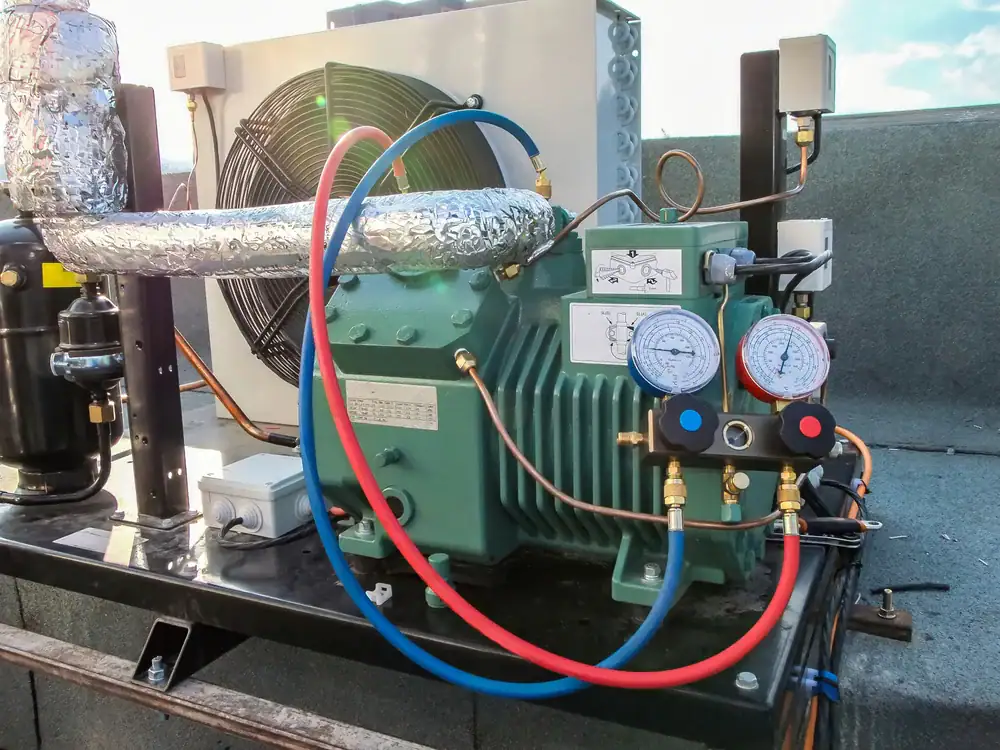
Quality equipment with proper maintenance lasts 10-15 years minimum. Without maintenance, you’re looking at 6-8 years before major failures start.
The difference comes down to coil cleaning, seal replacement, and catching refrigerant leaks early. A well-maintained compressor in a walk-in cooler can run 15+ years. A neglected one fails around year seven, and replacement costs $3,000-$5,000 just for the compressor—not including labor or other components that likely need work too.
Long Island’s salt air accelerates wear on outdoor condensers and any components exposed to the elements. Businesses near Patchogue’s waterfront see faster corrosion than inland locations. Regular maintenance accounts for that. We use marine-grade components where it makes sense and inspect for corrosion during every service call. Most of our maintenance customers get well over a decade from their equipment because we’re preventing the problems that cause early failure.
You call, you talk to a technician immediately—not an answering service. We ask diagnostic questions while driving to your location. That helps us bring the right parts and tools.
We arrive, assess the problem, and give you a free estimate before starting work. You know what it costs and how long it takes before we touch anything. About 70% of emergency calls get fixed on the spot because our trucks carry common parts for major brands.
If we can’t fix it same-day—maybe we need a specialty part or a component has to be ordered—we set up temporary solutions. That might mean adjusting other units to handle overflow, bringing in rental equipment, or implementing workarounds so you don’t lose thousands in inventory overnight. The goal is keeping your business running while we get the permanent fix done right. Most emergency repairs in Patchogue get completed within 24-48 hours from first call to final fix.
Maintenance runs a few hundred dollars per visit depending on how many units you have. Most businesses spend $800-$1,500 annually for twice-yearly service on standard restaurant equipment.
Skipping maintenance costs more—a lot more. Emergency compressor replacement runs $3,000-$5,000. New walk-in cooler installation costs $6,000-$15,000 depending on size. Losing $8,000 worth of inventory because your cooler failed overnight and you didn’t catch it in time? That happens more than you’d think.
Our maintenance customers also save about 25% on energy costs because their systems run efficiently. Dirty coils force compressors to work 40% harder, which shows up on your electric bill every single month. For a busy Patchogue restaurant running multiple refrigeration units year-round, that’s real money. Add it up over a year and maintenance pays for itself just in energy savings—before you factor in avoided emergency repairs and longer equipment life. The math isn’t complicated. Regular service costs less than fixing things after they break.
Yes. Beer systems are more complex than standard commercial refrigeration because temperature control has to be precise and consistent from keg to tap. Too warm and you get foam. Too cold and you get flat beer.
We install complete draft systems—keg coolers, glycol chillers for long-draw systems, line cleaning setups, and temperature monitoring. For Patchogue bars and restaurants serving craft beer, that means systems designed to maintain 38°F consistently, which is the sweet spot for most styles.
Line cleaning matters as much as temperature. Dirty lines affect taste and waste beer. We set up cleaning systems and train your staff on proper maintenance schedules. Most bars need line cleaning every two weeks minimum—more often for high-volume locations. We also handle emergency repairs when your system goes down on Friday night. Our techs understand the difference between a standard refrigeration call and a beer system issue. The components are different, the troubleshooting is different, and the stakes are different when you’ve got customers waiting for pours.
Salt air corrodes components faster than inland locations. Condensers, coils, electrical connections—anything exposed to marine air deteriorates quicker. That means more frequent inspections and earlier replacement of certain parts.
We use marine-grade components where appropriate and apply protective coatings to vulnerable areas. During maintenance calls, we specifically check for corrosion that businesses a few miles inland wouldn’t see as quickly. Door seals also take more abuse from humidity and temperature swings near the water.
The other factor is summer volume. Patchogue restaurants near the marina and waterfront see heavy tourist traffic during peak season. Your refrigeration systems work harder when you’re doing double the covers. We size equipment for peak loads, not average days, so your walk-in isn’t constantly maxed out during July and August. Systems running at maximum capacity all the time fail sooner. Properly sized systems handle the load without strain, which means longer life and fewer breakdowns when you can least afford them.
Absolutely. Health department regulations require specific temperature ranges for different types of food storage. Walk-in coolers need to maintain 38-41°F. Freezers need 0°F or below. You need accurate thermometers, proper air circulation, and documentation that temperatures stay consistent.
We install monitoring systems that track temperatures continuously and alert you to problems before they become violations. During inspections, health departments look for proper seals, adequate cooling capacity, and temperature logs. We make sure your equipment meets those standards.
New installations include health department sign-offs as part of the project. We handle the paperwork and coordinate inspections so you’re compliant from day one. For existing equipment, our maintenance service includes temperature verification and documentation. If an inspector finds issues during a routine visit, we can usually address them quickly—often same-day for minor problems like calibration or seal replacement. Suffolk County health departments are thorough. Having refrigeration systems that consistently meet their standards means fewer headaches and zero risk of shutdowns due to equipment failures.