Hear from Our Customers
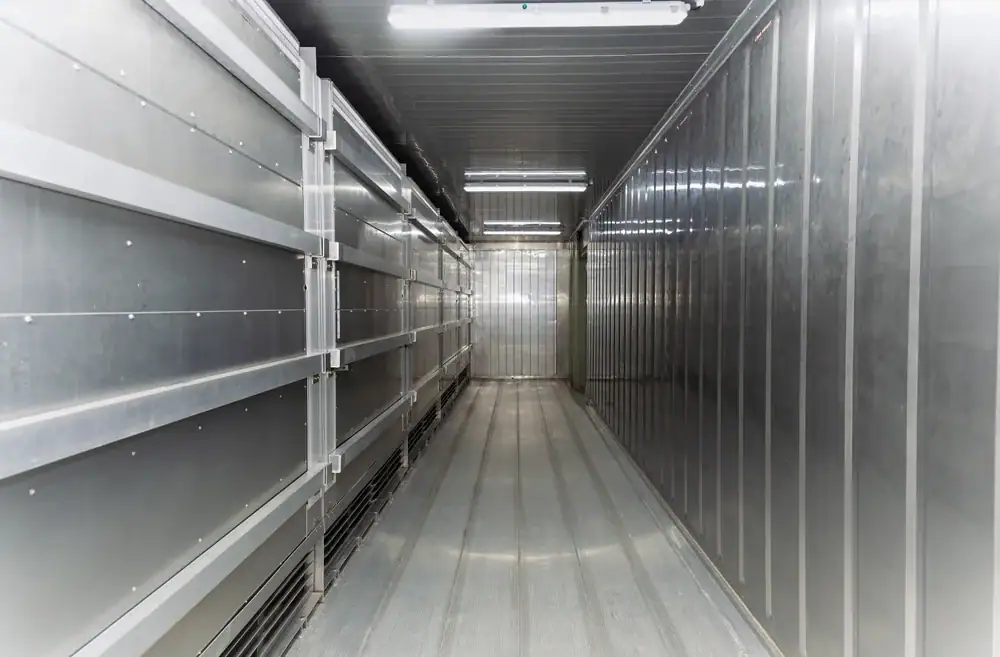
Your refrigeration system isn’t supposed to be something you think about. It should just work when you flip the lights on at 5 AM and keep working until you lock up at night.
That’s what proper installation and maintenance actually deliver. Not just cold air, but predictable performance during your busiest shifts. No surprise breakdowns during summer heat waves. No scrambling to move product when a compressor dies on Friday afternoon.
Most refrigeration problems don’t start the day they become emergencies. They start weeks earlier with a condenser that’s working too hard or a door seal that’s letting warm air seep in. The businesses that catch these issues early don’t deal with the same expensive disasters as the ones that wait until something stops working completely.
You get systems designed for Long Island’s humid summers and cold winters. You get maintenance schedules that actually prevent problems instead of just checking boxes. And when something does go wrong, you get technicians who’ve seen your exact setup hundreds of times before.
We’ve been handling commercial refrigeration across Stony Brook and Suffolk County for over forty years. That’s not a sales pitch. It’s just what happens when you show up, do the work right, and don’t disappear when things get complicated.
We’re the company that airports call when their systems can’t go down. The one catering halls trust before their biggest events. The team that restaurants contact at 2 AM because they know we’ll actually answer.
Our technicians don’t subcontract. They don’t guess. They’ve installed and serviced enough walk-in coolers, reach-in units, and custom refrigeration setups around Stony Brook to know exactly what works in this climate and what doesn’t. When your system needs attention, you’re getting someone who’s done this specific job dozens of times, not someone learning on your equipment.
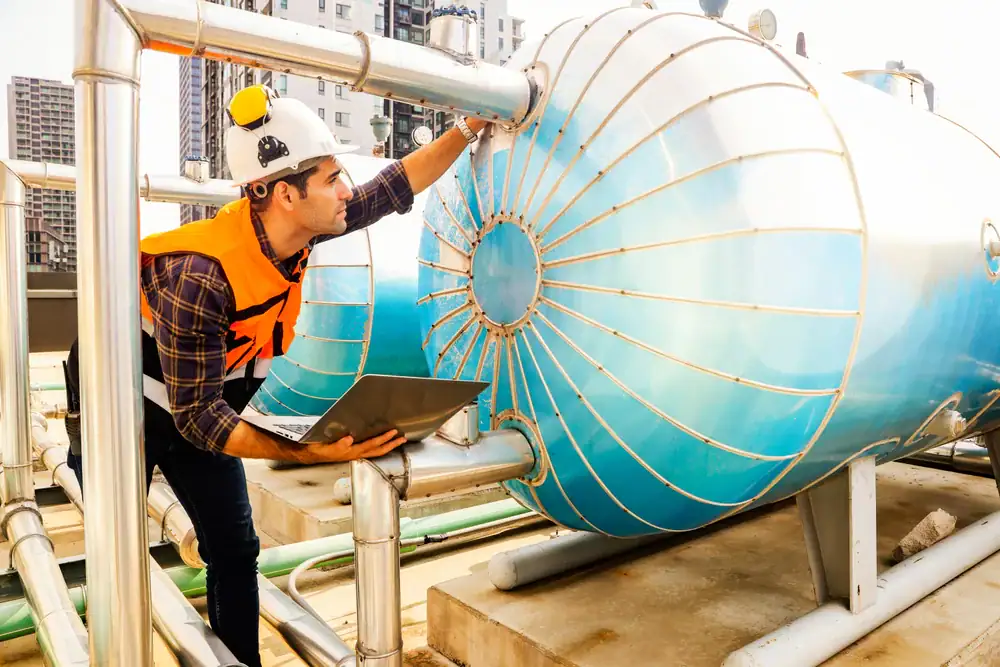
You call or submit a request. We ask about your system, your business type, and what you’re dealing with. If it’s an emergency, we’re dispatching someone immediately. If it’s planned maintenance or a new installation, we schedule a time that doesn’t disrupt your operation.
For installations, we handle everything from electrical connections and permits to health department compliance and staff training. You get one point of contact who coordinates the entire project. For service calls, our trucks carry parts for every major brand because waiting three days for a compressor isn’t realistic when you’re losing money every hour.
Most repairs get completed the same day. About 70% of emergency calls get fixed on the spot. The rest get temporary solutions to keep you running while we order specialized parts. We’re not interested in quick fixes that fail again in two weeks. We find the root cause and address it properly.
Maintenance customers get scheduled service twice yearly for most businesses, quarterly for high-volume restaurants. We catch small problems before they become expensive failures. That’s how our maintenance customers routinely get 15+ years from equipment that typically fails much sooner.
Ready to get started?
Long Island’s climate is brutal on refrigeration equipment. Summer heat makes compressors work overtime. Winter cold affects door seals and gaskets. Constant humidity changes stress every component in your system. This isn’t Arizona or Minnesota. Your equipment faces conditions that require specific maintenance approaches.
Stony Brook businesses deal with additional challenges. Salt air from proximity to the water corrodes outdoor components faster. Seasonal tourism spikes mean your systems work harder during summer months. Health department inspections don’t care why your cooler isn’t holding temperature. They just care that it isn’t.
Our refrigeration service includes condenser coil cleaning, refrigerant level checks, door seal inspections, thermostat calibration, and electrical connection testing. We’re looking for the small issues that turn into big problems. A condenser that’s working too hard uses 25% more electricity and fails years earlier than it should.
For new installations, you’re getting systems sized correctly for your actual needs, not oversized because someone didn’t want to do the math. Proper installation includes load calculations, airflow optimization, and backup plans for power outages. We also coordinate with PSEG Long Island to help you access rebates for energy-efficient equipment. That’s real money back in your pocket for upgrading to qualified systems.
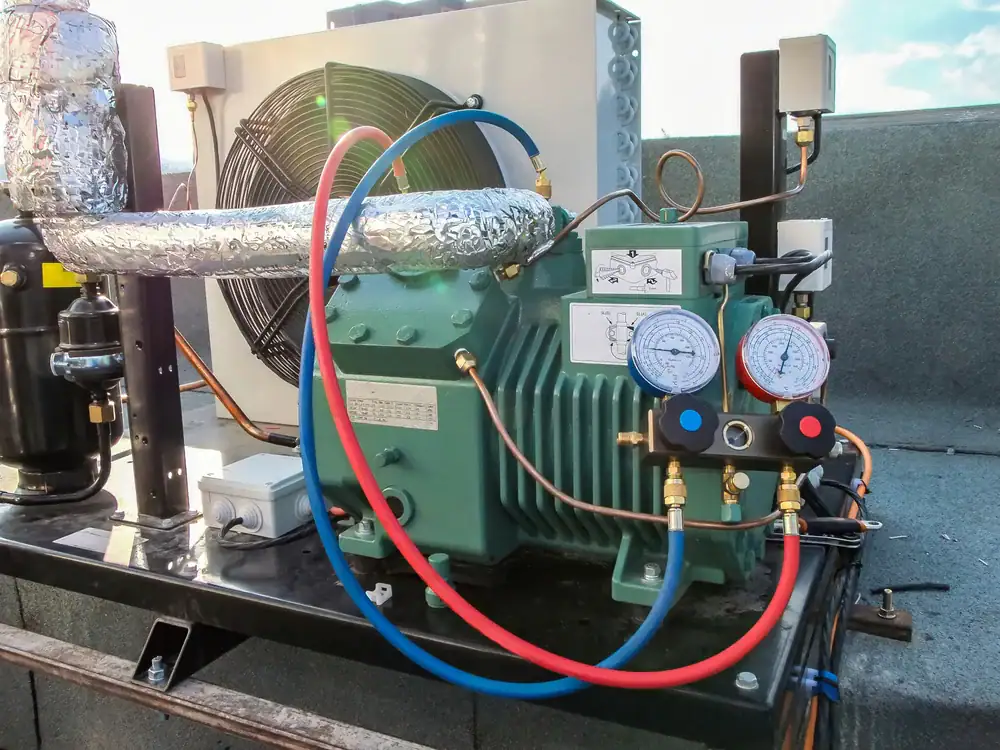
We run 24/7 emergency service because refrigeration problems don’t wait for business hours. When you call at 2 AM because your walk-in cooler stopped working, you’re talking to our dispatch, not an answering service. We’re typically on-site within an hour for true emergencies in the Stony Brook area.
Our trucks carry parts for every major brand. That’s not an exaggeration. We stock compressors, condensers, evaporators, thermostats, and control boards because waiting three days for a part isn’t an option when you’re losing product every hour. About 70% of our emergency calls get fixed on the spot.
For the other 30%, we provide temporary solutions to keep you operational while specialized parts are ordered. That might mean rigging a backup cooling system or adjusting your existing setup to limp along safely. The goal is always the same: minimize your losses and get you back to full operation as fast as possible.
Maintenance isn’t just someone showing up to look at your equipment and leave. It’s a systematic inspection and service of every component that keeps your system running. We clean condenser coils, check refrigerant levels, test door seals, calibrate thermostats, inspect electrical connections, and verify that your system is actually maintaining the temperatures you think it is.
Most businesses skip maintenance until something breaks, then wonder why their five-year-old walk-in cooler needs major repairs. The reality is that small problems compound. A dirty condenser makes your compressor work harder. That extra strain shortens its lifespan by years and increases your electric bill by 25% or more. A worn door seal lets warm, humid air in constantly, forcing your system to run longer cycles.
Our maintenance customers routinely get 15+ years from their equipment. That’s not luck. That’s catching problems when they’re still cheap to fix. The cost of two service calls per year is nothing compared to replacing a walk-in cooler five years early. For high-volume restaurants in Stony Brook, we recommend quarterly maintenance because your equipment works harder and has less margin for error.
Installation costs vary dramatically based on what you’re installing and where it’s going. A reach-in refrigerator for a small deli might run a few thousand dollars installed. A walk-in cooler for a busy restaurant could be $15,000 to $40,000 depending on size and specifications. Custom marine refrigeration systems or specialized beer cooling setups have their own pricing structures.
What matters more than the upfront number is getting a system sized correctly for your actual needs. Oversized equipment costs more to buy, costs more to run, and doesn’t perform better. Undersized equipment runs constantly, fails early, and can’t keep up during your busiest periods. Proper installation also includes electrical work, permits, health department compliance documentation, and staff training on how to use and maintain the system.
We provide free estimates that break down exactly what you’re paying for. No hidden fees for permits or electrical work that “wasn’t included” in the original quote. We also help you access PSEG Long Island rebates for energy-efficient equipment. Those rebates can put significant money back in your pocket, sometimes thousands of dollars depending on what you’re installing.
We service and install every major commercial refrigeration brand. True, Turbo Air, Beverage-Air, Delfield, Hoshizaki, Manitowoc, Traulsen, Victory, and dozens of others. Our technicians have worked on all of them extensively. That’s important because different brands have different quirks, different common failure points, and different service requirements.
When you call with a problem, we’re not showing up to figure out how your equipment works. We already know. We’ve serviced that exact model multiple times. We know which parts fail first, which repairs are worth doing versus replacing the unit, and how to get your specific system running again quickly.
For new installations, we recommend equipment based on your actual needs, not which brand pays us the best commission. A busy Stony Brook restaurant needs different equipment than a small deli. A catering hall that does weekend events has different requirements than a hotel that runs 24/7. We match the equipment to your operation, your budget, and your long-term maintenance reality.
Summer heat makes every refrigeration system work harder, but Long Island’s combination of heat and humidity is particularly brutal. Your condenser has to reject heat from inside your cooler to the outside air. When outside air is already 90 degrees and humid, that heat transfer becomes much less efficient. Your compressor runs longer cycles and works harder to achieve the same cooling.
Stony Brook businesses also deal with salt air from proximity to the water. That salt corrodes condenser coils and outdoor components faster than you’d see inland. A condenser that’s even partially corroded doesn’t transfer heat efficiently, forcing your compressor to work even harder. Add in the fact that most restaurants and food service businesses are busiest during summer, and you’re opening your cooler doors more frequently, letting more warm air in.
This is why we recommend maintenance before summer hits. Cleaning condenser coils, checking refrigerant levels, and verifying that your system is running efficiently makes a massive difference in whether you survive July and August without a breakdown. The businesses that skip spring maintenance are the ones calling us for emergency service during their busiest weeks. The ones that plan ahead don’t deal with those same disasters.
It depends on what’s broken, how old the equipment is, and what it would cost to replace. If your compressor fails on a three-year-old walk-in cooler, repairing it makes sense. If your compressor fails on a fifteen-year-old unit that’s also had condenser problems and refrigerant leaks, you’re throwing money at equipment that’s going to keep failing.
A good rule is the 50% guideline. If the repair costs more than 50% of what replacement would cost, and your equipment is past its expected lifespan, replacement is usually smarter. You’re not just avoiding this repair. You’re avoiding the next failure that’s probably coming soon. New equipment is also significantly more energy-efficient. The DOE’s 2025 conservation rules require 15% better efficiency by 2029, which means new equipment uses substantially less electricity than older units.
We’re honest about this calculation. If your equipment is worth repairing, we’ll tell you that and fix it properly. If you’re wasting money on a system that’s going to keep breaking, we’ll tell you that too. Our job is to give you the information you need to make a smart decision for your business, not to sell you the most expensive option.