Hear from Our Customers
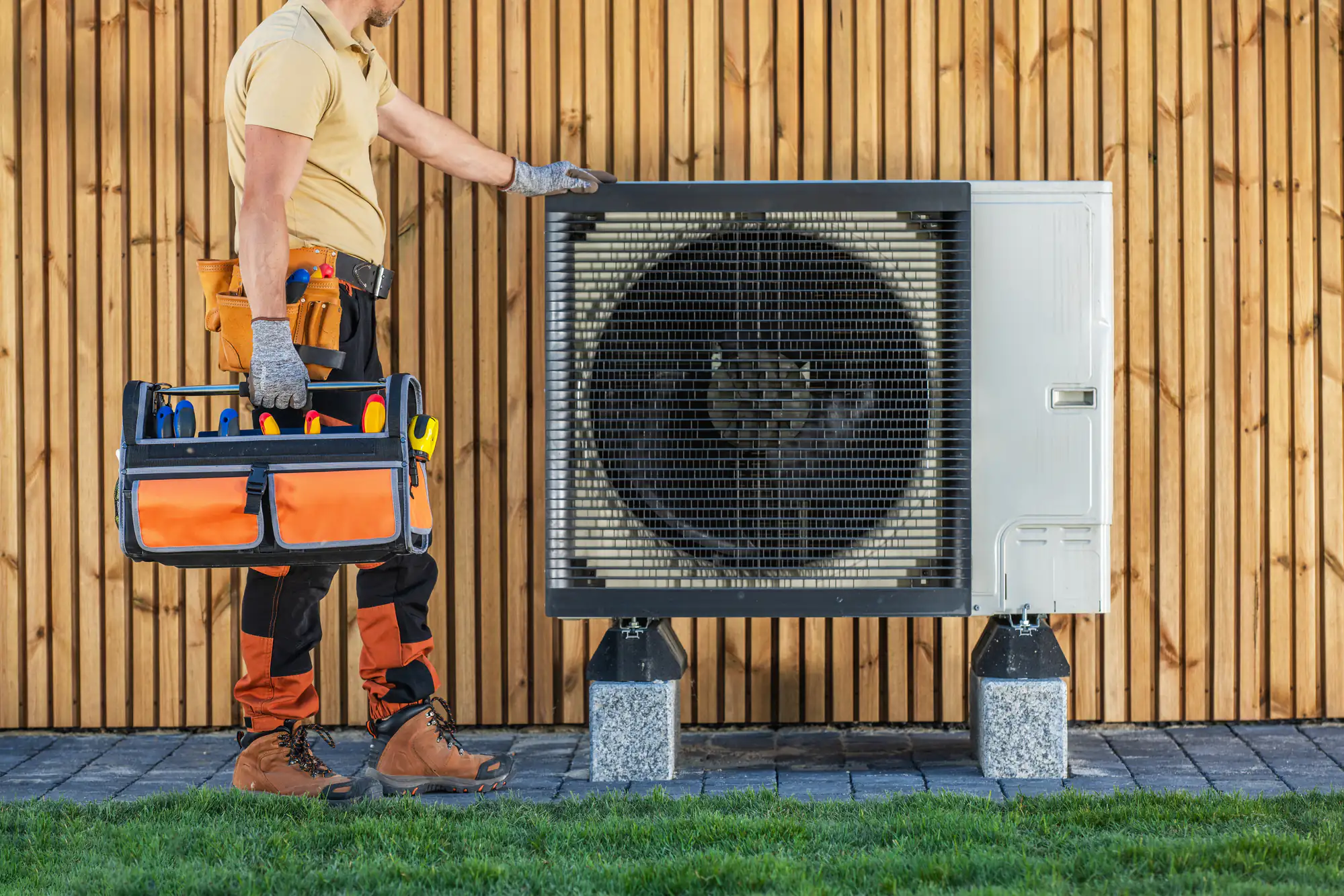
Your HVAC system shouldn’t be something you think about until it breaks. When it’s working right, your home stays comfortable without the temperature swings, the humidity that makes everything feel sticky, or the energy bills that spike for no clear reason.
That’s what proper residential HVAC service gets you. Not just a quick fix when something goes wrong, but a system that runs efficiently, keeps every room at the temperature you set, and doesn’t cost a fortune to operate. Whether it’s air conditioning repair during a summer heat wave or furnace installation before winter hits, the work matters because your daily comfort depends on it.
Long Island homes deal with humid summers, cold winters, and salt air that wears down equipment faster than most people realize. The right HVAC setup accounts for all of that. It keeps your indoor air quality clean, your energy consumption reasonable, and your system running longer before you need a replacement.
We’ve been handling complex HVAC work across the Greater New York area for over 40 years. We’ve worked on everything from airport systems to marine air conditioning, which means residential heating and cooling is well within our wheelhouse.
Albertson homeowners deal with specific challenges. Older homes with outdated insulation. Coastal humidity that makes AC work harder. Utility costs that climb faster here than most places. We’ve seen it all, and we know what actually works in this climate.
We’re available 24/7 because HVAC emergencies don’t wait for business hours. When your furnace quits on a January night or your AC dies during a July heat wave, you need someone who answers the phone and shows up prepared. That’s what we do.
When you contact us, we start with a real conversation about what’s happening with your system. Not a sales pitch. If it’s an emergency, we get someone to your home fast. If it’s a planned replacement or upgrade, we schedule a time that works for you.
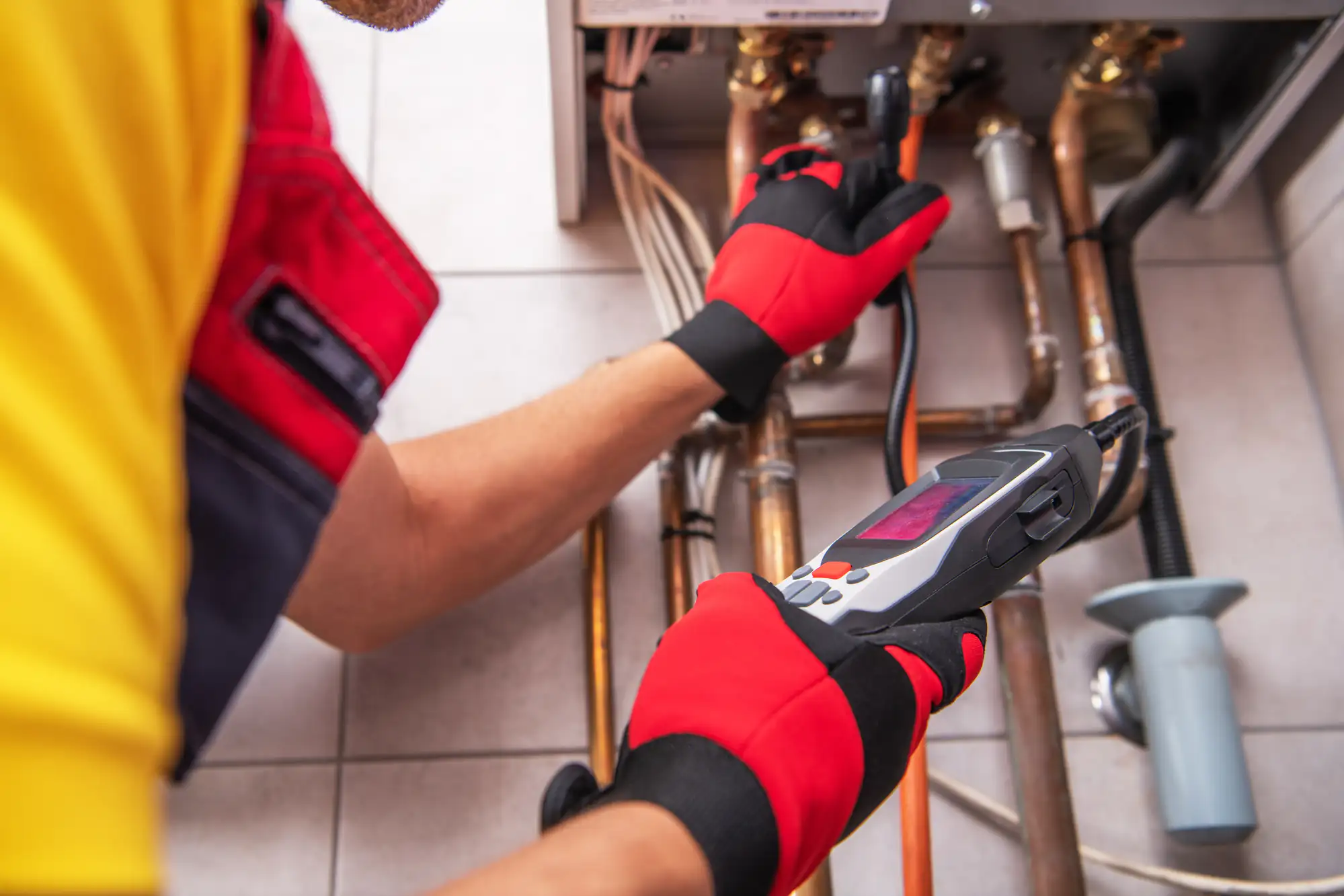
Once we’re on-site, we assess the full situation. That means checking your current equipment, looking at your ductwork, measuring your home’s actual cooling and heating needs, and identifying any underlying issues that might be driving up costs or causing problems. We explain what we find in plain terms, show you the options, and give you transparent pricing before any work starts.
Installation and repair work is handled by licensed technicians who’ve been doing this for years. We pull the necessary permits, make sure everything meets code, and test the system thoroughly before we leave. If it’s a new install, we walk you through how to use it and set up any smart controls or programmable features.
After the work is done, we offer maintenance programs that keep your system running efficiently. Regular inspections catch small problems before they become expensive emergencies, and you get priority scheduling if something does go wrong.
Ready to get started?
Residential HVAC services cover more than just fixing a broken AC unit. It’s about making sure your entire heating and cooling system works the way it should, year after year.
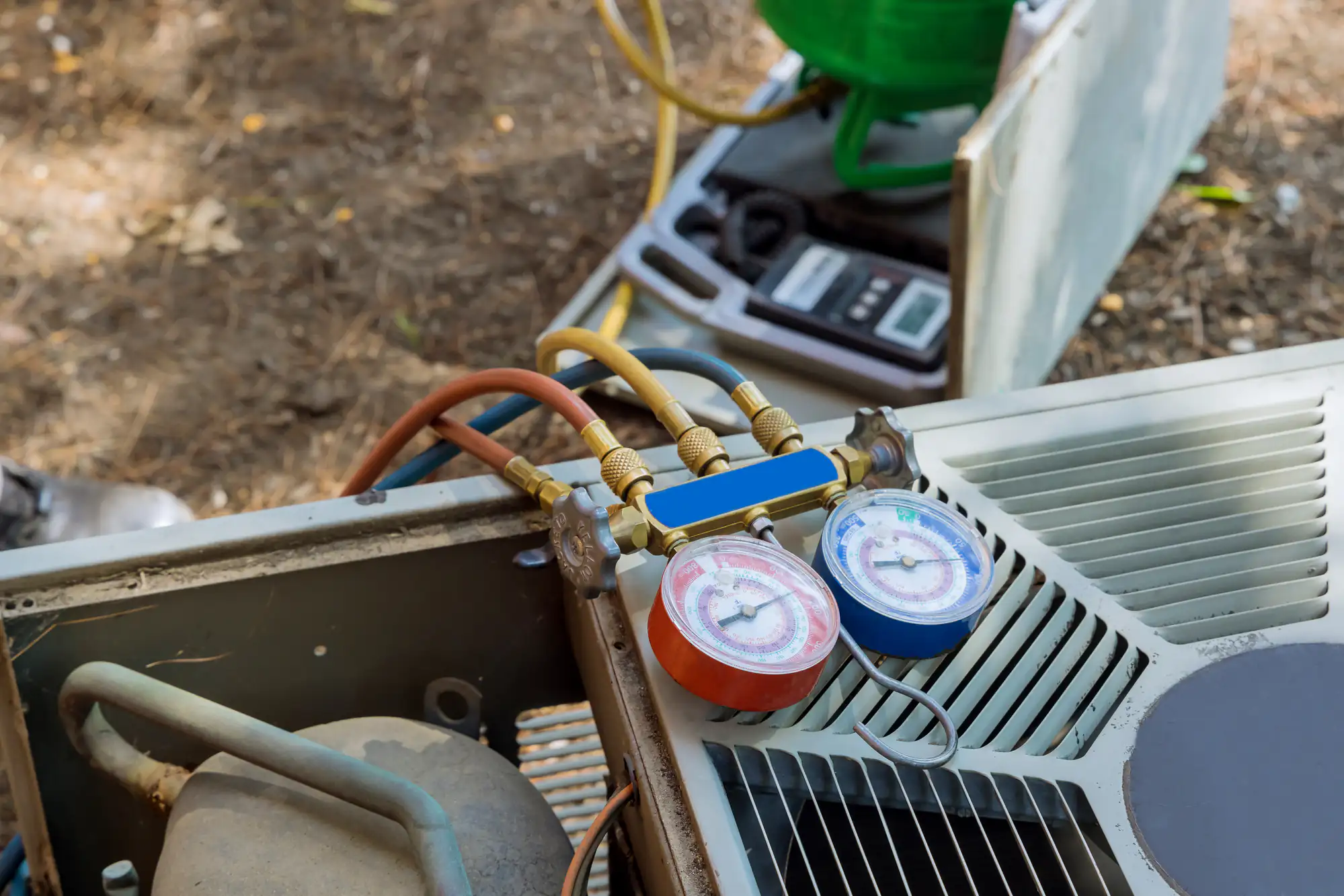
Air conditioning repair and maintenance keeps your system running through Long Island’s humid summers. That includes refrigerant checks, coil cleaning, airflow testing, and catching issues before they turn into full breakdowns. Furnace installation and heating system maintenance handle the winter side, making sure you’re not dealing with no heat on the coldest nights.
HVAC replacement becomes necessary when your system is old, inefficient, or costing more to repair than it’s worth. Modern systems can cut your energy use significantly. We help you right-size the equipment for your home so you’re not paying for more capacity than you need or struggling with a system that’s too small.
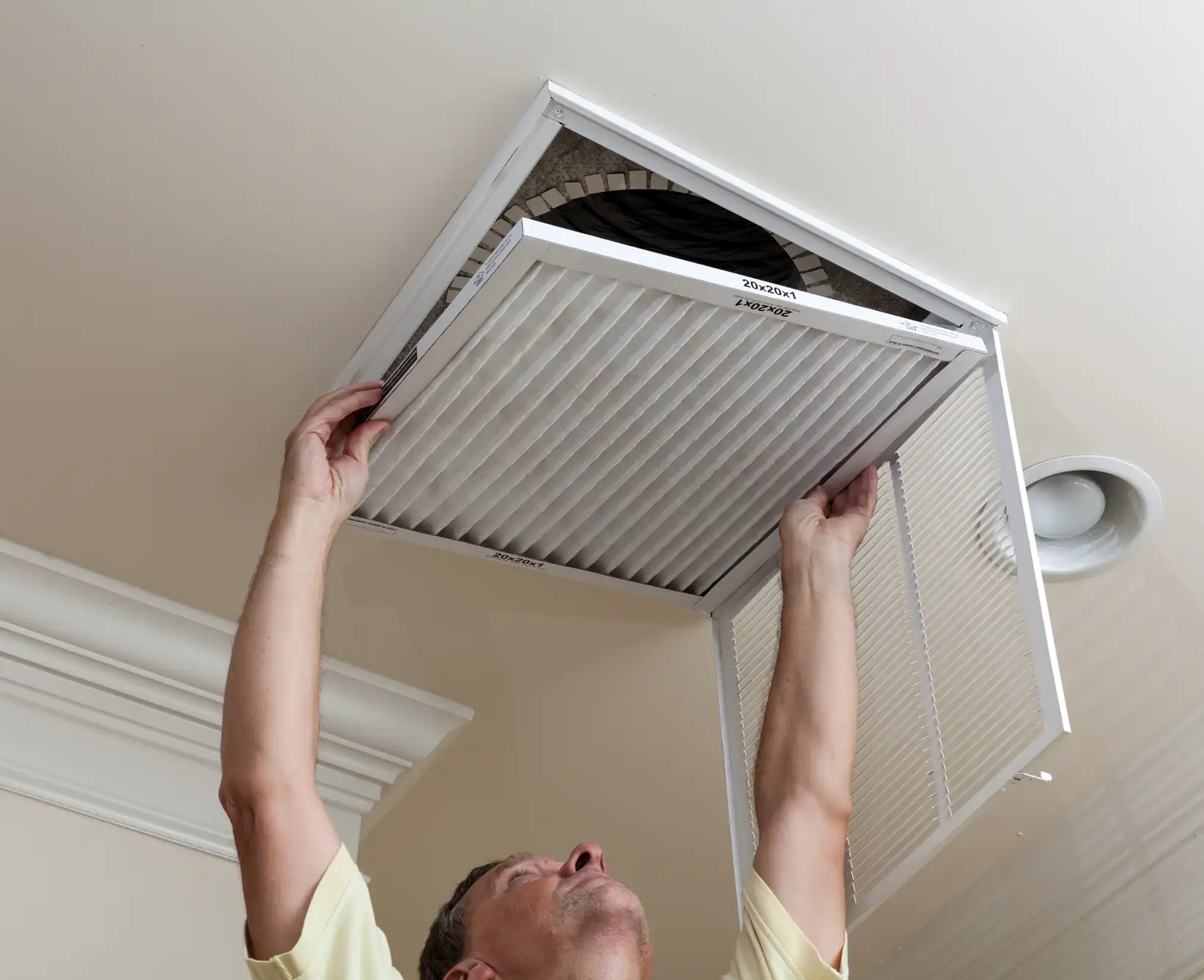
Indoor air quality solutions address the stuff you can’t always see but definitely feel. Humidity control, filtration upgrades, and ductwork repairs all play a role in making your home’s air cleaner and more comfortable. In Albertson, where salt air and seasonal allergens are constant factors, this isn’t optional for a lot of homeowners.
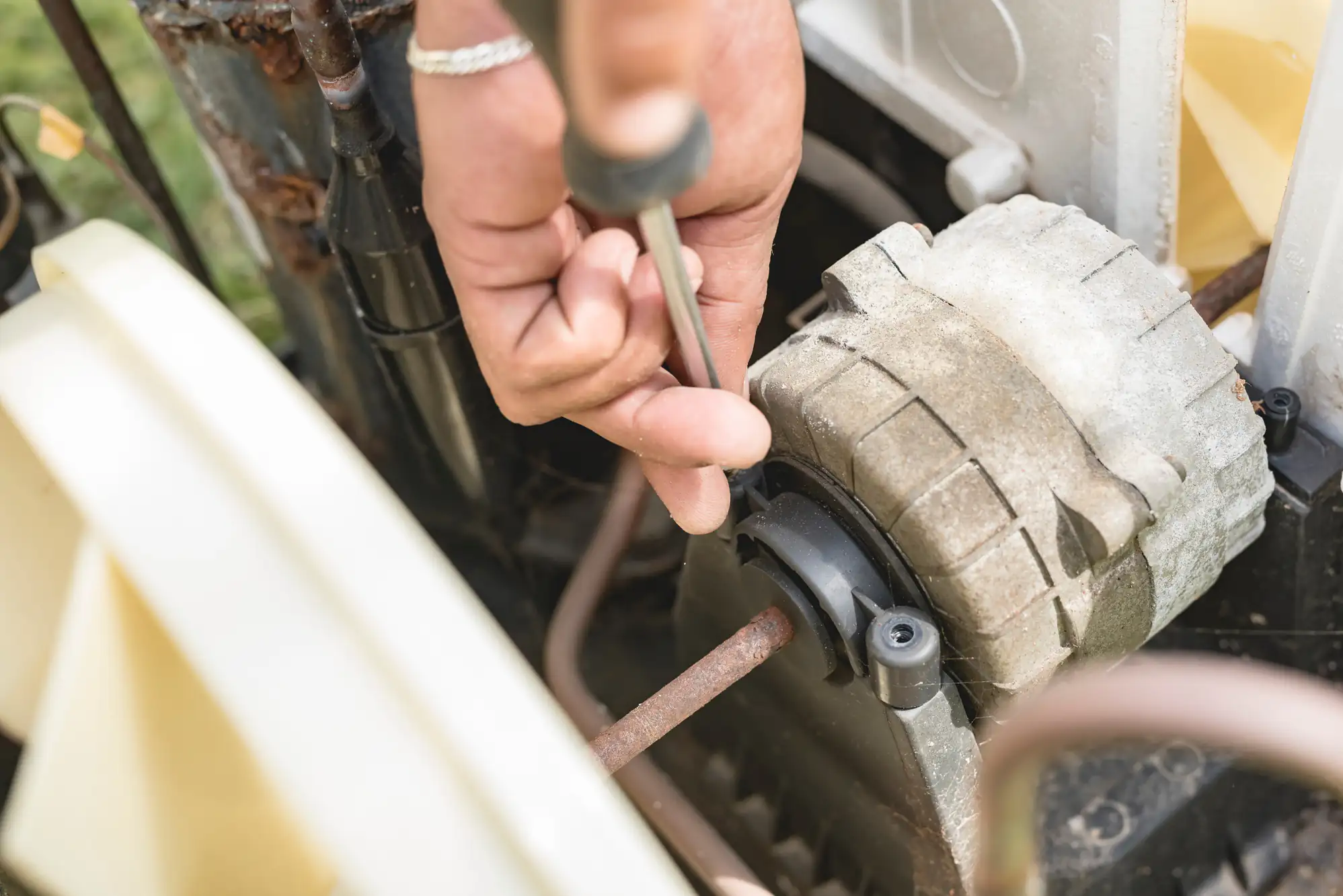
Twice a year is the standard recommendation. Once in spring before cooling season starts, and once in fall before you need heat regularly. Long Island’s climate puts extra strain on HVAC systems because of the humidity in summer and the freeze cycles in winter.
Spring maintenance focuses on your air conditioning. The technician checks refrigerant levels, cleans the coils, tests airflow, and makes sure the condensate drain isn’t clogged. Fall maintenance covers your furnace or heat pump, including inspecting the heat exchanger, testing safety controls, and checking for any combustion issues if you have a gas system.
Regular maintenance catches problems early. A small refrigerant leak found in April is a quick fix. That same leak in July means no AC during a heat wave and a much higher repair bill. Same goes for heating. Finding a cracked heat exchanger in October is inconvenient. Finding it in January when it’s 20 degrees outside is a crisis.
Most systems last 15 to 20 years with proper maintenance, but Long Island’s coastal environment can shorten that. Salt air accelerates corrosion on outdoor units, and the humidity makes systems work harder, which means more wear over time.
If your system is over 15 years old and you’re starting to see frequent repairs, rising energy bills, or uneven heating and cooling, replacement is probably the smarter financial move. Older systems also use refrigerants that are being phased out, which makes repairs more expensive as parts become harder to find.
Modern HVAC equipment is significantly more efficient than what was installed even 10 years ago. A new system can cut your cooling costs by 30 to 50 percent depending on what you’re replacing. The upfront cost is real, but the energy savings add up quickly, especially with Albertson’s utility rates.
Several things cause this, and most of them are fixable. The most common issue is an undersized or aging system that can’t keep up with your home’s cooling demand, especially during heat waves. If your AC is more than 12 years old, it’s also likely lost efficiency even if it’s still running.
Ductwork problems are another major culprit. Leaks in your ducts mean cooled air escapes before it reaches your rooms, so the system runs nonstop trying to hit the temperature you set. Poor insulation has the same effect. Your AC cools the air, but heat keeps seeping back in faster than the system can compensate.
Low refrigerant from a leak will also cause this. The system runs, but it’s not actually cooling effectively. A dirty condenser coil, clogged filter, or failing compressor can all create the same symptom. The fix depends on what’s actually wrong, which is why a proper diagnostic matters more than guessing.
Yes, especially if your home doesn’t have existing ductwork or if adding ducts would be invasive and expensive. A lot of older homes in Albertson were built before central air was standard, so they either have window units or outdated systems that barely keep up.
Ductless mini-splits let you control temperatures room by room, which is useful if you have areas of your home that are always too hot or too cold. They’re also more efficient than window units and quieter than most central systems. Installation is less disruptive because you’re not tearing into walls to run ductwork.
The main consideration is cost. Ductless systems have a higher upfront price than traditional central air, but the energy savings and the ability to zone your heating and cooling can offset that over time. They also work as heat pumps, so you get both heating and cooling from one system, which simplifies things if you’re replacing an old furnace and AC setup.
First, check the basics before calling anyone. Make sure your thermostat is set to heat and the temperature is set higher than the current room temperature. Check your circuit breaker to see if it tripped. If you have a gas furnace, make sure the gas valve is open.
If those things check out and you still have no heat, call for emergency service. Don’t try to troubleshoot further on your own, especially with gas systems. A cracked heat exchanger or faulty ignition can create safety hazards, and you won’t necessarily know what you’re looking at without the right tools and training.
While you wait for the technician, close off rooms you’re not using to keep heat concentrated in the areas where you need it. If you have a fireplace, use it safely. Space heaters are an option but keep them away from anything flammable and don’t run them unattended. Most emergency HVAC calls in Albertson during winter get same-day service, so you won’t be without heat for long.
For a full system replacement in a typical Albertson home, expect to pay between $8,000 and $15,000 depending on the size of your home, the equipment you choose, and any additional work needed like ductwork modifications or electrical upgrades.
Higher-efficiency systems cost more upfront but save you money over time through lower energy bills. A basic 14 SEER AC unit will be on the lower end of that range. A high-efficiency 20+ SEER system with a variable-speed air handler and a smart thermostat will be on the higher end. The difference in your monthly utility costs can be $50 to $100 or more during peak seasons.
Financing options are available for most installations, and there are often rebates or tax credits for energy-efficient equipment. The cost also depends on whether you’re doing a straight replacement or upgrading your entire system including ductwork, zoning controls, or air quality equipment. We provide detailed estimates before any work starts so you know exactly what you’re paying for and why.