Hear from Our Customers
Your furnace quits on the coldest night of the year. Your AC dies during a July heatwave. These aren’t minor inconveniences—they’re emergencies that affect your family’s comfort and safety.
When your system fails, you’re not just dealing with temperature. You’re dealing with stress, uncertainty about cost, and the frustration of waiting around for someone to maybe show up. Long Island summers keep getting hotter, and winters hit hard. Your home should be the one place where temperature isn’t something you think about.
That’s what working residential HVAC services look like. No breakdowns at the worst possible time. No sky-high energy bills because your 15-year-old system is gasping for air. No wondering if the repair you paid for will actually last. Just consistent heating in winter, reliable cooling in summer, and air quality that doesn’t trigger allergies every time the system kicks on.
We’ve spent over 40 years working on systems that can’t afford to fail—marine HVAC and commercial refrigeration where downtime costs thousands per hour. That background means we don’t guess, and we don’t cut corners.
Amityville homeowners deal with the same challenges as the rest of Suffolk County: aging systems, spiking energy costs, and contractors who either can’t diagnose the real problem or try to sell you a full replacement when a repair would do the job. We’ve built our reputation on being the ones who figure it out and tell you the truth about what you actually need.
We’re available 24/7 because HVAC emergencies don’t wait for business hours. We offer free estimates because you shouldn’t have to pay just to find out what’s wrong. And we’ve earned dozens of five-star reviews by doing what we say we’ll do, when we say we’ll do it.
First, we actually answer the phone. You’ll talk to someone who understands HVAC, not a call center reading a script. We’ll ask a few questions about what’s happening with your system and schedule a time that works for you—often same-day or next-day, depending on urgency.
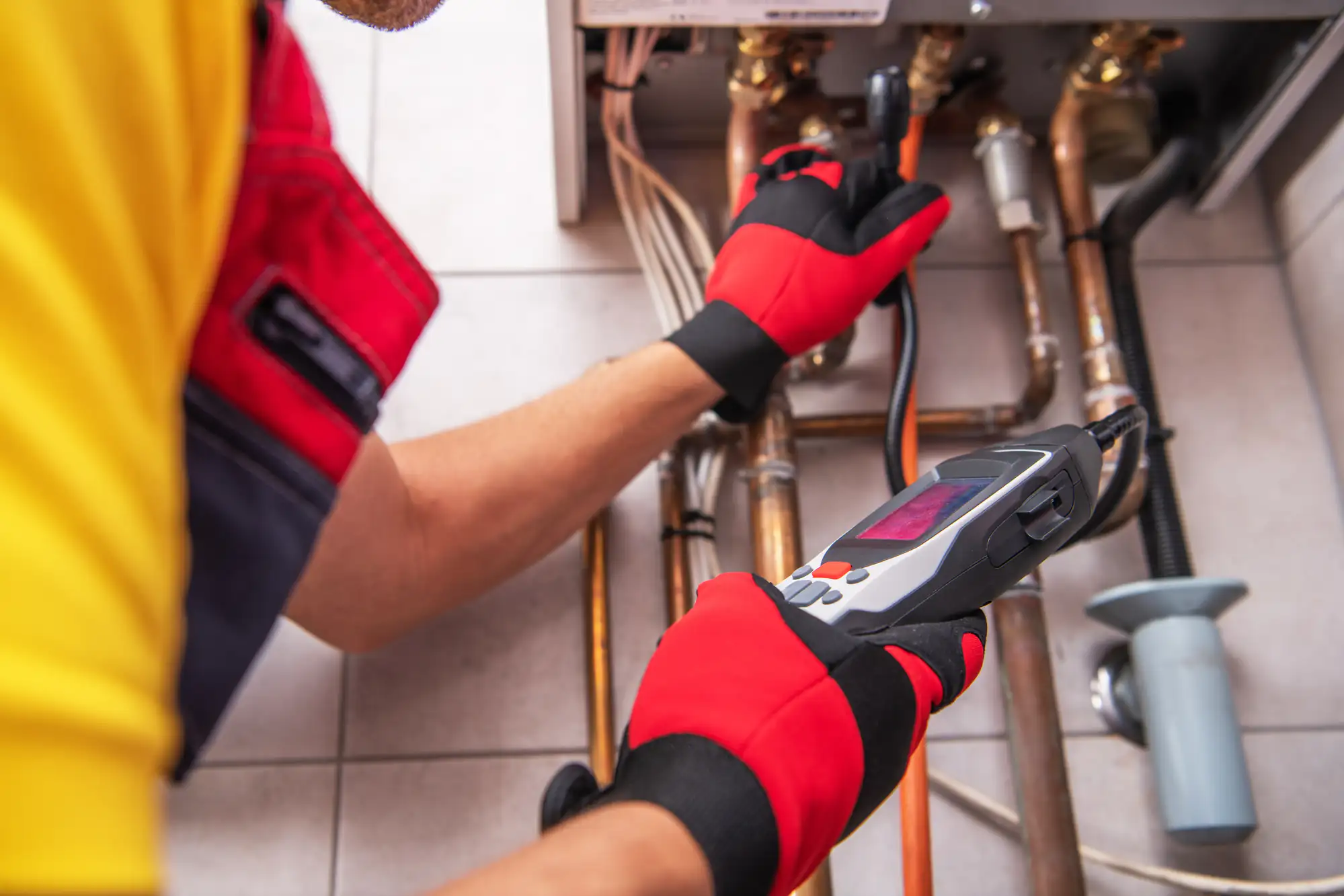
When we arrive, we diagnose the problem completely before recommending anything. That means checking the whole system, not just the obvious issue. If it’s a repair, we’ll tell you what’s wrong, what it costs, and how long it’ll last. If it’s time for a replacement, we’ll explain why and show you options that fit your home and budget—including high-efficiency systems that qualify for New York State rebates up to $12,000 through the Clean Heat program.
Once you approve the work, we handle everything: permits, installation, testing, and cleanup. For new systems, that includes sizing it correctly for your home, which plenty of contractors skip and then wonder why you’re calling them back with comfort issues. After we’re done, your system works the way it’s supposed to. And if something comes up later, you’ve got our number.
Ready to get started?
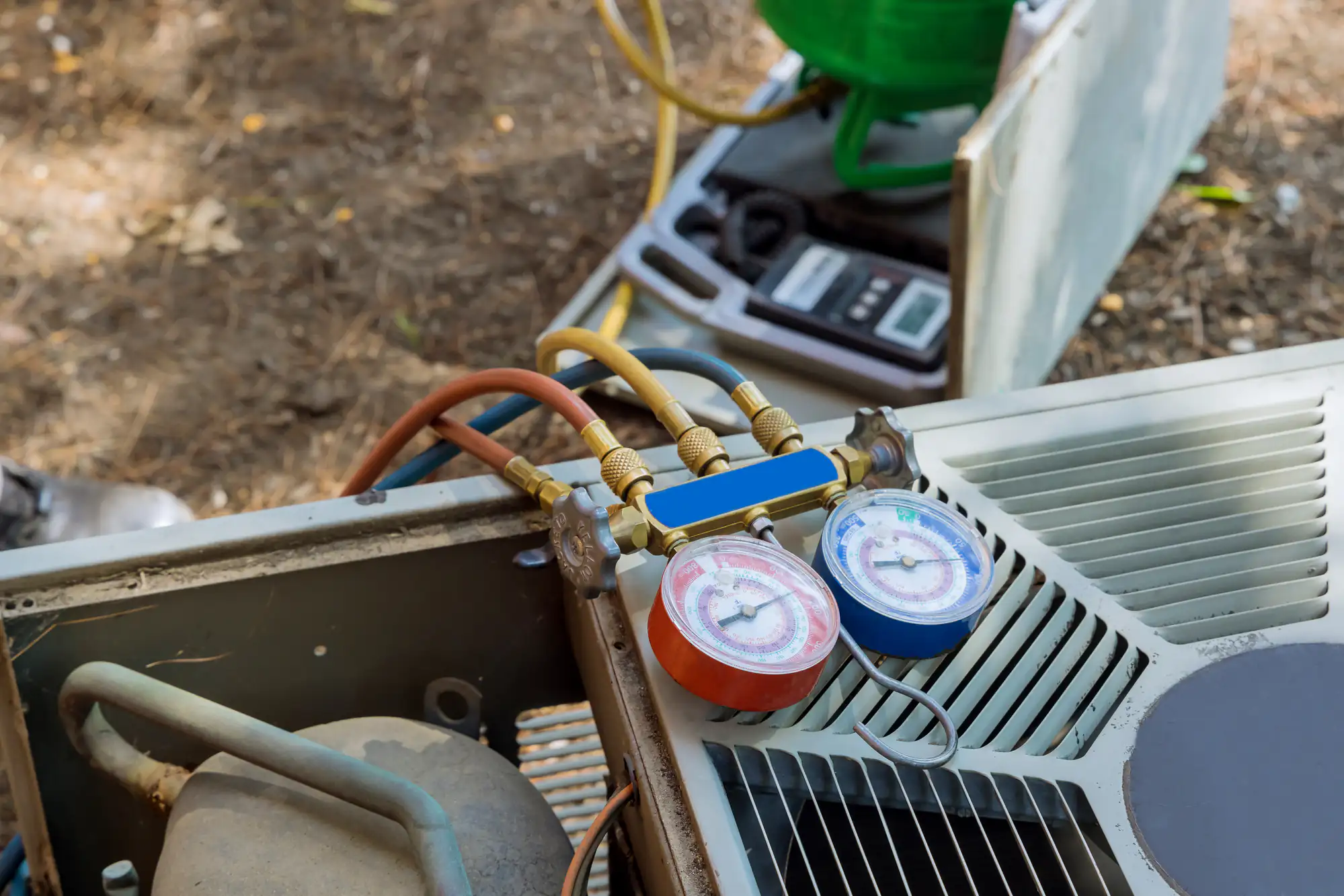
Air conditioning repair and installation covers everything from fixing refrigerant leaks and replacing failed compressors to installing new central AC systems sized for Long Island’s humid summers. If your current system can’t keep up or your energy bills are climbing every year, a modern high-efficiency unit can cut cooling costs significantly while actually keeping your home comfortable.
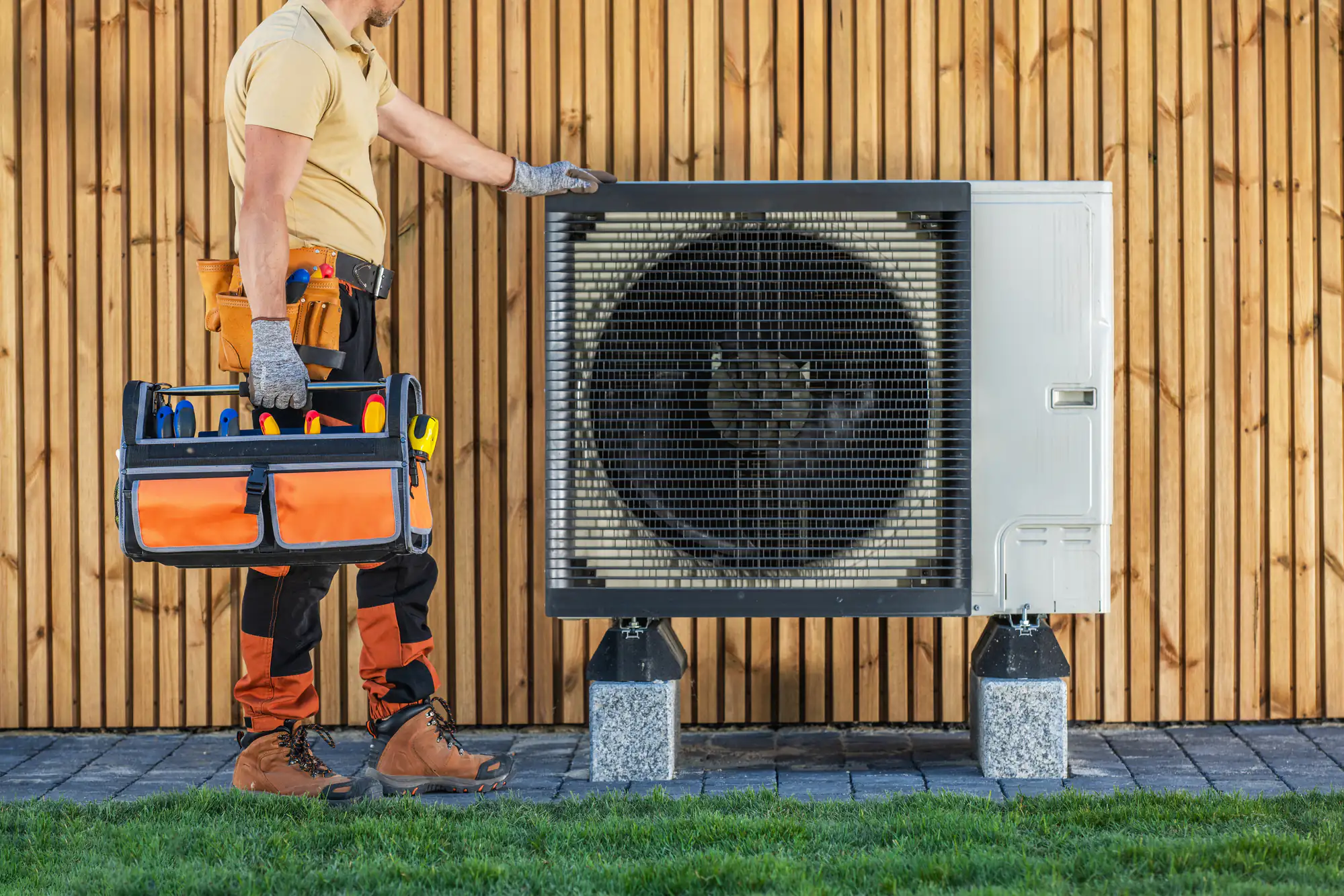
Furnace installation and heating system maintenance means your family stays warm when temperatures drop. We work with all fuel types—gas, oil, and electric—and we’re seeing more Amityville homeowners switch to heat pumps that handle both heating and cooling. With oil hovering around $4 per gallon and the state pushing electrification, the math on heat pumps makes sense for a lot of homes, especially with those Clean Heat rebates available through 2030.
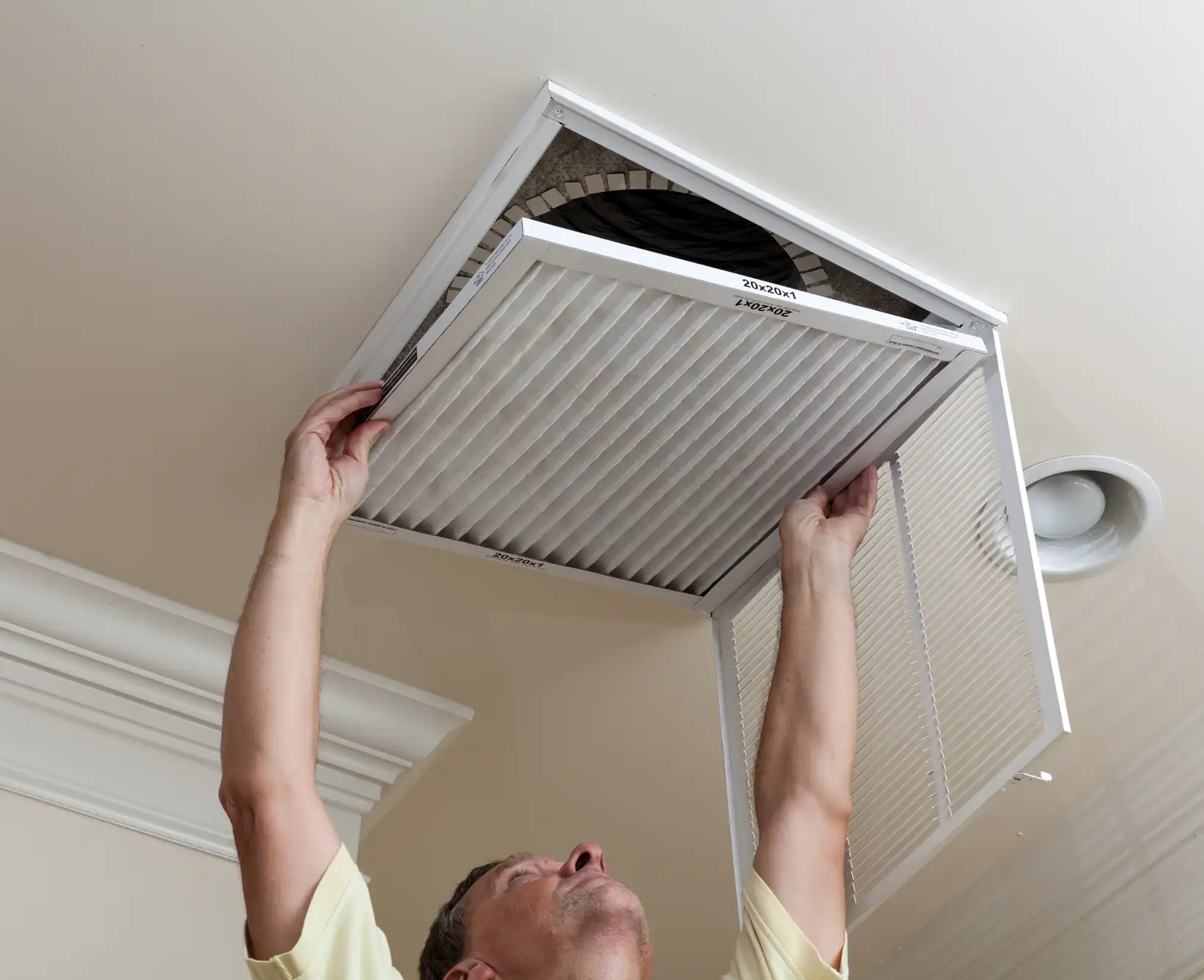
Indoor air quality is something most people don’t think about until someone in the house can’t stop sneezing or they notice dust everywhere. Your HVAC system circulates all the air in your home, and if it’s pulling in allergens, mold spores, or just pushing around dust, you’re breathing it constantly. We can add filtration, UV lights, and humidity control that actually makes a difference.
HVAC replacement isn’t something anyone wants to budget for, but if your system is over 15 years old and needs another repair, you’re often better off replacing it. New systems are 30-40% more efficient than units from the early 2010s, and they’re far more reliable. We’ll walk you through the options, the rebates, and what makes sense for your home—not what makes us the most money.
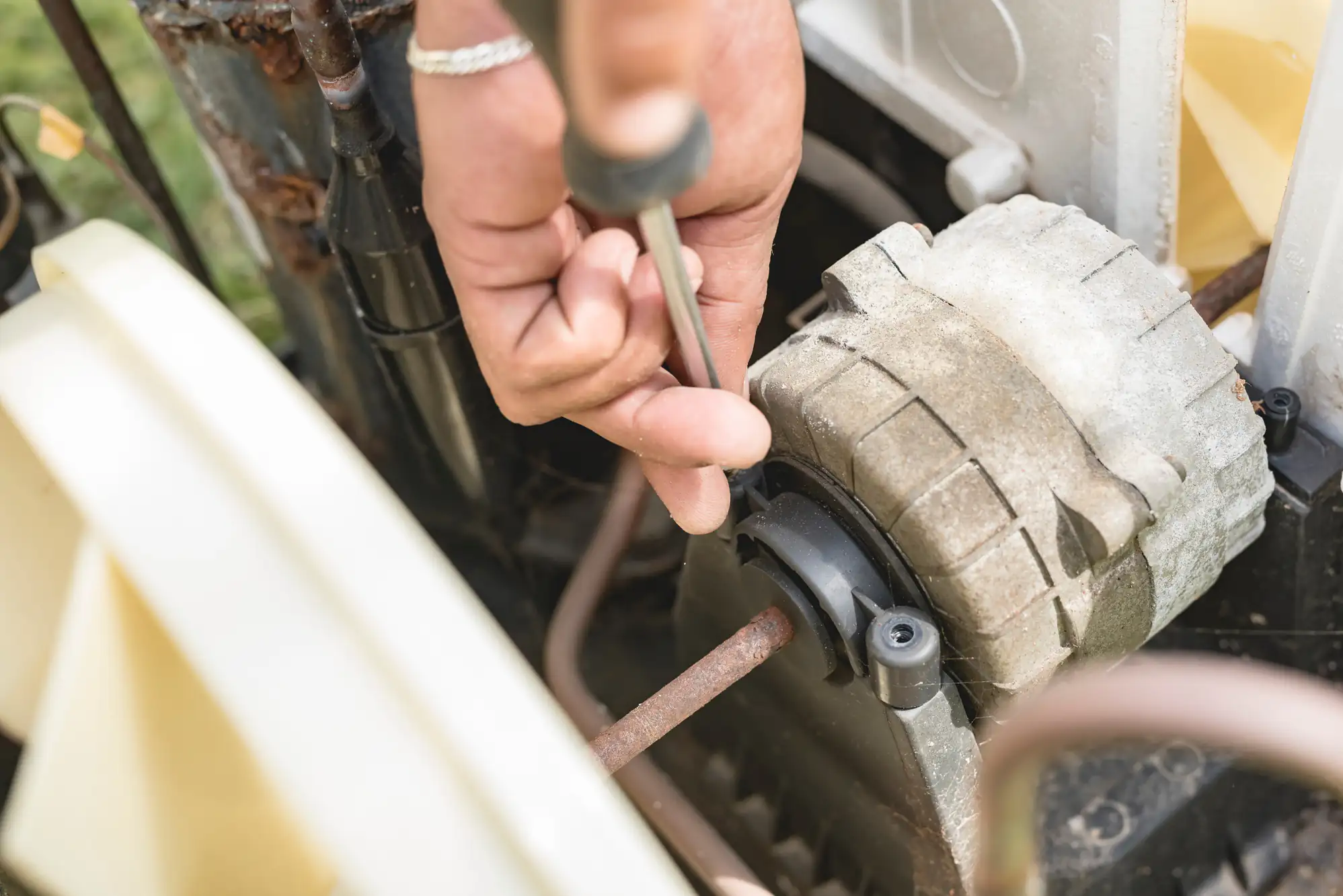
If your system is under 10 years old and the repair costs less than half the price of a new unit, repair usually makes sense. You’re getting a few more years out of equipment that’s still relatively modern and efficient.
Once you’re past 15 years, the math changes. Older systems break more often, parts get harder to find, and efficiency standards have improved so much that a new system pays for itself in energy savings. If you’re looking at a major repair—like a compressor or heat exchanger—on a system that’s already old, replacement is almost always the smarter move.
We’ll never push you toward a sale if a repair gets you through another few years. But we will tell you honestly when you’re throwing money at a system that’s going to keep failing. That’s a conversation about your specific situation, your budget, and how long you plan to stay in the home.
The NYS Clean Heat program offers rebates up to $12,000 for air-source heat pump systems installed in existing homes. The exact amount depends on your household income and the type of system you install. There are also additional incentives if you’re replacing oil or propane heating.
To qualify, you need to use a participating contractor (we’re certified), install an eligible high-efficiency heat pump, and meet the program’s income requirements if you’re applying for the higher rebate tiers. The program was reauthorized through 2030 with billions in funding, so the money is there—but these programs do change, and it’s worth acting sooner rather than waiting.
We handle the paperwork and make sure your system qualifies before installation. The rebate comes after the work is done, but it can cover a significant chunk of the upfront cost. For a lot of Amityville homeowners, it’s the difference between keeping an old oil furnace limping along and switching to a system that heats and cools more efficiently.
Your AC should be serviced every spring before cooling season starts. Your furnace or heating system should be serviced every fall before you need it. That’s the baseline that keeps most systems running reliably and catches small problems before they become expensive emergencies.
During a maintenance visit, we’re checking refrigerant levels, cleaning coils, testing electrical connections, inspecting heat exchangers, and making sure everything runs safely and efficiently. It’s not just a quick look—it’s a full system checkup that extends the life of your equipment and keeps your energy bills from creeping up because of a dirty filter or failing part.
If you skip maintenance, you’re rolling the dice. Systems that don’t get serviced break more often, cost more to run, and die years earlier than they should. A $150 tune-up is a lot cheaper than a $500 emergency repair in the middle of a heatwave or cold snap.
If your system is over 15 years old, it’s probably working a lot harder than it should to heat or cool your home. Efficiency standards have improved dramatically—modern furnaces and AC units use 30-40% less energy than units from the early 2010s. That gap gets even wider if your system wasn’t sized correctly or hasn’t been maintained.
High energy bills also come from air leaks, poor insulation, and ductwork problems, but your HVAC system is usually the biggest energy user in your home. If it’s cycling on and off constantly, struggling to reach temperature, or just old, you’re paying more every month than you need to.
A new high-efficiency system won’t fix everything, but it will cut your heating and cooling costs noticeably. Heat pumps are especially efficient because they move heat instead of generating it, which is why New York is pushing them so hard. Combined with the state rebates, the payback period on a new system is shorter than it’s ever been.
First, check your thermostat and make sure it’s set to cool and the temperature is lower than the current room temp. Then check your circuit breaker—sometimes a tripped breaker is all that’s wrong. If those are fine and the system still isn’t running, don’t keep messing with it. Call us.
We offer 24/7 emergency service because we know AC failures don’t wait for convenient times. Depending on what’s wrong, we can often get you back up and running the same day. If it’s a bigger issue that needs parts, we’ll at least diagnose it fast so you know what you’re dealing with and can make a plan.
In the meantime, close your blinds, use fans to move air around, and stay hydrated. If you’ve got elderly family members or young kids in the house, extreme heat is a real health risk—don’t wait to call. We’ve seen too many people suffer through days of heat because they were trying to save money or thought it wasn’t urgent enough.
Your HVAC system already filters air every time it runs, but standard filters only catch large particles like dust and lint. If you’re dealing with allergies, asthma, or just notice your home feels stuffy, upgrading your filtration makes a real difference.
High-efficiency filters capture smaller particles like pollen, mold spores, and pet dander. UV lights installed in your ductwork kill bacteria and mold before they circulate through your home. Whole-home dehumidifiers control moisture, which stops mold growth and makes your home feel more comfortable even at higher temperatures. We can also add ventilation systems that bring in fresh outdoor air without losing your heating or cooling.
The right solution depends on what you’re dealing with. If it’s seasonal allergies, better filtration might be enough. If you’ve got mold or humidity issues, you need dehumidification. We’ll look at your system, ask about what you’re experiencing, and recommend what actually solves the problem—not just what’s easy to install.