Hear from Our Customers
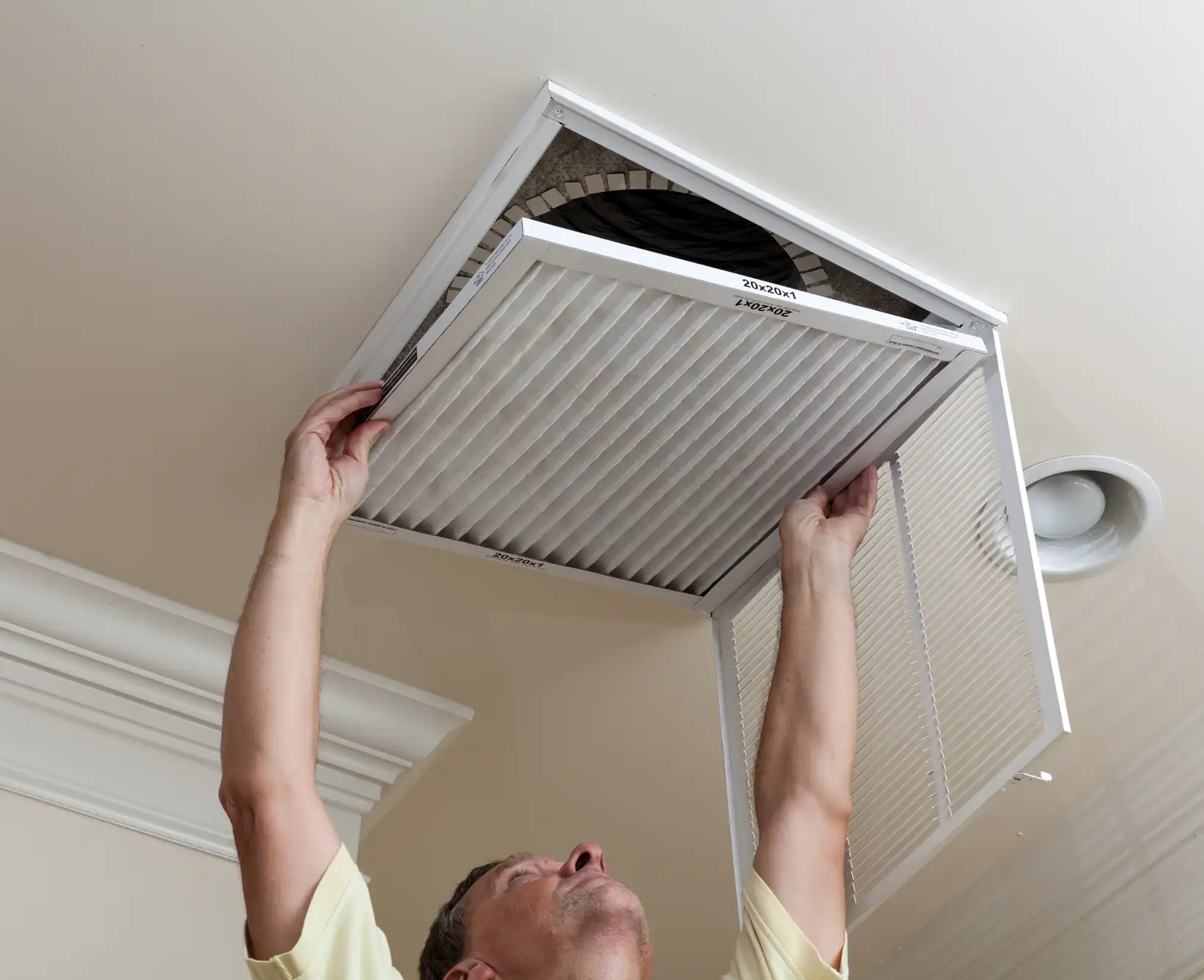
You’re not calling an HVAC company because everything’s perfect. Your energy bills climbed again this month. Some rooms feel like a sauna while others stay cold. Or your system picked the worst possible night to quit entirely.
Here’s what changes when the work is done right. Your system runs quieter and more efficiently, cutting energy waste that’s been draining your wallet for months. Every room reaches the temperature you actually set. And when the next heatwave or cold snap hits Long Island, you’re not scrambling for emergency service at 9 PM.
The difference isn’t just a working system. It’s knowing your furnace installation was sized correctly for your home’s actual needs, not guessed at. It’s having indoor air quality that doesn’t trigger allergies every spring. It’s getting heating system maintenance that catches problems before they become expensive failures.
We’ve spent over 40 years handling HVAC systems that can’t afford to fail—airports, marine vessels, commercial kitchens across the Greater New York area. That level of reliability doesn’t come from cutting corners.
When we expanded into residential HVAC services, we brought the same standards. The same 24/7 availability. The same approach to diagnosing problems correctly the first time. Aquebogue homeowners deal with coastal humidity that makes air conditioners work overtime and salt air that accelerates wear on outdoor units. We’ve been solving those exact challenges in marine environments for decades.
You’ll find dozens of five-star reviews from customers who needed complex repairs or custom installations. The work speaks for itself, and so do the people who’ve trusted us when their comfort was on the line.
You reach out—phone, email, whatever works for you. We schedule a time that doesn’t require you to waste half a day waiting around. No vague four-hour windows.
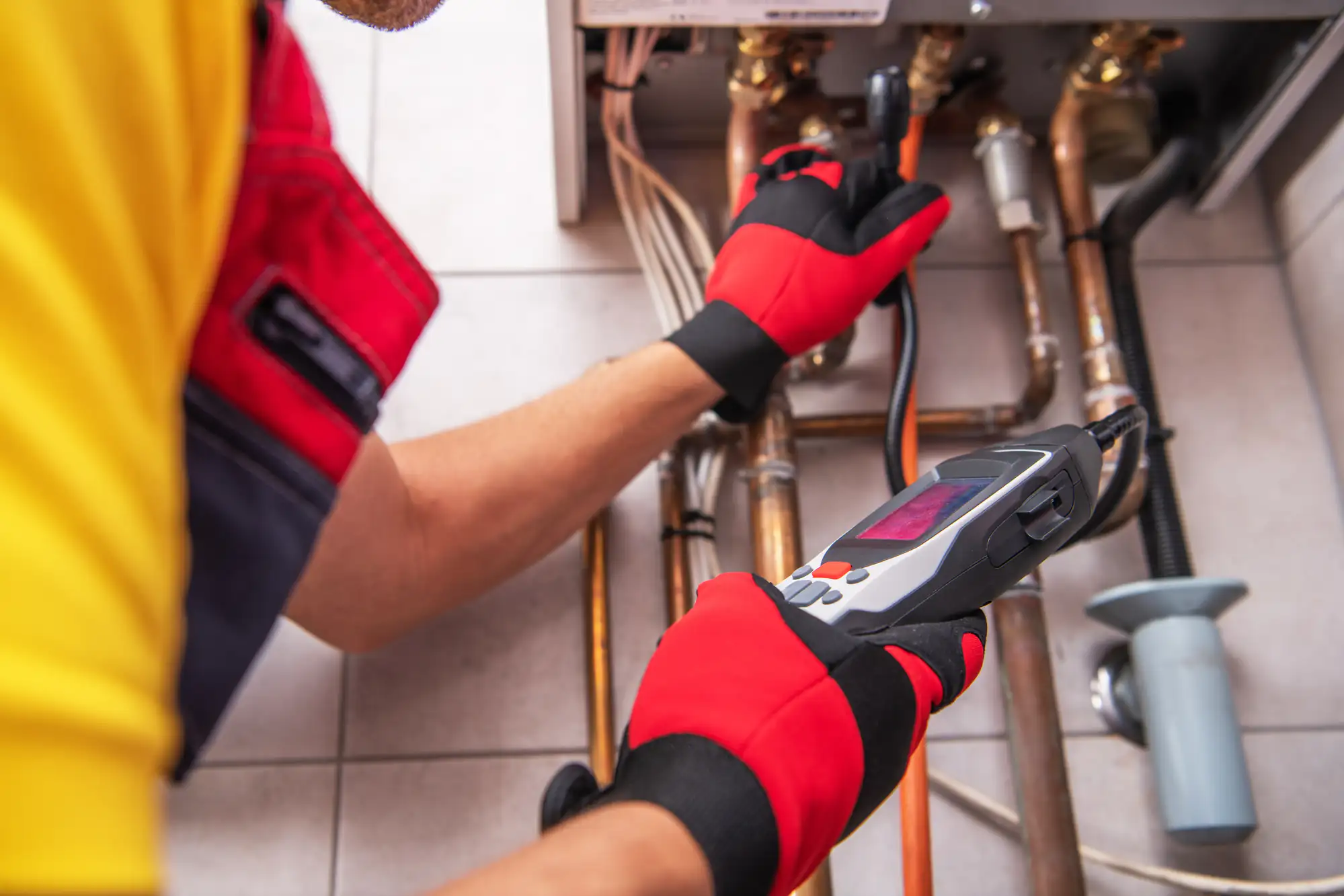
Our technician shows up and actually listens to what’s happening with your system. Not every problem needs a full replacement, and we’re not going to sell you one if a targeted repair solves it. You get a clear explanation of what’s wrong, what it’ll take to fix it, and what it costs before any work starts.
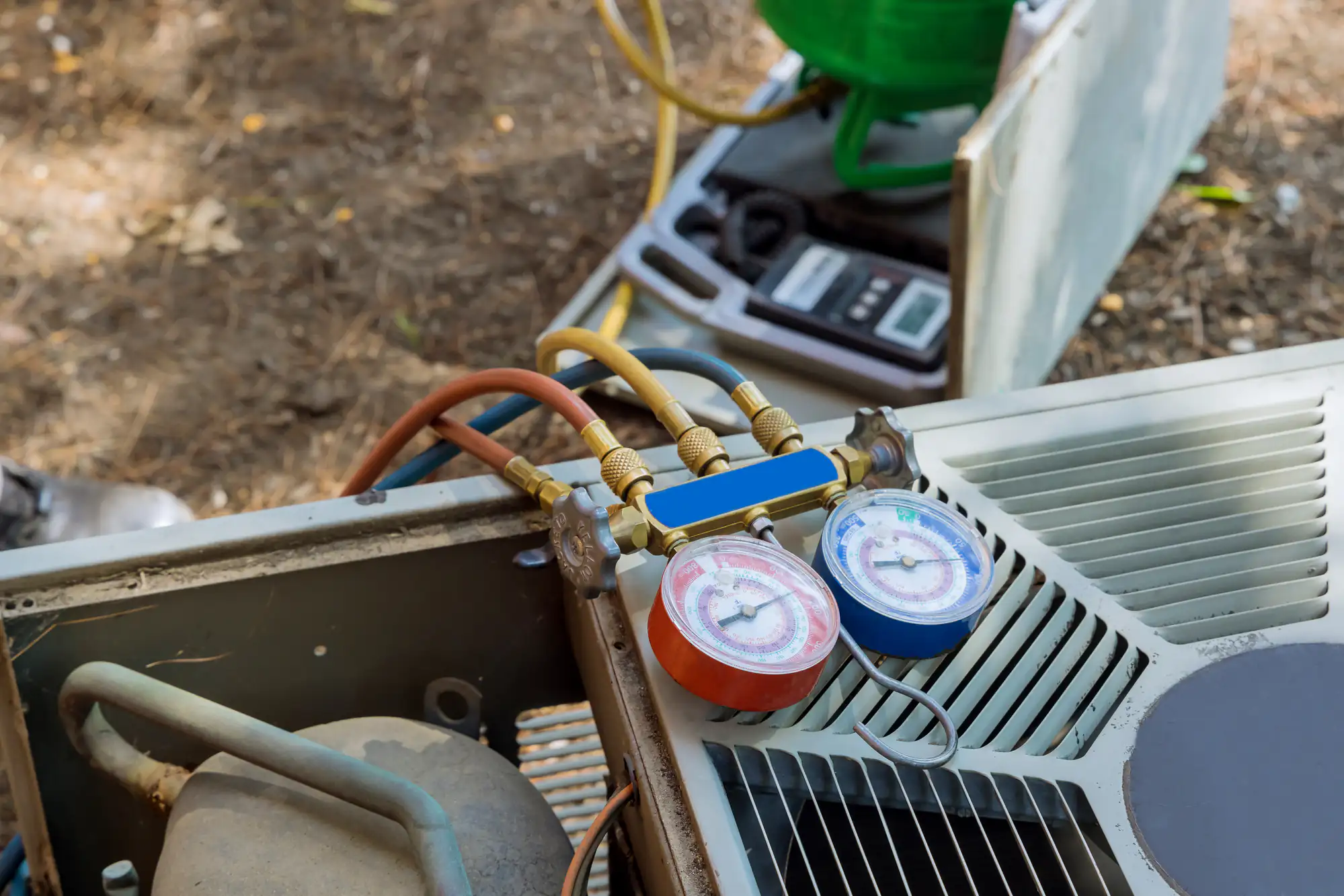
If it’s an air conditioning repair, we test airflow, check refrigerant levels, and inspect components most contractors skip. For furnace installation or HVAC replacement, we calculate your home’s actual heating and cooling load—not just swap in whatever unit fits the space. Proper sizing matters more than most people realize, especially in Long Island’s climate where humidity control is half the battle.
After the work’s done, we test everything. You see it working before we leave. And if something comes up later, you’ve got our number. We’re available 24/7 for emergencies, because your heating doesn’t care that it’s Sunday night.
Ready to get started?
Our residential HVAC services cover the full spectrum. Emergency repairs when your system fails. Planned heating system maintenance that prevents those failures. New installations when repair stops making financial sense. And indoor air quality improvements that address the pollen, humidity, and allergens that make Long Island homes uncomfortable even when the temperature’s right.
Aquebogue sits in a coastal zone where HVAC systems face challenges that inland areas don’t deal with. Higher humidity means your air conditioner has to dehumidify before it can cool effectively. Salt air corrodes outdoor components faster. And temperature swings between seasons are more extreme than many people expect when they move here.
We account for all of that. System recommendations factor in your home’s exposure to coastal conditions. Maintenance plans include corrosion checks that matter here but wouldn’t in other regions. And when we install smart thermostats or zoning controls, we program them for Long Island’s actual climate patterns—not generic factory settings.
The new EPA regulations that took effect January 1, 2025 phased out R-410A refrigerant in new systems. If you’re looking at HVAC replacement, you need equipment that meets current SEER2 efficiency standards and uses compliant refrigerants. We handle that transition without making it your problem to figure out.
Twice a year is the standard that actually makes sense—once before heating season, once before cooling season. Your furnace and air conditioner are two different systems with different stress points, and they both need attention before you’re relying on them daily.
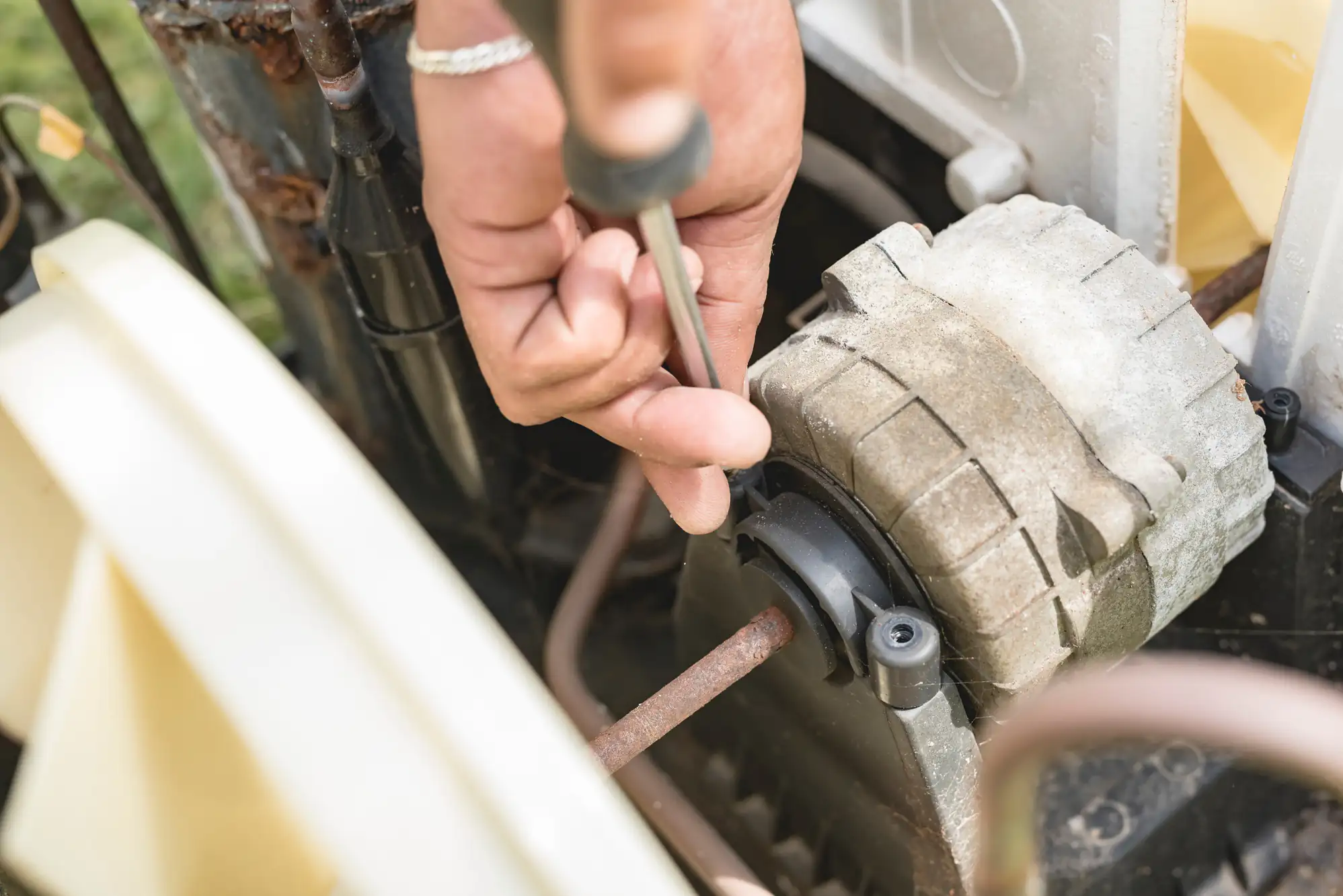
Fall maintenance catches issues like pilot light problems, cracked heat exchangers, or airflow restrictions before you’re running the heat constantly through winter. Spring maintenance addresses refrigerant levels, coil cleanliness, and drainage issues before summer humidity puts maximum load on your AC. Skipping either one doesn’t save money. It just moves the expense to emergency repairs at the worst possible time.
Long Island’s coastal climate adds another reason for consistent maintenance. Salt air and humidity accelerate corrosion and wear on components. An annual checkup might work fine in Arizona, but here you’re asking for trouble. Catching small problems early—a little rust, a slightly low refrigerant charge, a blower motor that’s starting to struggle—costs a fraction of what you’ll pay when those problems cause complete system failure.
System sizing and installation quality. The equipment brand matters less than most people think. What matters is whether the system is correctly sized for your home’s actual heating and cooling load, and whether it’s installed according to manufacturer specifications.
An oversized system costs more upfront and more to operate. It cycles on and off constantly, never running long enough to properly dehumidify your air. That’s why some homes feel clammy even when the AC is running. An undersized system runs nonstop, struggles to maintain temperature, and wears out faster. Both problems come from contractors who guess at sizing instead of calculating it.
Quality installation means proper refrigerant charge, sealed ductwork, correct airflow balancing, and electrical connections that won’t fail in two years. It means the outdoor unit is level and has adequate clearance. It means the condensate drain actually drains instead of backing up into your ceiling. These aren’t extras—they’re requirements for the system to perform as designed. But plenty of installers skip them to save time, and you don’t find out until you’re dealing with problems that shouldn’t exist on a brand-new system.
Your system is probably working harder than it should to maintain temperature. That happens for a bunch of reasons, and most of them aren’t obvious until someone who knows what to look for actually checks.
Dirty coils make your AC use more energy to achieve the same cooling. Refrigerant that’s even slightly low forces the compressor to run longer. Ductwork leaks dump conditioned air into your attic or crawlspace instead of your living areas—studies show that poorly sealed ducts can waste 30% of your heating and cooling energy. A furnace with a clogged filter or restricted airflow burns more fuel to produce the same heat.
Then there’s the sizing issue again. If your system is oversized, it’s cycling on and off constantly, and all that startup energy adds up. If it’s undersized, it’s running nonstop trying to reach a temperature it can’t maintain. Either way, you’re paying for inefficiency. Sometimes the fix is simple maintenance. Sometimes it’s ductwork sealing or insulation improvements. And sometimes it’s accepting that a 15-year-old system with a SEER rating of 10 is never going to be efficient compared to modern equipment that hits SEER2 standards above 15.
Yes, and in most cases that’s exactly what makes sense. Whole-system replacements get the attention, but indoor air quality improvements are often standalone additions that work with your existing equipment.
Air purification systems integrate into your ductwork and actively remove particles, allergens, and contaminants that standard filters miss. Humidity control—either dehumidification in summer or humidification in winter—addresses comfort and health issues that temperature alone can’t fix. Long Island’s coastal humidity is a major factor in mold growth and that clammy feeling even when your AC is running. A whole-home dehumidifier pulls moisture out before it becomes a problem.
UV light systems installed in your ductwork kill mold, bacteria, and viruses before they circulate through your home. Advanced filtration systems capture pollen, dust, pet dander, and the microscopic particles that trigger allergies and asthma. These aren’t gimmicks—they’re measurable improvements that make a noticeable difference if you or anyone in your home deals with respiratory issues.
The key is matching the solution to the actual problem. If your issue is humidity, a better filter won’t help. If it’s allergens, you need filtration that’s actually rated to capture them. We test your indoor air quality first, identify what’s actually causing problems, and recommend what’ll fix it.
Call for emergency service, but also check a couple of quick things while you’re waiting. First, verify your thermostat is set to cooling mode and the temperature setting is below the current room temperature. It sounds basic, but it’s worth confirming. Second, check your circuit breaker—AC units sometimes trip breakers, especially if they’re struggling with other issues.
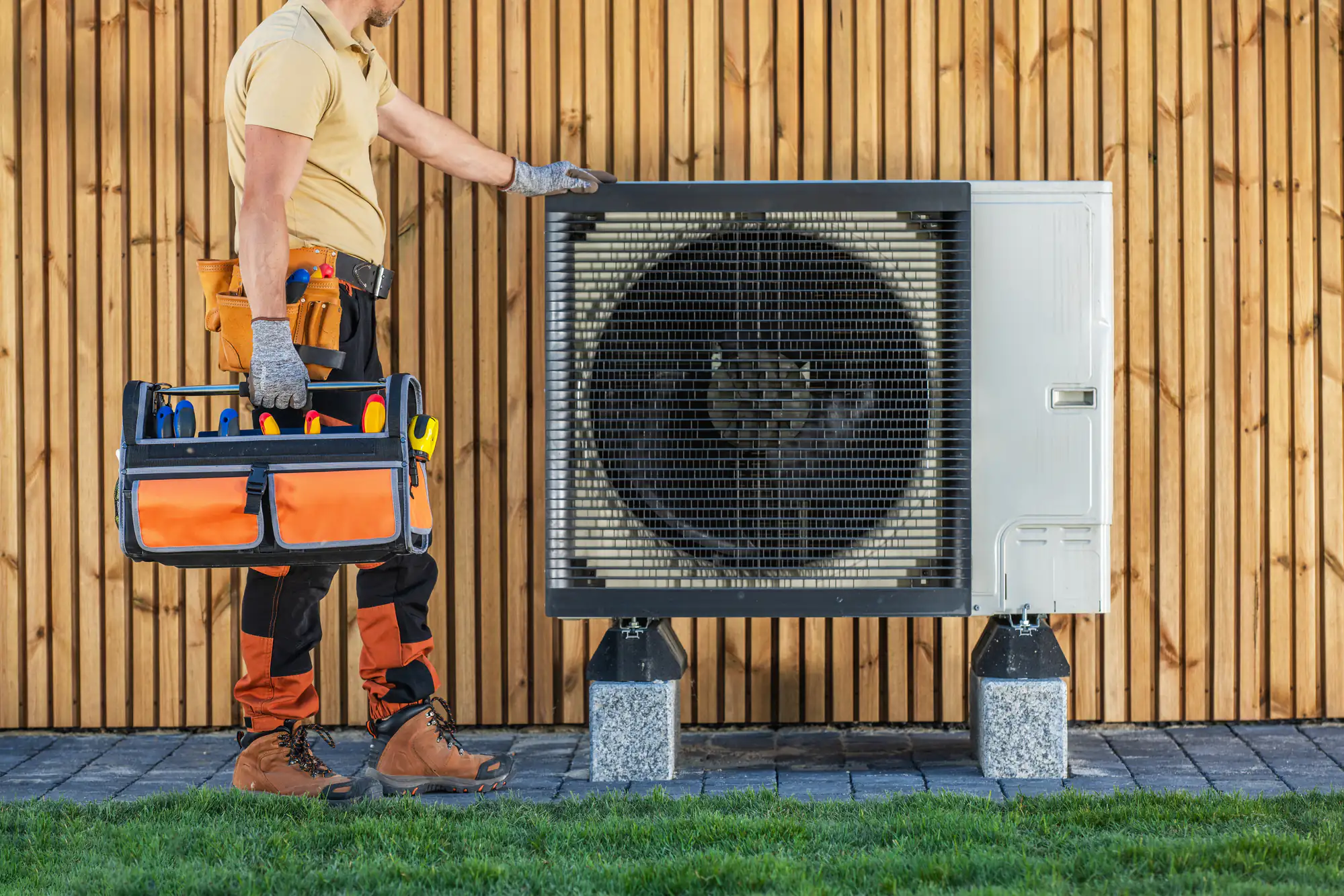
If those aren’t the problem, don’t try to diagnose further yourself. Modern air conditioning systems use high-pressure refrigerant and complex electrical components. Poking around without proper training and tools usually makes things worse. What you can do is clear any debris from around your outdoor unit and make sure the area has good airflow. A unit that’s choked by leaves, grass clippings, or plants crammed against it will overheat and shut down.
Emergency HVAC repair during peak summer demand means you might wait longer than you’d like, even with 24/7 service. That’s reality when everyone’s system is under maximum load and failures spike. But a company that actually prioritizes emergencies will get to you the same day. In the meantime, close blinds on sun-facing windows, avoid using heat-generating appliances, and stay hydrated. If you have a portable fan, use it—moving air feels cooler even if the temperature hasn’t changed.
If your system is less than 15 years old and in decent shape, yes. A smart thermostat won’t fix a failing furnace, but it’ll make a functional system significantly more efficient and convenient.
The energy savings are real. Smart thermostats learn your schedule and adjust temperatures automatically when you’re asleep or away. They provide detailed energy reports so you can see exactly where your heating and cooling costs are going. Many models integrate with weather forecasts and adjust preemptively—starting to cool your home before a heatwave hits, or reducing heating when a warm front is coming through. Those small optimizations add up to 10-15% energy savings for most homeowners.
The convenience factor matters too. You control everything from your phone. Forgot to adjust the temperature before leaving for vacation? Fix it from the airport. Want the house comfortable when you get home from work? Set it to start cooling 30 minutes before you arrive. Some systems even send alerts when your filter needs changing or when they detect potential system problems.
Compatibility is the only real concern. Older systems or certain configurations might need additional equipment to work with smart thermostats. But most residential HVAC systems installed in the last decade are compatible with minimal modification. We assess your specific setup, recommend models that’ll actually work with your equipment, and handle the installation so it’s configured correctly from day one.