Hear from Our Customers
When your air conditioning fails during a Long Island heat wave, you’re not looking for a lecture about SEER ratings. You need someone who answers the phone, shows up when they say they will, and fixes it right the first time.
That’s what happens when you call us. Our trucks carry the parts that actually fail in coastal homes—the ones corroded by salt air, worn down by humidity, stressed by temperature swings. Most repairs get done the same day because we stock what breaks here, not what breaks in Arizona.
Your furnace quits at 11 PM in January? We’re available 24/7, and we mean it. You’re not getting an answering service or a callback tomorrow morning. You’re getting a technician who’s handled marine HVAC systems and commercial refrigeration for over 40 years—someone who’s seen worse and knows how to handle it fast.
We’ve been doing commercial refrigeration and marine HVAC since before most HVAC companies in this area existed. Airports, restaurants, boats—systems that can’t afford to fail. That background matters when your home system goes down.
Baiting Hollow isn’t just another service area for us. We know what salt air does to condenser coils. We know how humidity affects your indoor air quality. We know the difference between a standard residential install and one that’ll actually last near the coast.
You’ll find dozens of five-star reviews from people who’ve dealt with us during emergencies, new installations, and everything in between. We’re licensed, insured, and we don’t disappear after the install. When you call six months later with a question, you get the same people who did the work.
First, we actually listen. You tell us what’s happening—no cooling upstairs, strange noises from the furnace, uneven temperatures, whatever it is. We ask a few questions to understand if this is an emergency or something we can schedule.
If it’s urgent, we’re there within 45 minutes to two hours. If it’s planned work like a furnace installation or HVAC replacement, we schedule a free consultation where we look at your actual system, your home’s layout, and what’s realistic for your situation. No pressure, no upselling to equipment you don’t need.
During the work, we explain what we’re doing and why. If we find something unexpected—like ductwork problems or indoor air quality issues—we tell you what it means and what your options are. You decide what makes sense.
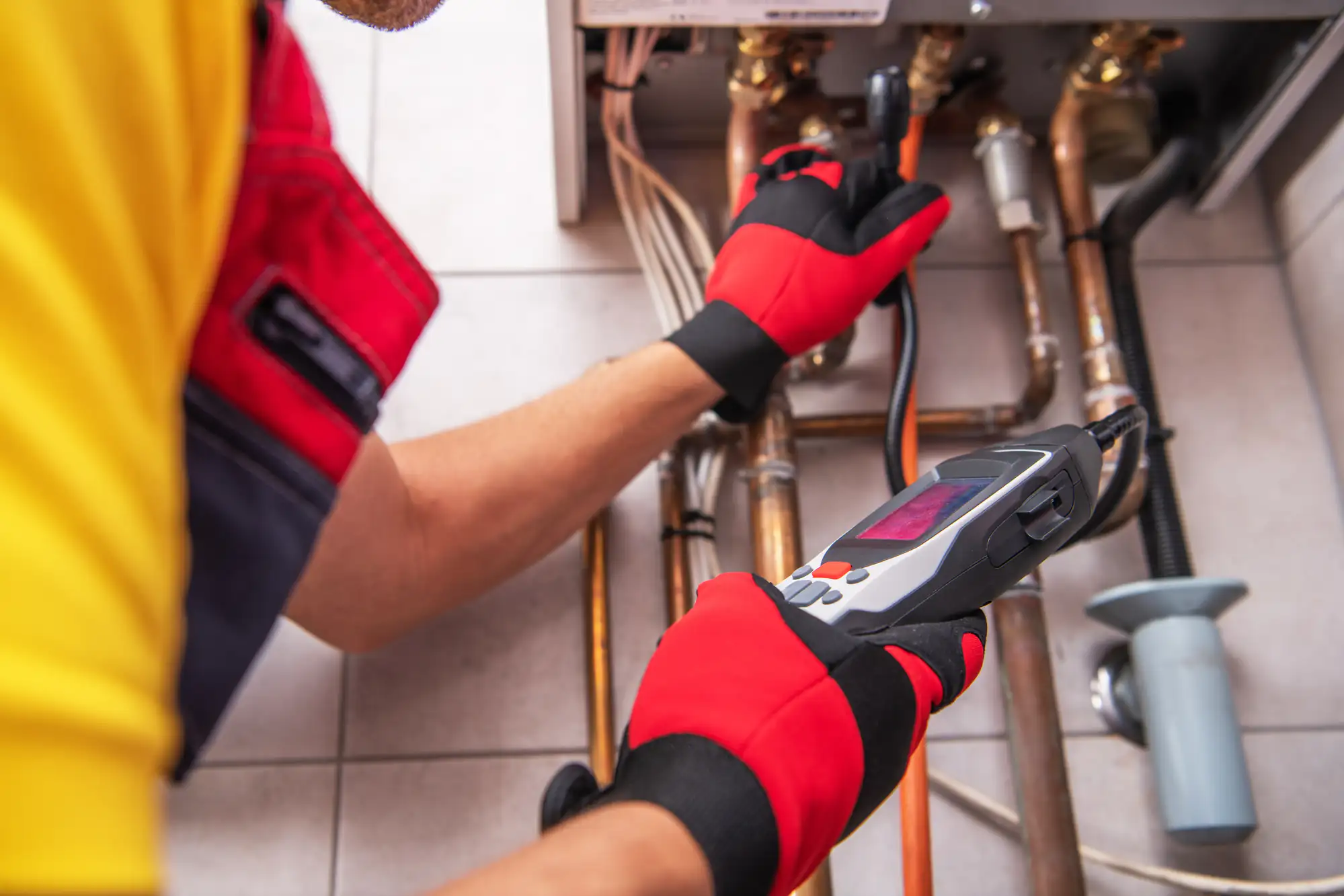
After heating system maintenance or repairs, we test everything to make sure it’s working right. We clean up. We show you what we did. And if something’s not right later, you call us back. That’s it.
Ready to get started?
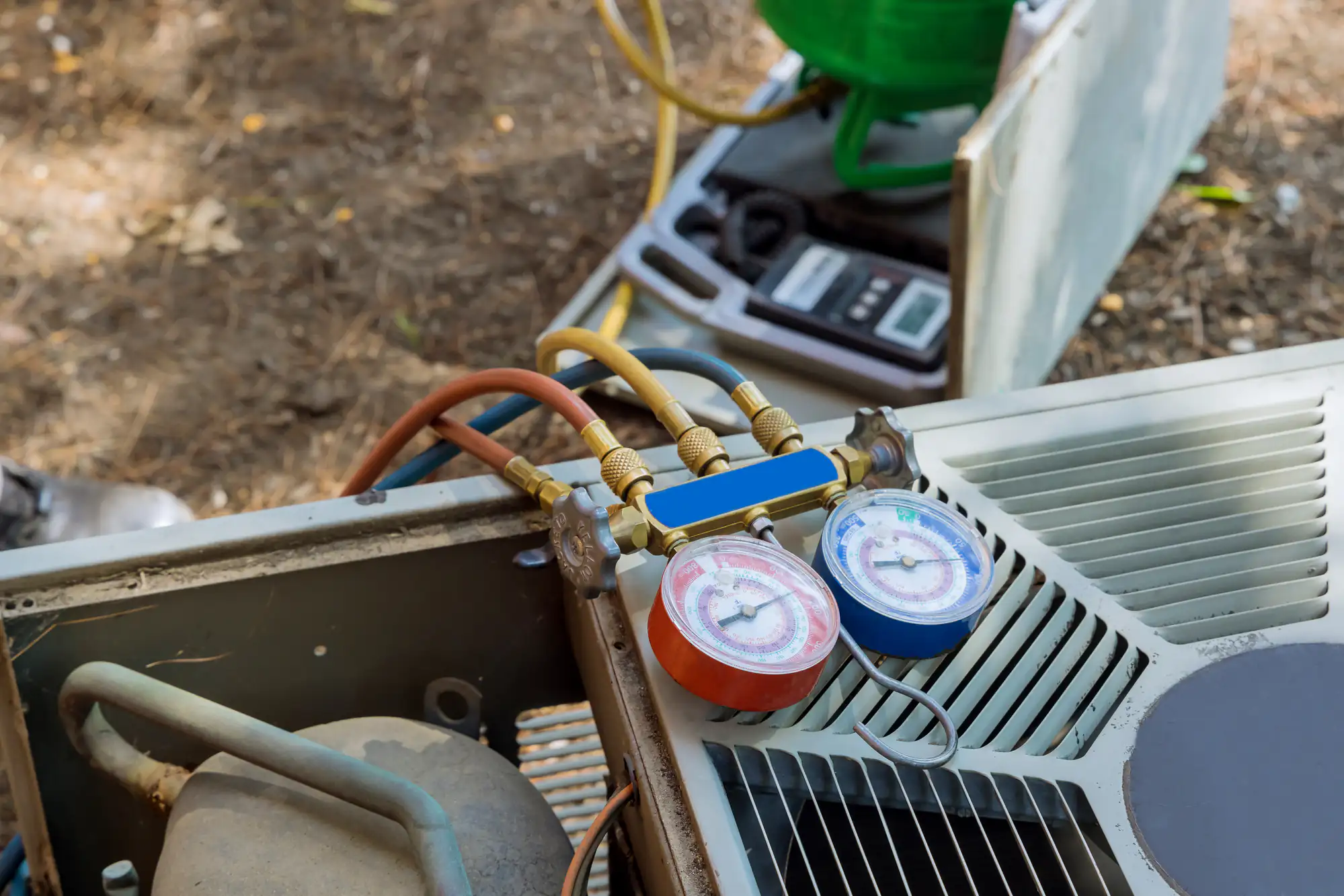
Air conditioning repair in Baiting Hollow means dealing with equipment that’s fighting humidity all summer. Your system isn’t just cooling—it’s dehumidifying before it can even drop the temperature. That puts extra stress on components, especially if you’re near the water. We handle the repairs that come from that reality, not textbook problems.
Furnace installation and heating system work matter more than people think. Long Island winters aren’t brutal, but they’re long and damp. Your heating system needs to handle those conditions without driving your energy bills through the roof. We install equipment that’s efficient and appropriate for your home’s size and insulation—not whatever’s on sale.
Indoor air quality gets ignored until someone in your house has allergies or respiratory issues. Coastal humidity creates conditions where mold and allergens thrive. We can assess your air quality and recommend solutions that actually work—filtration, dehumidification, ventilation—based on what’s happening in your specific home.
HVAC replacement is a big decision. When your system’s 15-plus years old and needs another expensive repair, sometimes replacement makes more sense. We’ll tell you honestly whether repair or replacement is the smarter move financially. Then we’ll install equipment that’s built to handle salt air and coastal conditions, not just meet the minimum code requirements.
Twice a year—once before cooling season, once before heating season. That’s spring and fall.
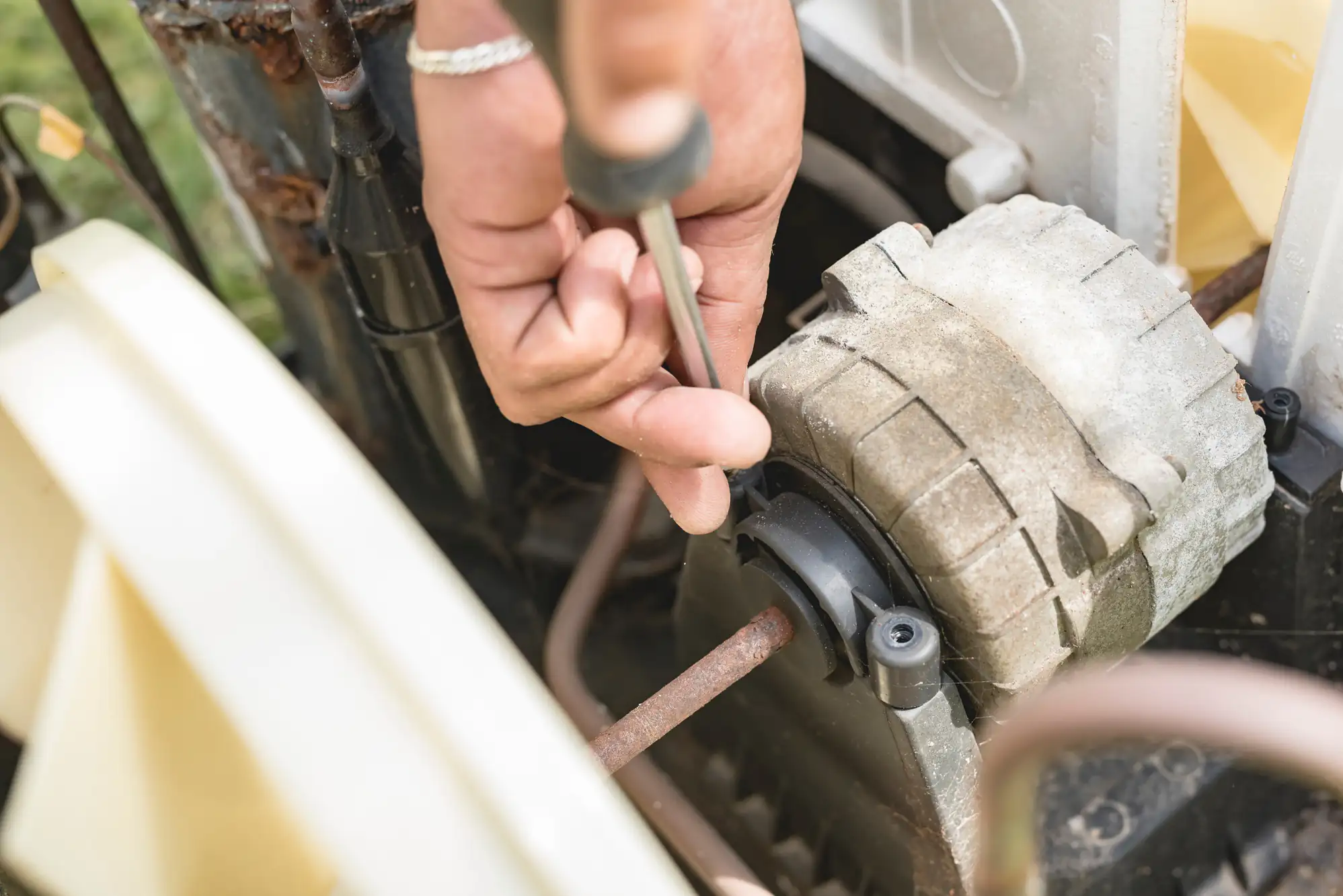
Here’s why that matters more on Long Island than inland: salt air accelerates corrosion on your outdoor condenser unit. Humidity creates more condensation, which means more opportunities for mold and drainage problems. Regular maintenance catches those issues before they become expensive failures.
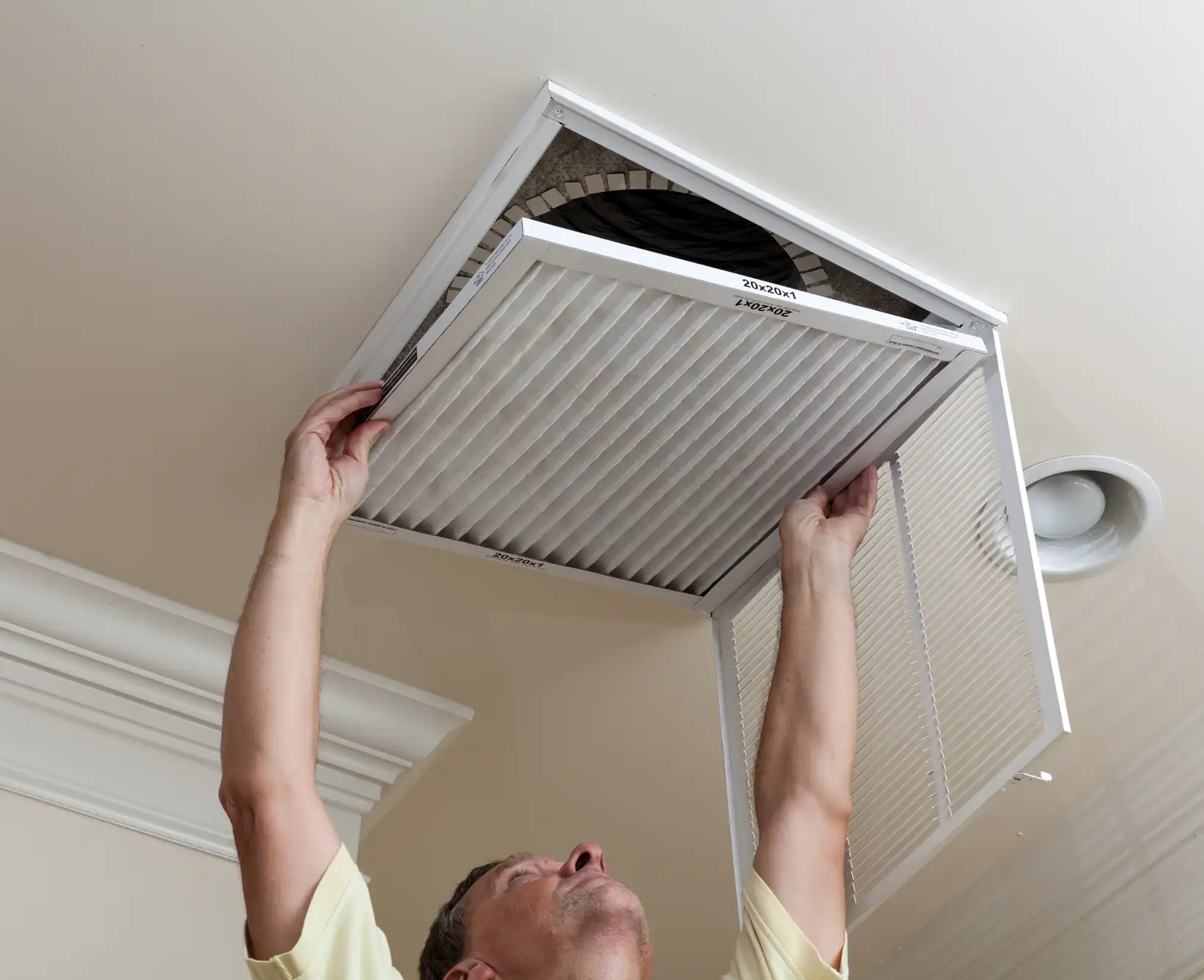
During maintenance, we’re checking refrigerant levels, cleaning coils, testing electrical connections, inspecting ductwork, and replacing filters. We’re also looking for early signs of coastal wear—corrosion on components, salt buildup, anything that’ll cause problems in the next few months. Catching a small issue in April beats an emergency repair in July when it’s 90 degrees and everyone’s AC is failing at once.
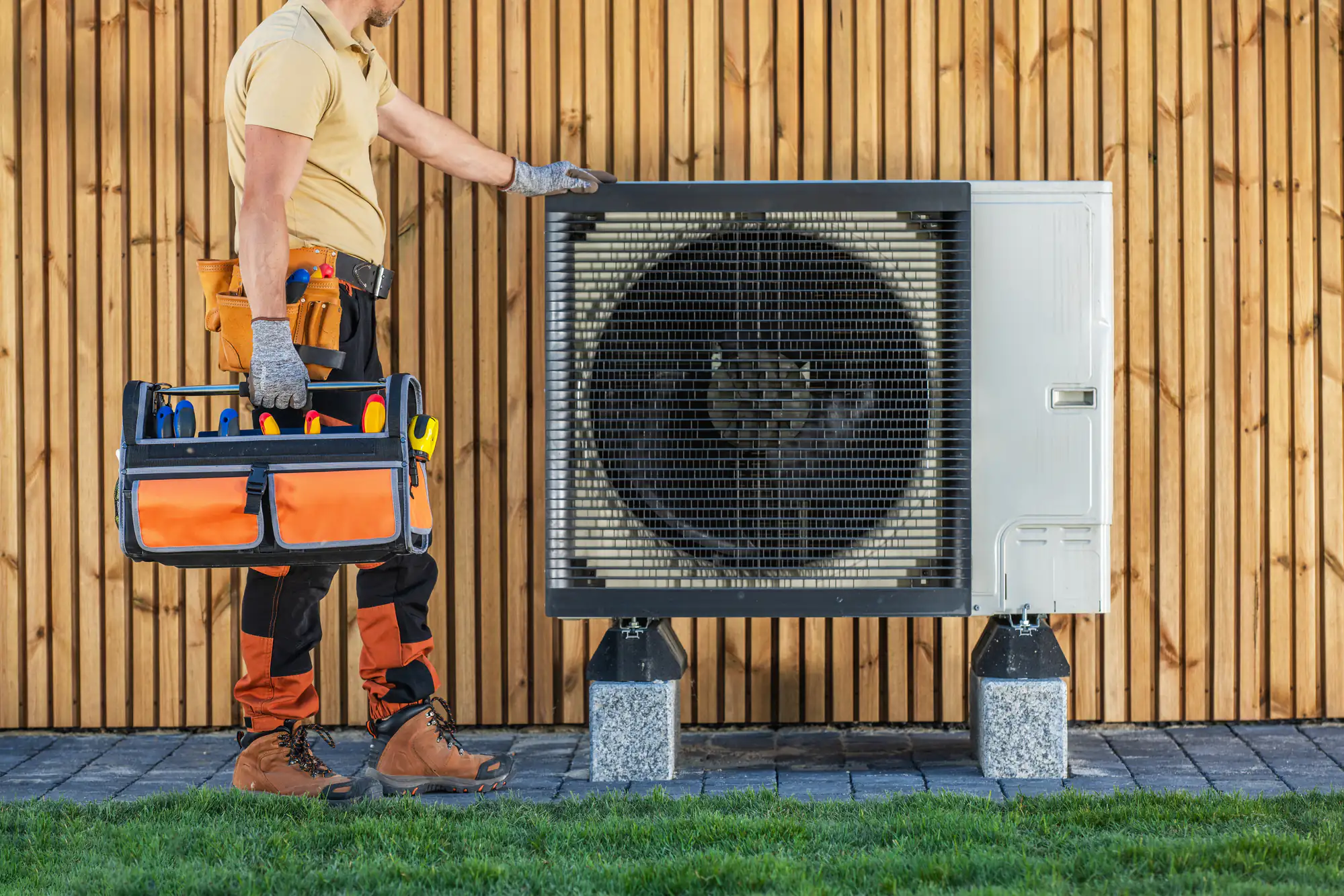
Salt air corrodes metal components faster than normal wear and tear. Your outdoor condenser unit is constantly exposed to moisture that contains salt, especially if you’re close to the water or the golf course gets sea breezes.
Standard residential HVAC equipment isn’t designed for marine environments. The coils, electrical connections, and metal housing all deteriorate faster here than they would ten miles inland. That means you need technicians who understand coastal conditions and know which components to upgrade during installation.
We’ve spent decades working on marine HVAC systems—actual boats where salt exposure is constant. That experience translates directly to coastal homes. We know which parts fail first, which protective coatings actually work, and how to extend your system’s lifespan in conditions that destroy standard equipment. It’s not complicated, but it’s different from cookie-cutter residential work.
We’re available 24/7, and our typical response time is 45 minutes to two hours depending on where we’re coming from and what else is happening.
When you call for emergency service, you’re talking to someone who can actually help you—not an answering service reading a script. We’ll ask what’s happening, determine if there’s anything you can safely check yourself, and get someone headed your way.
Our service trucks stock the parts that commonly fail in Long Island homes. Capacitors, contactors, thermostats, refrigerant—the things that actually break. About 70% of our emergency calls get resolved on the first visit because we’re prepared for what typically goes wrong in coastal residential systems. The other 30% usually need specialized parts we have to order, but we’ll at least diagnose the problem and give you options the same day.
Age of your system, cost of the repair, and how it’s been maintained. If your system is under ten years old and well-maintained, repair almost always makes sense. If it’s over 15 years old and needs a major repair, replacement often makes more financial sense.
Here’s the math that matters: if the repair costs more than half of what a new system would cost, and your current system is past its expected lifespan, you’re throwing money at equipment that’ll need another expensive repair soon. A new system also runs more efficiently, which means lower energy bills—sometimes enough to offset the replacement cost over a few years.
We’ll tell you honestly what makes sense for your situation. Sometimes a repair buys you another five years. Sometimes it buys you six months of borrowed time before the next component fails. We’ve been doing this for over 40 years—we’re not trying to sell you a new system if repair is the smarter move. But we’re also not going to let you waste money on repairs that don’t make financial sense.
Yes, and they’re worth it if you want to avoid emergency repairs and extend your system’s lifespan. Our maintenance contracts include scheduled service visits, priority response if something does break, and discounted rates on repairs.
The real value is in catching problems early. During scheduled maintenance, we find issues that would’ve become emergencies in a few weeks or months—a capacitor that’s starting to fail, refrigerant that’s slightly low, electrical connections that are corroding. Fixing those things during a planned service visit costs a fraction of what the emergency repair would cost.
You also get priority scheduling. When everyone’s AC fails during a heat wave, contract customers get served first. That’s not us being difficult—it’s the reality of limited technician availability during peak season. If you’re on a maintenance contract, you’re not waiting two days in a hot house while we work through the emergency queue.
Absolutely, and it’s more important in coastal homes than most people realize. Humidity creates conditions where mold, mildew, and allergens thrive. Your HVAC system can either help control that or make it worse.
We start by assessing what’s actually happening in your home. High humidity? Poor ventilation? Filtration that’s not catching allergens? Each problem has different solutions. Sometimes it’s upgrading to better filters. Sometimes it’s adding a whole-home dehumidifier. Sometimes it’s improving ventilation so you’re not just recirculating the same stale air.
Indoor air quality isn’t a one-size-fits-all upsell. It’s about understanding what’s causing problems in your specific home and fixing that. We’ve worked on complex commercial refrigeration systems where air quality and humidity control are critical—restaurants, food service, marine galleys. That same expertise applies to residential work. We know what works and what’s just expensive equipment that doesn’t solve your actual problem.